Citrus Springs FL Real Estate | Affordable Citrus County Living | Barrett Henry
Citrus Springs, FL: Quick Answer
Citrus Springs is Citrus County’s deed-restricted, community-oriented residential area at the northern end of the county, offering a unique combination: all the neighborhood structure and shared amenities of a homeowner’s association without the HOA fees. With a community center, park, library, and tennis courts maintained through deed restrictions, and home prices with a median of approximately $278,000 as of December 2025, Citrus Springs delivers affordable community living near Rainbow River, Crystal River, and the Withlacoochee State Trail.
Key Takeaways: Citrus Springs Real Estate
Citrus Springs is a deed-restricted community in northern Citrus County with NO HOA fees, maintaining community amenities through deed restrictions rather than monthly assessments.
Median home prices of approximately $278,000 (December 2025) make it among the most affordable communities in Citrus County.
Community amenities include a community center, park, library, and tennis courts.
The Withlacoochee State Trail’s northern terminus begins near Citrus Springs, providing direct trail access for cyclists and walkers.
Proximity to Rainbow River (in Dunnellon, about 10 miles east) provides exceptional spring swimming and kayaking access.
The Dunnellon/Citrus Springs area offers larger lots and more rural character than southern Citrus County communities.
Citrus Springs, Florida: Affordable Community Living at the County’s Northern Edge
Citrus Springs occupies the northern portion of Citrus County, bordering Marion County to the north and offering a residential character that combines the affordability of rural Citrus County with a community structure maintained through deed restrictions rather than a traditional homeowner’s association. This is an important distinction for many buyers: Citrus Springs has the neighborhood standards and shared amenity infrastructure of a planned community, but residents pay no monthly HOA fees for the privilege. The deed restrictions maintain property standards and community amenities without the ongoing assessment burden.
The community’s location gives it access to some of the best recreational resources in north central Florida. Rainbow River, flowing through Dunnellon about 10 miles to the east, is one of Florida’s premier spring-fed rivers and a world-class tubing, swimming, and kayaking destination. The Withlacoochee State Trail begins its route near the northern edge of Citrus Springs, providing direct trail access that connects south through the county toward Inverness, Beverly Hills, and beyond. And the spring systems of western Citrus County, including Crystal River‘s Three Sisters Springs, are accessible within 30-45 minutes.
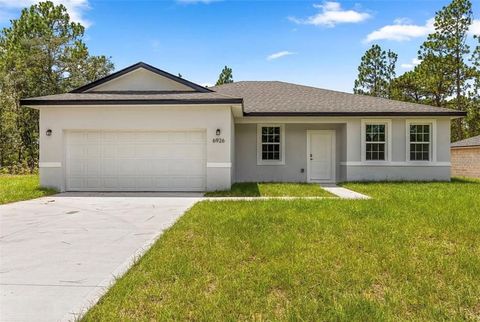
For buyers seeking the most affordable entry into Citrus County living with a degree of community structure and amenity access, Citrus Springs offers a compelling proposition. Homes in the $200,000-$350,000 range provide good living space, yard area, and community access without the premium that waterfront, golf community, or planned resort amenity properties command.
Barrett Henry with Now Realty covers Citrus County including Citrus Springs. Call (813) 733-7907 or email [email protected].
Citrus Springs Real Estate Market: Prices and Inventory
$278KMedian List Price (Dec 2025)
No HOACommunity Structure
34433Primary ZIP Code
NorthCitrus County Location
The Citrus Springs market offers one of the most accessible entry points into Citrus County homeownership. With a median listing price of approximately $278,000 in December 2025, the community is priced 1% below the national average, making it genuinely competitive on a national affordability basis. Homes for sale in Citrus Springs under $200,000 are available, though the supply at this price point varies with market conditions. The $200,000-$350,000 range delivers a wide selection of single-family homes in various conditions and configurations.
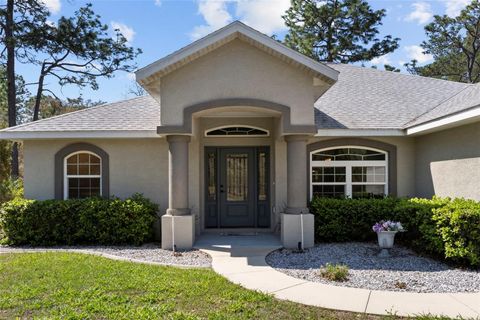
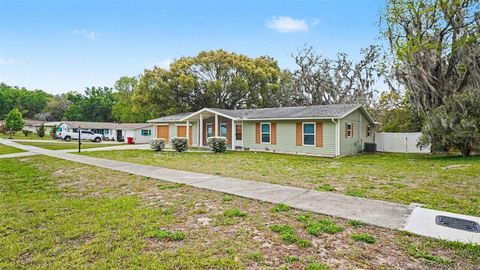
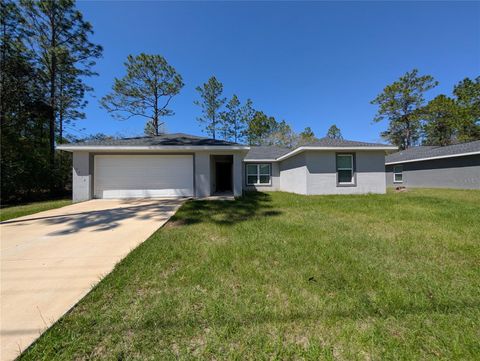
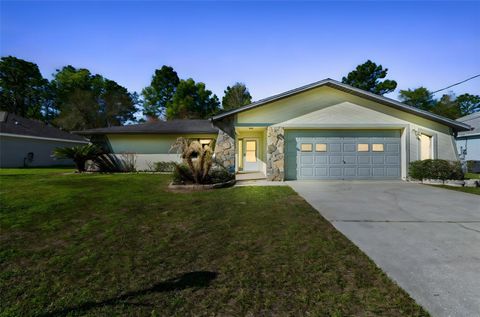
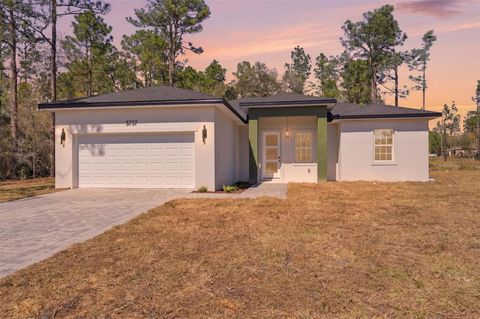
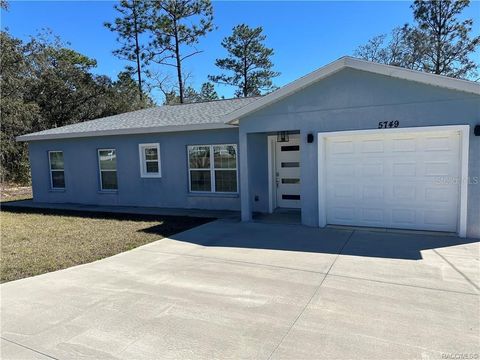
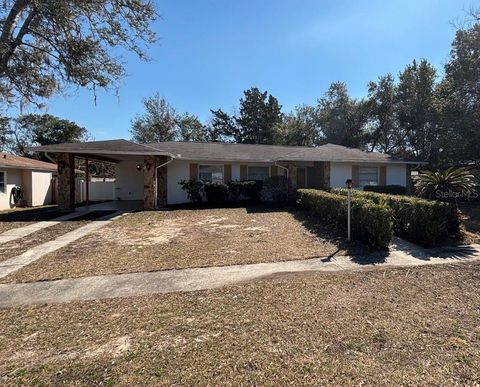
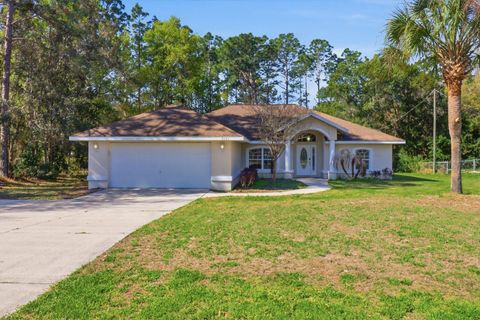
The homes in Citrus Springs range from original construction from the community’s initial development in the 1960s-1980s to newer homes built in the 2000s and 2010s on lots that were previously vacant. Lot sizes tend toward the larger end relative to other Citrus County planned communities, reflecting the more rural northern county character and the original lot configuration from the community’s platting.
The Deed-Restricted Community Structure
Citrus Springs’ deed restrictions govern property use and maintenance standards throughout the community, preserving the neighborhood’s character and protecting property values without requiring a monthly HOA assessment. The deed restrictions address issues like property maintenance, setbacks, use restrictions, and the preservation of community green spaces. This structure is maintained by the Citrus Springs property owners through deed restriction enforcement rather than through a formal HOA management company, creating a self-governing community character that many residents find preferable to the institutional oversight of a traditional HOA.
The community’s shared amenities, including the community center, park, library, and tennis courts, are maintained through the deed restriction framework. These amenities provide gathering spaces and recreational facilities that support community social life without the per-unit monthly fees that HOA-managed communities typically charge.
Rainbow River: Citrus Springs’ Nearby Crown Jewel
One of Citrus Springs’ most compelling location advantages is its proximity to the Rainbow River in Dunnellon, Marion County, approximately 10-15 miles to the east. Rainbow River is widely considered one of the most beautiful spring-fed rivers in Florida, with clarity, color, and flow that make it a legendary tubing, swimming, and kayaking destination. The river runs approximately 5.7 miles from its spring head at Rainbow Springs State Park to its confluence with the Withlacoochee River, and the entire run can be completed by tube or kayak in 2-3 hours of floating through extraordinary clear water over white sand bottom.
Rainbow Springs State Park, at the river’s headwaters, offers swimming in the main spring area (which consistently ranks among Florida’s most visited swimming destinations), kayak and tube rentals, a campground, and the Idlewild Lodge event facility. The park’s swimming area is a 10-15 minute drive from Citrus Springs, making it an easily accessible summer recreation destination for residents who want world-class spring swimming without a long drive.
For kayakers, the Rainbow River paddling experience is among the best in Florida. The crystal-clear water (visibility often exceeds 50-100 feet) reveals the river bottom in extraordinary detail, with spring vents visible as shimmering circles of sand and the river’s famous population of freshwater fish visible throughout the run. Native aquatic vegetation, turtles, manatees (seasonal), and birds complete the wildlife picture of one of Florida’s most spectacular natural environments.
Living in Citrus Springs: Daily Life and Access
Citrus Springs’ daily life is served by the commercial corridors of the Dunnellon area (Marion County, to the east) and the Inverness area (the Citrus County seat, to the south). The community itself is primarily residential, with limited commercial development within its borders. Grocery shopping, dining, and retail are accessible in Dunnellon (approximately 10-15 minutes) or in Inverness (approximately 20-25 minutes south).
Healthcare is accessible through Citrus Memorial Health System in Inverness and the more extensive medical resources of the Ocala metropolitan area (approximately 30-40 miles southeast). The proximity to Ocala, which has multiple hospitals and a wide range of specialty care providers, is a meaningful healthcare access advantage for Citrus Springs residents compared to more remote Citrus County communities.
Schools in Citrus Springs are part of Citrus County Public Schools, with the community served by schools in the northern county district. The school district’s overall performance has been solid, and for families choosing Citrus Springs, the school assignment and quality data available from the district should be reviewed as part of the community evaluation process.
Citrus Springs in the Context of Northern Citrus County
Buyers evaluating Citrus Springs often also look at the Dunnellon area across the county line in Marion County, which shares the Rainbow River access and offers a similar rural-residential character. The choice between Citrus Springs (Citrus County) and the Marion County alternatives is often driven by tax rates, school district preference, and specific property attributes rather than community character differences, as the two areas share a very similar lifestyle profile.
Within Citrus County, Citrus Springs offers the most affordable and most rural-residential option at the county’s northern end. Buyers seeking the planning of a deed-restricted community without HOA fees, proximity to Rainbow River, and Withlacoochee Trail access at the lowest possible price point will find Citrus Springs the strongest match among Citrus County communities.
Barrett Henry covers Citrus County including Citrus Springs. Get expert guidance on affordable community living near Rainbow River and the Withlacoochee State Trail. Call or email to start your search.
Citrus Springs is a deed-restricted residential community in northern Citrus County, FL with no HOA fees. It offers community amenities (community center, park, library, tennis courts), affordable home prices (median ~$278,000), proximity to Rainbow River, and access to the northern end of the Withlacoochee State Trail.
Are there HOA fees in Citrus Springs?
No. Citrus Springs is deed-restricted to maintain community standards, but there are no traditional HOA monthly fees. Community amenities and neighborhood standards are maintained through the deed restriction framework.
How close is Citrus Springs to Rainbow River?
Rainbow River in Dunnellon is approximately 10-15 miles east of Citrus Springs in Marion County. Rainbow Springs State Park and its swimming area are accessible within about a 15-20 minute drive.
What are home prices in Citrus Springs?
The median listing price in Citrus Springs was approximately $278,000 in December 2025. Homes are available under $200,000 at the lower end of the market, with a wide selection in the $200,000-$350,000 range.
Citrus Springs: Understanding the Community Structure
Citrus Springs is one of Florida’s more unusual residential communities: a large-scale planned residential development that operates without a traditional homeowners’ association fee structure, yet maintains community amenities and deed restrictions through a civic association model that has functioned since the community’s founding in the late 1960s and early 1970s. Understanding this structure is essential for buyers who are evaluating Citrus Springs against communities with more conventional HOA governance.
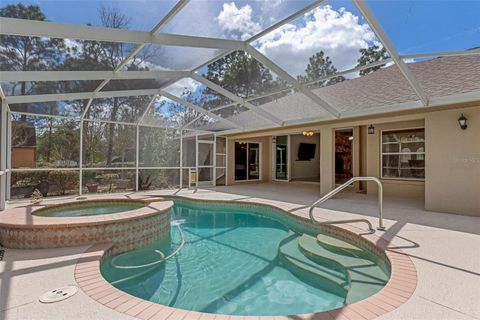
The Citrus Springs Civic Association (CSCA) serves as the entity legally authorized to enforce the deed restrictions that apply throughout the community’s 27 subdivision units. These restrictions were recorded in the Citrus County Public Records alongside the plats approved by the County during the community’s development period. The restrictions are specific and enforceable: only one single-family dwelling per lot, minimum one-car garage or carport under the main roof, height limits of two stories, and setback requirements of 25 feet front, the greater of 7.5 feet or 10% of lot width on the sides, and 25 feet to the rear lot line (with a 15-foot rear exception for pool enclosures).
Significantly, the civic association model at Citrus Springs operates without the mandatory assessment structure of a traditional HOA. There is no mandatory HOA fee that every property owner must pay, which represents a meaningful financial distinction from planned communities like Terra Vista at Citrus Hills or the various sub-associations within Sugarmill Woods. This structure reduces the ongoing cost of ownership relative to those communities, though it also means that the community’s amenities and common resources are supported through a different financial model that has evolved over the community’s history.
The Citrus Springs Civic Association maintains community amenities including parks, tennis courts, a baseball field, and community programming. The community’s library, while maintained by the civic association, serves the population’s reading and information needs without requiring a longer drive to the county library system. This self-sufficient civic infrastructure, maintained over decades without mandatory HOA fees, reflects a community culture of voluntarism and local investment that distinguishes Citrus Springs from communities with more top-down governance structures.
Citrus Springs Golf and Country Club: The Community’s Golf Amenity
The Citrus Springs Golf and Country Club provides the community with an 18-hole golf course that is among the more affordable and accessible layouts in Citrus County. The course is woven through the Citrus Springs landscape, creating the golf course views and fairway-adjacent lots that golf-oriented buyers seek without the premium pricing that characterizes golf community real estate in Sugarmill Woods or the Citrus Hills communities.
The course’s public and semi-private access structure makes it available to community residents and outside visitors alike, which supports the financial sustainability of the facility while keeping access affordable for Citrus Springs property owners who want to play regularly. Golf rates at Citrus Springs Golf and Country Club are competitive with other public and semi-private courses in Citrus County, making it accessible for both serious golfers who play multiple times weekly and casual players who want occasional round access near their home.
Homes adjacent to the Citrus Springs Golf and Country Club fairways and greens command modest premiums over comparable properties in non-golf-view locations, though the price differences are typically smaller than at the county’s more intensively golf-branded communities. For the buyer who values golf access without paying the substantial community premium of a Sugarmill Woods or Citrus Hills address, Citrus Springs offers a compelling proposition: functional golf infrastructure within walking or short-driving distance of the home, at overall price points that are among the most accessible in the county.
Citrus Springs Real Estate: Market Profile and Price Ranges
The Citrus Springs real estate market operates in one of the most accessible price ranges in Citrus County, reflecting the community’s inland location, its non-resort character, and the demographic mix of retirees, working families, and value-oriented buyers who make Citrus Springs their home. Understanding the market’s price structure and its drivers helps buyers set expectations and identify where in the market their priorities and budget align.
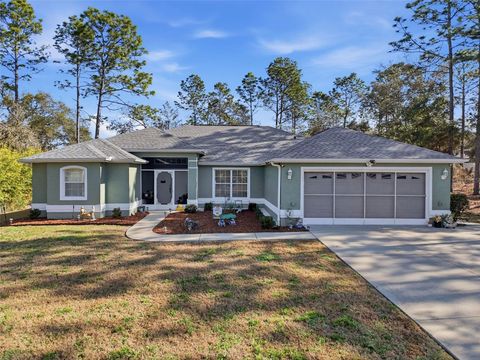
The entry level of the Citrus Springs market, for modest older homes on standard lots in need of updating, begins in the $150,000-$200,000 range, making the community accessible to first-time buyers and buyers transitioning from higher-cost markets who are looking for the maximum financial relief that a Nature Coast address provides. Well-maintained homes in the 1,400-1,800 square foot range, representing the core of the community’s resale inventory, are typically priced in the $210,000-$290,000 range. Renovated or updated properties with modern kitchens, updated baths, and current systems can reach $280,000-$360,000 for homes in the 1,600-2,200 square foot range that would command substantially higher prices in Citrus County’s coastal communities.
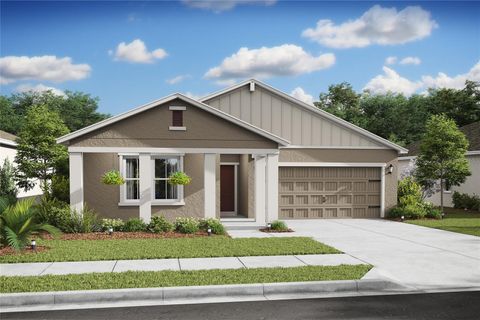
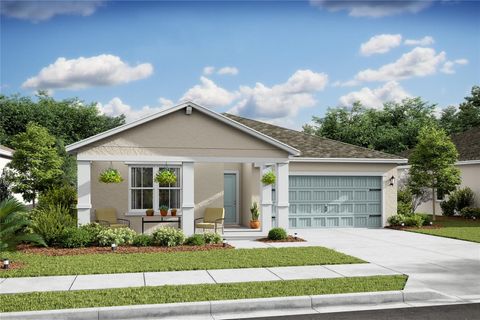
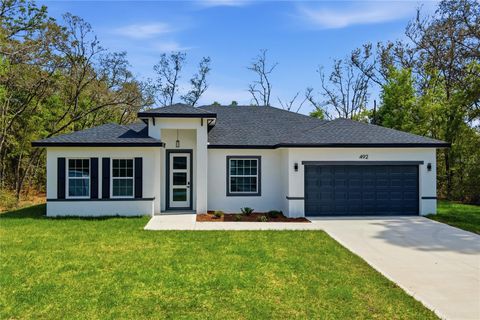
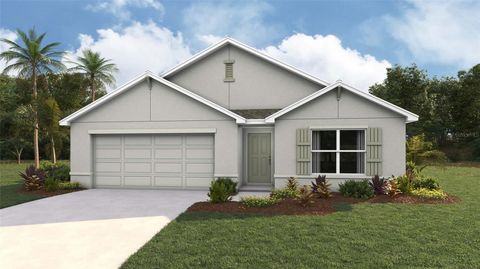
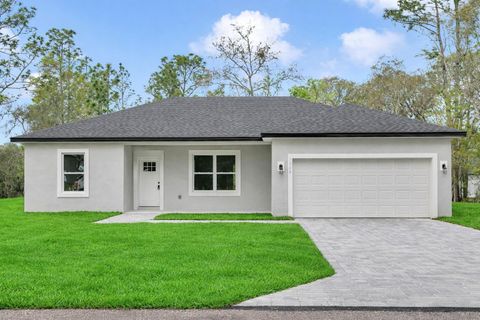
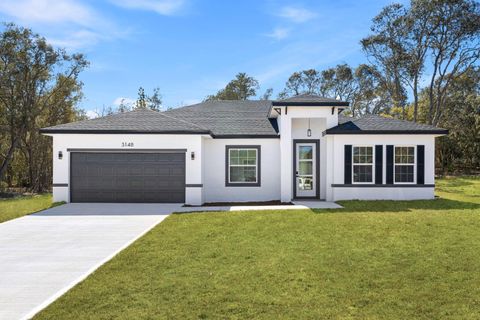
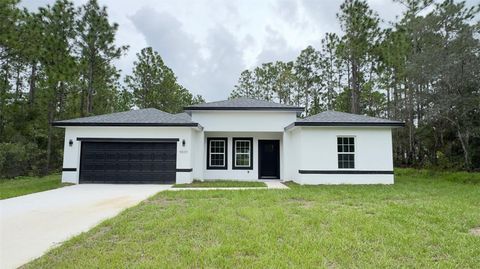
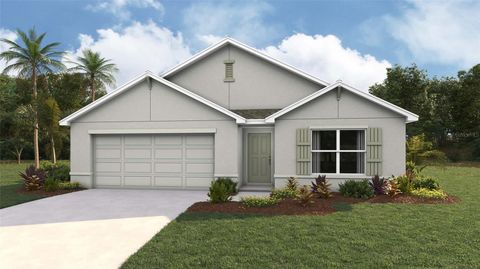
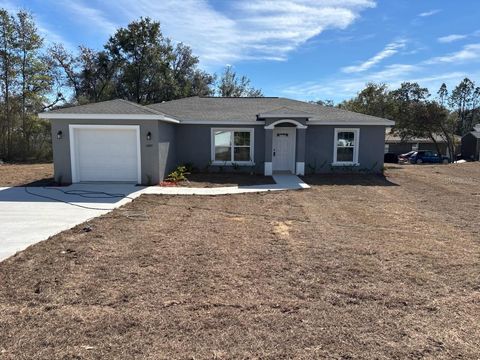
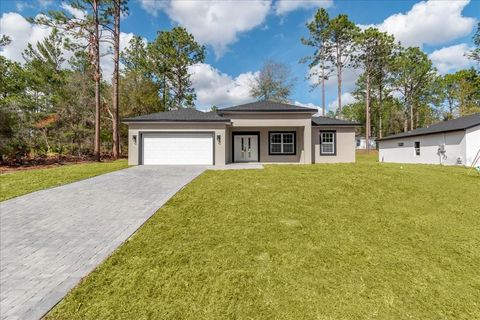
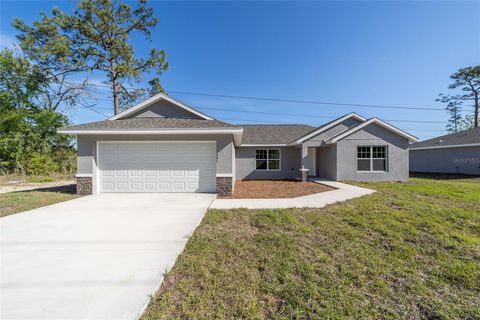
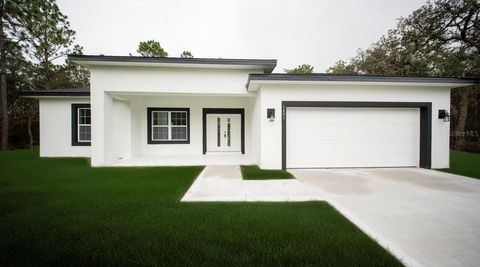
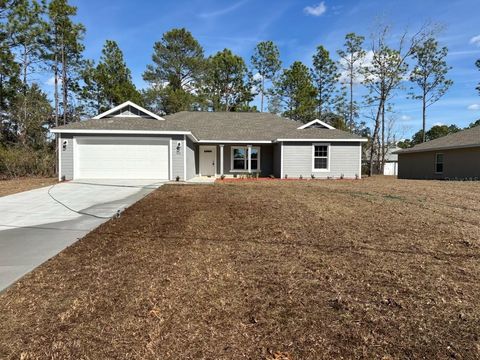
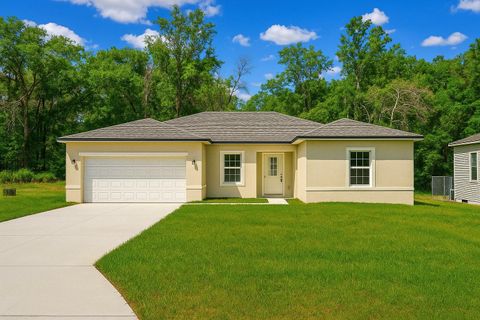
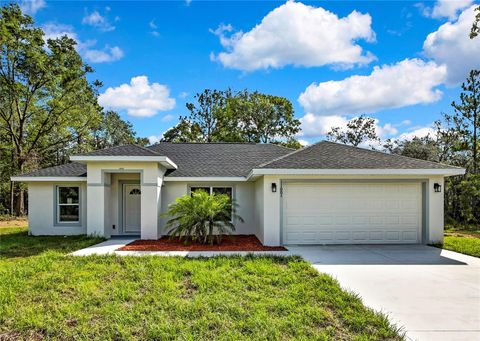
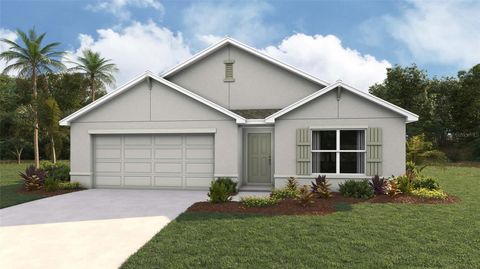
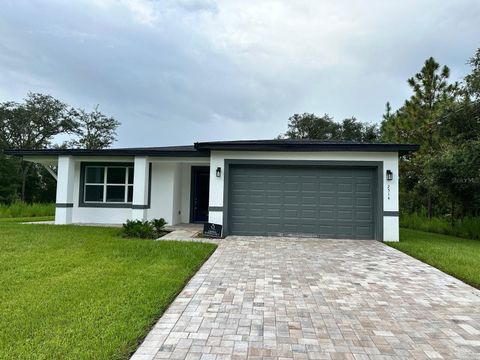
The new construction segment in Citrus Springs has been active in recent years, with Century Communities maintaining an active program that has brought current-generation floor plans and energy-efficient systems to the community. Century’s Citrus Springs offerings typically start in the mid-$200,000s for three-bedroom plans and rise to $300,000-$350,000 for larger homes with four bedrooms and upgraded finish packages. The availability of new construction at these price points is a meaningful advantage for buyers who strongly prefer new homes over resale but are working with a budget that the county’s coastal and golf community markets can’t accommodate.
The median home price in Citrus Springs as of late 2025 was approximately $278,000, with the market described as marginally below the national average for affordability. Days on market for well-priced properties have been manageable, reflecting a buyer pool that is active but deliberate rather than urgency-driven. Buyers in Citrus Springs typically have time for proper due diligence, negotiation, and thoughtful decision-making, which is an advantage in a market where the long-term satisfaction of the purchase depends on understanding the property’s condition, location, and fit with the buyer’s lifestyle.
The Withlacoochee State Trail: Citrus Springs’ Linear Park
One of Citrus Springs’ most distinctive assets is its position at the northern terminus of the Withlacoochee State Trail, a 46-mile paved rail-trail that represents one of Florida’s finest off-road linear parks. The trail follows the historic railroad corridor that once connected the Nature Coast to central Florida, winding through a landscape of pine flatwoods, oak hammocks, riverine corridors, and small-town downtowns across three counties before reaching its southern terminus near Dade City in Pasco County.
The trail’s paved surface and generally flat gradient make it accessible to cyclists across a wide range of fitness levels, from recreational family riders to serious cyclists who use the corridor for training. Walkers, joggers, skaters, and recumbent cyclists all share the trail regularly, creating a community of outdoor users who regard the Withlacoochee State Trail as a central feature of the Nature Coast outdoor lifestyle. The trail passes through or near the towns of Inverness, Floral City, Nobleton, and Brooksville before reaching Dade City, providing access to a series of communities along its length that offer food, water, and rest stops for long-distance users.
For Citrus Springs residents, the trail’s northern terminus means that the full 46-mile corridor begins essentially at their doorstep. Day rides from Citrus Springs to Inverness (approximately 15 miles south) are a popular local recreation option, with Inverness’s downtown commercial district and lakeside setting providing a natural destination and turn-around point. Longer rides southward into Hernando County and beyond are possible for more ambitious cyclists. The trail’s connection to Citrus Springs is a genuine lifestyle differentiator that outdoor recreation-oriented buyers consistently cite as a factor in their decision to purchase in the community.
Nature Coast Access from Citrus Springs: Springs, Rivers, and Wildlife
Citrus Springs occupies a strategic inland position that places it within easy reach of multiple Nature Coast water systems and natural areas. While the community lacks the direct water access of Crystal River or Homosassa, the 20-25 minute drive to each of those communities’ spring systems makes the springs a fully accessible part of the Citrus Springs lifestyle for residents who want to incorporate water recreation into their regular routine.
Rainbow River in Dunnellon, one of the most spectacularly clear spring rivers in Florida, is approximately 20-25 miles southeast of Citrus Springs. The river’s 72-degree water, extraordinary clarity, abundant aquatic vegetation, and managed public access through Rainbow Springs State Park make it a first-choice destination for tubing, kayaking, swimming, and snorkeling. The summer tradition of floating the Rainbow River is one of the classic Florida outdoor experiences, and its accessibility from Citrus Springs makes it a routine rather than an expedition.
Crystal River’s spring system, including Three Sisters Springs within the Crystal River National Wildlife Refuge, is approximately 20 miles west of Citrus Springs. The opportunity to kayak or swim with wild manatees in the warm spring water is one of the most distinctive wildlife experiences available anywhere in the United States, and its proximity to Citrus Springs is an advantage that the community shares with all of Citrus County but that inland buyers from other parts of Florida often don’t realize until they research the Nature Coast specifically.
The Withlacoochee River, which flows near Citrus Springs and through adjacent Floral City to the south, provides a paddling resource close to home. Canoe and kayak access points along the river allow Citrus Springs residents to explore a river that winds through old-growth cypress stands, past sandbars populated by turtles and herons, and through a landscape that feels genuinely remote despite its proximity to populated areas. The river fishing is productive for bass, bluegill, and catfish, and the wildlife watching along the river corridor is consistently rewarding for birds, mammals, and reptiles.
Living in Citrus Springs: Daily Life and Community Character
The daily life experience in Citrus Springs reflects a community that has developed organically over five decades, creating a residential character that values the quiet enjoyment of the Florida landscape over the organized amenity intensity of the county’s resort-style communities. Residents who choose Citrus Springs consistently cite the combination of affordability, space, natural access, and genuine community character as the factors that make the community work for their lifestyle.
Morning routines in Citrus Springs for active residents might begin with a bicycle ride on the Withlacoochee State Trail, a game of tennis on the community courts, or a round at the Citrus Springs Golf and Country Club before the Florida heat reaches its afternoon peak. Shopping and service access in Citrus Springs is supported by the commercial development along CR-39 (Citrus Springs Boulevard) and the nearby US-19 corridor, with grocery options, medical offices, pharmacies, and restaurants available within the community’s commercial areas. For larger retail needs, the Crystal River commercial district approximately 20 miles west and the Inverness commercial area approximately 15 miles east provide full-service access without excessive driving.
The community’s demographic mix leans toward retirement age, reflecting the broader pattern of Citrus County communities, but Citrus Springs has a meaningful population of working-age residents, particularly families with children who are attracted by the community’s affordable price points, good school access, and quality of life. The presence of multiple generations within the community creates a more dynamic social environment than a purely retirement-oriented community, with youth sports, school events, and family-oriented community programming supplementing the activity calendar of the civic association and golf club.
The Citrus Springs community culture is informal, neighborly, and unpretentious in character, reflecting the community’s origins as a family-built master-planned development that attracted a broad cross-section of Americans looking for affordable Florida living rather than a luxury resort experience. Neighbors know each other, the community’s common areas are used and appreciated, and the civic association’s volunteer-driven model of community maintenance reflects genuine community investment rather than the contractual relationship of a professional HOA management company. For buyers who value authentic community character alongside practical affordability and nature access, Citrus Springs offers a compelling case that is often overlooked by buyers focused on the county’s more prominently marketed communities.
Citrus Springs and Nearby Communities: How It Compares
Buyers who are drawn to Citrus Springs’ affordability and community character typically compare it against Beverly Hills to the immediate south, Inverness to the southeast, and the broader unincorporated areas of Citrus County. Each comparison highlights different trade-offs that buyers should evaluate.
Against Beverly Hills and Pine Ridge Estates, Citrus Springs offers comparable affordability and similar community character but with different amenity emphases. Pine Ridge’s equestrian infrastructure and larger one-acre-plus lot minimums attract buyers who specifically want horses or walking trails from their property. Citrus Springs’ Withlacoochee State Trail access and golf course are different amenity assets that appeal to cyclists and golfers who don’t prioritize equestrian access. The lack of mandatory HOA fees in Citrus Springs is a financial advantage over Pine Ridge’s association structure for buyers who are cost-conscious about ongoing ownership expenses.
Against Inverness, Citrus Springs offers lower average price points and a more rural residential character versus Inverness’s small-town downtown setting and lakeside amenities. Inverness buyers value the walkable historic downtown, the lake recreation on Tsala Apopka Chain of Lakes, and the county government services proximity. Citrus Springs buyers typically prioritize the trail access, the golf community, and the somewhat lower price ceiling relative to Inverness’s lake-view premium properties.
For buyers who want the most comprehensive planned community experience in Citrus County with resort-quality amenities, Citrus Hills and Sugarmill Woods are the right comparisons, though at price points well above Citrus Springs. Citrus Springs makes the most sense for buyers who prioritize value, space, nature access, and authentic community character over resort amenities and the social programming of organized planned communities.
Selling Your Citrus Springs Home
Sellers in Citrus Springs operate in a market where accurate pricing and honest property presentation drive successful outcomes. The community’s buyer pool is typically well-researched and value-conscious, meaning that overpriced properties sit while accurately priced homes in good condition move within a reasonable timeframe.
The most important factors in a Citrus Springs sale are the home’s systems condition (roof age and condition, HVAC system age and service history, plumbing and electrical status), the property’s overall presentation and cleanliness, and the accuracy of the pricing relative to recent comparable sales in the specific neighborhood. Because Citrus Springs encompasses a wide range of property ages, sizes, and conditions, the comparable sale analysis for any given property requires careful selection of truly comparable homes rather than a simple radius-based search.
Buyers in Citrus Springs are typically attentive to well and septic condition, as virtually all properties in the community are on private well and septic service. Sellers who can document recent well water testing results, septic pumping history, and any system inspections accelerate the due diligence process and demonstrate the kind of maintenance consciousness that buyers value. Homes where sellers have invested in proper system maintenance consistently achieve stronger prices and smoother transactions than comparable homes where system condition is uncertain.
Barrett Henry provides full-service listing representation for Citrus Springs sellers, including market analysis, professional photography, MLS exposure, and skilled negotiation through closing. Contact Barrett at (813) 733-7907 or [email protected] to discuss your Citrus Springs property’s market position and the best strategy for achieving your sale objectives.
New Construction in Citrus Springs: Century Communities and the Active Builder Market
The new construction market in Citrus Springs is anchored by Century Communities, which has maintained an active building program in the community that brings current-generation floor plans and energy-efficient construction to one of Citrus County’s most affordable markets. Century’s program in Citrus Springs is particularly relevant for buyers who are firm in their preference for new construction over resale but find the new construction pricing in the county’s more prominent planned communities (Citrus Hills, Sugarmill Woods) beyond their budget.
Century Communities’ Citrus Springs offerings typically feature three and four-bedroom plans ranging from approximately 1,500 to 2,400 square feet, with starting prices in the mid-$200,000s for base plans on standard lots and rising with bedroom count, square footage, and the finish package upgrades that bring the home closer to the buyer’s vision. The floor plans feature the open-concept kitchen and living area integration that current home buyers expect, with the primary bedroom suite separated from secondary bedrooms for privacy, and the practical storage and garage configuration that daily life requires.
The energy efficiency standards built into current Florida residential construction code produce genuinely lower utility bills than homes built in the 1980s and 1990s that dominate the Citrus Springs resale market. The combination of better insulation, Low-E window glass, high-SEER HVAC systems, and tighter building envelopes means that a new Century home in Citrus Springs typically runs measurably less to cool and heat than an older resale of similar size. For buyers who plan to live in their Citrus Springs home for many years, these operational savings compound meaningfully over time and partially offset the premium over resale that new construction typically carries.
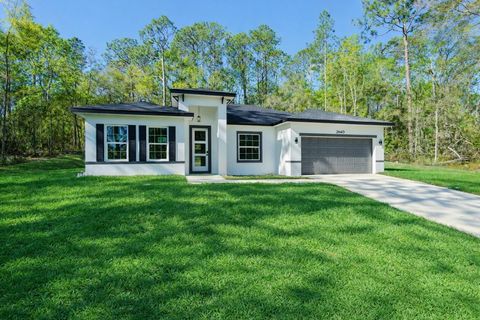
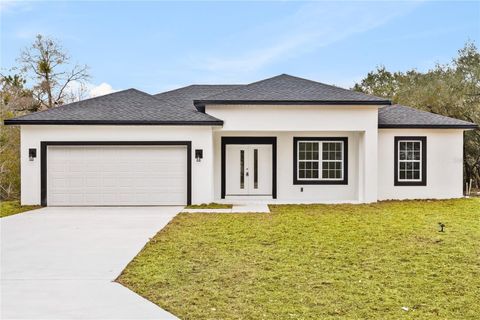
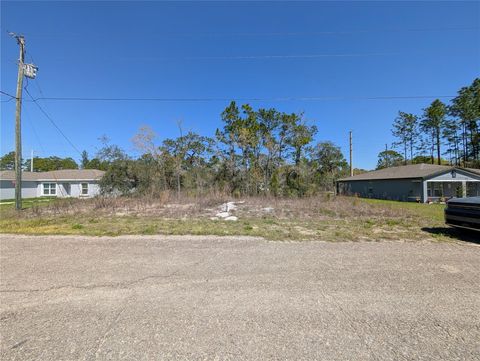
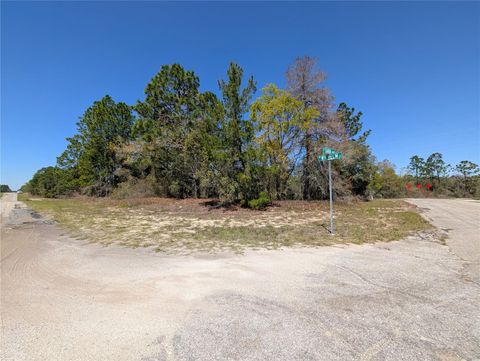
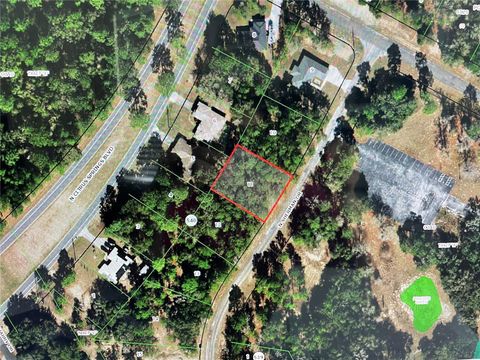
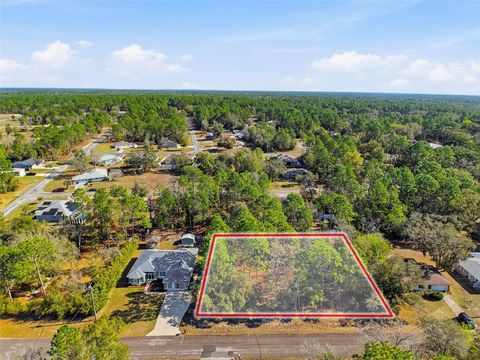
Beyond Century Communities, custom and semi-custom home construction on purchased lots remains active throughout Citrus Springs. The availability of vacant lots at affordable price points relative to the county’s more developed communities creates opportunity for buyers who want a custom home tailored to their specific requirements. Working with a builder experienced in Citrus County permitting and the Citrus Springs civic association’s deed restriction requirements is important for a smooth custom construction process. Barrett Henry can connect buyers with active, reputable builders in the Citrus Springs market.
Citrus Springs and the Withlacoochee State Forest
The Withlacoochee State Forest, the second largest state forest in Florida at over 157,000 acres, forms the eastern and southern boundary of the broader Citrus Springs area and provides residents with access to one of Florida’s most significant public land resources. The forest’s multiple management areas, scattered across Citrus, Hernando, Pasco, and Sumter counties, protect a landscape of pine flatwoods, sand pine scrub, and hardwood hammocks along the Withlacoochee River corridor that supports exceptional wildlife diversity and offers a remarkable range of outdoor recreation opportunities.
The Citrus Tract of the Withlacoochee State Forest, the portion most accessible from Citrus Springs, includes hiking trails, equestrian trails, primitive camping areas, and hunting zones managed for sustainable wildlife harvest. The forest’s trail network connects with the Withlacoochee State Trail at multiple points, creating a combined hiking and cycling resource that allows outdoor enthusiasts to explore both paved trail and off-road terrain from a single outing. Mountain biking within the forest’s off-road trail sections attracts a dedicated user community, and the trail quality within the Withlacoochee State Forest is consistently rated among the better mountain biking terrain accessible from any Citrus County community.
Wildlife within the Withlacoochee State Forest provides exceptional viewing opportunities for residents who approach the forest quietly and at appropriate times. The forest supports populations of white-tailed deer, wild turkey, black bear, fox squirrel, gopher tortoise, Florida scrub-jay, red-cockaded woodpecker, and numerous other species that reflect the forest’s ecological integrity as one of the larger intact natural areas in the central Florida region. Early morning and late afternoon excursions into the forest edge nearest to Citrus Springs consistently reward wildlife watchers with sightings that would be exceptional in most other parts of the state.
Citrus Springs Schools and Family Resources
Citrus Springs students are served by the Citrus County School District, which assigns students to schools based on geographic attendance zones within the county. The Citrus Springs area generally feeds into the school district’s northern county elementary and middle schools before consolidating at Citrus High School in Lecanto for secondary education. Citrus High School’s comprehensive program, including AP courses, career and technical education, arts, and full athletics, provides Citrus Springs students with a strong foundation for post-secondary opportunities.
The College of Central Florida’s Citrus Campus in Lecanto is approximately 15-18 miles southeast of Citrus Springs, an accessible commute for students who want community college education without relocating. The campus’s range of associate degrees, professional certifications, and transfer pathways serves the Citrus Springs population well, providing local post-secondary options that reduce the cost and disruption of higher education for students who don’t need or want to leave the community immediately after high school.
The Citrus Springs Civic Association maintains a community library that serves the immediate Citrus Springs population, supplemented by the Citrus County Library System’s main facilities in Inverness and Crystal River. The community library provides reading resources, computer access, and programming for community residents without requiring the longer drive to the county’s main library branches, a practical convenience that reflects the Citrus Springs civic association’s commitment to providing complete community resources within the community’s boundaries.
Buying Your Citrus Springs Home: The Process
The Citrus Springs purchase process combines the standard Florida residential real estate transaction with community-specific considerations that buyers should understand before beginning their search. Well-prepared buyers move through the process more efficiently and with greater confidence in their decisions.
Understanding the deed restrictions before identifying a property of interest is strongly recommended. The Citrus Springs Civic Association’s deed restrictions affect what can be built, how properties can be used, and what improvements require civic association approval. Reviewing these restrictions early prevents the disappointment of identifying a property you love only to discover that your planned use is prohibited. Restrictions covering the number and type of accessory structures, vehicle storage, commercial activities, and property appearance standards are the most commonly encountered constraints that buyers need to evaluate against their intended use.
Well and septic due diligence is non-negotiable in Citrus Springs, as virtually all properties are served by private well and septic systems. A licensed Florida well inspector should test water quality for bacteria, nitrates, sulfur, hardness, and any other contaminants relevant to the property’s location. A licensed septic inspector should evaluate the tank condition, pump out the tank if not recently serviced, and inspect the drain field for proper function. These inspections are modest in cost relative to the protection they provide against discovering significant system problems after closing.
The Citrus County Property Appraiser’s GIS mapping system provides flood zone designation information for specific parcels, which is important for determining whether flood insurance will be required or recommended. While many Citrus Springs properties are in X zones with minimal flood risk, properties near drainage features or lower-elevation areas may carry flood zone designations that affect insurance requirements and costs. Confirming the flood zone status of any property before making an offer prevents insurance cost surprises.
Barrett Henry guides Citrus Springs buyers through every step of this process, from initial property evaluation and offer strategy through inspection coordination, civic association document review, and closing. With specific knowledge of the Citrus Springs market and Citrus County more broadly, Barrett provides the informed counsel that helps buyers make confident decisions. Reach Barrett at (813) 733-7907 or [email protected].
Citrus Springs Investment and Long-Term Value
Buyers who approach Citrus Springs as a long-term investment, rather than purely a lifestyle purchase, should understand the factors that support and constrain the community’s long-term appreciation. The investment case for Citrus Springs rests on several durable structural characteristics, while some factors create reasonable limits on appreciation relative to the county’s waterfront and planned community markets.
The structural support for Citrus Springs values includes the community’s deed restriction framework, which limits the kind of deterioration that can occur in unrestricted residential areas and maintains minimum standards for property appearance and use. The active civic association, the continued new construction from national builders who have evaluated the market and committed to active programs, and the community’s physical infrastructure (community center, golf course, tennis courts, library, parks) all represent ongoing investment in the community’s quality that supports property values.
The primary constraint on Citrus Springs appreciation relative to the county’s coastal and waterfront markets is the community’s inland position and the absence of water access. Florida real estate appreciation historically concentrates in water-adjacent properties — Gulf-front, river-front, and spring-system properties — and inland communities without direct water access appreciate more modestly over time. Citrus Springs buyers who understand this dynamic can calibrate their expectations appropriately: solid, steady appreciation in a market that provides an excellent quality of life at affordable price points, rather than the dramatic appreciation cycles that characterize the coastal markets. For buyers who prioritize stable value and affordable lifestyle over the highest possible appreciation, Citrus Springs delivers consistently.
The ongoing new construction activity in Citrus Springs is simultaneously a positive indicator of market confidence and a constraint on appreciation for existing resale properties, as new construction sets a price ceiling that resale homes must compete against. Buyers who purchase well-maintained resale homes at appropriate prices can build equity steadily; buyers who pay new-construction premiums for resale properties may find appreciation limited by the availability of new alternatives at comparable price points.
Start Your Citrus Springs Search Today
Citrus Springs offers the Nature Coast lifestyle at an entry point that remains genuinely accessible in an increasingly expensive Florida real estate market. The combination of deed-restricted community structure without mandatory HOA fees, the Withlacoochee State Trail at the doorstep, an 18-hole golf course, active new construction from national builders, and proximity to the county’s spring systems and natural areas creates a lifestyle value proposition that serious Nature Coast buyers should evaluate on its merits rather than overlooking in favor of the county’s more prominently marketed alternatives.
Barrett Henry at (813) 733-7907 or [email protected] helps buyers and sellers navigate the Citrus Springs market with specific knowledge that comes from working across all of Citrus County’s diverse communities. The right Citrus Springs property at the right price, properly evaluated and negotiated, is one of Florida’s better quality-of-life values. For a complete picture of Citrus County, visit the Citrus County real estate guide.