
Anna Maria is the northernmost city on Anna Maria Island, sitting at the northern tip of the barrier island where the Gulf of Mexico meets Tampa Bay. It is the smallest and most residential of the island’s three cities, with a character defined by Pine Avenue — a pedestrian-oriented main street lined with independent shops, cafes, and restaurants — and a strong sense of community that makes it feel distinct from the more tourist-oriented sections of the island to its south.
The median home price in Anna Maria is approximately $2.79 million as of early 2026, down roughly 5 percent from January 2025 and 7.2 percent from peak. Price per square foot is approximately $1,235. This is a luxury market with luxury expectations — but it also has genuine short-term rental income potential that makes the economics more accessible than the sticker price suggests for investor-buyers.
Barrett Henry covers the full Manatee County market including the barrier island communities. Anna Maria Island is not a market where you learn the dynamics from a website — it requires knowing the flood zone specifics of individual streets, the STR licensing landscape, and the building and renovation constraints that apply in a coastal high-hazard area. This guide provides the essential context for anyone evaluating Anna Maria real estate seriously.
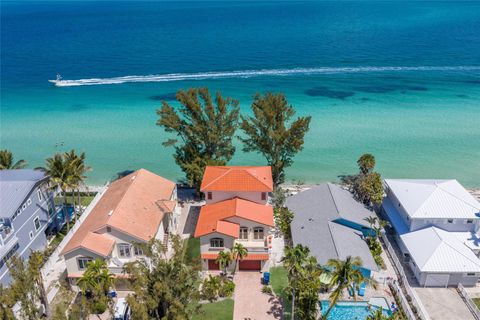

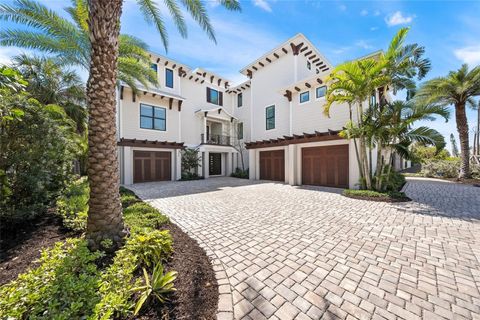
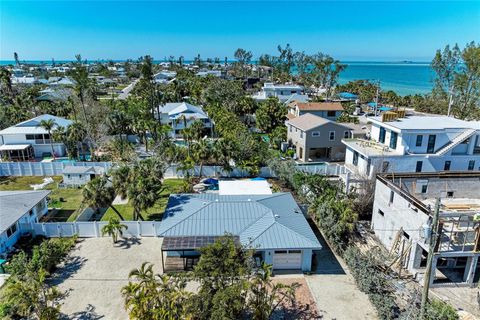
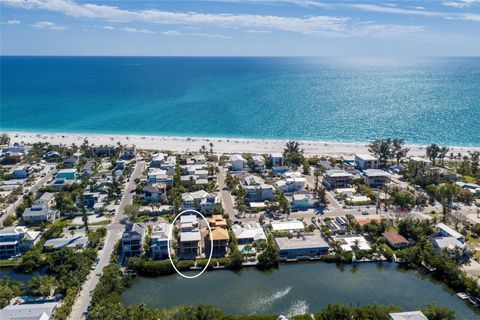
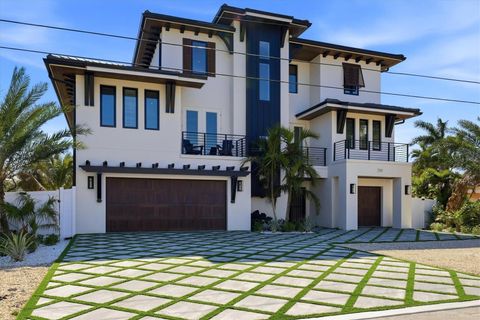
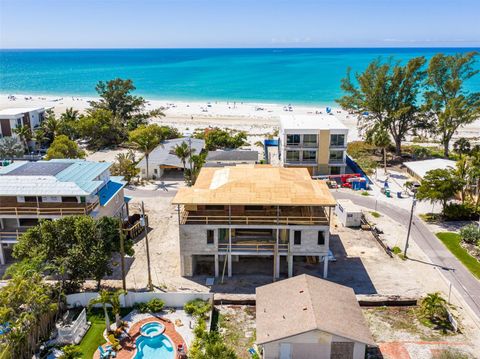
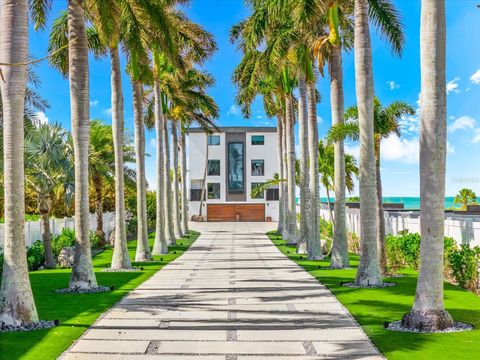
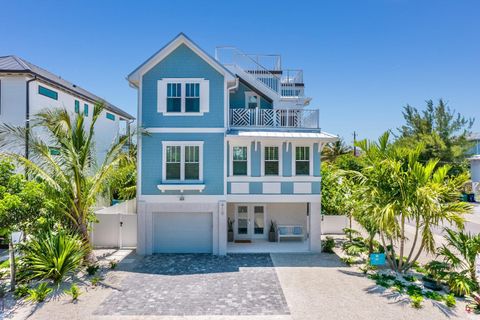
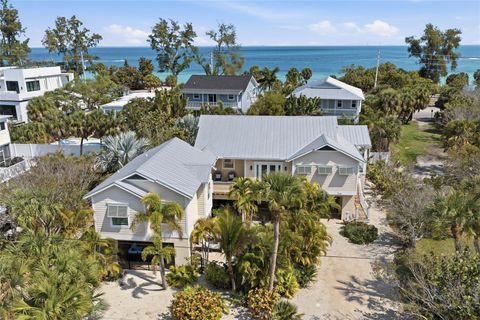
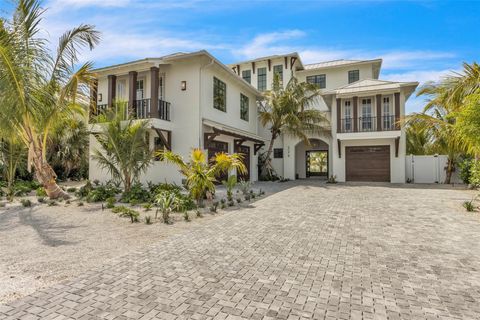
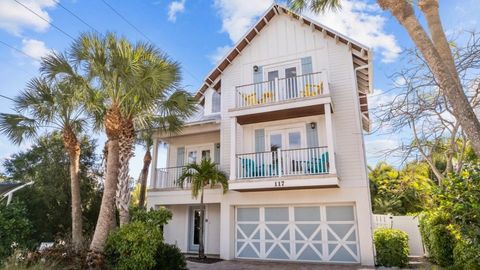
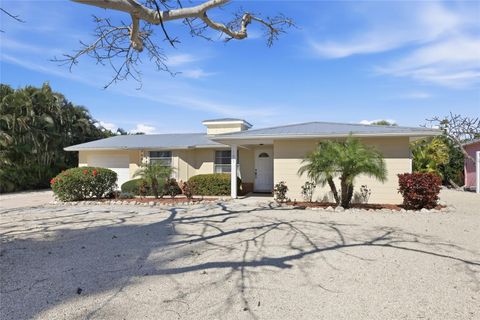
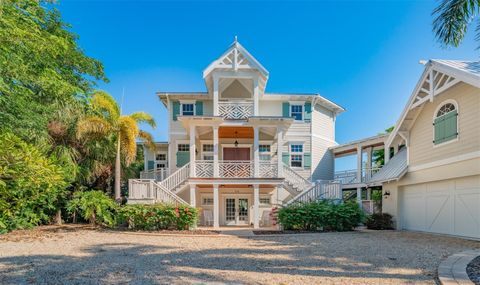
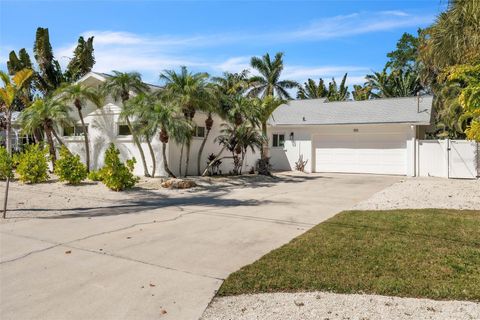
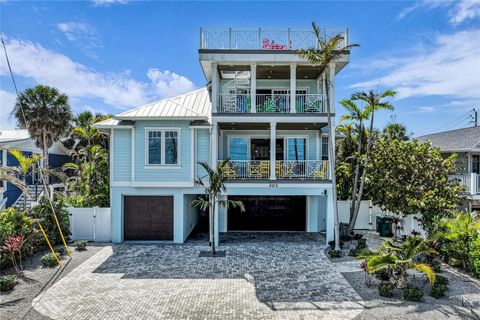
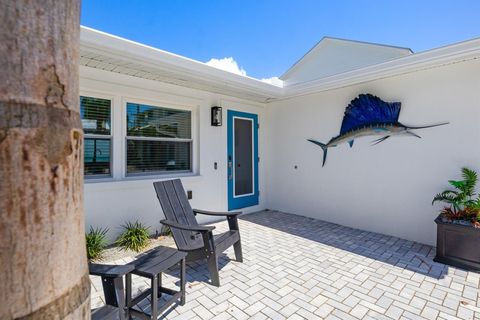
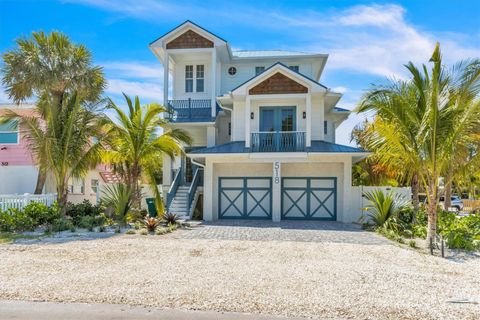
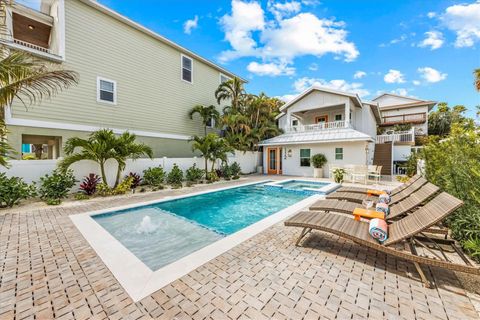
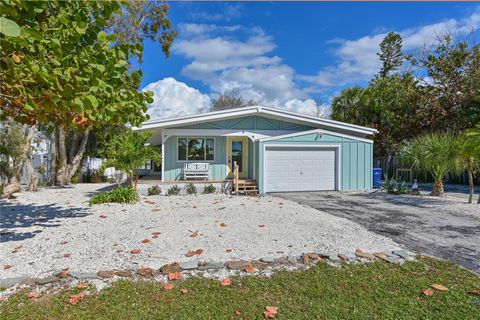
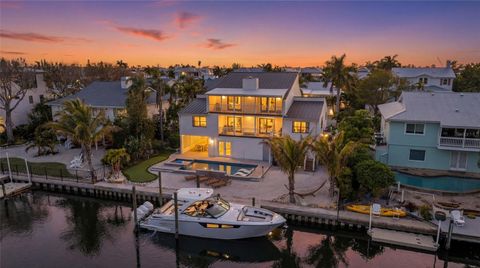
Recently Sold Homes in Anna Maria
See what homes recently sold for in Anna Maria to understand current market values.
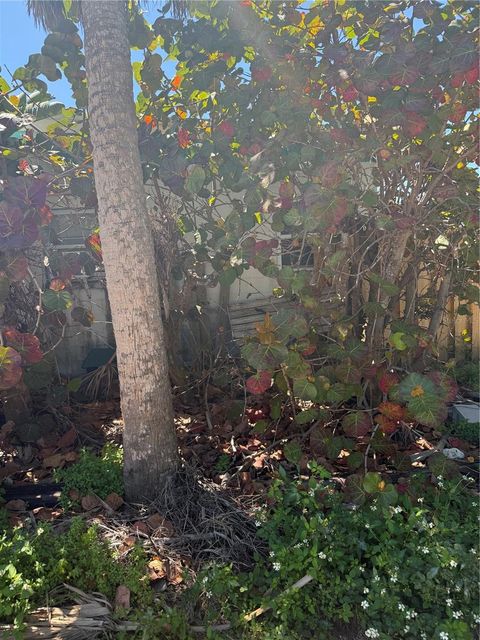

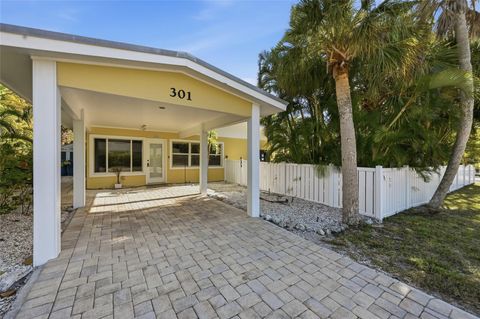
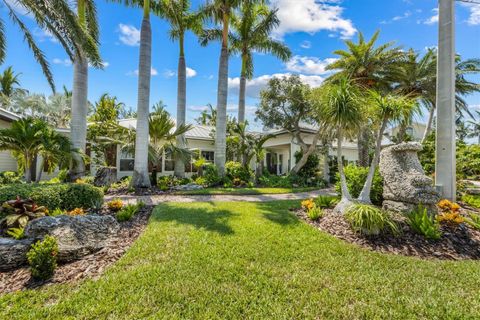
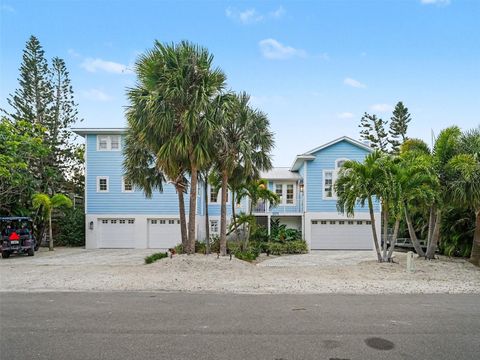
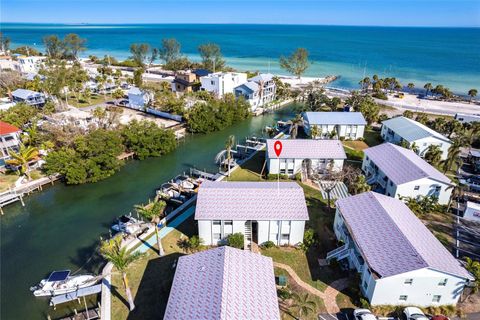
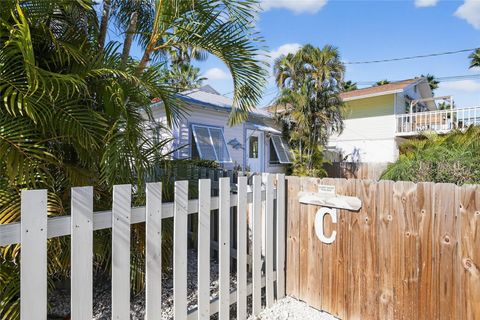
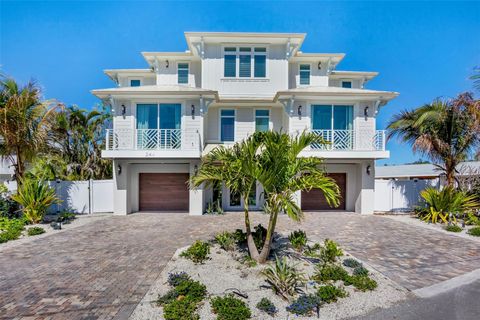
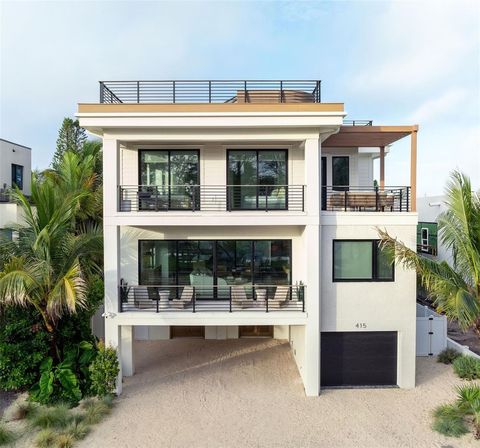
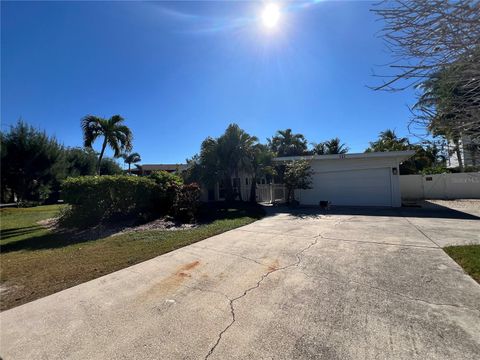
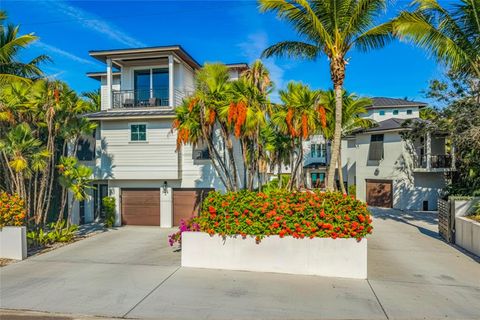
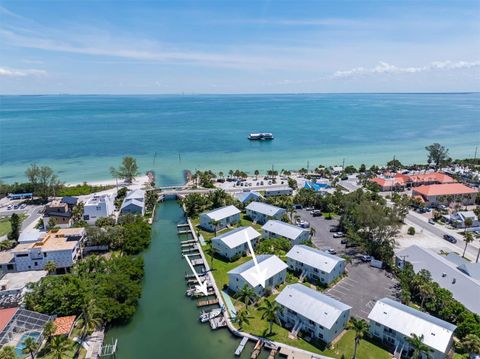
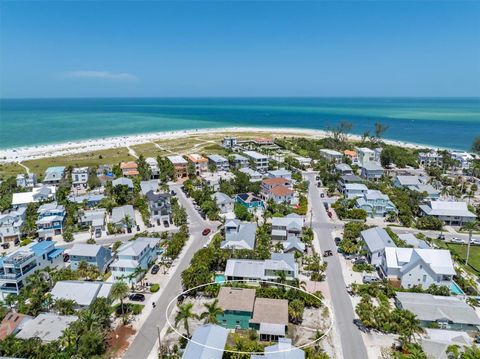

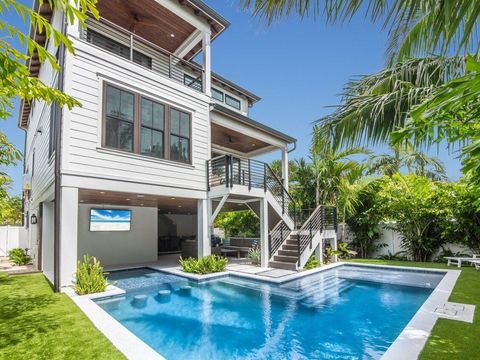
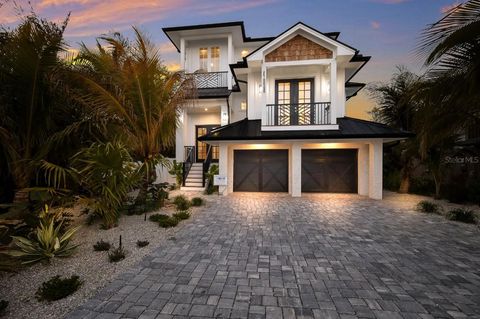
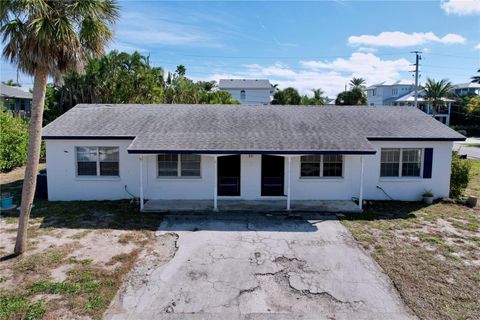
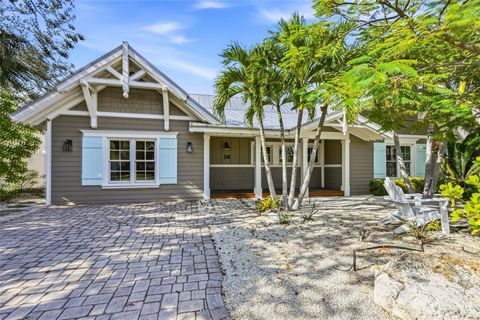
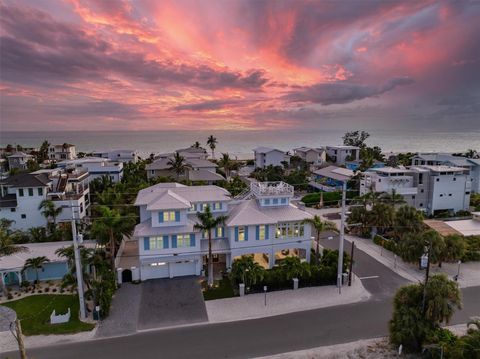
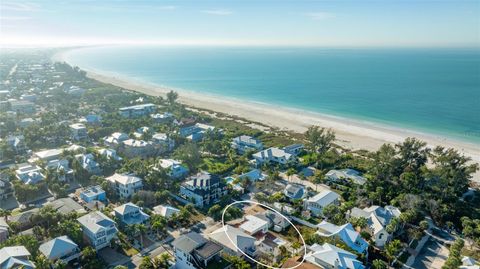
Anna Maria FL Real Estate Market Overview (2026)
The Anna Maria market in early 2026 is showing a correction from the peak values of 2022 through 2023. With the average home value down 7.2 percent year-over-year and the median down from prior peak levels, buyers are finding conditions more favorable than at any point in recent years. Days on market have extended, and sellers are more willing to negotiate than during the frenzy of the pandemic-era market.
The market here divides into two primary buyer motivations: lifestyle buyers who want Anna Maria as a primary residence or vacation home for their own use, and investor buyers who are purchasing primarily for short-term rental income. The two buyer types have different evaluation frameworks.
For lifestyle buyers, the evaluation centers on property condition, flood zone, Gulf or bay access, proximity to Pine Avenue, and the long-term livability of the specific street and neighborhood. For investor buyers, the STR income history, occupancy rates, rental management structure, and return on invested capital are the primary metrics. Many purchases represent a hybrid of both motivations — owners who use the property for their own enjoyment for a portion of the year and rent it out for income the rest of the time.
The price correction of 2024 through 2025 has been more significant in Anna Maria than on some other parts of the island. The city’s median sale price was approximately $1,750,000 in early 2026, down about 12.5 percent year-over-year for that specific period, though the longer-term average home value still sits near $2.15 million. This creates genuine opportunity for buyers who have been priced out of the Anna Maria market in prior years — the window for negotiated deals exists in a way it did not during 2021 and 2022.
Anna Maria Island History
The first permanent resident on Anna Maria Island was George Emerson Bean, who settled at the northern tip of the island with his family in 1892. George Bean was the first developer of Anna Maria Island, and the Bean family recognized the island’s potential as a destination for wealthy visitors from the north. George Bean built the City Pier in 1911 specifically to allow steamers filled with tourists to dock, establishing Anna Maria’s earliest tourism infrastructure.
Bean Point — the northernmost point of the island — takes its name from George Emerson Bean, whose family was instrumental in the island’s early development. The city itself was platted and incorporated as the City of Anna Maria in 1922. The island remained a quiet, relatively isolated fishing and vacation community through much of the 20th century, accessible only by ferry until the first bridge to the mainland was completed.
The completion of the Manatee Avenue causeway bridge transformed the island’s accessibility and accelerated its development as a residential and tourism destination. The preservation of a Old Florida character that the island has maintained despite its popularity is a product of both deliberate community choices — limiting commercial development, maintaining scale restrictions on new construction — and the natural physical constraints of a narrow barrier island with limited buildable area.
The 2024 hurricane season — specifically Hurricane Helene and Hurricane Milton — reinforced the storm surge vulnerability of the barrier island communities. Anna Maria city experienced significant impact and is still navigating recovery and rebuilding as of early 2026. This real-world demonstration of the island’s coastal exposure has become an important part of the market conversation for buyers evaluating the long-term risks of island ownership.
Bean Point: Anna Maria’s Most Exclusive Address
Bean Point is the northernmost point of Anna Maria Island — a small collection of Gulf-front and bay-front homes at the tip of the island where the Gulf of Mexico meets Tampa Bay. This is one of the most distinctive residential addresses in all of Florida’s Gulf Coast: a quiet, private beach with sweeping views in three directions, direct Gulf access without the crowds of Manatee Beach or Coquina Beach to the south, and proximity to Pine Avenue’s walkable amenities just a short walk away.
Homes at Bean Point are primarily large elevated single-family structures on Gulf-front or bay-front lots. Prices at the northernmost tip of the island represent some of the highest on Anna Maria Island, with direct Gulf-front homes regularly exceeding $3.5 million to $5 million for well-positioned properties with adequate elevation and modern construction. The extraordinary views — sunsets over the Gulf to the west, Tampa Bay and the Sunshine Skyway to the north, and the island stretching south — create a setting that is genuinely irreplaceable.
The beach at Bean Point is one of the few semi-private beach experiences on an island known for its accessible public beaches. There are no amenities — no concessions, no lifeguards, no restrooms — but the lack of facilities is also why it retains its quiet, uncrowded character. Anna Maria residents routinely cite Bean Point as their favorite beach destination on their own island, which tells you something about its quality relative to the more developed public beaches to the south.
Flood Risk on Anna Maria Island
The entire City of Anna Maria falls within the 100-year floodplain — it is entirely within a Special Flood Hazard Area (SFHA) with coastal high-hazard area designations for many properties. This is not a risk that can be avoided by choosing a specific neighborhood; it is a market-wide characteristic that every buyer must understand and price into their acquisition decision.
Flood insurance under the National Flood Insurance Program (NFIP) is required for all mortgaged properties in the Special Flood Hazard Area. The annual cost of flood insurance varies significantly based on the property’s elevation relative to the Base Flood Elevation, the age of construction, and the building’s specific design. Elevated newer construction generally carries lower flood insurance premiums than older ground-level structures. This is one reason why newly constructed elevated homes command significant premiums over comparable lot-level older structures — the flood insurance savings over decades of ownership can be substantial.
FEMA’s Elevate Florida program provides grants and low-interest loans for property elevation, with FEMA covering up to 75 percent of elevation costs. Costs for elevation work typically run $20,000 to $100,000-plus depending on the structure type and the amount of elevation required. For buyers considering older ground-level properties, understanding the cost and feasibility of elevation work is part of the full acquisition analysis.
Hurricane Helene and Milton’s impact on the island in 2024 reinforced the storm surge risk that barrier island buyers must account for. Properties at lower elevations in flood zones AE and VE experienced the most significant impact. See our Florida flood zones guide for a complete explanation of what coastal high-hazard designations mean for insurance, financing, and risk management.
Short-Term Rental Rules on Anna Maria Island
The three cities on Anna Maria Island — Anna Maria, Holmes Beach, and Bradenton Beach — each have distinct short-term rental regulatory regimes, which is one of the most critical due diligence items for any investor buying on the island.
City of Anna Maria: Nightly rentals are allowed with proper annual registration and TPLE licensing from the Florida Department of Business and Professional Regulation (DBPR). Occupancy limits apply (2 people per bedroom over 100 square feet, 1 person per bedroom 70 to 100 square feet, plus 2 additional guests maximum). Taxes include 6 percent Florida state sales tax plus 5 percent Manatee County Tourist Development Tax (TDT) on rentals under 6 months. On-site parking is required, and noise ordinances are strictly enforced.
City of Holmes Beach (covered in the Holmes Beach guide): The most restrictive of the three cities for STRs. In R1 and R1 AA zones, minimum 30-day rentals only — no nightly rentals. In A1 zones, nightly rentals are allowed. Zone verification for any specific property address is essential before purchasing in Holmes Beach with STR income as a primary objective.
City of Bradenton Beach (covered in the Bradenton Beach guide): STR regulations vary by zone with registration and TPLE licensing requirements similar to Anna Maria. Bridge Street area properties have active STR markets given the tourist draw of the waterfront district.
Florida state law preempts some local short-term rental regulations, which has created an ongoing tension between state-level preemption and local municipal control across Florida’s tourist markets including Anna Maria Island. Buyers should verify the current state of the regulatory landscape with local counsel before making purchase decisions based on STR income projections.
Pine Avenue and the Character of Anna Maria City
Pine Avenue is the defining street of the City of Anna Maria — a historic main street that runs from the Gulf side to the bay side of the island’s northern tip and serves as the social and commercial heart of the city. It is trolley-accessible, walkable by island standards, and lined with restaurants, shops, and community destinations that give Anna Maria its village character distinct from the more tourist-intensive sections of the island.
North Shore Cafe at 304 Pine Avenue is a specialty cafe known for espresso drinks, smoothies, avocado toast, breakfast sandwiches, and health bowls with acai. J Burns Pizza at 308 Pine Avenue is the casual take-out pizza option. The Donut Experiment at 210c Pine Avenue handles the coffee and gourmet donut crowd. Poppo’s Taqueria on Pine Avenue brings authentic Mexican food to the walkable district. The Anna Maria Oyster Bar at 200 Bridge Street anchors the waterfront dining scene at the bridge connection to Bradenton Beach.
Beyond dining, Pine Avenue hosts boutique retail including gift shops, beachwear, art galleries, and specialty stores that cater to both the resident community and the island’s substantial visitor traffic. The Pine Avenue shopping and dining district has a quality that is genuinely pleasant — not manufactured, not heavily commercialized, but a real small-town main street that happens to be on one of Florida’s most beautiful barrier islands.
The family-friendly, vacation-oriented character of Anna Maria city is reflected in its retail and dining — it is not a sophisticated urban scene, but it is genuinely pleasant, community-oriented, and well-suited to both families with children and retirees who want a beach community with a sense of place. Most visitors and residents who experience it describe the quality of life as exceptional once you accept the traffic realities of a small island with large visitor demand.
Anna Maria Island Property Types: What Buyers Need to Know
The property landscape on Anna Maria Island breaks down into several distinct types, each with different buyer considerations and value implications.
Elevated new construction is the most desirable product type for buyers who want to minimize flood insurance costs and maximize storm resilience. Homes built to current Florida Building Code standards on elevated foundations — typically at or above the current Base Flood Elevation — carry the lowest flood insurance premiums and the best structural resilience for the island’s storm exposure. These properties command significant premiums over older ground-level structures, often $200,000 to $500,000 more for comparable square footage, but the insurance savings and peace of mind justify much of that premium over a typical ownership horizon.
Older elevated homes built between the 1990s and 2010s present a middle ground: better flood positioning than ground-level construction but potentially not meeting current code standards for the most recent elevation requirements. An elevation certificate is essential for any older home on the island — it documents the relationship between the finished floor elevation and the Base Flood Elevation, which directly determines flood insurance costs and can reveal whether the home is adequately elevated or whether elevation work would provide meaningful insurance savings.
Older ground-level homes in Anna Maria represent the lowest price tier on the island and require the most careful analysis. Ground-level structures in FEMA’s VE and AE zones face the highest flood insurance premiums — premiums that can easily reach $10,000 to $25,000 annually for an older non-elevated structure in a high-risk zone. Before purchasing an older ground-level home, buyers should obtain an elevation certificate and get flood insurance quotes that reflect the actual current risk assessment. The insurance cost can dramatically change the economics of a purchase that appears attractive at face value based on price alone.
Condominiums on Anna Maria Island are relatively limited — the island is predominantly single-family residential — but they exist primarily at the south end of the city and at the border with Holmes Beach. Condos offer lower entry prices than single-family homes at the cost of association rules and fees that can restrict rental activity and renovations. For buyers who want island exposure without single-family management obligations, condos are worth evaluating, particularly if the specific HOA rules permit the buyer’s intended use.
Schools on Anna Maria Island
Anna Maria Elementary School, though physically located in Holmes Beach, serves the entire island and is one of the most exceptional public elementary schools in Florida. The school ranks in the top 10 percent of Florida elementary schools for overall test scores, with math proficiency in the top 5 percent (80 to 84 percent versus the state average of 52 percent) and reading proficiency also in the top 5 percent (75 to 79 percent versus the state average of 52 percent). It is ranked number 277 in Florida elementary schools overall with 207 students in grades PK through K5, a student-teacher ratio of 14:1, and hosts the Guy Harvey Academy of Arts and Sciences — Florida’s first such specialized program within a public elementary school.
For buyers with elementary-age children who are considering Anna Maria Island as a primary residence, the school quality is a genuine asset. The island is close enough to Manatee County that middle and high school options in the district are accessible, though families should verify school zone assignments for specific addresses and plan for the causeway crossing as part of the daily school commute for older students.
Island Traffic and the Trolley System
Anna Maria Island is a barrier island accessible by two bridge causeways — the Manatee Avenue (SR-64) causeway from Bradenton connecting to Holmes Beach and the Cortez Bridge (SR-684) to Bradenton Beach at the south end. During peak season (December through April) and on summer weekends, traffic on both causeways can back up significantly, with waits of 20 to 45 minutes to cross onto or off the island. This is one of the most practical daily-life realities that lifestyle buyers need to understand before committing to island living.
The Island Trolley runs throughout Anna Maria Island and connects all three cities — it is free to ride and operates on a regular schedule during daylight hours. For residents who work or shop on the island itself, the trolley is a practical way to avoid car movement during peak hours. For commuters who need to cross the bridge daily, the traffic reality is a meaningful quality-of-life consideration that is worth experiencing firsthand before purchasing.
Peak season beach traffic is the defining practical challenge of island living. Residents who have lived on the island for years develop strategies — shopping during off-hours, using the trolley for local movement, timing their bridge crossings — that become second nature. For buyers considering Anna Maria as a primary residence rather than a vacation property, it is worth spending time on the island during a busy February or March weekend to experience the traffic reality firsthand.
Anna Maria Island Pros and Cons
Pros
Gulf Coast beaches: Anna Maria Island has some of the most beautiful Gulf Coast beaches in Florida — white sand, clear turquoise water, gentle waves. Bean Point, Coquina Beach (at the south end), and Manatee Beach (in Holmes Beach) are among the Gulf Coast’s best public beaches. This is the primary reason anyone buys on the island.
Community character: The City of Anna Maria has preserved a genuine small-town Florida island character that is increasingly rare. Pine Avenue’s independent shops and restaurants, the trolley system, and the residential scale of the development give the community a quality of life that is difficult to replicate.
STR income potential: Anna Maria Island is one of Florida’s strongest short-term rental markets. Well-positioned island homes with Gulf views, pools, and proper licensing can generate $150,000 to $300,000 annually in gross rental income during strong occupancy years. The income potential makes the high purchase prices more accessible on a cash-on-cash return basis than they appear at face value.
Anna Maria Elementary: One of the top elementary schools in the state, with exceptional academic performance and the Guy Harvey Academy of Arts and Sciences program — a genuine asset for families choosing the island as a primary residence.
Price correction opportunity: The 5 to 12 percent correction from 2022 to 2025 peak values has created a more accessible entry point than existed at the top of the market. Buyers who have been waiting for a better entry point have found conditions more favorable in 2026 and into 2026 than at any point since 2019.
Cons
Flood and storm risk: The entire island is in a Special Flood Hazard Area. Hurricane exposure is real, as demonstrated by the 2024 storm season. Flood and windstorm insurance costs are substantial and have increased significantly in recent years. This is a genuine, non-trivial cost that must be included in any purchase analysis.
High purchase prices: At a median near $2.79 million and typical Gulf-front homes well above $3 million, Anna Maria Island requires significant capital. The island is not accessible to most buyers on conventional financing terms without substantial equity or liquid assets.
Seasonal traffic: Bridge causeway backups during peak season are real and significant. Daily life on the island during the December through April high season requires planning around traffic realities that do not exist in any mainland community.
STR regulatory uncertainty: The ongoing tension between state preemption and local municipal control creates uncertainty about the future regulatory environment for short-term rentals. Buyers whose investment thesis depends heavily on STR income should track this issue carefully and build regulatory risk into their underwriting.
Limited inventory: The island’s physical size limits the total housing supply. While this supports long-term value, it also means that buyers need to move with some speed when the right property appears. The island’s limited inventory means that the right property for a specific buyer’s needs does not appear on the market frequently.
Anna Maria Island vs. Longboat Key
Buyers evaluating Gulf Coast barrier island options in Manatee County inevitably compare Anna Maria Island to Longboat Key. The two islands serve different buyer profiles despite sharing the same Gulf of Mexico coast.
Anna Maria Island is more casual, family-oriented, and community-focused. It allows short-term nightly rentals in Anna Maria city, has a more active and accessible beach scene on the public beaches, and has a price point that is high but below Longboat Key’s luxury tier in many segments. Anna Maria Island buyers tend to be seeking genuine beach community living — the Pine Avenue walkability, the island’s social fabric, and the Gulf access.
Longboat Key is more private, more luxury-focused, and more resort-oriented. The Longboat Key Club’s 45-hole golf complex, 20-court tennis facility, and 291-slip marina create an amenity ecosystem that Anna Maria Island does not replicate. Longboat Key caters more to the permanent luxury second-home buyer and less to the active short-term rental investor. The median at $1.18M reflects a wide range of condo options from $400,000 to over $13M for the most exclusive waterfront estates.
Frequently Asked Questions About Anna Maria FL
Is Anna Maria Island a good investment?
For buyers who understand the flood risk, insurance costs, and short-term rental regulatory environment, Anna Maria Island can be a compelling investment. STR income on well-positioned island properties can be significant. The investment case requires a full underwriting of insurance costs (flood plus windstorm), maintenance reserves for a coastal property, and realistic STR occupancy projections based on actual market data — not best-case scenarios.
What is the median home price in Anna Maria FL?
Approximately $2.79 million as of early 2026, down 5 percent from January 2025. The average home value is $2.15 million. Price per square foot is approximately $1,235. This range reflects primarily single-family homes and Gulf or bay-front properties.
Are short-term rentals allowed in Anna Maria FL?
Yes, the City of Anna Maria allows nightly short-term rentals with proper annual city registration and a Florida DBPR Transient Public Lodging Establishment (TPLE) license. Occupancy limits, noise ordinances, and parking requirements apply. Taxes include 6 percent Florida state sales tax plus 5 percent Manatee County Tourist Development Tax. Non-compliance penalties run $100 to $500 per day.
What is Pine Avenue in Anna Maria?
Pine Avenue is the historic main street of the City of Anna Maria, running from Gulf to bay across the island’s northern tip. It is trolley-accessible and lined with independent shops, cafes, and restaurants including North Shore Cafe, J Burns Pizza, The Donut Experiment, and Poppo’s Taqueria. It gives Anna Maria city its distinct village character.
What is Bean Point on Anna Maria Island?
Bean Point is the northernmost point of Anna Maria Island, named after George Emerson Bean, the island’s first permanent resident and developer in the 1890s. It is a quiet, semi-private Gulf and bay beach with panoramic views in three directions and is considered one of the island’s most desirable and exclusive residential addresses. Gulf-front homes at Bean Point typically range from $3.5 million to well over $5 million.
How are the schools on Anna Maria Island?
Anna Maria Elementary School serves the entire island and is in the top 10 percent of Florida elementary schools for test scores, with math and reading proficiency in the top 5 percent. It hosts the Guy Harvey Academy of Arts and Sciences and has a 14:1 student-teacher ratio. For a beach community school, the academic performance is exceptional.
Is Anna Maria Island in a flood zone?
Yes — the entire City of Anna Maria is in the 100-year floodplain within a Special Flood Hazard Area. Flood insurance is required for all mortgaged properties. The island is entirely within coastal high-hazard area designations. This is a fundamental characteristic of owning on Anna Maria Island, not an exception for certain properties.
How far is Anna Maria from Tampa?
Approximately 60 to 75 minutes from downtown Tampa in normal traffic via I-275 south across the Sunshine Skyway or via US-41/SR-64 through Bradenton. Peak season traffic can extend this significantly. Anna Maria Island is a Gulf Coast destination that is meaningfully removed from Tampa’s daily commute orbit.
How does Anna Maria compare to Holmes Beach and Bradenton Beach?
Anna Maria city is at the north tip with the most residential, community-oriented character and the highest median home price. Holmes Beach in the middle has Manatee Beach, the island’s best public beach infrastructure, and the most developed restaurant scene. Bradenton Beach at the south end has the Historic Bridge Street district and the most accessible price range. All three share the Island Trolley and are connected for day-to-day island life.
Anna Maria Island Rental Income: What to Expect
For buyers who are evaluating Anna Maria Island real estate with rental income as part of the financial picture, understanding realistic rental performance is critical. The island is one of Florida’s top short-term rental markets by absolute dollar volume, but the headline income numbers require context to be meaningful.
Gulf-front and bay-front homes in Anna Maria with dedicated pools and 4 to 6 bedrooms can generate gross rental income of $150,000 to $350,000 annually under strong management with good occupancy. Properties with direct water views and access occupy the top of the income range. Properties one or two blocks from the water still perform well — $80,000 to $150,000 in gross annual income for a well-maintained 3 to 4 bedroom home is achievable. Smaller homes, condos, and properties without pools are at the lower end of the income spectrum.
From gross rental income, owners need to deduct management fees (typically 20 to 30 percent for a full-service management company), cleaning costs (typically $300 to $600 per turn for a large island home), property maintenance and repair reserves (Florida coastal properties require significantly higher maintenance reserves than inland properties — budget 1 to 2 percent of property value annually), flood and windstorm insurance (potentially $15,000 to $30,000 annually for a large coastal property), and property taxes.
The net cash-on-cash return after all expenses for a typical Anna Maria Island investment property purchased at current market prices is often in the 2 to 4 percent range on an all-cash basis, or neutral-to-slightly-negative on a leveraged basis at current interest rates. The investment case for many buyers is more about long-term appreciation potential and personal use value than near-term cash flow — which is a legitimate investment thesis but requires buyers to be honest with themselves about the financial structure.
Buyers who need positive cash flow from day one on a leveraged Anna Maria Island purchase should model the numbers carefully before closing. The properties that pencil most clearly are those purchased with significant equity, managed efficiently, and positioned in the upper tier of the rental income range based on Gulf frontage, pool, and bedroom count. Barrett can connect buyers with rental management companies who can provide occupancy and income data for comparable properties before you commit to a purchase.
Anna Maria Island Lifestyle: Who Thrives Here
Anna Maria Island attracts a specific type of buyer, and understanding whether your lifestyle and priorities align with the island’s character is as important as understanding the financial mechanics of the purchase.
The buyers who thrive in Anna Maria as a primary or primary-vacation residence are typically those who value beach and water access as a daily priority rather than a weekend activity. They are comfortable with the traffic realities of island life and see the causeway crossings as a small price for the quality of the environment. They appreciate independent community character over resort amenity packages, and they have either retirement-level flexibility in their schedule or remote work arrangements that reduce or eliminate daily commuting needs.
Families with elementary-age children find Anna Maria Elementary — with its exceptional academic profile and small community character — a compelling anchor for the island as a primary residence choice. The island environment itself is extraordinarily safe and child-friendly, with the Pine Avenue walkability and the golf cart culture giving children a level of independence and outdoor access that suburban mainland living does not provide.
Remote workers with flexible schedules have discovered Anna Maria Island as a permanent residence option in a way that was not possible before the pandemic-era normalization of location-independent work. The combination of Gulf Coast lifestyle, community character, and short-term rental income potential during periods of travel has created a new category of Anna Maria Island resident who is not a traditional retiree or second-home buyer but who has chosen the island as their permanent base.
Buyers who are unlikely to thrive in Anna Maria are those who need to commute to Tampa or Sarasota daily, who are budget-sensitive and find the insurance and maintenance costs of coastal ownership stressful, or who want resort-level managed amenities and hotel-style service rather than the independence and responsibility of owning a coastal home. For those buyers, communities like Longboat Key with its resort club structure or mainland communities with resort-style amenity packages may be a better fit.
Explore Anna Maria Real Estate
- Anna Maria 55+ Homes
- Anna Maria Condos & Townhomes
- Anna Maria Gated Communities
- Anna Maria Homes with Pool
- New Listings in Anna Maria
- Anna Maria Housing Market
- Anna Maria Investment Properties
- Land for Sale in Anna Maria
- Anna Maria Luxury Homes
- Anna Maria Neighborhood Guide
- Anna Maria New Construction
- Open Houses in Anna Maria
- Anna Maria Single Story Homes
- Anna Maria Waterfront Homes
Related Guides: Anna Maria Housing Market Update | Luxury Living in Anna Maria: What Your Money Gets You | New Construction Homes in Anna Maria: Builders, Communities, | Waterfront Homes in Anna Maria: Pricing, Flood Zones, and Ti