Quick Answer
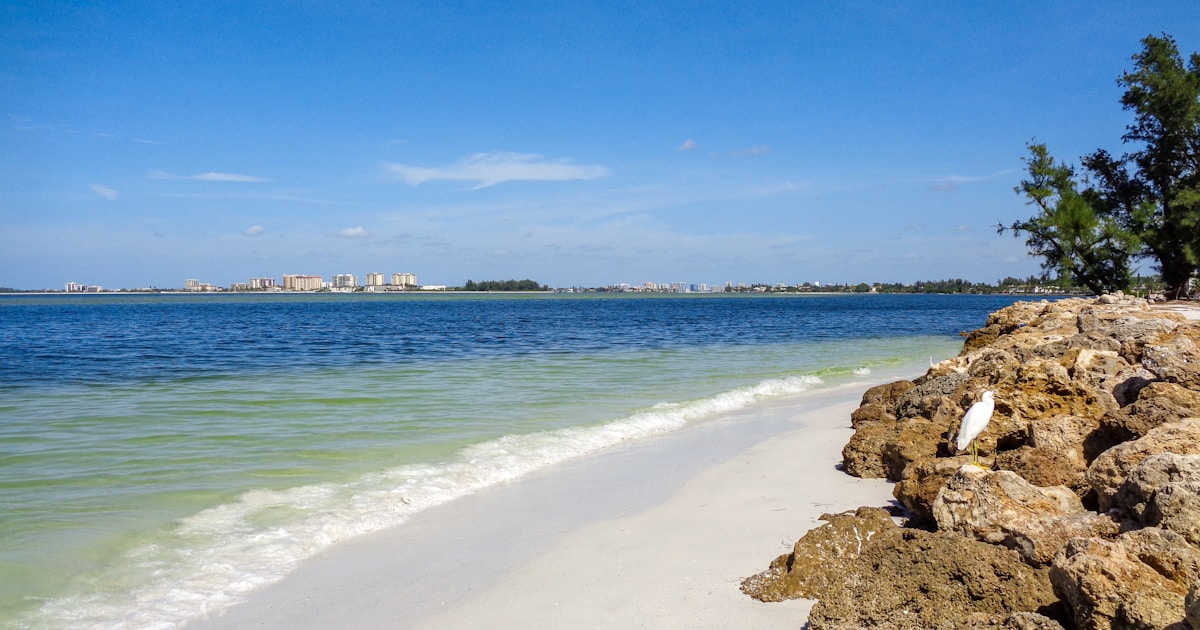
Tampa Bay gives you access to more than a dozen Gulf Coast beaches within 30 to 75 minutes of most inland neighborhoods. If you're relocating from the Northeast, Midwest, or West Coast, beach access here becomes a regular part of your lifestyle — not something you save for a week-long vacation. The closest beaches to popular relocation areas like Brandon, Riverview, and Valrico are about 35 to 45 minutes away.
TL;DR
- Most Tampa Bay neighborhoods put you 30 to 60 minutes from Gulf beaches
- Beach access is year-round — locals go in January
- Gulf beaches have calm, warm water and powder-white sand (not the rocky, seaweed-covered stretches you might be used to)
- Inland communities like Brandon and Riverview offer the best value while keeping beaches within easy reach
- Red tide happens occasionally but is not a constant problem — it should not stop your move
- Where you buy directly affects which beaches become your go-to spots
In This Guide
- Your Beach Options at a Glance
- Beach Culture Shock: What's Different About Florida Beaches
- Which Beaches Are Closest to Which Neighborhoods?
- The Top 5 Beaches Every New Tampa Bay Resident Should Visit First
- What Beach Access Means for Your Home Search
- Practical Tips for Your First Beach Season
- Frequently Asked Questions
If you're reading this, you're probably sitting somewhere in New Jersey, Ohio, Illinois, or California right now, looking at Tampa Bay real estate listings and wondering: how close will I actually be to the beach?
It's one of the top questions I get from people relocating here. After 23+ years selling real estate in Tampa Bay, I can tell you this: beach access is one of the biggest lifestyle upgrades you'll get when you move to this area, and most people underestimate how good it is.
If you're coming from New Jersey, you know what it's like to drive two hours to a crowded beach, pay $10 to park, and fight for a sliver of sand next to 5,000 other people. If you're coming from the Midwest, the beach might be a once-a-year vacation thing. If you're coming from the West Coast, you know beautiful coastline — but you also know 55-degree water that makes you gasp when you walk in.
Tampa Bay changes all of that. You'll be on powder-white Gulf sand in under an hour from most neighborhoods, the water is warm enough to swim in for most of the year, and the beaches are genuinely world-class. This guide breaks down everything you need to know about beach life as a Tampa Bay resident — not a tourist.
For the full breakdown of individual beaches, check out the complete Tampa Bay beaches guide. This post focuses on what beach life looks like when you actually live here.
Your Beach Options at a Glance
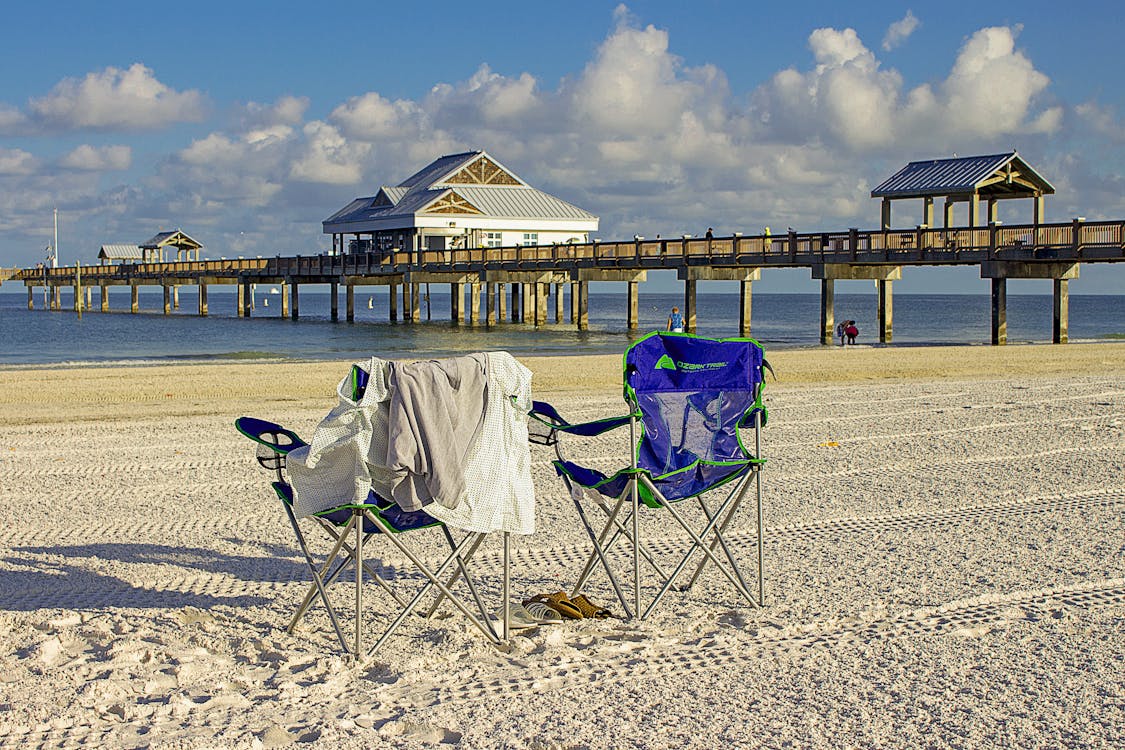
Here's a quick snapshot of the most popular Gulf Coast beaches and how long it takes to reach them from the Brandon/Riverview area — which is where a large percentage of out-of-state buyers end up because of the home values and schools.
| Beach | Drive from Brandon | Vibe | Best For |
|---|---|---|---|
| Clearwater Beach | 50 - 60 min | Lively, resort-style | First-timers, families, sunset views |
| Indian Rocks Beach | 45 - 55 min | Quiet, local favorite | Relaxing, avoiding crowds |
| St. Pete Beach | 40 - 50 min | Classic Florida beach town | Restaurants, walkability, wide sand |
| Fort De Soto Park | 40 - 50 min | Natural, uncrowded | Families, kayaking, nature |
| Treasure Island | 40 - 50 min | Laid-back, wide beach | Casual days, less tourist traffic |
| Madeira Beach | 45 - 55 min | Fishing village charm | Seafood lovers, John's Pass |
| Honeymoon Island | 55 - 65 min | State park, natural | Shelling, nature walks, dogs |
| Caladesi Island | 55 - 65 min (+ ferry) | Remote, pristine | Secluded beach experience |
| Siesta Key | 70 - 80 min | Famous quartz sand | Day trips, special occasions |
| Anna Maria Island | 55 - 65 min | Old Florida, charming | Small-town feel, family trips |
Drive times will vary. Weekend mornings are usually smooth. Friday afternoons heading west on the Courtney Campbell or Gandy Bridge? Give yourself extra time. You'll learn the rhythm fast.
Beach Culture Shock: What's Different About Florida Beaches
If your beach frame of reference is the Jersey Shore, Lake Michigan, or Santa Monica, Tampa Bay's Gulf Coast beaches are going to feel different. Here's what to expect.
The Water Is Actually Warm
Gulf of Mexico water temperatures hover between 75 and 87 degrees from roughly April through November. Even in the winter months, you're looking at the mid-60s to low 70s — which still feels swimmable compared to what you're used to. The Pacific Ocean off California rarely breaks 70 degrees. Lake Michigan tops out around 75 in August. The Gulf is in a different league.
Year-Round Beach Access Is Real
This is the part that takes the longest to sink in. In most of the country, "beach season" is Memorial Day through Labor Day. Here, locals hit the beach in December. January beach walks are normal. You might need a light jacket on the sand in February, but you're still out there. This alone is a massive quality-of-life upgrade.
Gulf vs. Atlantic — They're Not the Same
Tampa Bay sits on the Gulf side of Florida, and the Gulf Coast has a completely different feel from the Atlantic side. The Gulf is calmer — think gentle waves, not surf. The sand on the barrier islands is finer and whiter (especially as you head south toward Siesta Key). If you want big waves and a more energetic surf scene, that's the east coast. The Gulf is for people who want to relax.
The Red Tide Question
Every relocator asks about red tide, so let's address it directly. Red tide is a naturally occurring algae bloom that can cause respiratory irritation and fish kills. It typically shows up late summer through fall and affects some stretches of coastline — not all of them at once. Some years it's barely noticeable. Other years a particular area gets hit hard for a few weeks. It's a real thing, but it's not a constant presence. Think of it like tornado season in the Midwest — it happens, you deal with it, and it's not a reason to avoid moving here. You can check real-time conditions at myfwc.com before heading to the beach.
Parking and Beach Fees
Most Tampa Bay area beaches are free to access. Some have metered parking lots ($1.50 to $3 per hour is common), and state parks like Fort De Soto and Honeymoon Island charge a small vehicle entry fee (usually $5 to $8). Compared to what you'd pay at the Jersey Shore or Hamptons, it's essentially nothing. Many beach access points have free street parking if you're willing to walk a block or two.
Wildlife You'll Actually See
Dolphins feeding just offshore. Pelicans dive-bombing for fish. Manatees in the shallows near passes. Sea turtles nesting on the sand in summer. Great blue herons standing in the surf. This is not a zoo — this is a Tuesday at the beach. Your kids (and you) will never get tired of it.
Which Beaches Are Closest to Which Neighborhoods?
Where you buy a home in Tampa Bay directly determines which beaches become your regular spots. Here's the neighborhood-to-beach map that most relocators don't see until after they've already signed a contract.
| Where You Live | Closest Beaches | Drive Time |
|---|---|---|
| Brandon | St. Pete Beach, Fort De Soto, Treasure Island | 35 - 50 min |
| Riverview | Fort De Soto, St. Pete Beach, Apollo Beach waterfront | 35 - 50 min |
| Valrico | St. Pete Beach, Treasure Island, Madeira Beach | 40 - 55 min |
| South Tampa | St. Pete Beach, Fort De Soto, Treasure Island | 25 - 35 min |
| Apollo Beach | Fort De Soto, St. Pete Beach | 30 - 40 min |
| Wesley Chapel / New Tampa | Clearwater Beach, Honeymoon Island, Caladesi Island | 45 - 60 min |
| St. Petersburg | St. Pete Beach, Treasure Island, Fort De Soto | 15 - 25 min |
| Clearwater | Clearwater Beach, Indian Rocks, Sand Key | 10 - 20 min |
The takeaway: Even the most inland suburbs in the Tampa Bay area put you within about an hour of Gulf beaches. If you're buying in St. Pete or Clearwater, you're looking at 10 to 25 minutes. The inland communities like Brandon, Riverview, and Valrico give you significantly more house for your money while keeping beaches well within weekend-trip range. It's a trade-off worth understanding before you start your home search.
The Top 5 Beaches Every New Tampa Bay Resident Should Visit First
Don't try to hit every beach your first month. Start with these five — they'll give you a well-rounded feel for what the Gulf Coast offers. For detailed breakdowns of each one, see the full Tampa Bay beaches guide.
1. Clearwater Beach
The one everyone's heard of, and for good reason. Wide sand, clear water, the Pier 60 sunset festival, and enough restaurants and shops to make a full day of it. Go on a weekday morning to avoid the tourist crowds. This is the beach you'll take your visiting friends and family to first.
2. Fort De Soto Park
A 1,136-acre county park spread across five connected islands at the southern tip of Pinellas County. North Beach here is consistently rated one of the best beaches in the country. The water is shallow and calm — perfect for kids. There's also a dog beach, kayak trails, a historic fort, and a campground. This is the beach locals love because it never feels overcrowded.
3. Indian Rocks Beach
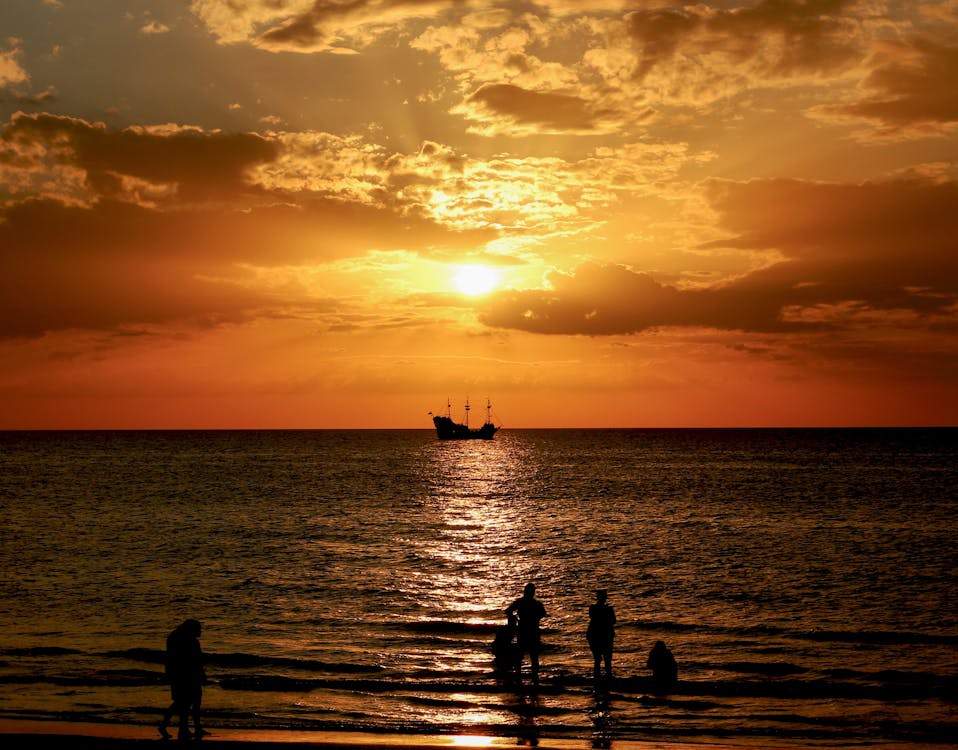
This is the beach that locals keep to themselves. Small-town feel, no high-rises, and multiple public access points tucked between residential streets. It's quieter than Clearwater and more laid-back than St. Pete Beach. Once you discover Indian Rocks, it'll probably become your regular spot.
4. St. Pete Beach
Wide, long, and lined with a mix of boutique hotels and beachside restaurants. This is the most accessible beach for anyone living in the Brandon/Riverview/Valrico corridor — just shoot straight across the Gandy Bridge or take I-275 south. The Gulf Boulevard strip has a walkable, beach-town atmosphere that's hard to beat.
5. Siesta Key
A bit further south (about 75 minutes from Brandon), but worth the drive at least once. The sand at Siesta Key is 99% pure quartz crystal — it stays cool under your feet even in peak summer. It consistently ranks among the top beaches in the entire United States. Save this for a day when you want something special.
What Beach Access Means for Your Home Search
Here's where most relocation guides stop and the real estate reality begins. Beach proximity directly affects home prices in Tampa Bay, and understanding that equation can save you a lot of money — or help you decide where to splurge.
Coastal premiums are real. Homes in Clearwater Beach, St. Pete Beach, Indian Rocks Beach, and the waterfront communities around Tampa Bay carry significant price premiums. You're paying for the view, the walkability to sand, and the lifestyle. Flood insurance is also a factor — coastal properties in flood zones can add $2,000 to $5,000+ per year to your housing costs.
Inland communities give you more house for less. This is why so many relocators land in Brandon, Riverview, and Valrico. You'll get a newer home, a bigger lot, better schools, lower insurance — and you're still 35 to 50 minutes from the Gulf. For a detailed breakdown of what your dollar gets you in this area, check the cost of living in Brandon guide.
The sweet spot for most relocators: Buy inland where the value is strong, and treat beach days as your regular weekend activity. You get the financial benefits of a more affordable neighborhood while living the Florida beach lifestyle. It's the best of both worlds, and it's exactly what most of my Northeast and Midwest transplant clients end up doing.
Practical Tips for Your First Beach Season
Once you're settled in, here's what you'll wish someone had told you before your first beach trip as a Florida resident.
Timing Matters
- Weekday mornings are the sweet spot — fewer people, easy parking, calmer water
- Arrive before 10 AM on weekends if you want a good parking spot at popular beaches
- Late afternoon (4 PM onward) is great for sunset walks and cooler sand
- Avoid midday in summer — the sun between 11 AM and 3 PM is no joke when you're not used to it
Gear Up Like a Local
- Beach umbrella or tent — non-negotiable. The Florida sun will burn you faster than you expect
- SPF 50+ reef-safe sunscreen — reapply every 90 minutes, especially if you're swimming
- A good cooler — drinks get warm fast in this heat. Frozen water bottles double as ice packs
- Sand-free towels or a beach mat — the powder-fine sand gets everywhere
- Water shoes — optional for Gulf beaches (the sand is soft), but useful at some rockier spots
Check Conditions Before You Go
- Red tide status: myfwc.com/redtide — check the map for your target beach
- Beach flags: Green means calm, yellow means moderate, red means high hazard, double red means water is closed
- Lightning: Florida is the lightning capital of the US. If you see dark clouds building, pack up. Afternoon storms are common in summer and they roll in fast