
Crystal River, FL: Quick Answer
Crystal River is the manatee capital of the world, a small Gulf Coast city in Citrus County where year-round warm springs create one of Florida’s most extraordinary wildlife sanctuaries. Median home prices range from approximately $340,000 to $404,000 as of early 2026, making Crystal River one of Florida’s most affordable waterfront communities. Whether you are drawn by manatee watching in Kings Bay, fishing in the Gulf, kayaking through spring-fed waters, or simply the authentic Old Florida lifestyle, Crystal River delivers a quality of life that larger communities struggle to match at any price.
Key Takeaways: Crystal River Real Estate
- Crystal River sits on the Gulf Coast of Citrus County, approximately 75 miles north of Tampa, within Florida’s celebrated Nature Coast corridor.
- Median home prices of $340,000-$404,000 (early 2026) make Crystal River one of the most affordable waterfront markets in Florida.
- The city anchors Kings Bay, a system of over 30 natural springs that keeps water temperatures at a constant 72 degrees year-round, supporting the largest population of West Indian manatees in the United States.
- Three Sisters Springs, a unit of Crystal River National Wildlife Refuge, is the crown jewel of the area’s spring system and one of the most photographed natural features in Florida.
- Crystal River offers direct waterway access to the Gulf of Mexico through Kings Bay and the Crystal River itself, making it exceptional for boating, fishing, and water sports.
- Barrett Henry with Now Realty covers Citrus County and can help buyers find waterfront, canal, and residential properties that fit their specific needs and budget.
Crystal River, Florida: Where Manatees, Springs, and Gulf Living Come Together
Crystal River, Florida occupies a unique position among Gulf Coast communities. It is a city of approximately 3,500 permanent residents, modest by any measure, but it attracts visitors, wildlife enthusiasts, and property buyers from around the world because of what it offers that no other place on earth quite matches: a vast system of warm, crystal-clear springs that feed Kings Bay and the Crystal River, creating a natural sanctuary for West Indian manatees in numbers and accessibility that no other location provides.
Situated on Citrus County’s western coast, Crystal River is the center of Florida’s Nature Coast, a stretch of coastline deliberately free of the high-rise development and intensive tourism infrastructure that characterizes much of Florida’s Gulf shore. Here, the Gulf is shallow and marshy for miles offshore, the coastline is punctuated by river mouths and tidal estuaries rather than sandy beaches, and the natural world, not human development, sets the tone.
For home buyers, Crystal River represents a compelling combination: waterfront property at prices far below comparable Gulf Coast communities, a year-round recreation lifestyle built around world-class fishing, diving, kayaking, and wildlife watching, and a genuine small-town community character that the area’s modest size naturally preserves. If you have been watching Florida’s more famous coastal markets and wondering if there is an affordable alternative that still delivers real water access and natural beauty, Crystal River deserves your serious attention.
Barrett Henry with Now Realty covers the Citrus County market and can help you navigate Crystal River’s waterfront options, canal properties, and inland homes. Contact him at (813) 733-7907 or [email protected].
Crystal River Real Estate Market: Prices and Trends in 2026
The Crystal River real estate market has experienced significant appreciation over the past several years as Florida’s Nature Coast has drawn increasing attention from buyers seeking affordable waterfront alternatives to the state’s more expensive coastal markets. While the broader Citrus County market has seen some price moderation from the pandemic-era peaks, Crystal River’s fundamentals remain strong, supported by the continuing appeal of its unique natural assets and the relative scarcity of waterfront and water-access property in the area.
As of October 2025, the median home price in Crystal River was approximately $374,000. A January 2026 snapshot showed median listing prices near $359,000. Some segments of the market saw significant year-over-year increases in late 2025, though data for a market of Crystal River’s size can be volatile on a month-to-month basis due to the relatively small number of transactions. The longer-term trend has been one of appreciation, driven by growing demand from buyers who have discovered the area and limited supply of desirable water-access properties.
Waterfront properties on the Crystal River system and Kings Bay command significant premiums over the overall median. Canal homes with Gulf access through the Crystal River waterway system, direct riverfront properties, and homes on the bay adjacent to Kings Bay are the most sought-after and most expensive segment of the market, often trading from $500,000 to over $1 million depending on dock facilities, lot size, and home condition. Inland properties in Crystal River’s residential neighborhoods offer the most affordable options in the city.
Property Types in Crystal River
- Canal and River Access Homes: Properties on the Crystal River’s canal network offer the most direct connection to the water, with private docks, boat lifts, and kayak launches. These are the most coveted and most expensive properties in the market.
- Single-Family Residential: The backbone of the Crystal River market, ranging from modest concrete block homes built in the 1960s-1980s to newer construction on larger lots. Condition and proximity to water access are the primary price drivers.
- Condominiums and Attached Units: A smaller segment of the market, primarily in complexes near the downtown waterfront. These offer low-maintenance island-adjacent living at relatively accessible price points.
- Rural Residential and Acreage: Crystal River’s fringes offer larger lots and acreage properties, attracting buyers who want more land while remaining within easy reach of the city’s water access and amenities.
Three Sisters Springs: Crystal River’s Crown Jewel
No guide to Crystal River real estate is complete without understanding Three Sisters Springs, because Three Sisters Springs is, more than anything else, the reason Crystal River is Crystal River. This system of three interconnected spring pools, part of the Crystal River National Wildlife Refuge, produces tens of millions of gallons of 72-degree water daily, feeding Kings Bay and ultimately the Crystal River itself.
What makes Three Sisters Springs uniquely compelling is the accessibility of the experience. Visitors can enter the springs via kayak or guided tour from the downtown waterfront, paddling through narrow mangrove channels into the broader spring pools. In winter months, when air temperatures drop and the Gulf waters cool, hundreds and sometimes thousands of manatees congregate in the warm spring waters of Kings Bay and Three Sisters, floating placidly, nursing calves, and interacting with human swimmers in ways that are simply impossible to experience anywhere else in the world.
The U.S. Fish and Wildlife Service manages Three Sisters Springs as a federal wildlife refuge, with seasonal swimming regulations designed to protect manatees during their most vulnerable periods. The balance between wildlife protection and public access has been carefully calibrated over years of management experience, and the result is a system that remains extraordinary for both wildlife and visitors. For Crystal River homeowners, the ability to kayak to Three Sisters Springs from their private dock is not a marketing claim: it is a daily lived reality for those fortunate enough to own water-access properties on the Crystal River system.
Kings Bay and the Manatee Population
Kings Bay is the name given to the estuarine system where the Crystal River and its associated springs meet the Gulf of Mexico tidal waters. It supports the largest concentration of West Indian manatees in the United States, with the population peaking in winter months when cold Gulf temperatures drive the animals to the warm spring-fed waters. Population estimates for the Kings Bay manatee herd have grown significantly over the past two decades, reflecting both the success of manatee conservation efforts in Florida and the integrity of the Crystal River spring system.
Manatee watching in Crystal River is not a passive experience. Tour operators, kayak rentals, and dive shops throughout the downtown area offer guided spring and manatee tours, and the proximity of the waterfront to the springs means that independent kayakers and paddleboarders can access much of the system without a guide. The experience of floating alongside a 1,000-pound manatee in crystal-clear 72-degree water is transformative, and it is available every morning of the year to Crystal River residents with water access.
Fishing, Boating, and Outdoor Recreation in Crystal River
Crystal River sits at the confluence of exceptional freshwater and saltwater fishing environments. The spring-fed river system supports populations of largemouth bass, bream, and a variety of freshwater species, while the shallow Gulf waters adjacent to the city’s waterfront offer some of the finest inshore saltwater fishing in Florida.
Redfish (red drum) are among the most prized targets in Crystal River’s waters, and the area’s grass flats, oyster bars, and tidal channels are legendary among inshore fishing guides as productive habitat for these powerful, hard-fighting fish. Spotted sea trout, flounder, snook (in season), and sheepshead round out the year-round inshore fishing calendar. For offshore anglers, the Gulf access through the Crystal River channel opens up grouper, snapper, and pelagic species fishing at the offshore ledges.
Scuba diving in Crystal River deserves special mention. The springs of the Crystal River system are among the most accessible freshwater dive sites in Florida, with extraordinary visibility in the 72-degree water year-round. The Ichetucknee Springs State Park, while technically in Columbia County, is accessible within a reasonable drive and offers tubing and diving in some of Florida’s most spectacular spring runs. Divers and snorkelers specifically seek out Crystal River for the combination of spring diving and manatee interaction.
Kayaking and paddleboarding have become major recreational draws, particularly for visitors and newer residents discovering the area’s extraordinary water trail network. The Crystal River Preserve State Park and the surrounding wildlife refuges include miles of paddling trails through tidal marshes, around forested islands, and along the spring-fed river channels. These trails are accessible from public launches and from private properties throughout the Crystal River waterway system.
For golfers, Citrus County offers multiple courses, and the broader region including Citrus Hills golf community and the courses associated with Sugarmill Woods provides recreational options year-round.
Crystal River’s History: From Pioneer Settlement to Nature Coast Icon
Crystal River’s history begins with the native peoples who recognized the springs as a sacred and life-sustaining resource thousands of years before European contact. The Crystal River Archaeological State Park, located within the city limits, preserves one of Florida’s most significant pre-Columbian archaeological sites: a complex of burial mounds, temple mounds, and plaza areas that served as a ceremonial center for indigenous peoples from approximately 200 BC through 1400 AD. The site was occupied longer than almost any other ceremonial center in the eastern United States, a testament to the enduring appeal of the spring environment for human settlement.
European and American settlement of the Crystal River area began in earnest in the mid-19th century, with the natural harbor of Kings Bay providing shelter for fishing and small commercial vessels. The area’s abundant seafood resources, particularly mullet and oysters, supported commercial fishing operations that formed the economic foundation of the early community. By the early 20th century, recreational fishing had begun to rival commercial fishing as an economic driver, and the area’s first tourist accommodations reflected the growing appeal of the springs and the wildlife for visitors from beyond Citrus County.
The postwar period brought the first wave of retirement migration to Crystal River, as Florida’s affordable land and year-round outdoor recreation lifestyle began attracting northerners in large numbers. The construction of US-19 as a major north-south corridor improved the area’s accessibility and accelerated development. The construction of the Crystal River Energy Complex (nuclear power plant) in the 1970s brought a significant economic boost to the area, though the plant was subsequently retired from service. The area’s economy has since pivoted strongly toward tourism, retirement, and natural resources, with the manatee-watching industry alone generating millions of dollars annually for local businesses.
The Crystal River Scallop Season: A Summer Tradition
Each summer, typically from July 1 through September 24, Citrus County waters open for bay scallop harvesting, and Crystal River becomes the staging point for one of Florida’s most beloved seasonal traditions. Bay scallops, once abundant throughout much of Florida’s Gulf Coast, now thrive primarily in the shallow grass flats of Citrus and nearby counties, making this stretch of the Nature Coast one of the few remaining places where recreational scallop harvesting is possible.
The experience is straightforward and accessible to almost anyone: wade or snorkel in the shallow grass beds, spot the distinctive blue-eyed scallops resting on or swimming above the sea grass, and collect them by hand up to the legal limit. The combination of clear water, warm temperatures, abundant marine life, and the promise of fresh scallops for dinner makes for a quintessential Florida summer day that families return to year after year.
Crystal River marina operators rent boats and equipment for scalloping throughout the season, and numerous restaurants in the area serve fresh scallops during the season, often from the day’s harvest. The annual Crystal Scallop Festival, typically held in September, celebrates the season with food, music, and community events centered on the waterfront. For Crystal River property owners with boat access, scallop season is one of the signature pleasures of the summer.
Comparing Crystal River to Other Citrus County Communities
Buyers exploring Citrus County typically consider Crystal River alongside several neighboring communities, each with its own character and appeal. Understanding the differences helps buyers match their priorities to the right community.
Homosassa, about 10 miles south of Crystal River on US-19, offers a similarly nature-focused lifestyle with its own spring system, Homosassa Springs Wildlife State Park, and the Old Florida fishing culture of the Homosassa River. Homosassa is somewhat more rural and less commercially developed than Crystal River, with a median price range that is comparable to or slightly below Crystal River’s market. Buyers who want even more of a remote, Old Florida atmosphere often find Homosassa compelling.
Inverness, the county seat about 15 miles east of Crystal River, offers the county’s most developed downtown commercial district, the Withlacoochee State Trail (one of Florida’s premier rails-to-trails cycling paths), and Cooter Pond Park on Lake Henderson. Inverness is less water-access oriented than Crystal River, with no direct Gulf access, but it offers lake and river fishing and a more urban small-town character with shops, restaurants, and civic amenities that Crystal River lacks.
Sugarmill Woods and Citrus Hills (Terra Vista) offer community-oriented living with golf courses, clubhouses, and shared amenities that appeal to buyers seeking a planned community environment. These communities offer different lifestyles from Crystal River’s more individual, water-access-focused character, but they are within easy driving distance and complement Crystal River’s natural recreation resources.
Living in Crystal River: Community, Services, and Quality of Life
Crystal River functions as the commercial and service hub for the western portion of Citrus County. While it is a small city by any measure, it offers a broader range of services than its population might suggest, reflecting its role as the economic center for the surrounding area.
Healthcare
Seven Rivers Regional Medical Center, located in Crystal River, is a 128-bed acute care hospital offering emergency services, surgical care, cardiac care, and a range of specialty services. For more complex care, the broader medical resources of the Tampa Bay metropolitan area are approximately 75 miles south via US-19, accessible within 90 minutes to two hours depending on traffic. The proximity to Tampa’s world-class medical institutions, including Moffitt Cancer Center, Tampa General Hospital, and the VA Medical Center, is one of the understated advantages of Crystal River’s location.
Dining and Retail
Crystal River’s downtown and commercial corridors along US-19 provide the basics of retail and dining. Plantation Adventures restaurant at the Plantation Adventure Center, Crackers Bar and Grill on the waterfront, and numerous seafood-focused establishments serve both locals and the tourism trade. Grocery shopping is served by Walmart, Winn-Dixie, and regional grocery options. For more extensive retail, the Inverness area (the county seat, about 15 miles east) and the Crystal River/Inverness commercial corridor together meet most needs without requiring a Tampa drive.
Community Events and Character
Crystal River’s community calendar reflects the city’s natural focus: the annual Scallop Festival celebrates the seasonal scalloping that opens in Gulf waters adjacent to Crystal River each July, drawing thousands of visitors for a weekend of boating, diving, and community celebration. The Crystal River Christmas Boat Parade has become a beloved community tradition. The Manatee Festival in January celebrates the area’s star residents with events, educational programming, and outdoor activities centered on Kings Bay.
Schools in Crystal River and Citrus County
Crystal River students attend Citrus County Public Schools, which serves the entire county from its administrative center in Inverness. The district has earned recognition for its career and technical education programs, its arts programming, and its athletic programs across multiple sports.
Crystal River Primary School, Crystal River Middle School, and Crystal River High School form the K-12 pipeline for students in the western part of the county. Crystal River High School has a strong reputation for its marine science program, a fitting academic focus for a community surrounded by extraordinary aquatic environments. The school’s proximity to the springs and the Gulf creates authentic field study opportunities that most inland schools cannot match.
Private school options in Citrus County are more limited than in the larger urban markets to the south, but homeschooling is popular in the area, and several faith-based school options exist throughout the county. Families with specific private school preferences often consider them as part of the cost-of-living analysis when evaluating Crystal River property.
Getting to Crystal River: Location and Access
Crystal River sits on US-19 (the Suncoast Highway), which runs along Florida’s west coast connecting the Nature Coast communities from Brooksville north to Tallahassee. US-19 provides direct access south to the Tampa Bay area, about 75 miles (typically 90 minutes to two hours depending on traffic and route). The Suncoast Parkway (SR-589), a limited-access toll road, begins in Brooksville approximately 20 miles south of Crystal River and provides high-speed access to the I-75/Tampa corridor, significantly reducing the effective drive time to Tampa International Airport and the urban core.
The Citrus County Airport (Inverness Municipal Airport) handles general aviation, and Ocala International Airport is approximately 45 miles east. Tampa International Airport (TPA), the region’s major commercial hub, is the primary airport for Crystal River residents, typically a 90-minute drive. Orlando International Airport (MCO) is about two hours east via SR-44 and I-75.
The communities of Homosassa (10 miles south), Inverness (15 miles east), and Lecanto (12 miles southeast) form Crystal River’s immediate Citrus County neighbors. Each has its own character and real estate profile, collectively forming the fabric of one of Florida’s most distinctive and underappreciated natural regions.
Crystal River Waterfront Properties: What to Know Before You Buy
Waterfront properties in Crystal River are the most sought-after and the most complex to evaluate. Buyers considering canal homes, riverfront properties, and bay-access properties should understand the specific due diligence considerations that apply to water-access real estate in this area.
Flood Zone Designation
Many waterfront and near-water properties in Crystal River are in FEMA Special Flood Hazard Areas, primarily Zones AE or X (shaded), reflecting the proximity to tidal waters, the Crystal River, and Kings Bay. The specific flood zone designation for any property determines whether flood insurance is required (mandatory for federally backed mortgages in Zones AE and VE) and what the insurance premium will be based on the property’s elevation relative to Base Flood Elevation. Reviewing the FEMA Flood Insurance Rate Map (FIRM) and obtaining an Elevation Certificate are standard and essential steps in any waterfront due diligence process. Barrett Henry works with buyers to ensure this documentation is obtained and reviewed before purchase commitments are made.
Boat Dock and Lift Condition
For canal and riverfront properties with existing docks, the condition of the dock, pilings, boat lift, and associated electrical systems is critical. Marine environments accelerate deterioration, and dock replacement or significant repair can cost $20,000-$60,000 or more depending on size and scope. A qualified marine contractor inspection of any existing dock structure is standard due diligence for waterfront purchases. Additionally, buyers should verify that the dock is properly permitted with the Florida Department of Environmental Protection and Citrus County, as unpermitted dock structures can create complications at resale.
Water Quality and Access
The spring-fed water of Kings Bay and the Crystal River system is generally exceptional by Florida waterway standards. However, canal access from some residential canals may involve navigation through shallow or variable-depth channels, and boat draft limitations affect what vessels can use specific properties effectively. Buyers who are boaters should specifically evaluate the draft limitations, channel conditions, and access routes for any property they consider, ideally by navigating the approach by boat during the evaluation period.
Seawall and Shoreline Condition
Seawalls and shoreline protection structures are another critical waterfront due diligence item. Seawall replacement or repair in Citrus County waterfront situations can run from $150 to $400 per linear foot or more depending on conditions, materials, and scope. Erosion, settling, and storm damage can accelerate seawall deterioration, and buyers should have any seawall inspected by a qualified marine contractor before purchase.
Crystal River and the Nature Coast Investment Opportunity
For buyers approaching the Crystal River market with investment objectives in mind, the area presents a distinctive case. Unlike the Gulf Coast vacation rental markets where short-term rental demand is driven by beach access and resort amenity expectations, the Crystal River vacation and short-term rental market is driven by natural experiences: manatee watching tours, fishing charters, scallop season expeditions, and spring diving and kayaking.
This experience-driven demand creates a rental profile that is somewhat different from the beach rental markets to the south. The peak demand periods include the winter manatee season (November through March), scallop season (July through September), and the general summer vacation period. Spring and fall provide shoulder-season activity. Properties that are positioned well for the nature tourism market, with boat or kayak launch access, proximity to the downtown waterfront tour operators, and appropriate amenities for outdoor-focused guests, can generate meaningful vacation rental revenue at price points far below the Gulf beach rental markets.
Long-term rental demand in Crystal River is driven by the area’s growing year-round population of retirees, service workers, and an increasing number of remote workers who have discovered the area’s quality of life advantages. Long-term rental yields in Citrus County can be attractive relative to purchase prices, providing an alternative income strategy for buyers who prefer the simplicity of long-term tenants over vacation rental management complexity.
The long-term appreciation case for Crystal River real estate rests on the same foundation as the lifestyle case: the permanent protection of the spring systems by federal wildlife refuge status, the growing awareness of the Nature Coast among buyers from Florida’s more expensive markets, and the structural demographic tailwinds of continued retiree migration into Florida’s affordable coastal communities. These dynamics are not guaranteed to persist, and real estate investment always involves risk, but Crystal River’s unique natural assets create a compelling foundation for the long-term value case.
Practical Buyer Resources in Crystal River
Navigating the Crystal River real estate market is easier with the right local resources. Beyond a knowledgeable realtor, buyers benefit from understanding the key local institutions and services:
- Citrus County Property Appraiser: The property appraiser’s website provides current and historical assessed values, parcel maps, ownership information, and exemption status for any Citrus County property. This is an essential research tool for understanding tax history and exemption eligibility.
- Citrus County Building Department: For buyers considering renovation or new construction, the building department’s records show permit history for any address, revealing what work has been done, what was permitted, and what inspections were completed. Unpermitted work can create significant complications and should be identified during due diligence.
- Crystal River National Wildlife Refuge: The U.S. Fish and Wildlife Service office in Crystal River administers the refuge and can provide information on regulations affecting activities in the spring system, including seasonal swimming restrictions in Three Sisters Springs.
- Citrus County School District: The school district office provides information on school zoning, school rating data, and magnet and charter school options for buyers with school-age children.
- Seven Rivers Regional Medical Center: The hospital’s website provides information on services available locally, helping buyers assess the adequacy of local healthcare for their specific needs.
Why Buyers Are Discovering Crystal River Now
The growing interest in Crystal River among Florida real estate buyers is not accidental. Several converging trends have put the Nature Coast on the radar of buyers who might have focused exclusively on the state’s more prominent coastal markets a decade ago.
The affordability gap between Crystal River and the better-known Gulf Coast markets like Sarasota, Naples, and the Bradenton beach communities has grown dramatically. A buyer who was priced out of an Anna Maria Island property or a Longboat Key condominium can find genuine waterfront access in Crystal River at a fraction of the cost. That affordability differential, combined with the area’s extraordinary natural assets, has driven significant buyer interest from retirement-age buyers, remote workers, and investment buyers who value yield on their dollar.
The Nature Coast’s resistance to overdevelopment is also increasingly valued in an era when Florida’s more developed coastal communities wrestle with traffic, congestion, and the aesthetic degradation that comes from decades of intensive tourism development. Crystal River’s shallow, marshy Gulf frontage and the federal wildlife refuge designation of the spring systems create permanent protections against the kind of development that has transformed other Gulf Coast communities. The natural environment here is not just amenity: it is legally protected, and that protection gives long-term value confidence to buyers who worry about future development degrading their chosen community’s character.
Who Is Moving to Crystal River? Understanding the Buyer Pool
The population of buyers who have discovered Crystal River represents a diverse cross-section of people unified by certain common values: a preference for nature over urban amenity, a desire for waterfront access at prices that do not require a million-dollar investment, and an appreciation for authentic community character over manufactured resort experiences. Understanding this buyer community helps prospective purchasers assess whether Crystal River is the right fit for their lifestyle.
Retirees from Florida’s More Expensive Markets: A significant portion of Crystal River’s in-migration comes from buyers who have liquidated properties in Sarasota, Naples, Fort Lauderdale, or even Pinellas County and are reinvesting the proceeds in a lifestyle-driven community where their equity goes much further. A buyer who sells a $700,000 Sarasota condo can acquire a substantial waterfront home in Crystal River and bank the difference, dramatically improving their retirement cash flow while living in a beautiful natural setting.
Remote Workers Seeking Quality of Life: The expansion of remote work has freed a new generation of buyers from geographic constraints. Crystal River has attracted younger buyers, primarily in their 30s and 40s, who can work from anywhere and choose to base themselves in a community where they can kayak to a spring in the morning, join a fishing charter on the weekend, and live at a cost of living that leaves room for the experiences that matter to them. This cohort has brought new energy and demographic diversity to the Crystal River community.
Nature Tourism Investors: Buyers specifically focused on vacation rental income through the nature tourism market have identified Crystal River as one of Florida’s most compelling under-the-radar markets. The combination of the manatee watching draw, scallop season, and the growing Nature Coast brand recognition creates reliable demand for vacation properties that are positioned for the experiential travel market.
Fishing and Outdoor Enthusiasts: Crystal River’s fishing reputation draws buyers from throughout the Southeast who have been visiting the area for decades and ultimately decide to make their vacation destination their permanent address. The inshore fishing around Crystal River is genuinely world-class, and for buyers who organize their lives around the pursuit of redfish, trout, and snook in pristine natural environments, there are few better places in Florida to own a home.
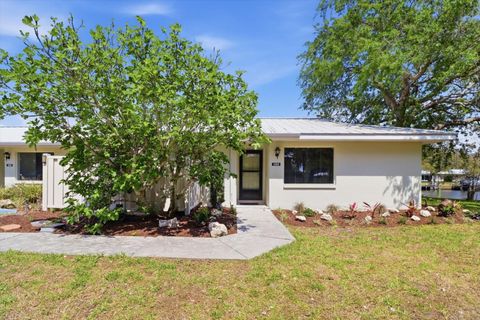
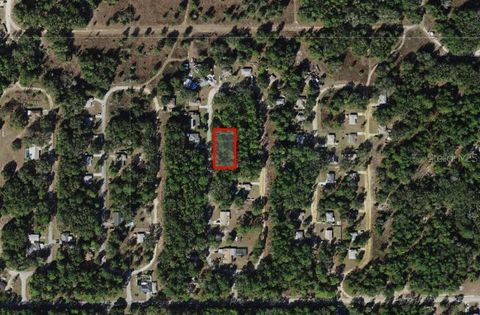
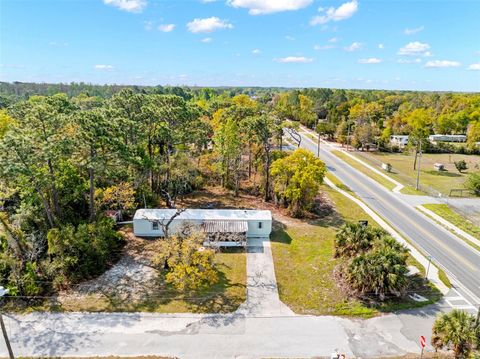
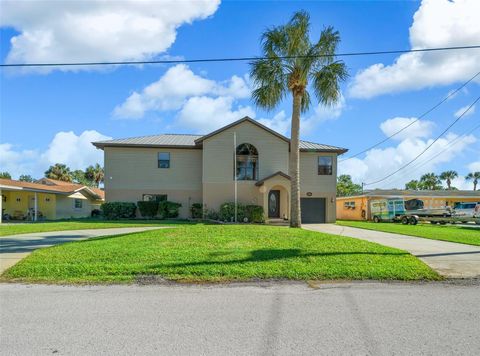
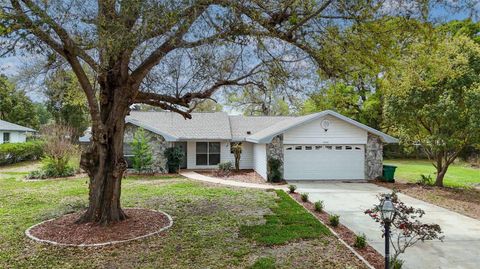
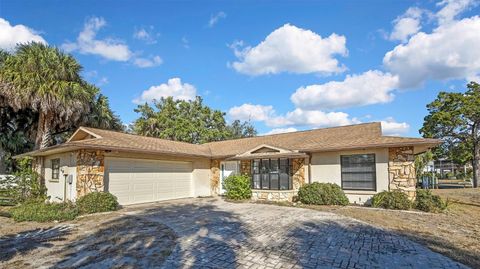
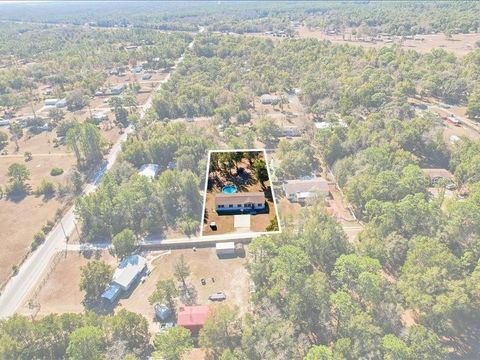
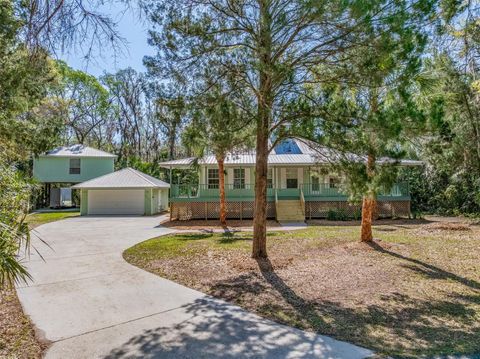
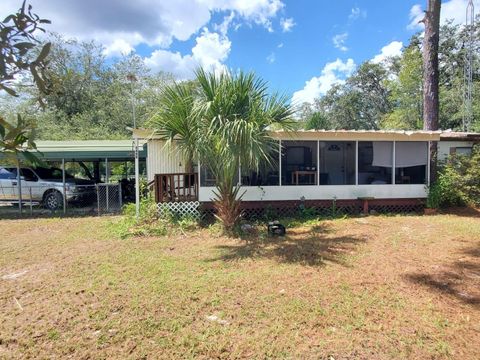
Homes for Sale in Crystal River
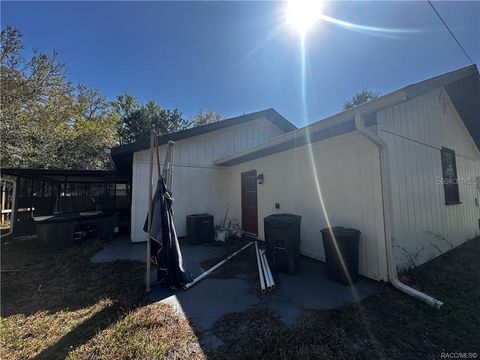
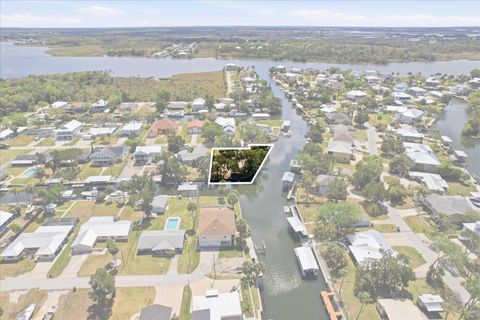
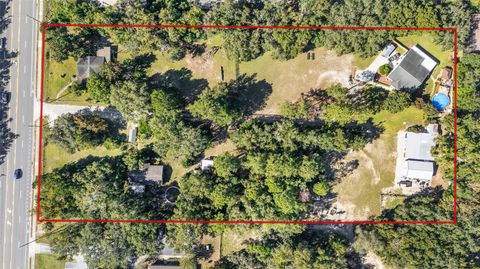
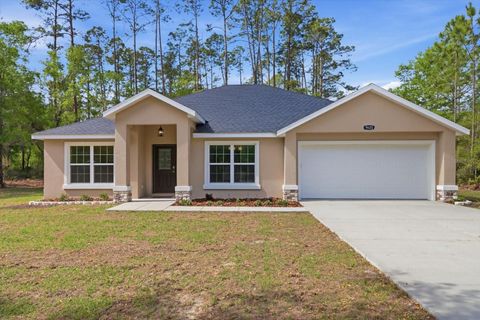
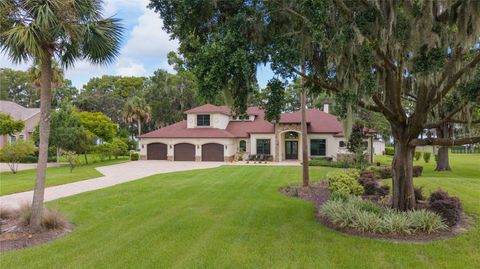
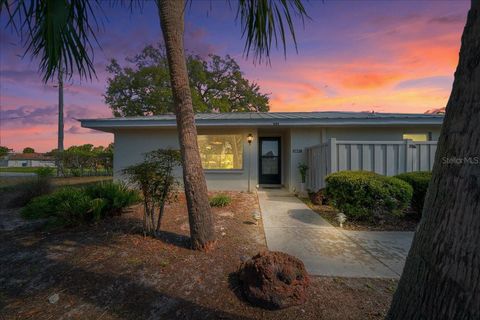
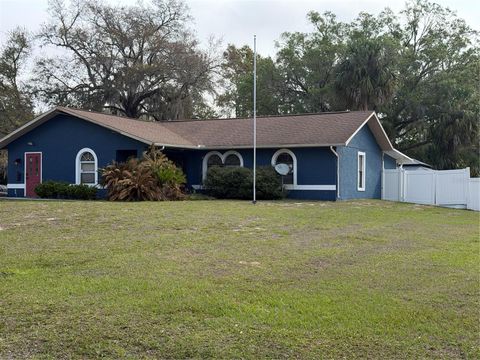
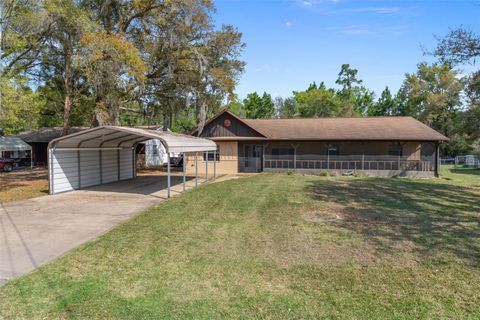
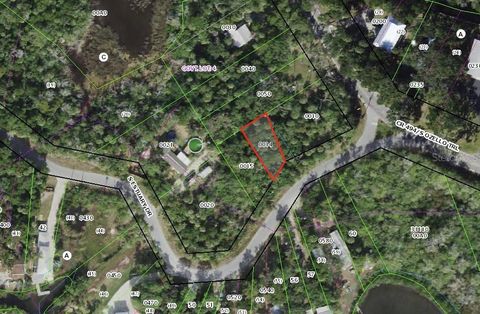
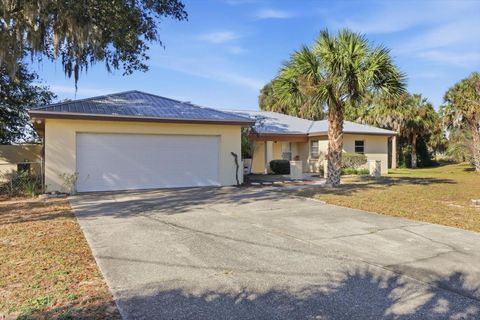
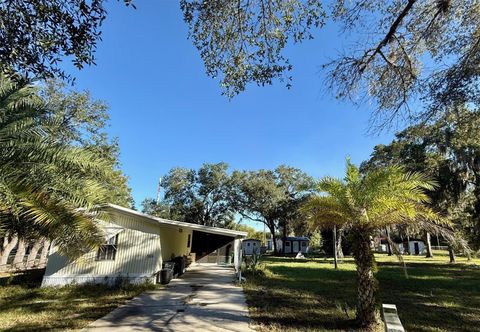
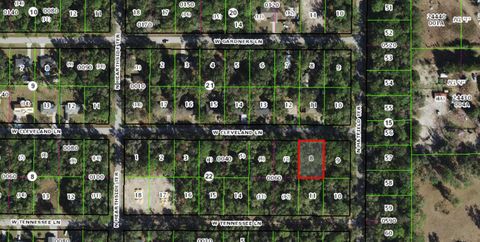
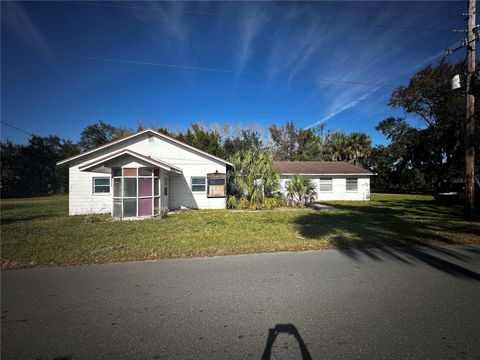
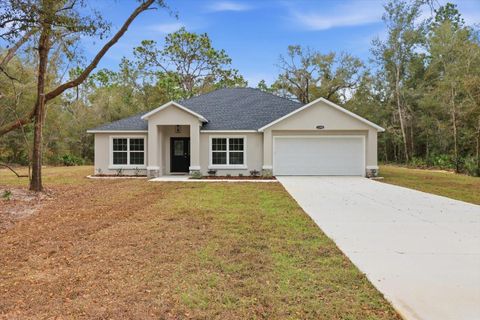
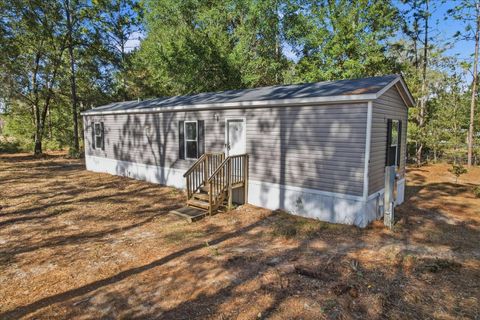
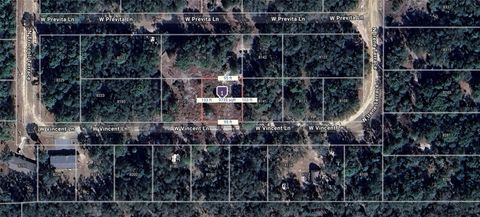
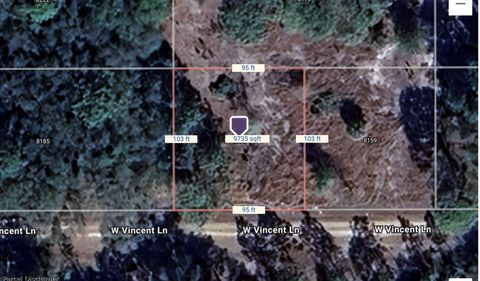
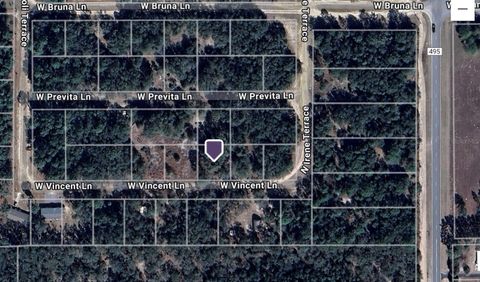
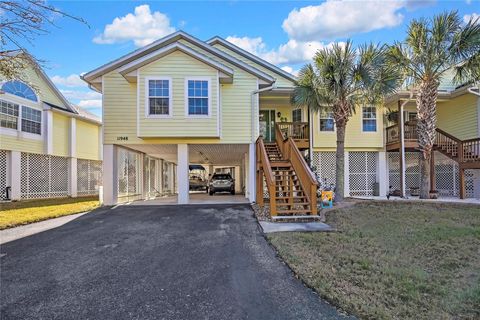
Browse current Crystal River listings, updated in real time from the MLS:

Recently Sold Homes in Crystal River
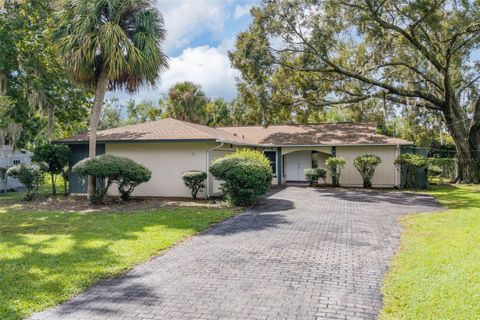
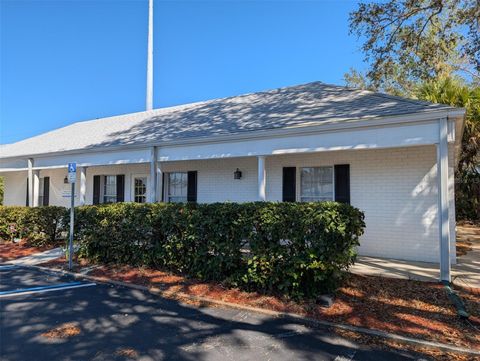
See recent Crystal River sales for real market context:



Ready to Explore Crystal River Real Estate?
Barrett Henry covers Citrus County and can help you find the right Crystal River property, whether you are seeking waterfront access, a retirement retreat, or an affordable Gulf Coast lifestyle. Call or email to get started.
Expert guidance. No pressure. Just honest advice from a realtor who knows the Nature Coast market.
Frequently Asked Questions: Crystal River Real Estate
What is the median home price in Crystal River, FL?
As of early 2026, the median home price in Crystal River is approximately $340,000-$404,000, with waterfront and canal properties on the Kings Bay and Crystal River system commanding significantly higher prices, often $500,000 to over $1 million depending on water frontage, dock facilities, and condition.
Can you swim with manatees in Crystal River?
Yes. Crystal River is one of the only places in the United States where swimming and snorkeling with wild manatees is legally permitted under federal guidelines. Tour operators offer guided manatee encounter tours from the Crystal River waterfront, and Three Sisters Springs (part of the Crystal River National Wildlife Refuge) is accessible by kayak or guided tour. Seasonal regulations apply to protect manatees during critical periods.
How far is Crystal River from Tampa?
Crystal River is approximately 75 miles north of Tampa, typically a 90-minute to two-hour drive via US-19 or via the Suncoast Parkway (SR-589) from Brooksville, which significantly reduces travel time. Tampa International Airport is the primary commercial airport for Crystal River residents.
What is Three Sisters Springs in Crystal River?
Three Sisters Springs is a system of three interconnected freshwater spring pools within the Crystal River National Wildlife Refuge. The springs produce tens of millions of gallons of 72-degree water daily, creating habitat that supports the largest population of West Indian manatees in the United States. It is accessible by kayak or guided tour from the Crystal River waterfront.
Is Crystal River FL a good place to retire?
Crystal River is an excellent retirement destination for buyers who value natural environments, outdoor recreation, affordability, and authentic small-town community character. The area offers good medical resources through Seven Rivers Regional Medical Center, easy access to Tampa Bay’s extensive healthcare network, affordable housing relative to most Florida coastal markets, and a retirement lifestyle centered on fishing, kayaking, wildlife watching, and nature-based activities.
What is the fishing like in Crystal River, FL?
Exceptional. Crystal River is renowned among inshore anglers for its redfish, spotted sea trout, flounder, snook, and sheepshead fishing in the shallow Gulf flats, tidal channels, and oyster bars adjacent to the city. Offshore grouper and snapper fishing is accessible through the Crystal River channel. The spring system also supports freshwater bass fishing. Numerous professional guides operate out of Crystal River serving both inshore and offshore anglers.
Are there flood insurance requirements in Crystal River?
Many properties in Crystal River, particularly those on or near the waterways, Kings Bay, and tidal areas, fall within FEMA flood zones and require flood insurance. The specific flood zone designation, Base Flood Elevation, and resulting insurance requirements vary by parcel. Reviewing the FEMA flood map and obtaining an Elevation Certificate for any property you consider purchasing is an important due diligence step.