
St. Petersburg, Florida: The Sunshine City
St. Petersburg is the second-largest city in the Tampa Bay metropolitan area and one of the most distinctive urban environments in Florida. Located on a peninsula bounded by Tampa Bay to the east and north and the Gulf of Mexico’s barrier islands to the west, St. Petersburg occupies a geographic position that gives it something rare in Florida real estate: a true waterfront city with a walkable downtown, an arts and culture infrastructure that rivals cities twice its size, and a residential market spanning from the $200,000s to deep eight-figure waterfront estates. The city covers approximately 62 square miles and has a population of roughly 265,000, making it consistently one of the most densely populated and culturally active cities in the state.
The St. Petersburg real estate market in 2026 and 2026 reflects a city that has undergone a dramatic identity transformation over the past two decades. What was once a retirement-focused community known for early-bird specials and shuffleboard courts is now one of Florida’s premier destinations for young professionals, creative workers, remote workers, and buyers who want the energy of an urban environment without the density of Miami or the sprawl of Orlando. The median sale price for single-family homes in St. Petersburg ran approximately $462,000 in 2026, while condominiums averaged around $285,000. Those figures represent a market that spans from entry-level townhomes in the $250,000s to waterfront estates on Snell Isle, Venetian Isles, and Coffee Pot Bayou commanding $2 million, $5 million, and beyond.
St. Petersburg is served by Pinellas County Schools, which earned an A rating from the Florida Department of Education in 2023-2024, the first A-grade in the district’s history under the state grading system. Individual school performance varies across the city’s 100-plus neighborhoods, and buyers with school-age children should verify specific attendance zones before committing to any address. St. Petersburg Collegiate High School ranks among the top sixty schools in Florida, and Osceola Fundamental High School ranks in the top sixty as well. St. Petersburg High School is notable as the home of Florida’s first International Baccalaureate Diploma Programme.
This guide covers St. Petersburg’s major neighborhoods with pricing context, the schools, the lifestyle, the waterfront access, the flood zone considerations that every buyer must understand, and what the buying and selling process actually looks like in this market. Barrett Henry is a Broker Associate with REMAX Collective and has worked with buyers and sellers across the Tampa Bay metro for over 23 years, including extensive experience in the Pinellas County market.
St. Petersburg’s Major Neighborhoods
St. Petersburg contains over 100 recognized neighborhoods. The city’s geography — a peninsula with water on three sides — means that waterfront proximity is a dominant pricing variable across virtually every part of the city. The most effective way to understand the market is to segment it by area and by what the neighborhood delivers at its price point.
Snell Isle
Snell Isle is St. Petersburg’s most exclusive residential enclave: a small, manmade island in Coffee Pot Bayou connected to the mainland by a single causeway, containing some of the most valuable residential real estate in all of Pinellas County. The neighborhood was developed in the 1920s and retains the architectural character of that era — Mediterranean Revival and Spanish Colonial homes on oversized lots, most of them with direct water views or water access. The median price on Snell Isle runs approximately $890,000, and waterfront estates trade in the $2 million to $8 million range. Snell Isle is not where buyers come to find value. It is where buyers come when waterfront prestige, architectural character, and an address that means something in St. Petersburg are the priorities.
The practical considerations on Snell Isle are significant. The entire island is in a high-risk flood zone. Hurricane Helene and Hurricane Milton in 2024 renewed buyer and seller awareness of the flood exposure that comes with waterfront living on this part of Tampa Bay, and flood insurance premiums on Snell Isle properties can run several thousand dollars per year. Buyers considering Snell Isle need to build flood insurance costs into their affordability analysis and have a clear-eyed conversation with a knowledgeable agent about the distinction between flood zone AE and zone VE designations on specific parcels.
Old Northeast
Old Northeast is one of St. Petersburg’s oldest and most beloved residential neighborhoods, running along the waterfront north of downtown between the St. Pete Pier and Coffee Pot Bayou. The neighborhood was developed between roughly 1910 and 1940 and contains an exceptional stock of Craftsman bungalows, Colonial Revival homes, and Spanish Mediterranean cottages on brick streets lined with century-old trees. Old Northeast is listed on the National Register of Historic Places and is one of Florida’s finest examples of intact early-twentieth-century residential architecture.
The real estate market in Old Northeast runs from approximately $550,000 for a smaller updated bungalow to over $2 million for a large waterfront home with Tampa Bay frontage. The neighborhood is walkable to the St. Pete Pier, Vinoy Park, and the downtown waterfront district. Families with children are drawn here for the walkability, the neighborhood schools, and the sense of community identity that is unusually strong even by St. Petersburg standards. Old Northeast homes sell quickly in good condition — days on market for well-priced properties in this neighborhood often run under 30 days even in slower market conditions.
Shore Acres
Shore Acres is a residential waterfront neighborhood northeast of downtown, built on a series of canals that connect to Tampa Bay and Coffeepot Bayou. The neighborhood is characterized by its canal-front homes — properties with private docks and direct boating access to Tampa Bay — and by its strong community identity. With approximately 7,400 residents, Shore Acres is a tightly knit neighborhood with active civic associations and a Main Street commercial district on 54th Avenue North that anchors daily life.
Buyers considering Shore Acres in 2026 and 2026 must understand that this neighborhood was one of the hardest hit by Hurricane Helene in September 2024. Storm surge flooding affected large portions of Shore Acres, prompting significant insurance reviews, FEMA flood map updates, and a recalibration of what waterfront canal living costs in this specific location. Some properties that did not flood were reclassified into higher flood zones following updated modeling. The market has largely absorbed this event, but buyers need to do specific due diligence on any Shore Acres property: current flood zone designation, elevation certificate status, flood insurance history, and post-storm improvements. Canal-front homes in Shore Acres trade in the $600,000 to $1.2 million range; non-canal homes start considerably lower.
Coquina Key
Coquina Key is a small island community on the southeastern edge of St. Petersburg, surrounded by Bayou Grande and connected to the mainland by a causeway. With approximately 4,300 residents, it is one of the most self-contained and affluent neighborhoods in the city. Homes on Coquina Key are predominantly single-family, many of them on the water with private docks, and the neighborhood maintains a quiet, residential character despite its location within a major city.
Coquina Key pricing reflects its waterfront position and relative scarcity: there are a limited number of homes here, and they do not often come to market. When they do, waterfront homes on the island typically trade between $800,000 and $2.5 million depending on lot position, dock access, and home size. The neighborhood experienced significant flooding from Hurricanes Helene and Milton in 2024, and the same flood zone due diligence that applies to Shore Acres and Snell Isle applies here. Buyers who want the Coquina Key lifestyle need to understand the full carrying cost including flood insurance before making an offer.
Crescent Lake
Crescent Lake is a residential neighborhood in the northern central part of St. Petersburg, built around the lake of the same name. The neighborhood population of approximately 2,000 is served by Crescent Lake Park, which offers kayaking, fishing, and recreational access to the lake itself. The housing stock ranges from early-twentieth-century cottages and bungalows built between 1910 and 1950 to more recent construction on infill lots. The neighborhood is walkable and has a strong local identity supported by independent restaurants, coffee shops, and boutiques in the immediate vicinity.
Crescent Lake offers one of the more accessible entry points into a desirable St. Petersburg neighborhood, with home prices typically running from the $350,000s to the $700,000s depending on size, condition, and proximity to the lakefront. It attracts buyers who want an established neighborhood character, walkability, and proximity to both downtown and the beaches without paying the premium of Old Northeast or Snell Isle.
Magnolia Heights
Magnolia Heights is a dense, walkable neighborhood in the central part of St. Petersburg with a population of approximately 3,250. The neighborhood has evolved over the past decade into one of the city’s most desirable mid-tier residential areas, with a mix of updated historic bungalows, new construction infill homes, and a walkable commercial corridor that supports daily needs without a car. Residents describe Magnolia Heights as offering the energy of a neighborhood that is still being discovered — prices that have appreciated significantly but remain below the fully established premium neighborhoods.
Homes in Magnolia Heights typically trade between $350,000 and $600,000. The neighborhood is not on the water, which means flood zone exposure is lower than for the canal and bay neighborhoods — a meaningful practical consideration for buyers evaluating total cost of ownership. The walkability to restaurants, shops, and transit options makes Magnolia Heights particularly popular with younger buyers and remote workers who value neighborhood life over the suburban isolation found in newer planned communities.
Pinellas Point and Greater Pinellas Point
Pinellas Point encompasses the southern tip of the St. Petersburg peninsula, a large area of approximately 20,000 residents offering a classic suburban single-family character with no shortage of lakefront and bay-view properties at prices below the more prominent waterfront neighborhoods. Greater Pinellas Point is home to Maximo Park, Clam Bayou Nature Park, and access to Boca Ciega Bay. The area is served by local schools and offers buyers a combination of suburban space and reasonable waterfront access at prices that undercut the north and central St. Pete waterfront market significantly.
Homes in Greater Pinellas Point typically run from the $300,000s for an inland single-family home to over $1 million for bay-view or waterfront properties. The area is quieter and more suburban than the neighborhoods closer to downtown, which is a selling point for some buyers and a drawback for others. Flood zone exposure varies significantly by parcel — buyers should run individual FEMA flood zone checks on any property they are seriously evaluating in this area.
Kenwood and Grand Central District
Kenwood is one of St. Petersburg’s most celebrated arts neighborhoods, a historic bungalow district in the central part of the city that has been revitalized over the past decade as an arts community and a center of craft brewing culture. The Grand Central District, which borders Kenwood and Central Avenue, is the epicenter of St. Petersburg’s craft beer scene — described as part of the “Gulp Coast,” a designation covering over 50 breweries across the greater St. Pete-Clearwater area. Notable breweries in this corridor include Green Bench Brewing (the first in the city, established in 2013), Cage Brewing, and Grand Central Brewhouse.
Homes in Kenwood trade in the $350,000 to $700,000 range for updated historic bungalows and craftsman homes. The neighborhood has attracted a significant creative and arts community, and Central Avenue through the Grand Central District offers one of the densest concentrations of independent restaurants, galleries, and entertainment venues in Pinellas County. Buyers who want to live within the culture of St. Petersburg rather than adjacent to it find Kenwood one of the most compelling options in the city.
Downtown St. Petersburg
Downtown St. Petersburg has undergone a genuine transformation over the past fifteen years, with significant investment in the waterfront, the arts and entertainment district, and residential development. The St. Pete Pier — rebuilt and reopened in 2020 — is the anchor of the downtown waterfront, a pedestrian-oriented public space with restaurants, retail, outdoor recreation, and panoramic views of Tampa Bay. The Salvador Dali Museum sits nearby on the southern waterfront: the largest collection of Dali works outside of Europe, housed in a building notable for its 75-foot freeform geodesic dome constructed from 1,062 individually shaped glass panels.
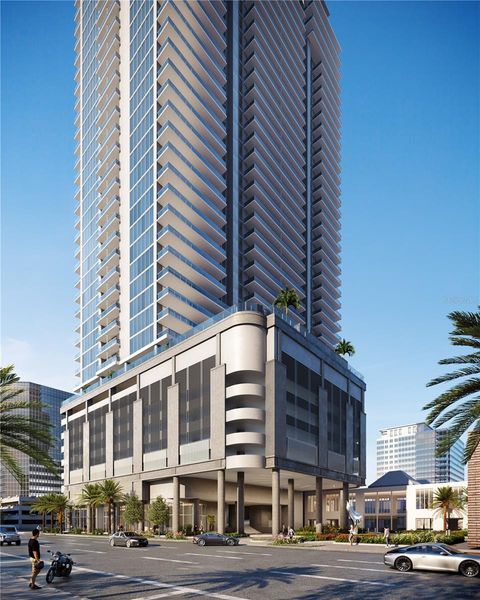
Downtown residential product is primarily condominiums and newer mixed-use developments. The downtown condo market in St. Petersburg is active and growing, with new towers adding to a skyline that has changed substantially since 2015. Condo prices in downtown St. Petersburg run from approximately $200,000 for a one-bedroom in an older building to over $1 million for a penthouse or large unit in a premium tower. The Duke Energy Center for the Arts — The Mahaffey Theater — is the city’s premier performing arts venue with 2,031 seats, hosting Broadway touring productions, classical performances, and the Florida Orchestra.
Tropicana Field, home of the Tampa Bay Rays, is located just north of downtown. Note that the Rays organization has announced plans for a new stadium development at the Historic Gas Plant District site adjacent to the current stadium, which will include significant mixed-use redevelopment. This project is expected to reshape the downtown-adjacent market in coming years.
Schools in St. Petersburg
St. Petersburg is served by Pinellas County Schools, the seventh-largest school district in Florida with 150 schools and significant variation in individual school performance across the city. The district earned its first-ever A rating from the Florida Department of Education in 2023-2024 and maintained that designation. For buyers with school-age children, the specific school zone for any address is the relevant data point — the district rating tells you something about the system overall but nothing about the specific school your child will attend.
St. Petersburg High School, located in the Old Northeast area, is one of the most historic schools in the city and the home of Florida’s first International Baccalaureate Diploma Programme — a distinction that speaks to the school’s academic orientation. St. Petersburg Collegiate High School, a charter school, consistently ranks among the top sixty schools in Florida and offers a dual-enrollment model that allows students to earn college credits while completing high school. Osceola Fundamental High School is a magnet school that focuses on academics and consistently earns strong performance rankings within the district.
Elementary school quality varies considerably by neighborhood. Gulf Beaches Elementary Magnet School and Pasadena Fundamental Elementary are among the higher-performing schools in the district. As with any large urban school district, buyers should use the Pinellas County Schools school locator tool to identify the specific school an address is zoned for, then research that school’s current grade and parent reviews. School zone assignments do change, and it is worth verifying at the time of purchase rather than relying on information that may be months or years old.
Waterfront Access and Outdoor Life
St. Petersburg’s waterfront geography gives it an outdoor life that very few Florida cities can match. The city has approximately 125 parks covering 2,500 acres and a seven-mile continuous downtown waterfront along Tampa Bay. The variety of water access ranges from downtown waterfront parks to nature preserves to private boat docks behind residential homes.
The St. Pete Pier is the most visible public waterfront asset: rebuilt and reopened in 2020, the Pier is a 1,800-foot pedestrian walkway extending into Tampa Bay with multiple restaurants, a bait shop, kayak and paddleboard rentals, a children’s area, and panoramic Bay views. Vinoy Park, adjacent to the pier, is one of the city’s most popular green spaces and the site of major outdoor events throughout the year.
Weedon Island Preserve is one of the most significant natural areas in Pinellas County — a 3,190-acre preserve of aquatic and upland ecosystems in the northeastern corner of St. Petersburg, accessible by kayak, canoe, and walking trails. The preserve includes a cultural and natural history center and provides direct access to Old Tampa Bay’s quieter waters. Nearby Fort De Soto County Park, just south of St. Petersburg in Tierra Verde, is consistently ranked among the best beaches in the United States.
For boat owners, St. Petersburg offers multiple marina options along the downtown waterfront and in the residential neighborhoods. The Vinoy Basin Marina is the most prominent, with slip access in the heart of downtown. Weedon Island and Salt Creek Marina offer options further north. Buyers seeking canal-front homes with private dock capability should focus their search on Shore Acres, Venetian Isles, Coquina Key, and select properties in Greater Pinellas Point.
The broader Gulf beach access from St. Petersburg is through a series of barrier island communities reachable via the Pinellas Bayway and the bridge systems. St. Pete Beach, Treasure Island, and Pass-a-Grille are the primary beach destinations for St. Petersburg residents — all reachable in 20 to 30 minutes by car from most parts of the city. Fort De Soto’s beaches are among the finest in Florida and are accessible from the southern tip of the peninsula in under 25 minutes from most St. Petersburg neighborhoods.
Arts, Culture, and the Craft Beer Scene
St. Petersburg’s transformation into a major arts and culture destination is one of the defining stories of the Tampa Bay area over the past two decades. The city now has more street murals per capita than any other city in the United States — over 70 at last count — spread across its warehouse and arts districts. The arts infrastructure is institutional as well as street-level: the Dali Museum, the Museum of Fine Arts, the Chihuly Collection, the James Museum of Western and Wildlife Art, and the Morean Arts Center all occupy the downtown and Central Arts District.
The Mahaffey Theater serves as the city’s main performance venue, with 2,031 seats and a calendar that includes the Florida Orchestra, Broadway touring companies, pop concerts, comedy, and dance. The venue’s waterfront location adds to its draw. Smaller performance spaces and music venues are spread across the downtown and Central Avenue corridors.
The craft beer scene in St. Petersburg has become one of the city’s most prominent lifestyle identifiers. The greater St. Pete-Clearwater area markets itself as “The Gulp Coast,” a play on the Gulf Coast name that reflects the density of craft breweries in the region — over 50 in the metro area. In St. Petersburg specifically, the Grand Central District and Central Avenue corridor house seven or more breweries within walking distance of each other. Green Bench Brewing Company, the first craft brewery to open in the city in 2013, named its flagship beers after local landmarks — including a Surrealist IPA as a nod to the Dali Museum. Cage Brewing, Bayboro Brewery, Dissent Craft Brewing, and Grand Central Brewhouse are among the established names in the scene.
This combination — the arts institutions, the street art, the craft brewery culture, the waterfront, and a genuine restaurant and nightlife scene along Central Avenue and Beach Drive — is why St. Petersburg is no longer marketed as a retirement destination. The city has attracted a wave of remote workers, creative professionals, and younger buyers over the past decade that has permanently changed its demographic profile and its real estate market.
Flood Zones: What St. Petersburg Buyers Must Understand
Flood zone exposure is not optional information in St. Petersburg — it is a fundamental variable in every real estate decision. The city is a peninsula surrounded on three sides by water, and virtually every neighborhood has some relationship with flood risk. The critical distinction for buyers is between the different flood zone designations and what they mean for insurance requirements and costs.
FEMA designates flood zones based on risk level. Zone AE is the most common high-risk designation in St. Petersburg — these are Special Flood Hazard Areas where there is a 1% annual chance of flooding (the so-called 100-year flood). Properties in Zone AE with federally backed mortgages are required to carry flood insurance. Zone VE designates coastal high-hazard areas subject to wave action in addition to flooding, and is found in the most exposed coastal locations. Zone X is the low-risk designation — properties here are outside the Special Flood Hazard Area and are not required to carry flood insurance, though one in five flood insurance claims nationally comes from Zone X properties.
Hurricane Helene in September 2024 and Hurricane Milton in October 2024 brought storm surge flooding to parts of St. Petersburg that had not flooded in decades, recalibrated buyer and seller expectations about flood risk, and prompted FEMA to expand high-risk flood zone designations in several neighborhoods including Shore Acres, Coquina Key, and portions of Snell Isle. Some properties that previously required flood insurance saw their premiums increase substantially under FEMA’s Risk Rating 2.0 model. Flood insurance premium increases of 20 to 70 percent on certain high-risk St. Pete properties have been reported in 2026 market data.
The practical guidance for buyers is this: run a FEMA flood zone check on every property before making an offer. Confirm whether the property is in Zone AE, Zone VE, or Zone X. Request the elevation certificate if one exists — it can demonstrate that a property’s actual elevation is above the base flood elevation and qualify the owner for reduced flood insurance premiums. Factor flood insurance cost into the total monthly housing payment calculation. And work with a Pinellas County agent who understands the distinction between a Shore Acres canal home that flooded in 2024 and a Crescent Lake bungalow in Zone X that has never seen storm surge water.
Buying a Home in St. Petersburg
The St. Petersburg buyer market is competitive in the most desirable neighborhoods and more patient-friendly in others. Old Northeast, Snell Isle, and Kenwood regularly see well-priced properties generate multiple offers within the first week. Coquina Key and Venetian Isles move more slowly simply because there are fewer buyers who qualify for or want to pay for those price points. Downtown condos can sit on the market for months if priced above comparable sold data. Understanding the specific micromarket dynamics of the neighborhood you are buying in is as important as understanding the citywide market conditions.
Buyers relocating from out of state — a significant portion of the St. Petersburg buyer pool — should be especially diligent about flood zone research, insurance costs, and the distinction between neighborhoods that took water in 2024 and neighborhoods that did not. The city’s post-hurricane market has sorted itself somewhat: waterfront neighborhoods with significant flood exposure are pricing in that risk to varying degrees, while inland neighborhoods with Zone X designations have maintained or increased their appeal. A skilled local agent can walk you through this distinction in the context of specific properties and specific price points.
St. Petersburg does not have widespread CDD fees. The city’s older, established neighborhoods predate the CDD structure that characterizes Florida’s master-planned communities. HOA fees vary by neighborhood and community — many of the older single-family neighborhoods have no HOA at all, while some condominium communities have substantial monthly fees that cover exterior maintenance, amenities, and building insurance. Buyers buying in HOA communities should request the current year’s budget, reserve study, and meeting minutes before committing to a purchase. For condos specifically, the structural integrity reserve requirements passed after the Surfside collapse mean that some older St. Pete condo buildings are facing significant special assessments.
Pinellas County property taxes apply across St. Petersburg. The combined millage rate in St. Pete city limits includes city taxes in addition to county taxes, typically resulting in effective rates around 1.2 to 1.6 percent of assessed value for non-homesteaded properties. Florida’s homestead exemption reduces taxable value by $50,000 for primary residences, and the Save Our Homes cap limits annual assessment increases for homesteaded properties to 3 percent or the rate of inflation, whichever is lower.
Barrett Henry works with buyers in St. Petersburg and across Pinellas County. The REMAX Collective office in Largo serves the Pinellas market. Call or text (813) 733-7907 or use the online contact form to discuss your St. Petersburg search.
Selling a Home in St. Petersburg
Selling in St. Petersburg in 2026 and 2026 requires a more nuanced approach than the straightforward seller’s market of 2021 and 2022. The market has normalized: well-priced homes in desirable neighborhoods still sell with reasonable speed, but overpriced listings sit, and properties with flood zone complexity or deferred maintenance require careful pricing strategy to move efficiently.
For waterfront and canal-front sellers in particular, the post-hurricane market requires honest pricing that accounts for updated flood zone designations, flood insurance costs, and buyer awareness of the risk that 2024’s storms made very clear. Properties that experienced flooding need to be disclosed accurately, with documentation of remediation work completed. Buyers in these neighborhoods are conducting more thorough due diligence than they did before 2024, and sellers who try to obscure storm damage history or insurance claims are setting themselves up for deal failures at inspection or financing.
Presentation matters enormously in the St. Petersburg market because the buyer pool is increasingly sophisticated. Remote workers comparing multiple Florida metros, buyers from high-cost Northeast and Midwest markets looking for value, and international buyers drawn to the waterfront and lifestyle are all active in St. Pete. Professional photography, accurate floor plans, and targeted digital marketing are baseline expectations for any listing in this environment. Barrett provides professional photography on every listing and custom marketing strategy based on the specific neighborhood and buyer profile most likely to purchase the property. Start with a free home valuation.
St. Petersburg Market Data Reference
The following figures are drawn from 2025 market data and are provided as reference points. Specific values vary by neighborhood, property type, and market timing. Always verify current figures with a local agent before making decisions.
| Data Point | Reference Figure | Notes |
|---|---|---|
| Median SFH sale price | ~$462,000 | 2025 citywide; varies significantly by neighborhood |
| Median condo sale price | ~$285,000 | 2025; older buildings vs. new towers vary widely |
| Snell Isle median | ~$890,000 | Waterfront island premium; top end $5M+ |
| Old Northeast range | $550K – $2M+ | Historic bungalows to large waterfront homes |
| Magnolia Heights / Crescent Lake | $350K – $700K | Inland; lower flood zone exposure |
| Greater Pinellas Point | $300K – $1M+ | Wide range; varies by waterfront access |
| Pinellas County millage | ~18–22 mills | City taxes additional for St. Pete city limits |
| Homestead exemption | $50,000 | Florida standard; reduces taxable value |
| Flood zone (waterfront areas) | AE or VE | Verify per parcel; insurance required with federal mortgage |
| Drive to Tampa (I-275) | 25–35 min | Traffic-dependent; Gandy Bridge is alternate route |
Frequently Asked Questions: St. Petersburg Real Estate
What is the median home price in St. Petersburg, FL?
The median sale price for single-family homes in St. Petersburg ran approximately $462,000 in 2026. Condominiums averaged around $285,000. These are citywide figures that span an enormous range — from townhomes in the $250,000s to waterfront estates on Snell Isle, Venetian Isles, and Coffee Pot Bayou reaching $5 million and beyond. The specific neighborhood, flood zone, water access, and condition of the property all drive the actual value more than the citywide median.
Is St. Petersburg a good place to buy investment property?
St. Petersburg has been a strong rental market due to its combination of population growth, a large young-professional renter demographic, and a tourism economy that supports short-term rentals in neighborhoods near the beaches and downtown. Long-term rental demand is consistent across the city, particularly near downtown, the arts districts, and in neighborhoods with walkability. Short-term rentals require compliance with St. Petersburg’s vacation rental ordinance, which has zoning and registration requirements. Buyers considering investment properties should confirm the specific property’s rental eligibility before purchasing.
Which St. Petersburg neighborhoods have the lowest flood risk?
Inland neighborhoods in central and south St. Petersburg that are not on canals or bay-adjacent areas typically carry the lowest flood risk — Zone X designations that do not require flood insurance. Neighborhoods like Magnolia Heights, Jungle Terrace, Pinellas Point inland sections, and Greater Carver City/Lincoln Gardens tend to have lower flood zone exposure than the waterfront and canal neighborhoods. However, every property should be individually verified via a FEMA flood zone determination — neighborhood generalizations are starting points, not definitive answers.
How did Hurricanes Helene and Milton affect the St. Pete housing market?
Hurricanes Helene (September 2024) and Milton (October 2024) brought storm surge flooding to parts of St. Petersburg — particularly Shore Acres, Coquina Key, and portions of Snell Isle — that had not experienced that level of flooding in decades. The immediate aftermath saw price reductions on flooded properties, expanded FEMA flood zone designations, and significantly increased flood insurance premiums in affected areas. By 2025, the market had largely absorbed these events, but flood zone awareness among buyers increased materially. Sellers in affected neighborhoods face more diligent buyer due diligence than before 2024.
Are there HOA fees in St. Petersburg neighborhoods?
Many of St. Petersburg’s established single-family neighborhoods have no HOA, particularly the older historic neighborhoods like Old Northeast, Shore Acres, Magnolia Heights, and Crescent Lake. Some newer planned communities and all condominium buildings have HOA or condo association fees. Condo fees in St. Petersburg vary widely — from under $300 per month in older buildings to over $1,500 per month in luxury towers with extensive amenities. Post-Surfside condominium legislation in Florida has required many older condo buildings to fund reserves for structural repairs, which is resulting in special assessments at some buildings. Request the financial documents for any condo association before making an offer.
What school should my child attend in St. Petersburg?
School attendance in St. Petersburg is determined by your specific home address and Pinellas County Schools boundary maps, which are updated periodically. The district overall earned an A rating in 2023-2024. Individual school performance varies significantly. St. Petersburg Collegiate High School and Osceola Fundamental High School are among the highest-ranked in the district. St. Petersburg High School offers the IB Diploma Programme. Use the Pinellas County Schools school locator to identify the specific schools assigned to any address you are evaluating, and verify this information is current before relying on it for a purchase decision.
How far is St. Petersburg from Tampa?
St. Petersburg is approximately 22 miles from downtown Tampa by road. The most common route is I-275, which crosses the Howard Frankland Bridge and takes 25 to 40 minutes depending on traffic and time of day. The Gandy Bridge is an alternate route that is roughly parallel and can be faster during off-peak times. The Courtney Campbell Causeway connects the northern Pinellas County communities (Clearwater, Safety Harbor, Oldsmar) to the Tampa Bay area through a different route. Tampa International Airport is approximately 30 to 40 minutes from most St. Petersburg neighborhoods.
What is the condo market like in downtown St. Petersburg?
Downtown St. Petersburg has an active and growing condominium market. Older buildings from the 1970s through 1990s offer lower entry-point pricing but may face special assessment risks under Florida’s new structural reserve requirements. Newer towers built from 2000 onward command premium prices but offer more modern infrastructure. Prices range from under $200,000 for a one-bedroom in an older building to over $1 million for a penthouse or large-format unit in a premium development. The downtown condo market has cooled from the peak of 2021-2022 but remains active, particularly for units in the $300,000 to $600,000 range with bay views or walkable downtown access.
Is St. Petersburg good for retirees?
St. Petersburg has a long history as a retirement destination and remains excellent for retirees despite its demographic transformation toward younger residents. The climate, waterfront access, arts and culture infrastructure, and healthcare options — including several major hospital systems serving the Pinellas market — make it a strong choice. Sun City Center in southern Hillsborough County is the nearest large-scale active adult community. Within St. Petersburg, many retirees gravitate toward waterfront neighborhoods, the downtown condo market, and the Pinellas Point area for its quieter character and bay access.
What are the best neighborhoods in St. Petersburg for families?
Old Northeast and Lakewood Estates are consistently cited as family-friendly neighborhoods in St. Petersburg, with walkability, larger lots, access to parks, and proximity to well-regarded schools. Crescent Lake, Magnolia Heights, and the Euclid-St. Paul area also attract families. Buyers prioritizing school quality should verify the specific school zone for any address rather than assuming that a desirable neighborhood translates to a desirable school assignment. Neighborhoods north of downtown tend to score better for family amenities and school proximity than the southern or beach-adjacent areas.
What does Barrett Henry do for buyers in St. Petersburg?
Barrett Henry is a Broker Associate with REMAX Collective serving the Tampa Bay metro including all of Pinellas County. He holds the e-PRO, MRP (Military Relocation Professional), and SRS (Seller Representative Specialist) designations and has over 23 years of local market experience. For St. Petersburg buyers, Barrett provides neighborhood-specific market analysis, flood zone assessment guidance, total cost of ownership modeling that includes insurance, HOA, and property taxes, and negotiation strategy based on real market data rather than general assumptions. Contact Barrett at (813) 733-7907 or [email protected].
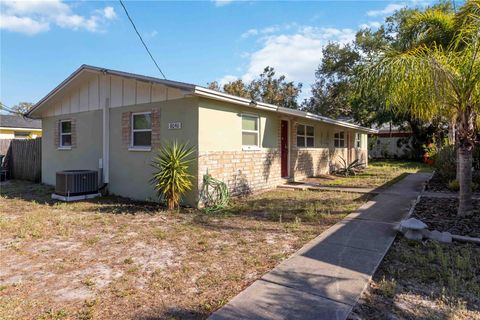
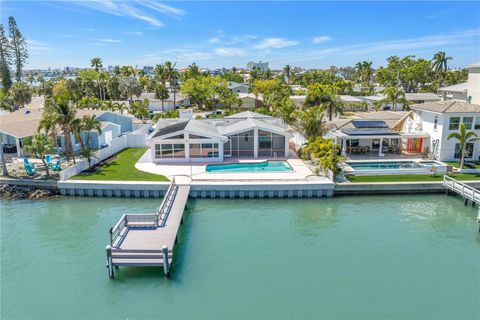
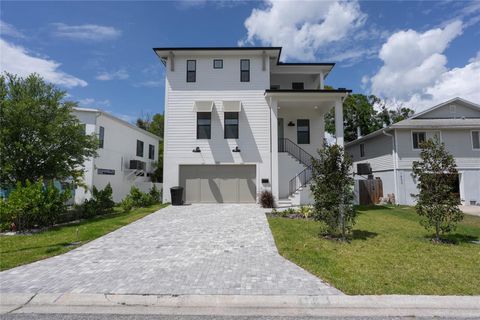
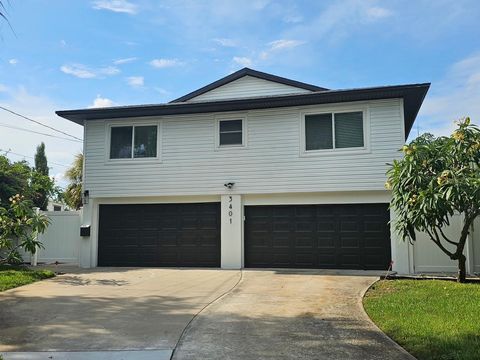
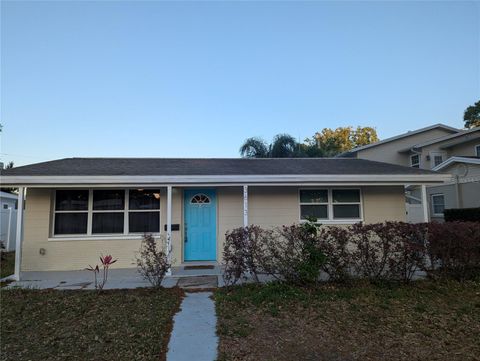
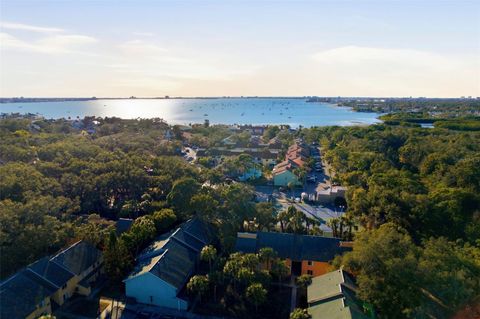
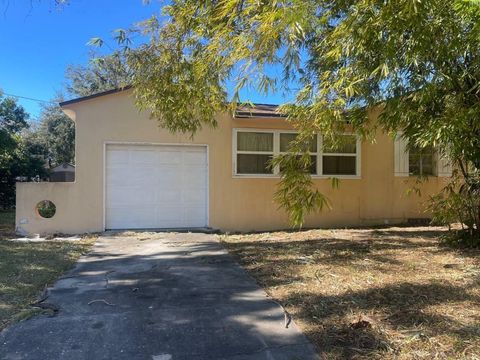
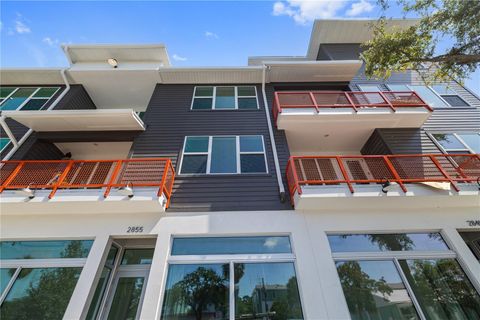
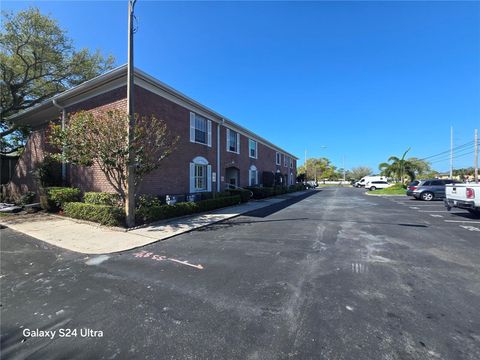
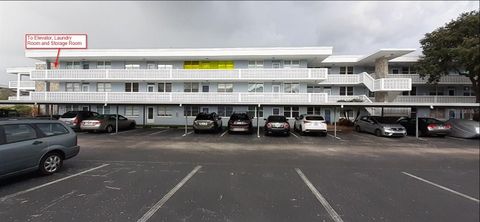
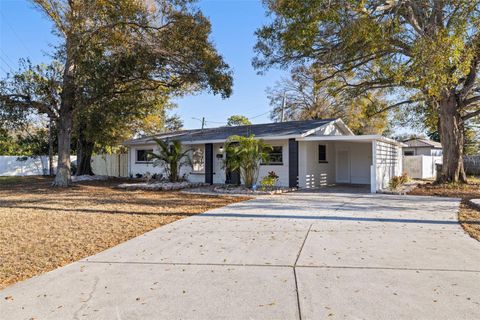
St Petersburg Homes for Sale
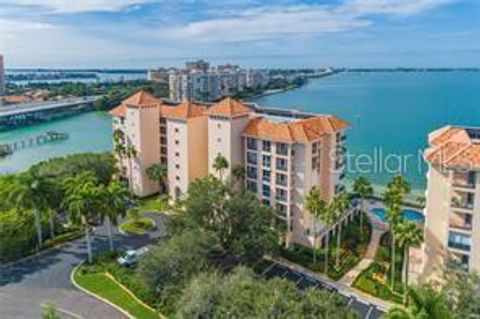
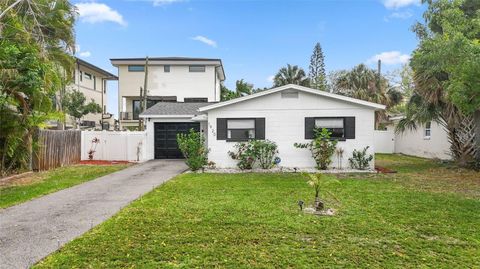
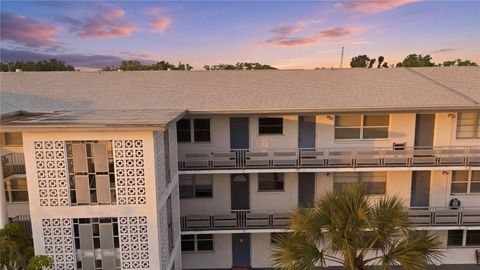
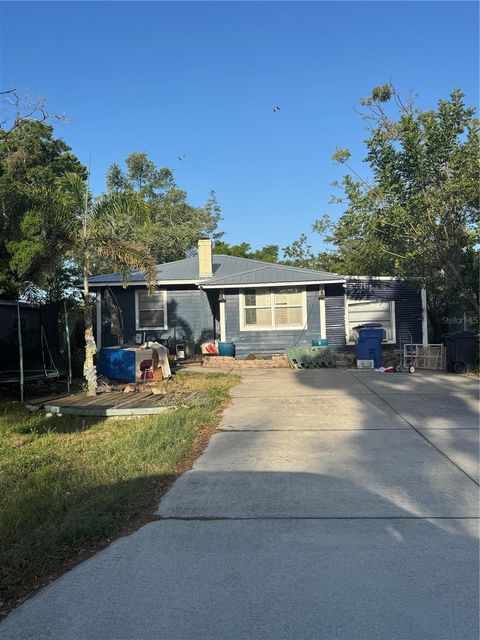
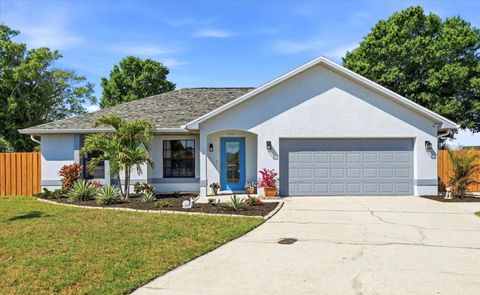
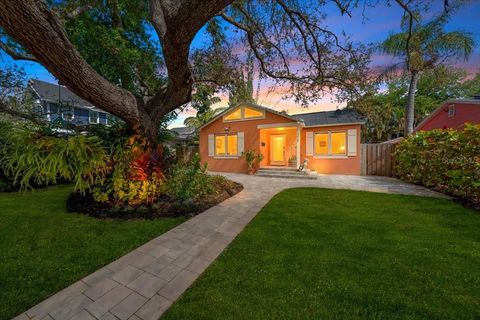
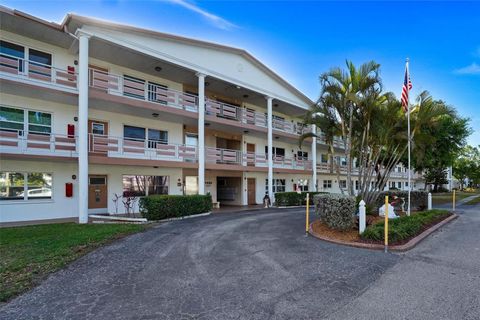
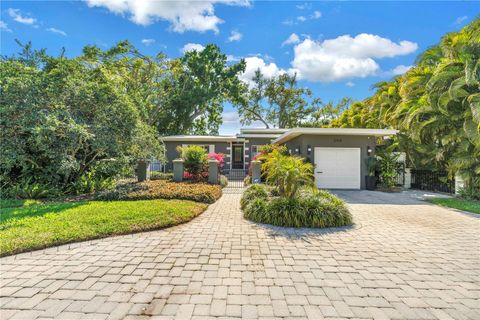
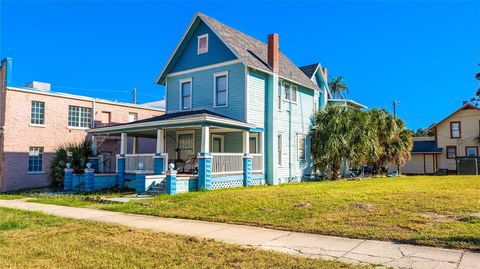
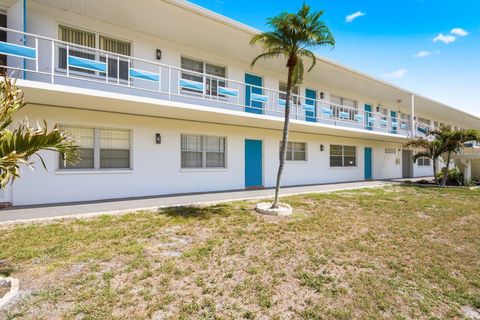
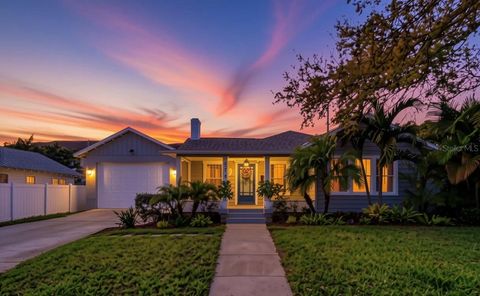
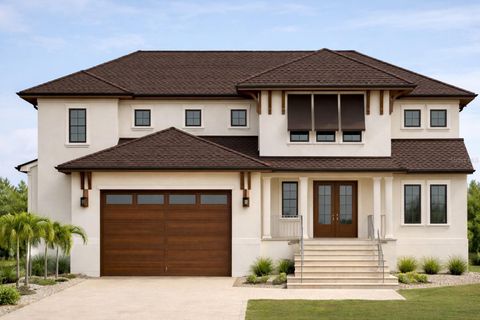
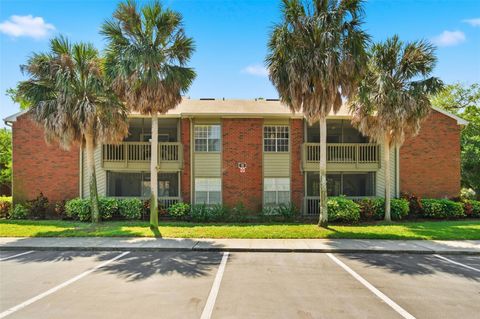
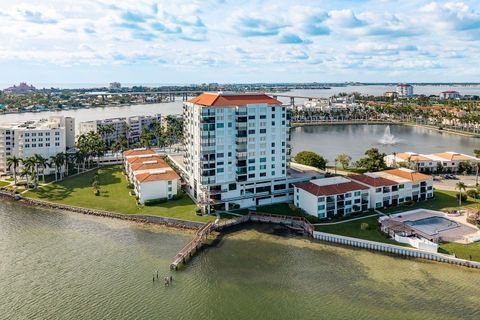
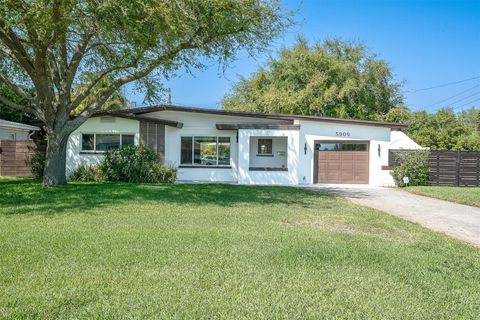
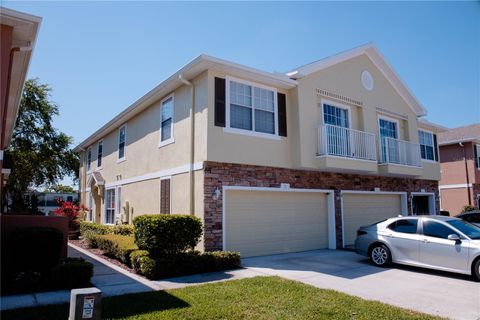
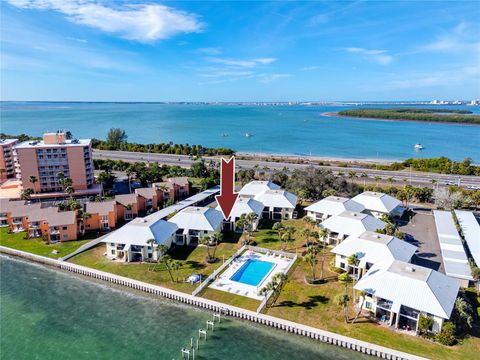
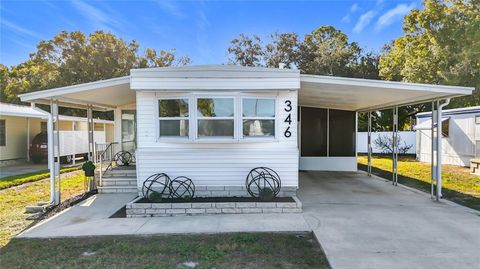
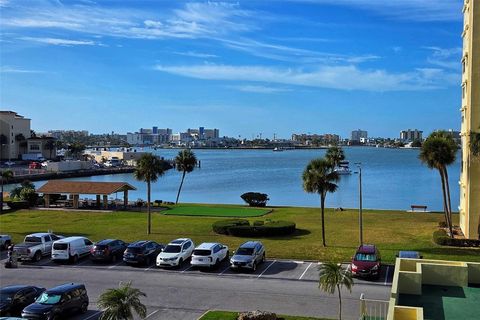
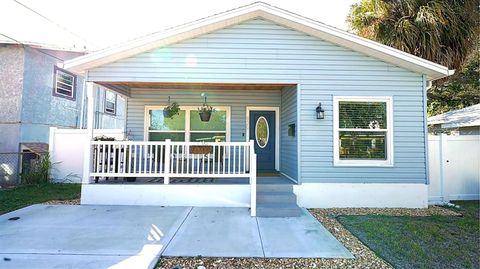
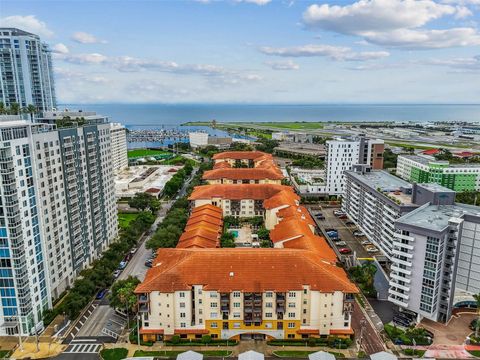
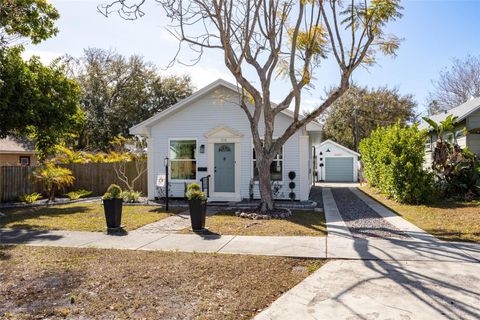
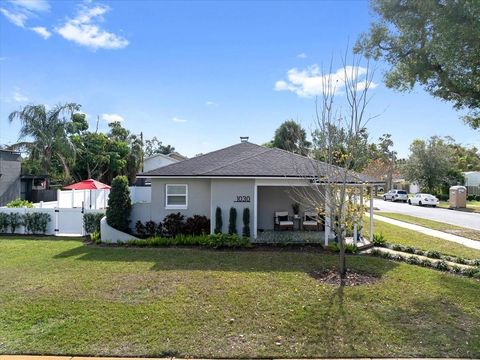
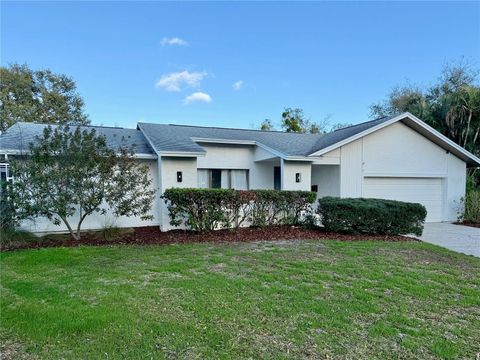
Browse current listings in St Petersburg. Updated directly from Stellar MLS.

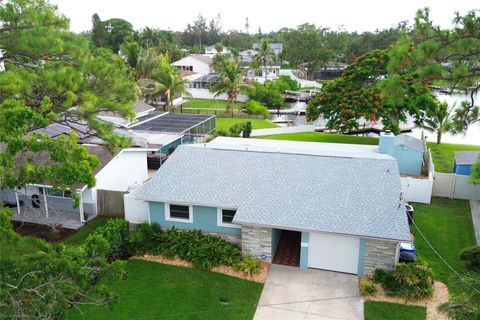
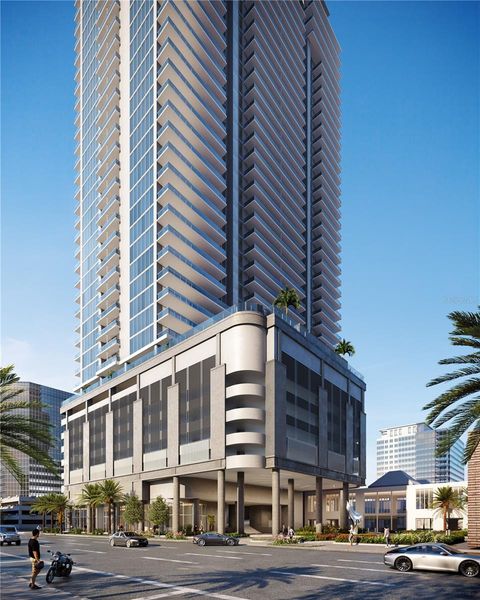
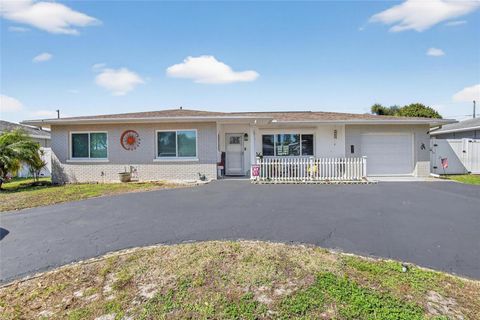
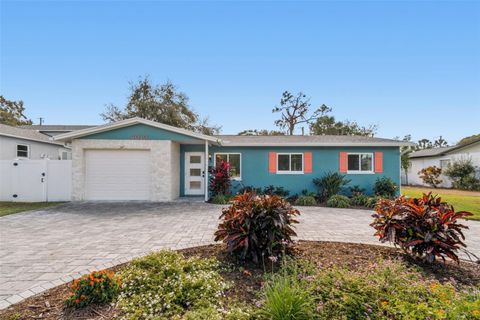
Recently Sold Homes in St Petersburg
See what homes recently sold for in St Petersburg to understand current market values.
Explore St Petersburg Real Estate
- New Listings in St Petersburg
- St Petersburg 55+ Homes
- St Petersburg Condos & Townhomes
- St Petersburg Gated Communities
- St Petersburg Homes with Pool
- St Petersburg Housing Market
- St Petersburg Investment Properties
- Land for Sale in St Petersburg
- St Petersburg Luxury Homes
- St Petersburg Neighborhood Guide
- St Petersburg New Construction
- Open Houses in St Petersburg
- St Petersburg Single Story Homes
- St Petersburg Waterfront Homes
Related: Pinellas County flood zones