Quick Answer
What are the different types of waterfront homes available in Tampa Bay and what do they cost in 2026?
Tampa Bay offers six distinct waterfront categories ranging from $350K lake homes to $11M+ Gulf beachfront estates. Open bay frontage on Tampa Bay (Davis Islands, Bayshore, Apollo Beach) runs $1M–$10M+, while canal homes in Apollo Beach start around $500K with direct bay access. Gulf of Mexico beachfront in Clearwater and Sand Key commands $1M–$11M+. Buyers must budget for seawall inspections, flood insurance ($2,000–$15,000+/year), and dock permits that vary by county. For a broader market overview, see the Florida housing market 2026 forecast and browse luxury Tampa Bay listings.
I have been selling waterfront property across Tampa Bay for over 23 years, and the single biggest mistake I see buyers make is treating all waterfront as the same thing. It is not. A canal home in Apollo Beach with direct bay access is a fundamentally different purchase than a Gulf-front condo in Clearwater Beach or a lakefront estate in north Tampa. The water type, the access, the insurance profile, the seawall obligations, and the long-term appreciation trajectory are all different – and if you do not understand those differences before you start shopping, you will either overpay or buy the wrong property for your lifestyle.
This guide breaks down every category of waterfront available in the Tampa Bay metro, gives you real 2026 pricing data, and walks you through the due diligence that separates informed buyers from expensive mistakes. I am Barrett Henry with REMAX Collective, and whether you are looking at a $400K river-front retreat or an $8M Gulf estate, this is the framework you need.
The Six Categories of Tampa Bay Waterfront
Tampa Bay’s geography creates a waterfront market unlike anywhere else in Florida. We have an enormous bay system, a Gulf coastline with barrier islands, an Intracoastal Waterway, multiple river systems, and dozens of freshwater lakes – all within a single metro area. Each category comes with its own pricing band, insurance requirements, and lifestyle characteristics. Here is how they break down.
Open Bay / Tampa Bay Frontage
Price range: $1M – $10M+
Key neighborhoods: Davis Islands, Bayshore Boulevard, Shore Acres (St. Petersburg), Snell Isle, Apollo Beach bayfront, Harbour Island
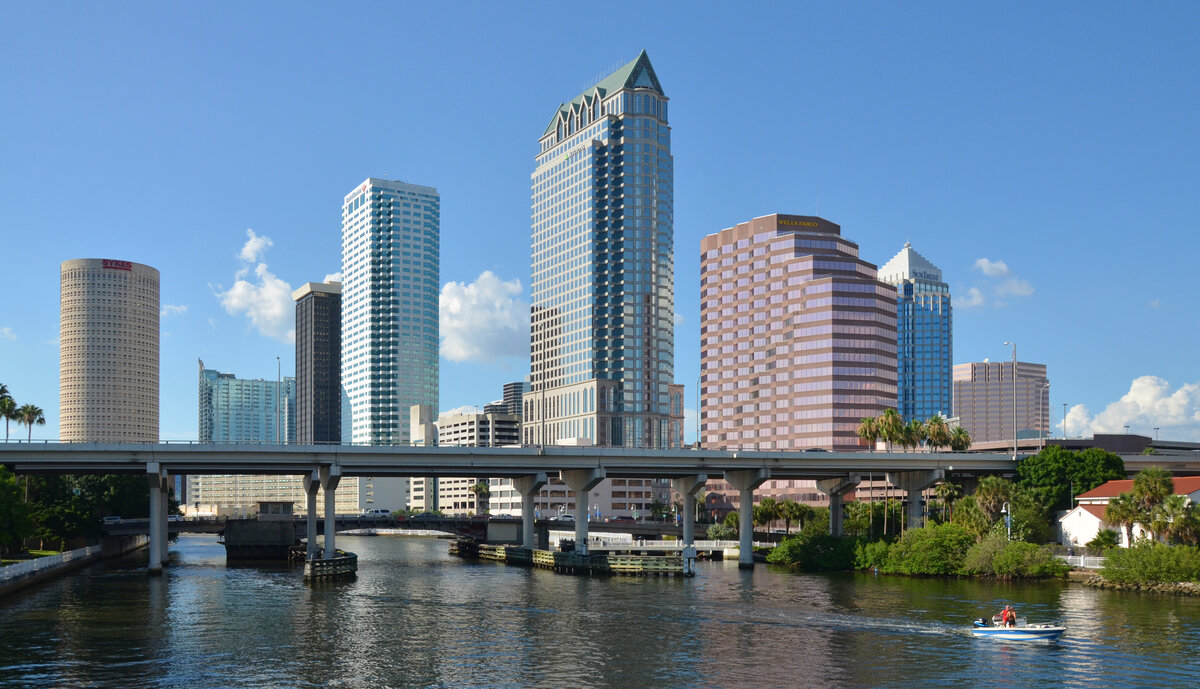
Open bay frontage is the crown jewel of Tampa Bay waterfront. These are properties that sit directly on Tampa Bay or Old Tampa Bay with unobstructed water views, deep-water access, and – in many cases – private docks that can accommodate vessels in the 40- to 60-foot range. Davis Islands remains the most sought-after bayfront address in Hillsborough County, with estate homes routinely trading above $3M and trophy properties pushing past $8M. Bayshore Boulevard offers a different proposition: condominium towers and historic homes along the world’s longest continuous sidewalk, with bay views that never get old. On the Pinellas side, Shore Acres and Snell Isle in St. Petersburg offer bay frontage at slightly lower price points, typically $1M–$4M for single-family homes.
The trade-off with open bay frontage is exposure. These properties take the full force of storm surge during hurricanes, and flood insurance reflects that risk. Seawalls on bay-front properties endure constant wave action and typically need replacement every 25–40 years. But for buyers who want the most prestigious waterfront address in the region, open bay frontage delivers an experience – and a long-term appreciation profile – that no other category matches.
Canal Homes – The Boater’s Sweet Spot
Price range: $500K – $3M
Key neighborhoods: Apollo Beach canal communities, Tierra Verde, Shore Acres canals (St. Pete), Venetian Isles, Bahia Beach
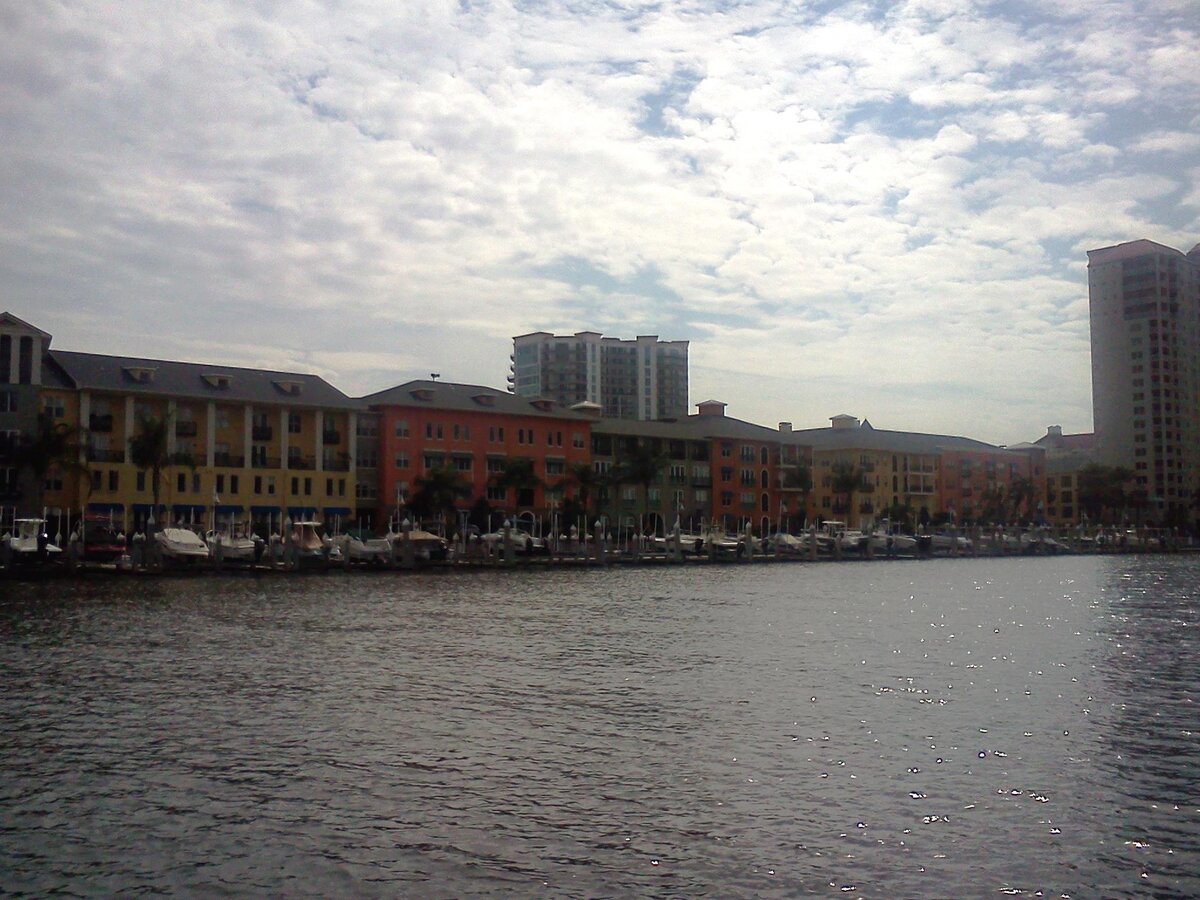
Canal homes are where the waterfront lifestyle meets practical value. Apollo Beach is the epicenter of canal living in Hillsborough County – a network of man-made canals that connect to Tampa Bay, giving homeowners private docks in their backyards with navigable routes to open water. A well-positioned canal home in MiraBay or the original Apollo Beach canal neighborhoods gives you deep-water dockage, direct bay access, and the ability to be in the Gulf of Mexico within 45 minutes by boat – all at a fraction of what you would pay for open bay frontage.
The critical distinction with canal homes is access depth. Not all canals are created equal. Some Apollo Beach canals have controlling depths of 4–6 feet at mean low tide, which accommodates most center-console fishing boats and moderate-draft sailboats. Others are shallower, limiting you to flats boats or kayaks. I always tell my buyers: before you write an offer on a canal home, take your boat to the property at low tide. If your draft clears the canal with 12 inches to spare, you are good. If it does not, keep looking. For the complete picture on canal-front buying in this area, read my Apollo Beach community guide.
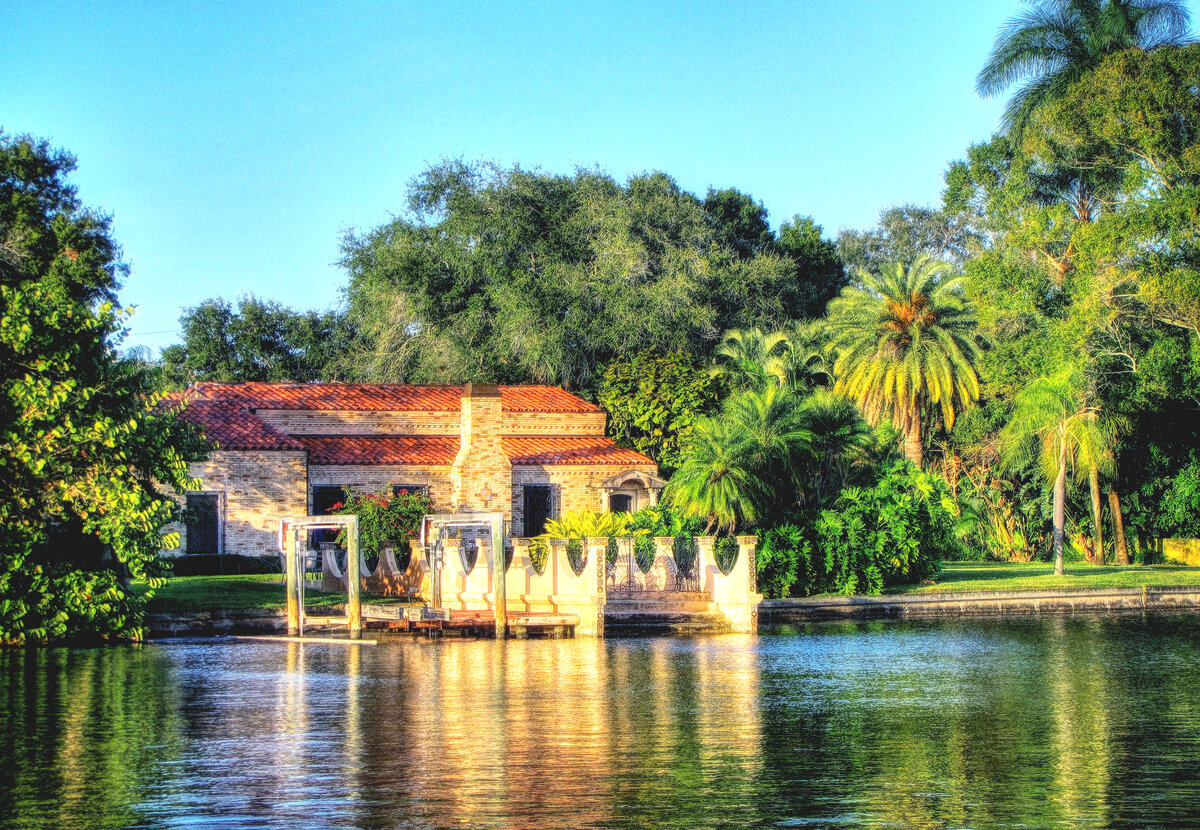
On the Pinellas side, Tierra Verde offers canal living with proximity to Fort De Soto Park and direct Gulf access, typically at higher price points ($700K–$2M+). The Shore Acres canal system in St. Petersburg provides more affordable options in the $500K–$1.2M range with access to Tampa Bay.
Gulf of Mexico Beachfront
Price range: $1M – $11M+
Key neighborhoods: Clearwater Beach, Belleair Beach, Sand Key, Pass-a-Grille, Treasure Island, Redington Beach, Indian Rocks Beach
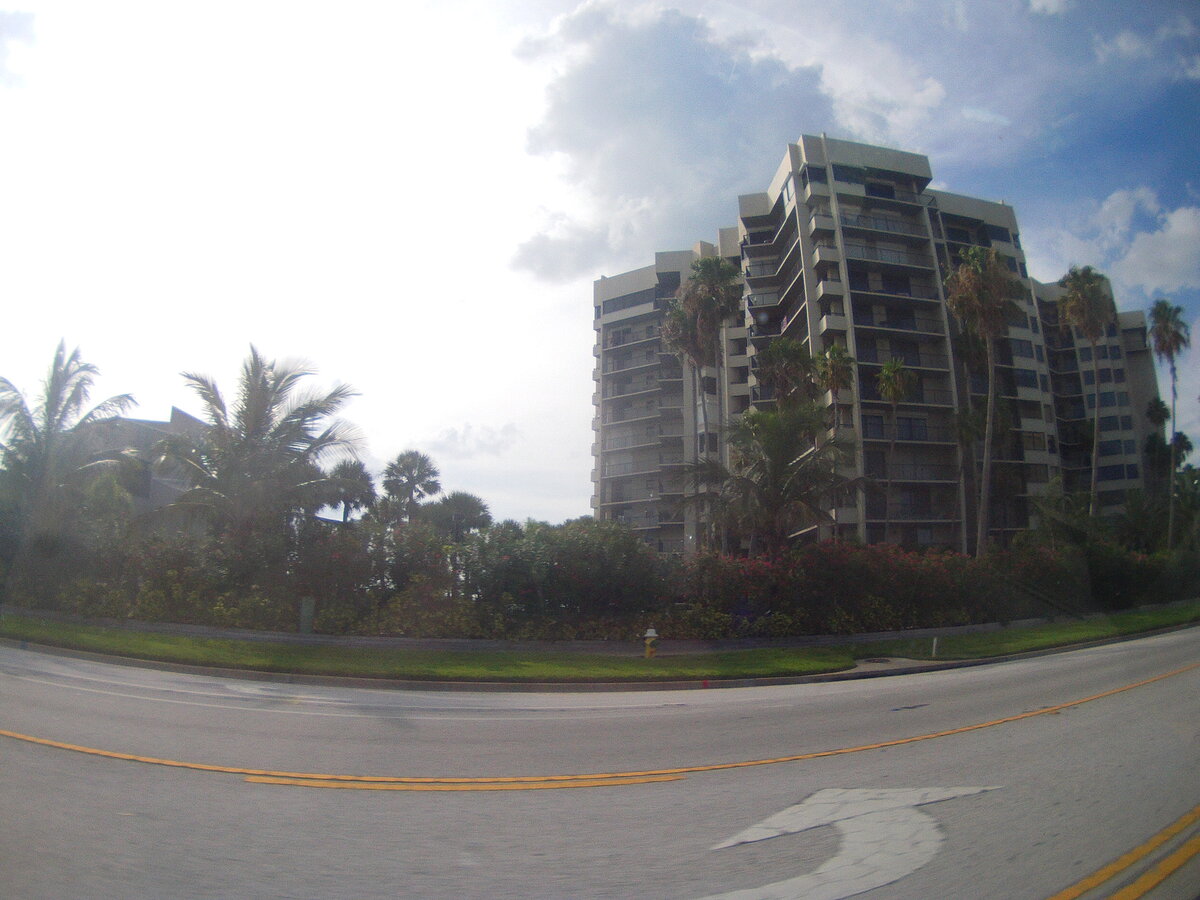
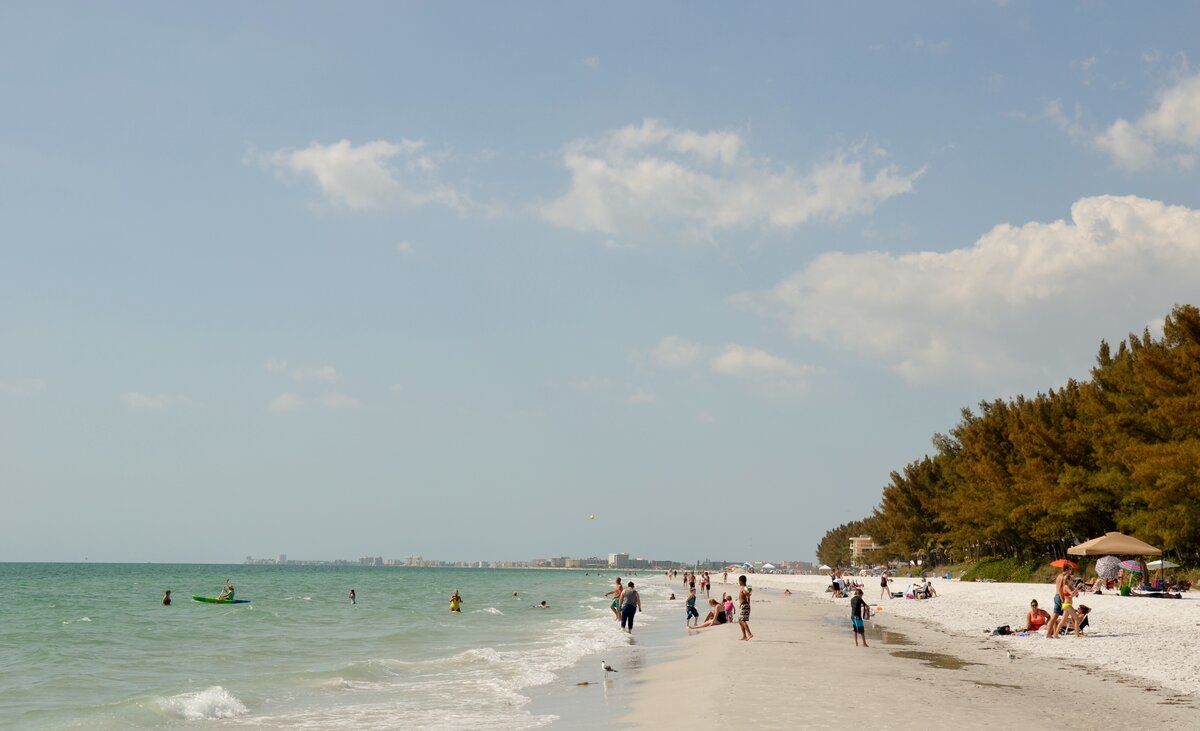
Gulf beachfront is the most expensive waterfront category in Tampa Bay and the one that commands the strongest emotional response from buyers. There is nothing quite like walking out your back door onto white sand with the Gulf of Mexico in front of you. Clearwater Beach consistently ranks among the top beaches in the United States, and direct beachfront homes here start above $2M and can easily exceed $8M for new construction or significant lots. Sand Key, the barrier island just south of Clearwater Beach, offers luxury condominiums in the $800K–$3M range with direct Gulf access and stunning sunset views.
Pass-a-Grille at the southern tip of St. Pete Beach is one of the most charming beachfront communities in all of Florida – a small-town feel with Gulf-front cottages and newer construction trading between $1.5M and $6M. Treasure Island and the Redington beaches offer slightly more accessible price points, typically $1M–$4M for direct beachfront.
The insurance reality on Gulf beachfront is the most significant in the market. These properties sit in the highest-risk flood zones (VE zones in most cases), and combined wind/flood insurance can run $8,000–$15,000+ per year. Older beachfront structures without impact windows, hip roofs, and current wind mitigation features face even higher premiums. If you are considering Gulf beachfront, insurance is not an afterthought – it is a primary line item in your ownership budget.
Intracoastal Waterway Properties
Price range: $800K – $5M
Key neighborhoods: Indian Rocks Beach (bayside), Redington Shores, Madeira Beach, Treasure Island (bayside), Belleair Bluffs
The Intracoastal Waterway (ICW) runs along the backside of Pinellas County’s barrier islands, creating a protected waterway that is ideal for boating without the direct Gulf exposure. ICW-front properties offer deep-water dockage, protected waters for year-round boating, and – in many cases – views across to the mainland that are equally dramatic as the Gulf side. Pricing on the Intracoastal tends to run 20–40% less than comparable Gulf-front properties on the same barrier island, making it an intelligent alternative for buyers who want water access and views without the maximum insurance exposure.
The ICW also provides one of the best boating experiences in the region. You can dock your vessel at your home, cruise south through the Intracoastal to Pass-a-Grille, head out Johns Pass to the Gulf, or cruise north toward Clearwater – all on protected water with fuel stops and marinas along the way. For serious boaters who want daily water access, ICW properties offer a compelling lifestyle argument.
River and Creek Frontage
Price range: $400K – $2M
Key areas: Hillsborough River corridor, Alafia River estates (Riverview/Lithia), Little Manatee River, Braden River
River frontage is Tampa Bay’s most underrated waterfront category. The Hillsborough River corridor running through Tampa offers estate-sized properties with mature tree canopy, kayaking and paddleboarding access, and a sense of seclusion that is rare this close to a major metro. Prices along the Hillsborough River vary significantly – from $400K for modest homes in Temple Terrace to well above $2M for large estates in the Avila or Carrollwood neighborhoods.
The Alafia River in south Hillsborough County – running through Riverview and Lithia – offers a different character entirely. These are larger acreage properties, often 1–5+ acres, with private river access, fishing, and a rural Florida feel despite being 30 minutes from downtown Tampa. Alafia River estates in Lithia typically trade between $500K and $1.5M, with price driven largely by lot size and improvements rather than the water frontage itself.
The insurance advantage of river frontage is real. Many river properties sit in AE or X flood zones with significantly lower flood insurance premiums than bay or Gulf properties. Wind insurance is also typically lower because these homes are inland and shielded by tree canopy and surrounding structures. For buyers who want waterfront living without the coastal insurance burden, river frontage deserves serious consideration.
Lake Homes – The Overlooked Category
Price range: $350K – $1.5M
Key areas: Lake Magdalene, Lake Carroll, Lake Ellen, Lake Thonotosassa, various Tampa lakes
Tampa Bay has dozens of freshwater lakes, and lakefront properties represent the most affordable entry point into waterfront living in the metro. Lake Magdalene in north Tampa is the most well-known, with lakefront homes typically trading between $400K and $1.2M depending on lot size, condition, and direct water access. These lakes offer kayaking, paddleboarding, fishing, and – on the larger lakes – pontoon boating and jet skiing.
The insurance profile for lake homes is significantly more favorable than saltwater waterfront. Many lake properties sit in Flood Zone X (minimal flood risk), which means flood insurance is either not required by lenders or available at very low cost – often under $500/year. Wind insurance is also lower because these properties are inland. The total insurance cost for a lakefront home in Tampa might be $3,000–$5,000/year compared to $10,000–$15,000+ for Gulf or bay frontage. That difference alone can make a lakefront home $500–$800/month cheaper to own than a comparable saltwater property.
Waterfront Neighborhood Comparison Table
| Neighborhood | Water Type | Price Range | Boat Access | Flood Zone | Character |
|---|---|---|---|---|---|
| Davis Islands | Open Bay | $1.5M–$10M+ | Direct deep water | AE / VE | Historic, prestigious, walkable |
| Bayshore Blvd | Open Bay | $1M–$5M+ | Limited (condos) | AE | Iconic boulevard, bay views |
| Apollo Beach (canals) | Canal / Bay | $500K–$1.5M | Canal to bay, Gulf access | AE | Boater’s paradise, family-friendly |
| MiraBay (Apollo Beach) | Bay / Canal | $600K–$3M | Deep water bay access | AE | Gated, resort-style amenities |
| Tierra Verde | Canal / Bay | $700K–$2.5M | Direct Gulf via pass | AE / VE | Island living, near Fort De Soto |
| Shore Acres (St. Pete) | Bay / Canal | $500K–$2M | Canal to Tampa Bay | AE | Mid-century charm, boating culture |
| Clearwater Beach | Gulf Beachfront | $2M–$11M+ | Marina nearby | VE | Top-rated beach, tourism hub |
| Sand Key | Gulf / ICW | $800K–$3M | Marina access | VE | Luxury condos, quieter than Clearwater |
| Pass-a-Grille | Gulf Beachfront | $1.5M–$6M | Pass access to Gulf | VE | Old Florida charm, cottage feel |
| Treasure Island | Gulf / ICW | $1M–$4M | ICW dockage, Gulf access | AE / VE | Relaxed beach town, strong rentals |
| Indian Rocks Beach | Gulf / ICW | $800K–$5M | ICW dockage | AE / VE | Local favorite, low-key beach life |
| Hillsborough River | River | $400K–$2M | Kayak/paddleboard | AE / X | Tree canopy, estate-style lots |
| Alafia River (Lithia) | River | $500K–$1.5M | Kayak/small boat | AE / X | Acreage, rural Florida, equestrian |
| Lake Magdalene | Lake | $400K–$1.2M | Pontoon/kayak | X (most) | Established neighborhoods, low insurance |
The Waterfront Premium – How Much More Does Water Cost?
One of the most common questions I get from buyers is straightforward: how much more am I paying just because a home is on the water? The answer varies by water type, but here is what the data shows across Tampa Bay in 2026.
| Waterfront Type | Premium vs. Non-Waterfront | Additional Annual Costs |
|---|---|---|
| Gulf beachfront | 100–300%+ | $8K–$15K+ (insurance), seawall/erosion |
| Open bay frontage | 80–200% | $6K–$14K (insurance), seawall maintenance |
| Intracoastal Waterway | 50–150% | $5K–$10K (insurance), dock upkeep |
| Canal (bay access) | 40–100% | $4K–$10K (insurance), seawall, dock |
| River frontage | 20–60% | $2K–$5K (insurance), bank stabilization |
| Lake frontage | 15–50% | $500–$3K (insurance), shoreline maintenance |
The purchase price premium is only half the story. Waterfront ownership carries ongoing costs – insurance, seawall maintenance, dock repairs, boat lifts – that non-waterfront buyers simply do not face. I always tell my luxury home buyers: budget for the total cost of ownership, not just the mortgage payment. A $700K canal home with $12K/year in insurance and a $40K seawall replacement coming in five years is a fundamentally different financial commitment than a $700K inland home with $4K/year insurance and a fence to maintain.
Seawalls – The Hidden Deal-Breaker
If I had to pick the single most important due diligence item for waterfront buyers, it would be the seawall inspection. Seawalls are the engineered barrier between your property and the water, and their condition directly affects your property value, your insurance options, and – in some cases – your ability to get financing.
Seawall Types in Tampa Bay
- Concrete panel seawalls: The most common type in Apollo Beach and most canal communities. Typical lifespan of 30–50 years. Replacement cost: $400–$700 per linear foot.
- Vinyl sheet pile seawalls: Growing in popularity for new construction and replacements. More resistant to saltwater corrosion than concrete. Replacement cost: $350–$600 per linear foot.
- Steel sheet pile seawalls: Common on commercial waterfronts and some older residential properties. Vulnerable to corrosion in saltwater. Replacement cost: $500–$900 per linear foot.
- Rip-rap (rock revetment): A sloped rock barrier rather than a vertical wall. Common along river properties and some bay-front areas. Lower cost ($300–$500 per linear foot) but requires more shoreline setback.
- Composite/hybrid systems: Newer technology combining materials for longer lifespan. Used primarily on high-end properties. Cost: $600–$1,000+ per linear foot.
What a Seawall Inspection Reveals
A qualified marine contractor will inspect both the visible structure above the waterline and the buried portion below grade. They are looking for cracking, spalling (concrete flaking), separation at panel joints, soil erosion behind the wall (voids that can cause sinkholes in your yard), and tidal weep holes that indicate water is penetrating through the wall. On a typical 100-linear-foot canal lot, a seawall replacement can cost $40,000–$70,000. On a 200-foot bayfront lot, you could be looking at $100,000–$150,000+. I have seen buyers walk away from otherwise perfect waterfront homes because the seawall needed immediate replacement and the seller refused to credit for it. I have also seen savvy buyers negotiate $50,000–$80,000 off the purchase price to account for seawall work, turning a problem into equity.
Bottom line: a seawall inspection is non-negotiable on any saltwater waterfront purchase. Period.
Dock Permits and Regulations
If you are buying waterfront to keep a boat at your property, you need to understand the permitting landscape before you close. The rules differ significantly between Hillsborough and Pinellas counties, and what you can build varies by waterway classification.
Hillsborough County
- Dock permits are issued through Hillsborough County Environmental Protection Commission (EPC) and often require state-level approval through FDEP (Florida Department of Environmental Protection)
- Most canal docks in Apollo Beach are grandfathered or previously permitted – verify the existing dock permit before purchase
- New dock construction typically requires a survey, environmental review, and approval timeline of 60–120 days
- Boat lifts generally require a separate permit but are routinely approved on canal properties
- Maximum dock extension into the waterway is typically limited to 25% of the canal width or waterway width
Pinellas County
- Pinellas County uses a more streamlined permitting process for residential docks on the Intracoastal and bay-front properties
- Dock size, setbacks from property lines, and height restrictions vary by municipality – Indian Rocks Beach has different rules than Treasure Island
- Manatee protection zones impose speed restrictions and, in some areas, limit dock design to allow manatee passage
- Properties on Boca Ciega Bay and the ICW may require Army Corps of Engineers permits for larger dock structures
My advice: before you buy a waterfront property with the plan of adding or expanding a dock, call the relevant county permitting office and get a preliminary opinion. I have seen buyers purchase properties assuming they could build a 40-foot dock only to discover that environmental restrictions limited them to a 15-foot dock that would not accommodate their boat. Do the research first.
Flood Insurance – What to Expect
Flood insurance is the single largest variable cost in waterfront homeownership, and FEMA’s Risk Rating 2.0 methodology has changed how premiums are calculated. Under the old system, flood insurance was primarily based on whether your property sat in a designated flood zone on FEMA’s maps. Under Risk Rating 2.0, premiums are calculated based on your specific property’s risk profile – including distance to water, flood source type, elevation relative to flood levels, and replacement cost of the structure.
Flood Insurance Cost by Waterfront Type (2026 Estimates)
| Waterfront Type | Typical NFIP Premium | Private Flood Option | Key Factor |
|---|---|---|---|
| Gulf beachfront (VE zone) | $8,000–$15,000+/yr | $5,000–$12,000/yr | Elevation, wave action exposure |
| Open bay frontage (AE/VE) | $5,000–$12,000/yr | $3,500–$9,000/yr | Storm surge risk, distance to bay |
| Canal homes (AE zone) | $3,000–$8,000/yr | $2,000–$6,000/yr | Floor elevation vs. base flood |
| ICW properties (AE zone) | $3,000–$7,000/yr | $2,000–$5,000/yr | Protected waterway = lower surge |
| River frontage (AE/X) | $1,500–$4,000/yr | $800–$3,000/yr | Inland = lower coastal risk |
| Lake frontage (X zone) | $400–$2,000/yr | $300–$1,500/yr | Minimal flood risk, often optional |
Understanding FEMA Flood Zone Designations
- Zone VE (Coastal High Hazard): Direct coastal flooding with wave action. The highest-risk designation. Most Gulf beachfront properties. Flood insurance is mandatory with a mortgage and premiums are the highest.
- Zone AE (Base Flood Elevation): High-risk flood zone without wave action. Most bay-front, canal, and ICW properties. Flood insurance is mandatory with a mortgage. Premiums vary based on your structure’s elevation relative to the Base Flood Elevation (BFE).
- Zone X (Moderate to Minimal Risk): Outside the 100-year floodplain. Most lake homes and some elevated river properties. Flood insurance is not required by lenders but is still recommended – roughly 25% of all flood claims nationally come from Zone X properties.
Elevation certificates are your best friend. An elevation certificate documents your home’s finished floor elevation relative to the Base Flood Elevation. If your home sits above the BFE, your flood insurance premium drops significantly. If it sits below, you will pay a premium. Always request the elevation certificate from the seller – if one does not exist, budget $300–$500 to have one prepared by a licensed surveyor. This single document can save you thousands per year on flood insurance. For a complete breakdown of the 2026 Florida market and how insurance is shaping buyer behavior statewide, read my full analysis.
Wind Mitigation Inspections and Insurance Savings
A wind mitigation inspection is one of the smartest investments a waterfront buyer can make in Florida. This inspection documents the wind-resistant features of a home – roof shape, roof-to-wall connections, roof covering type, opening protection (impact windows/shutters), and secondary water resistance. The results are submitted to your insurance company, and the credits can reduce your wind/homeowners insurance premium by 20–50%.
On a waterfront home where homeowners insurance might cost $8,000–$12,000/year, a 30% wind mitigation credit saves you $2,400–$3,600 annually. The inspection itself costs $100–$200. The math is not complicated. Homes built after 2002 in Florida generally qualify for the best wind mitigation credits because the Florida Building Code was significantly strengthened after the 2004–2005 hurricane seasons. If you are shopping for waterfront property and comparing a 1985 home to a 2005 home, the newer home may cost more upfront but save you $3,000–$5,000/year in insurance – a savings that compounds for every year you own the property.
Boat Access Explained – Gulf vs Bay vs No-Wake
For many waterfront buyers, boat access is the entire reason they are paying the premium. Understanding what kind of access a property actually provides is critical.
Direct Gulf Access
Properties on the Gulf coast, Tierra Verde, and some Intracoastal locations offer the shortest route to open Gulf waters. From Tierra Verde, you can be in the Gulf through Bunces Pass in minutes. From Pass-a-Grille, you are steps from open water. Direct Gulf access is the highest-value boating amenity and is priced accordingly.
Bay Access (via Canals or Direct)
Apollo Beach canal homes provide bay access – you navigate your canal to Tampa Bay, and from there you can head south toward the Gulf (approximately 30–45 minutes to open Gulf water via the bay mouth). Bay access is excellent for fishing Tampa Bay’s grass flats, cruising to waterfront restaurants, and accessing the Gulf for offshore trips with some additional run time. Shore Acres in St. Pete offers similar bay access through its canal system.
No-Wake Zones and Restricted Waterways
Many canals and protected waterways in Tampa Bay have designated no-wake zones, particularly near marinas, residential docks, and manatee protection areas. While no-wake zones do not prevent boat access, they do affect your daily boating experience – idling through a half-mile of no-wake zone adds time to every trip. When evaluating a canal property, drive the canal by boat and time your route from the dock to open water at no-wake speed. Some Apollo Beach canals put you in open water in five minutes; others require 15–20 minutes of idle-speed navigation. That difference matters if you are using your boat daily.
Climate, Storm History, and Pricing
After Hurricanes Helene and Milton in late 2024, every waterfront buyer in Tampa Bay is asking the same question: is this going to happen again, and how does it affect what I should pay?
Let me give you the honest answer. Tampa Bay went from 1921 to 2024 without a major direct hurricane strike. That 103-year run of good fortune was statistically unusual, and climatologists had been warning for years that Tampa Bay’s shallow, funnel-shaped geography makes it particularly vulnerable to storm surge. Helene and Milton confirmed what the models predicted – storm surge in parts of Apollo Beach, Shore Acres, Davis Islands, and the barrier beaches reached levels that many homeowners had never experienced.
The pricing impact has been real but not catastrophic. Waterfront properties across Tampa Bay have seen 5–15% price corrections depending on location and damage exposure. The areas most affected – low-elevation bay-front and canal homes that took surge – have seen the steepest declines. Elevated properties, newer construction with hurricane-rated features, and inland waterfront (river and lake) have held up much better. For buyers, the storm history actually creates opportunity. Properties are available at discounts that did not exist 18 months ago, and the homes being rebuilt are going up to current code with significantly better storm resistance. The market is pricing in hurricane risk more accurately than it did before 2024 – and for informed buyers, that repricing creates value.
Practical Buyer Checklist
After 23 years of selling waterfront property in Tampa Bay, here is the checklist I give every waterfront buyer before they write an offer.
- Get an elevation certificate. Request it from the seller or budget $300–$500 to have one prepared. This document is the foundation of your flood insurance pricing.
- Get flood insurance quotes before you make an offer. Contact three flood insurance providers – NFIP (through any insurance agent), a private flood carrier, and your existing homeowner’s insurance company (many now offer flood policies). The difference between NFIP and private market can be thousands per year.
- Get a seawall inspection. Hire a licensed marine contractor – not your home inspector – to evaluate the seawall. Budget $300–$500 for the inspection. It could save you $50,000+ in surprise repairs.
- Understand the FEMA flood zone. Know whether you are in VE, AE, or X. Know your Base Flood Elevation. Know how your home’s finished floor elevation compares to the BFE. These numbers determine your insurance costs for as long as you own the property.
- Verify dock permits. If the property has an existing dock, confirm it is properly permitted. If you plan to add a dock, check with the county permitting office before you close.
- Check boat access at low tide. If boating is your reason for buying waterfront, visit the property at low tide and measure the controlling depth in the canal or waterway. A beautiful dock is worthless if your boat cannot get to it.
- Get a wind mitigation inspection. Budget $100–$200 and schedule it during your inspection period. The insurance savings will pay for it many times over.
- Research storm history. Check FEMA flood claim records for the property address. Properties with prior flood claims may face higher insurance premiums or limited coverage options.
- Budget for total cost of ownership. Your monthly payment is mortgage + property tax + homeowners insurance + flood insurance + seawall reserve + dock/boat lift maintenance. Run the full number before you commit.
- Work with an agent who knows waterfront. A generalist agent may not know to check seawall permits, canal depths, or manatee zone restrictions. Waterfront has its own due diligence layer that inland homes do not require. Reach out if you want an agent who has handled hundreds of waterfront transactions across Tampa Bay.
Frequently Asked Questions
What is the cheapest type of waterfront home in Tampa Bay?
Lake homes are the most affordable waterfront category, with lakefront properties in north Tampa starting around $350K–$400K. Lake homes also carry the lowest insurance costs because most sit in FEMA Flood Zone X with minimal flood risk. River frontage along the Alafia River in Lithia is another affordable option, typically starting around $400K–$500K for homes on acreage.
How much does flood insurance cost for waterfront homes in Tampa Bay?
Flood insurance varies dramatically by property type and location. Lake homes may pay as little as $400–$2,000/year. Canal homes in Apollo Beach typically run $3,000–$8,000/year. Gulf beachfront properties can exceed $15,000/year. The biggest factor is your home’s elevation relative to the Base Flood Elevation – every foot above the BFE reduces your premium, and every foot below increases it substantially.
Do I need a seawall inspection before buying waterfront?
Absolutely yes. A seawall inspection is the most important due diligence item specific to waterfront property. Seawall replacement costs $300–$1,000+ per linear foot, meaning a failed seawall on a 100-foot lot could cost $40,000–$100,000 to replace. A qualified marine contractor can assess the remaining useful life and identify problems that a standard home inspector will miss. This $300–$500 inspection could save you tens of thousands.
Which Tampa Bay neighborhoods offer the best boat access?
For direct Gulf access, Tierra Verde and Pass-a-Grille are the top choices – you can be in open Gulf water within minutes of leaving your dock. For bay access with a route to the Gulf, Apollo Beach canal homes offer excellent value with deep-water canals connecting to Tampa Bay. For Intracoastal cruising, Indian Rocks Beach and Madeira Beach provide protected waterway access with dockage at your home.
Are Tampa Bay waterfront homes a good investment in 2026?
Tampa Bay waterfront has historically outperformed non-waterfront in long-term appreciation, and the post-hurricane price correction has created buying opportunities that will not last indefinitely. The key is buying smart: choose elevated properties, prioritize newer construction or recently renovated homes with wind mitigation features, budget accurately for insurance, and think in terms of 5–10 year holds rather than short-term flips. The fundamentals – population growth, limited waterfront supply, Florida’s tax advantages – remain strong. Browse current Tampa Bay waterfront listings to see what is available.
Related Articles





Explore Luxury Communities



About Barrett Henry – Barrett Henry is a licensed real estate Broker Associate with REMAX Collective, specializing in the Brandon, Riverview, Valrico, and greater Tampa Bay markets. With deep local knowledge and an honest, data-driven approach, Barrett helps buyers and sellers make confident real estate decisions. Learn more
Disclosure: This article is for informational purposes only and does not constitute financial or legal advice. Insurance rates, flood zone designations, and market conditions change regularly – verify all information with qualified professionals before making decisions. Barrett Henry is a licensed real estate broker, not an insurance agent or attorney.
Last Updated: February 11, 2026
Need Help With Tampa Bay Real Estate?
Barrett Henry is a licensed Broker Associate with REMAX Collective serving the entire Tampa Bay market. Whether you are buying, selling, or investing – get straight talk and real data. No pressure, no games.
Schedule a Free Consultation Call (813) 733-7907