Quick Answer
What should you know before buying a condo in Tampa Bay?
Before buying a Tampa Bay condo, review the HOA financials, reserve fund adequacy (new Florida law requires reserves), insurance costs (condo insurance has surged post-Surfside), and any rental restrictions. Florida condo law changed significantly in 2024. Understand HOA rules, review insurance costs, and search Tampa Bay homes for sale.
Last updated July 2022
Condos are one of the most popular entry points into the Tampa Bay real estate market, and for good reason. Lower price points, less maintenance, resort-style amenities, and prime locations that most single-family buyers can’t touch. But buying a condo is a fundamentally different transaction than buying a house. There are association finances to evaluate, new Florida safety laws to understand, financing hurdles that don’t exist with single-family homes, and legal documents that can make or break your investment. I’m Barrett Henry with RE/MAX Collective, and I’ve helped buyers navigate the condo market across Tampa Bay for years. This guide covers everything you need to know before you buy.
Condo vs. Townhome vs. Single-Family Home
Before diving into the condo-specific details, it helps to understand how condos compare to the other common property types you’ll encounter in Tampa Bay. Each one comes with different ownership structures, maintenance responsibilities, and lifestyle trade-offs.
| Condo | Townhome | Single-Family Home | |
|---|---|---|---|
| What you own | Interior unit only (walls in). Association owns the building exterior, roof, common areas. | Unit and sometimes a small yard. May share walls. Varies by community. | The entire structure and the land it sits on. |
| Exterior maintenance | Association handles everything – roof, siding, landscaping, parking areas. | Varies – some HOAs cover exteriors, others make you responsible. | 100% your responsibility. |
| HOA/Condo fees | $200-$600+/month. Covers exterior, insurance, reserves, amenities. | $100-$350/month. Usually less inclusive than condo fees. | $0-$200/month typical. Many have no HOA at all. |
| Amenities | Pool, gym, clubhouse, security common. Higher-end buildings add concierge, rooftop, etc. | Varies. Some have community pools and clubhouses, some have very little. | Only if in an HOA community with amenities. |
| Privacy | Shared walls, hallways, elevators. Least private option. | Shared walls (typically one or two sides). More private than a condo. | No shared walls. Most private option. |
| Yard space | None (balcony or pation at most). | Small pation or yard in most cases. | Full yard – front, back, and sides. |
| Typical price (Brandon area) | $150K-$275K | $200K-$350K | $275K-$500K+ |
| Best for | First-time buyers, downsizers, investors, low-maintenance lifestyle seekers. | Buyers who want some yard space without full single-family maintenance. | Families, buyers who want maximum space, privacy, and control. |
The biggest distinction: when you buy a condo, you’re buying into a community that shares financial responsibility for the entire building. If the roof needs replacing, that’s a collective expense. If the elevator breaks, everyone pays. Your financial fate is tied to the association’s management and the other owners’ willingness to fund necessary maintenance. That shared responsibility is the core difference between condo ownership and everything else.
Condo Prices by Area in Tampa Bay
Condo pricing across Tampa Bay varies dramatically depending on location, age of the building, amenities, and views. Here’s what I’m seeing across the major markets right now.
| Area | Typical Condo Price Range | What to Expect |
|---|---|---|
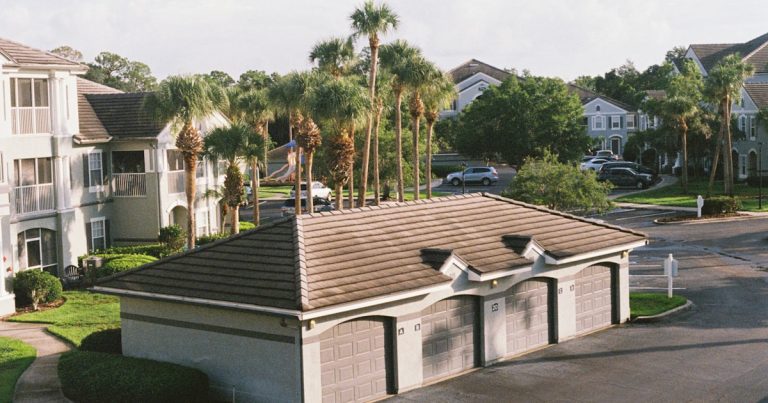
| Brandon / Riverview / Valrico | $150K-$275K | Best value in the market. Mostly 2-3 story garden-style buildings. Community pools, basic amenities. Great for first-time buyers and investors. |
| South Tampa | $250K-$600K+ | Walkable to restaurants and shops. Mix of boutique buildings and older low-rises. Higher price per square foot but premium location. |
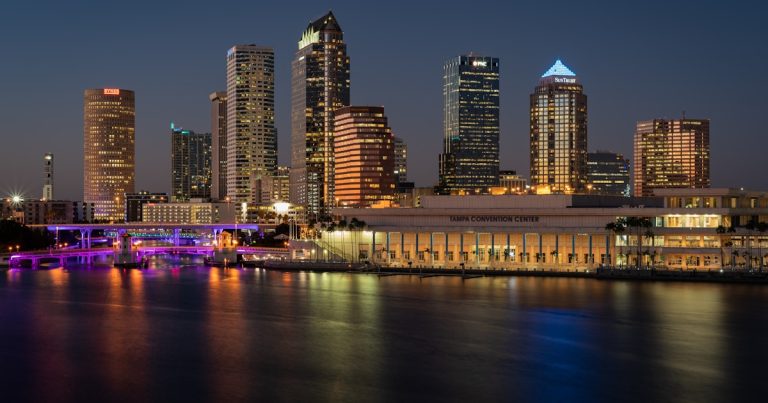
| Downtown Tampa / Channelside | $300K-$800K+ | High-rise towers, waterfront views, concierge services. Highest price points but true urban living with walkability. |
| New Tampa | $200K-$350K | Newer construction, suburban feel. Good school zones. Popular with young professionals and small families. |
| Clearwater / St. Pete Beach | $250K-$700K+ | Waterfront and beach condos command premium prices. Strong short-term rental potential in some buildings. |
| Wesley Chapel / Land O’Lakes | $175K-$300K | Newer construction in growing suburban corridor. More townhome-style condos than high-rises. |
One thing to keep in mind: the purchase price is only part of the equation. A $200K condo with a $450/month association fee has a very different total monthly cost than a $275K condo with a $200/month fee. I always run the full monthly cost calculation for my buyers – purchase price, mortgage payment, taxes, insurance, and association fees – so you’re comparing apples to apples.
HOA / Condo Association Fees – What They Cover
Condo association fees in Tampa Bay typically range from $200 to $600+ per month, and they cover significantly more than a standard single-family HOA fee. When you buy a condo, a chunk of what would normally be your individual maintenance responsibility gets shifted to the association. Here’s what those fees typically include:
- Building insurance (master policy): The association carries a master insurance policy covering the building’s structure, roof, and common areas. You still need your own HO-6 policy for your interior, personal property, and liability – but the master policy handles the building itself.
- Exterior maintenance: Roof repairs and replacement, painting, siding, stucco work, pressure washing, window and door frames (varies by association), parking lot and garage maintenance.
- Landscaping and grounds: Lawn care, tree trimming, irrigation systems, flower beds, and common area landscaping.
- Amenities: Pool maintenance, gym equipment, clubhouse upkeep, tennis or pickleball courts, dog parks, and any other shared facilities.
- Utilities for common areas: Water for the pool and irrigation, electricity for hallways, elevators, parking garages, exterior lighting, and common rooms.
- Reserve fund contributions: Money set aside for future major expenses – roof replacement, elevator repair, concrete restoration, painting, paving. This is the most important line item in the budget and the one that Florida’s new laws are cracking down on.
- Management company fees: Professional property management for day-to-day operations, vendor coordination, financial reporting, and rule enforcement.
- Pest control: Many condo associations include building-wide pest control in the monthly fee.
- Water, sewer, trash, and cable: Some associations include some or all of these utilities in the monthly fee. Others don’t. This varies widely – always confirm what’s included.
A $400/month condo fee might sound steep, but if it includes water, sewer, trash, cable, internet, building insurance, exterior maintenance, and reserve contributions, the actual “extra” cost beyond what you’d pay for a house may be much less than you think. The key is understanding exactly what’s covered and making sure the association is financially healthy. For a deeper dive into how HOAs work in Florida, check out my HOA Rules Florida Guide.
Florida’s New Condo Safety Laws – What Changed After Surfside
The 2021 Champlain Towers South collapse in Surfside, Florida killed 98 people and fundamentally changed condo ownership in Florida. The state legislature responded with SB 4-D and subsequent legislation that introduced mandatory structural inspections and reserve requirements that every condo buyer needs to understand.
Milestone Structural Inspections
Florida now requires milestone inspections for condominium buildings that are three stories or taller:
- Buildings within 3 miles of the coast: Must have their first milestone inspection by the time the building reaches 25 years old, then every 10 years after that.
- Buildings more than 3 miles from the coast: First milestone inspection at 30 years old, then every 10 years.
- Phase 1 inspection: A licensed engineer or architect performs a visual examination of the building’s structural components. If no signs of substantial structural deterioration are found, the building passes.
- Phase 2 inspection: If Phase 1 reveals potential issues, a more detailed inspection is required – including testing and analysis of the structural components in question.
These inspections are the association’s responsibility to arrange and fund. As a buyer, you want to know: has the building had its milestone inspection? What were the results? Are there any recommended repairs?
Structural Integrity Reserve Studies (SIRS)
This is the big one. Florida now requires condo associations to conduct a Structural Integrity Reserve Study (SIRS) and – critically – fully fund the reserves identified in that study. The study must cover:
- Roof
- Load-bearing walls and primary structural members
- Floor systems
- Foundation
- Fireproofing and fire protection systems
- Plumbing
- Electrical systems
- Waterproofing and exterior painting
- Windows and exterior doors
- Any other item with a deferred maintenance expense or replacement cost exceeding $10,000
No More Reserve Waivers
Before these new laws, condo associations could vote to waive or reduce their reserve funding requirements. This was extremely common – boards would keep monthly fees artificially low by underfunding reserves, then hit owners with massive special assessments when something broke. The new law eliminates the ability to waive or reduce reserves for the structural components listed in the SIRS. Associations must fully fund these reserves based on the study’s recommendations.
What this means for buyers: expect to see condo fees increasing across Tampa Bay as associations catch up on years or decades of underfunded reserves. Buildings that have been kicking the can down the road on maintenance are now being forced to address it. Some associations are hitting owners with large special assessments to get their reserves up to the required levels. This is a major factor to evaluate before buying any condo in Florida right now.
Condo Financing – FHA, VA, and Conventional Loans
Financing a condo is more complicated than financing a single-family home. Lenders don’t just evaluate you as a borrower – they also evaluate the condo project itself. The term you need to know is warrantable vs. non-warrantable.
Warrantable Condos
A warrantable condo meets the guidelines set by Fannie Mae and Freddie Mac. This means conventional financing is available with standard terms. To be warrantable, a condo project generally must meet these criteria:
- No single entity owns more than 10% of the units (some flexibility here)
- At least 50% of units are owner-occupied (not investor-owned rentals)
- The HOA is not involved in active litigation
- The association is adequately funded with healthy reserves
- No more than 15% of units are delinquent on association dues
- Commercial space makes up no more than 35% of the building’s total square footage
- The project is complete – no active construction phases
If a condo project checks all these boxes, you can get a conventional loan with competitive rates and standard down payment options.
Non-Warrantable Condos
If the condo project doesn’t meet conventional guidelines, it’s classified as non-warrantable. Common reasons include too many investor-owned units, pending litigation, low reserve funding, or a high delinquency rate. Non-warrantable condos can still be financed, but your options are more limited:
- Portfolio lenders (banks that keep loans in-house rather than selling to Fannie/Freddie)
- Higher down payment requirements (often 20-25%)
- Higher interest rates (typically 0.5-1.5% above conventional rates)
- Fewer lender options – not every lender will touch a non-warrantable project
FHA Condo Loans
FHA loans are popular with first-time buyers because of the low down payment (3.5%), but FHA has its own separate condo approval process. The condo project must be on the FHA-approved condo list – you can search it on HUD’s website. FHA approval requirements are similar to conventional warrantability but with some additional criteria. Many condo projects in Tampa Bay are not FHA-approved, which limits your options if you’re using FHA financing. For more on FHA loans and first-time buyer programs, see my First-Time Home Buyer Guide for Brandon, FL.
VA Condo Loans
VA loans (zero down payment for eligible veterans) also require the condo project to be on the VA-approved condo list. Like FHA, not all projects are approved. The VA evaluates the association’s financial health, insurance coverage, owner-occupancy ratios, and governance. If the project isn’t on the list, it may be possible to get it approved, but the process takes time and isn’t guaranteed.
How Florida’s New Laws Affect Financing
The new reserve requirements and milestone inspections are already affecting condo financing. Lenders are paying closer attention to association financial health, reserve funding levels, and whether required inspections have been completed. Buildings that fail inspections or have underfunded reserves may become harder to finance – or may shift from warrantable to non-warrantable status. This is something I watch closely for my condo buyers.
What to Look for in Condo Association Documents
When you buy a condo in Florida, the seller is required to provide the association’s governing documents during the inspection period. You have a right to cancel the contract within a specified number of days after receiving them. I review these documents on every condo deal – here’s exactly what I’m looking at.
Financial Health of the Association
This is the single most important factor. Request the most recent financial statements, annual budget, and year-end audit (if available). Look at total income vs. total expenses. Is the association operating at a surplus or a deficit? Are they collecting enough in fees to cover operations AND contribute to reserves? A well-run association should be in the black with consistent reserve contributions.
Reserve Fund Balance and Reserve Study
How much money does the association have in reserves? More importantly, does the reserve balance align with what’s needed based on a professional reserve study? With Florida’s new SIRS requirements, this is no longer optional – associations must have a study and must fund it. A healthy reserve fund means the building can handle major repairs without surprise special assessments. An underfunded reserve is a ticking time bomb.
Pending or Recent Special Assessments
Has the association levied any special assessments in the past few years? Are any currently planned or under discussion? Special assessments are one-time charges to owners for expenses the reserves can’t cover – think roof replacement, elevator repair, concrete restoration, or painting. With the new reserve laws forcing many associations to catch up, special assessments are becoming more common across Tampa Bay. I always ask about pending assessments and review meeting minutes for any discussions about upcoming capital projects.
Active Litigation
Is the association involved in any lawsuits? Construction defect claims, personal injury suits, disputes with vendors, or internal governance battles can drain the association’s finances and signal dysfunction. Active litigation can also make the condo non-warrantable for financing, which affects your ability to buy and future buyers’ ability to purchase from you.
Owner-Occupancy vs. Rental Ration
What percentage of units are owner-occupied vs. rented? A high rental ration can affect financing eligibility, community stability, and your resale value. Lenders typically want at least 50% owner-occupancy for conventional financing. FHA and VA have similar or stricter requirements. Even if financing isn’t your concern, buildings with very high rental percentages tend to have different dynamics than owner-occupied communities.
Delinquency Rate
What percentage of owners are behind on their association dues? A delinquency rate above 10-15% is a red flag. When owners don’t pay, the association either operates at a deficit, defers maintenance, or shifts costs to owners who do pay. High delinquency also affects warrantability for financing.
Rental Restrictions
If you’re buying as an investment or want to keep the option to rent in the future, check the rental policy carefully. Many condo associations restrict rentals – minimum lease terms, caps on the number of units that can be rented simultaneously, waiting periods after purchase, or outright bans. Know the rules before you buy.
Insurance Coverage
Review the master insurance policy. What does it cover? What’s the deductible? In Florida’s current insurance market, some associations are seeing massive premium increases, which get passed along to owners through higher fees. Understand where the association’s coverage ends and where your personal HO-6 policy needs to begin.
Red Flags When Buying a Condo
After reviewing association documents on countless condo transactions, these are the warning signs that should make you pause – or walk away entirely.
- Underfunded reserves with no plan to catch up: If the reserve study shows the association needs $500K in reserves and they have $50K, massive fee increases or special assessments are coming. Under Florida’s new laws, they can no longer waive this requirement.
- Upcoming or recently announced special assessments: Ask specifically if any assessments have been approved, proposed, or discussed. Some sellers try to sell before an assessment hits – you don’t want to inherit that bill.
- Building hasn’t completed required milestone inspection: If the building is at or past the age requiring a milestone inspection and hasn’t done one, that’s a compliance issue and a potential deal-killer for financing.
- High delinquency rate (over 15%): Too many non-paying owners means the association can’t fund operations properly. Maintenance gets deferred, fees go up, and the building deteriorates.
- Active lawsuits against the association: Litigation drains money and management attention. It can also make the condo non-warrantable, affecting your financing and resale value.
- Fee increases of 20%+ in a single year: While some increases are expected (especially now with the new reserve laws), dramatic jumps suggest the association was chronically underfunded and is scrambling to catch up.
- Deferred maintenance visible on walkthrough: Peeling paint, cracked stucco, stained ceilings in hallways, broken pool equipment, outdated elevators – these are signs the association isn’t spending money on maintenance. What you can see is usually just the surface.
- No professional management company: Self-managed associations can work for small communities, but for larger buildings, professional management is almost essential. Self-management often leads to sloppy finances and inconsistent enforcement.
- Rental caps already reached: If the building has a rental cap and it’s already maxed out, you won’t be able to rent your unit even if you need to. This also limits your resale pool to cash buyers and owner-occupants only.
I tell my buyers: the association documents matter as much as the unit itself. A beautiful condo in a poorly managed building is a bad investment. A modest condo in a well-managed building with healthy finances is a smart one.
Pros and Cons of Buying a Condo in Tampa Bay
Pros
✓ Lower purchase price. Condos offer the most affordable path to homeownership in Tampa Bay. You can buy into desirable areas like South Tampa or downtown that would be out of reach for a single-family home.
✓ Minimal maintenance responsibility. No mowing, no roof repairs, no exterior painting. The association handles it all. You lock the door and leave – that’s it.
✓ Amenities you’d never afford on your own. Pools, fitness centers, clubhouses, rooftop decks, concierge services – all included in your monthly fee. The amenity packages in some Tampa Bay condo buildings rival upscale resorts.
✓ Security. Many condo buildings offer controlled access, security cameras, gated parking, and in some cases on-site staff. This is a major draw for snowbirds and part-time residents who leave their unit unoccupied for months at a time.
✓ Prime locations. Condos give you access to waterfront, downtown, and walkable urban locations that single-family homes can’t match. If location is your top priority, condos open up options.
✓ Good investment potential. Condos in strong locations with healthy associations can appreciate well and generate solid rental income if the building allows it.
Cons
✗ Monthly association fees are significant. $200-$600+/month in fees on top of your mortgage. Over 10 years, a $400/month fee adds up to $48,000 – and that number only goes up.
✗ Special assessment risk. A single special assessment can cost $5,000, $10,000, or even $50,000+ for major building repairs. Florida’s new reserve laws are forcing many associations to either raise fees dramatically or levy assessments to get compliant.
✗ Less control over your property. You share decision-making with every other owner in the building. The board controls the budget, sets rules, and decides how your money is spent. If you disagree, your recourse is limited.
✗ Financing can be complicated. Non-warrantable status, FHA/VA approval issues, and lender scrutiny of association finances can limit your loan options and increase your costs.
✗ Shared walls and noise. You will hear your neighbors. Period. Some buildings have better soundproofing than others, but condo living means accepting a certain level of proximity to other people.
✗ Slower appreciation in some markets. Condos historically appreciate more slowly than single-family homes in the Tampa Bay suburbs. In urban and waterfront locations, this gap narrows – but in suburban areas, houses tend to outperform condos on appreciation.
✗ Rental restrictions may limit flexibility. If your life situation changes and you need to relocate, rental caps or bans could prevent you from renting the unit, forcing a sale on your timeline rather than the market’s.
Best Areas for Condos by Lifestyle
Where you buy depends on how you plan to use the condo. Here’s my breakdown of the best Tampa Bay condo markets by lifestyle and goal.
| Lifestyle / Goal | Best Area(s) | Why |
|---|---|---|
| First-time buyer on a budget | Brandon, Riverview, New Tampa | Lowest price points, good commuting access, newer buildings in some areas. |
| Downsizing from a house | South Tampa, Brandon, Clearwater | Lock-and-leave lifestyle, walkability (South Tampa), or familiar suburban feel (Brandon). |
| Retirees and snowbirds | Clearwater, St. Pete, Sun City Center, South Tampa | Waterfront access, low-maintenance living, active social communities, security for part-time residents. |
| Urban professionals | Downtown Tampa, Channelside, South Tampa, St. Petersburg | Walkable to work, restaurants, nightlife. High-rise living with views and amenities. |
| Investment / rental income | Downtown Tampa, Clearwater Beach, St. Pete Beach, Brandon | Strong rental demand in urban and beach locations. Brandon offers best cash-flow numbers for long-term rentals. |
| Seasonal / vacation home | Clearwater Beach, Indian Rocks Beach, St. Pete Beach, Madeira Beach | Beach lifestyle, potential short-term rental income when not in use (check building rules). |
No matter what your goal is, the association’s financial health matters more than the view from the balcony. A well-managed building in a decent location will always be a better investment than a poorly managed building in a prime spot.
Frequently Asked Questions About Buying a Condo in Tampa Bay
How much are condo association fees in Tampa Bay?
Most condo association fees in Tampa Bay range from $200 to $600+ per month. Garden-style condos in suburban areas like Brandon typically fall in the $200-$350 range. Downtown high-rises and waterfront buildings can run $400-$600 or more. The fee depends on the building’s age, amenities, insurance costs, reserve funding level, and what utilities are included.
What is a warrantable condo?
A warrantable condo is one that meets Fannie Mae and Freddie Mac guidelines, making it eligible for conventional financing with standard terms. The project must meet requirements for owner-occupancy ratios, reserve funding, delinquency rates, litigation status, and other criteria. Non-warrantable condos can still be purchased, but financing options are more limited and typically more expensive.
Can I get an FHA or VA loan on a condo?
Yes, but only if the condo project is on the FHA-approved or VA-approved list. Not all projects are approved, and the approval process requires the association to meet specific financial and operational criteria. You can search approved projects on HUD’s website (FHA) or the VA’s condo search tool. If the project isn’t approved, you’ll need conventional or portfolio financing.
What are Florida’s new condo inspection requirements?
Following the Surfside collapse, Florida enacted SB 4-D requiring milestone structural inspections for condo buildings three stories or taller. Buildings within 3 miles of the coast must be inspected at 25 years old; buildings farther inland at 30 years. Inspections must be repeated every 10 years. Associations must also conduct Structural Integrity Reserve Studies and fully fund the reserves identified – no more waiving reserve requirements.
What is a special assessment?
A special assessment is a one-time charge to condo owners for a major expense that the association’s reserves can’t cover. Common triggers include roof replacement, elevator repair, concrete restoration, or bringing reserves up to the levels required by Florida’s new laws. Assessments can range from a few thousand dollars to tens of thousands, depending on the scope of the work and the number of units sharing the cost. Always ask about pending or recently approved assessments before buying.
Should I buy a condo or rent in Tampa Bay?
It depends on how long you plan to stay, your financial situation, and your lifestyle priorities. If you’ll be in the area for at least 3-5 years, buying a condo can build equity and lock in your housing cost. If you’re uncertain about your timeline or want maximum flexibility, renting may make more sense in the short term. Run the numbers both ways – I can help you compare the total cost of owning vs. renting for your specific situation.
Can I rent out my condo on Airbnb?
That depends entirely on the association’s rules. Many condo associations in Tampa Bay restrict or prohibit short-term rentals, requiring minimum lease terms of 6-12 months. Some buildings, particularly in beach areas and downtown, do allow short-term rentals. You’ll also need to comply with local short-term rental ordinances, which vary by city and county. Always verify the rental policy in the association documents before purchasing if rental income is part of your plan.
Ready to Buy a Condo in Tampa Bay?
Buying a condo in Tampa Bay can be an excellent decision – but it requires more due diligence than a typical home purchase. The association’s finances, the building’s structural condition, the insurance situation, and the legal documents all matter. I dig into every one of these on behalf of my buyers because the wrong condo can cost you far more than you expected, and the right one can be a great investment and a lifestyle upgrade.
If you’re considering a condo anywhere in the Tampa Bay area – Brandon, South Tampa, downtown, the beaches, or anywhere in between – let’s talk. I’ll walk you through the process, review the association documents, and make sure you know exactly what you’re getting into before you commit.
Barrett Henry | RE/MAX Collective
Direct: (813) 733-7907
Email: [email protected]
Website: NOWtb.com
Call, text, or email anytime. No pressure, no obligation – just straightforward advice from someone who reads condo documents for a living.
Related Guides You Might Find Helpful
- First-Time Home Buyer Guide – Brandon, FL
- HOA Rules in Florida – What Every Buyer Needs to Know
- Closing Costs in Florida – Complete Breakdown
- Florida Homeowner’s Insurance Guide
- Downsizing Your Home in Tampa Bay
- Investment Property Guide – Tampa Bay
- Retiring in Tampa Bay, FL
Information sourced from Florida Statutes (Chapter 718 – Condominiums, SB 4-D), Hillsborough County records, Stellar MLS data, and individual condo association documents. Condo prices, association fees, reserve requirements, and building conditions vary by project and are subject to change. Always review the specific association documents and obtain a professional inspection before purchasing any condominium.
Related Articles





Explore Luxury Communities




About Barrett Henry – Barrett Henry is a licensed real estate Broker Associate with RE/MAX Collective, specializing in the Brandon, Riverview, Valrico, and greater Tampa Bay markets. With deep local knowledge and an honest, data-driven approach, Barrett helps buyers and sellers make confident real estate decisions. Learn more
Disclosure: This article is for informational purposes only and does not constitute financial or legal advice. Market data is approximate and subject to change. Always consult with a qualified real estate agent, lender, or attorney for your specific situation.
Last Updated: March 2026
Need Help With Tampa Bay Real Estate?
Barrett Henry is a licensed Broker Associate with RE/MAX Collective, serving the entire Tampa Bay market. Whether you are buying, selling, or investing – get straight talk and real data. No pressure, no games.
Schedule a Free Consultation Call (813) 733-7907