
Dunedin is one of the most beloved small cities in the Tampa Bay region and, for a growing number of buyers, one of the most desirable places to live in all of Pinellas County. Founded in 1899 and named by Scottish settlers who recognized the area’s resemblance to the coast of their homeland, Dunedin is the oldest incorporated municipality in Pinellas County and has maintained a small-town character that newer, larger cities spend decades and millions of dollars trying to manufacture. A walkable Main Street with craft breweries, art galleries, boutiques, and destination restaurants; two state parks on adjacent barrier islands; a spring training facility that hosts the Toronto Blue Jays; and a Pinellas Trail connection that runs straight through the heart of downtown combine to give Dunedin a quality-of-life offering that its population of approximately 35,000 residents would suggest is impossible to sustain at this scale.
The median home price in Dunedin runs approximately $425,000 to $462,000, making it one of the pricier suburban markets in the county relative to its size, and the premium is entirely justified by what the city delivers. Dunedin High School holds a B+ rating from the Florida Department of Education and ranks 14th in Pinellas County. Caladesi Island State Park, accessible by ferry from Honeymoon Island, was ranked the second-best beach in the United States by Dr. Beach in 2022. The craft brewery scene, anchored by Dunedin Brewery (established 1996, the oldest craft brewery in Florida), Caledonia Brewing, 7venth Sun, HOB Brewing, Cueni Brewing, and Woodwright Brewing, has made the city one of the most recognized brewery destinations in the Southeast. For buyers who want to live in a place with genuine character rather than manufactured charm, Dunedin is frequently the answer.
For buyers comparing Dunedin to its immediate neighbors, the city occupies a premium position relative to Clearwater to the south and Palm Harbor to the north. The premium reflects the walkability of the downtown core, the Scottish heritage and architectural character of the Main Street district, and the impossibility of replicating Dunedin’s combination of Honeymoon Island access, craft brewery culture, and active arts community anywhere else in the county. Buyers who visit Dunedin typically understand the premium within an afternoon of walking the Main Street corridor and the Pinellas Trail; the city simply delivers an urban village experience that most Florida coastal communities cannot match.
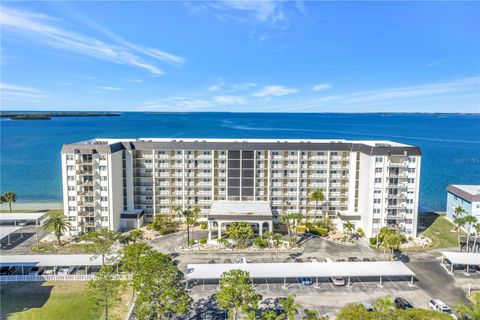
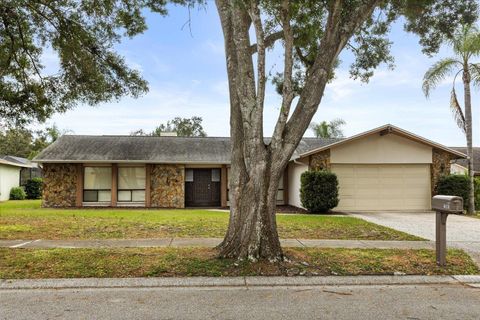
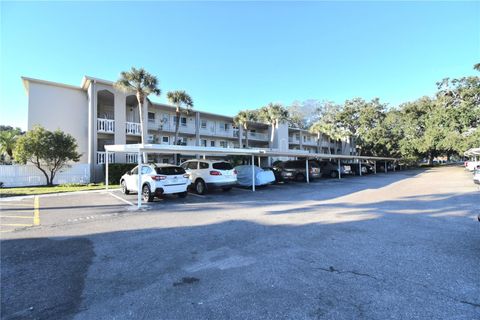
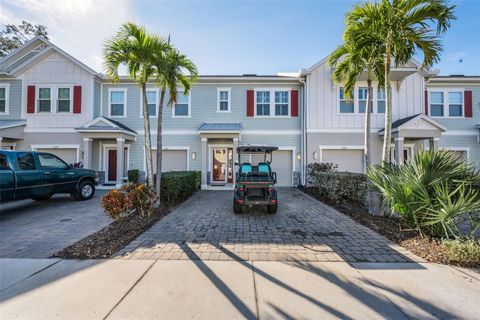
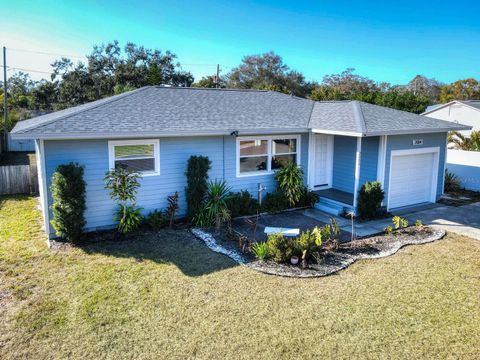
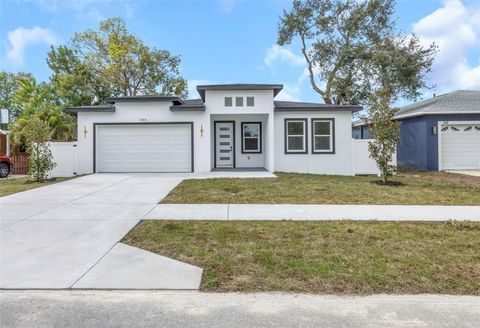
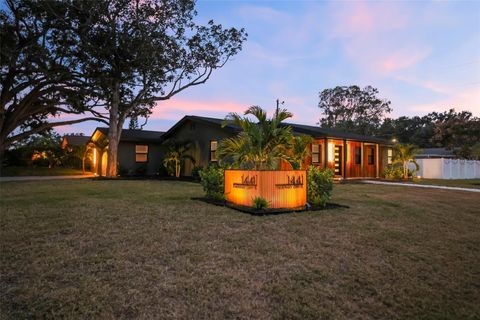
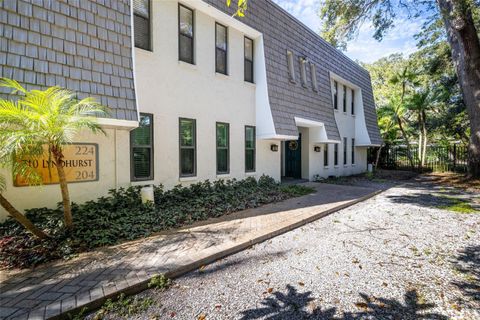
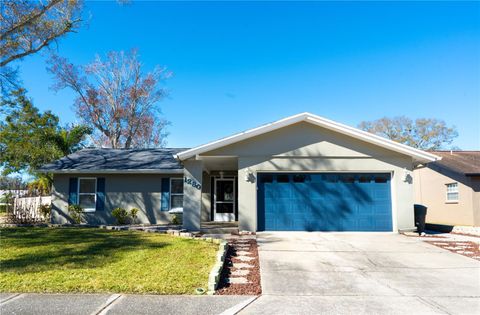
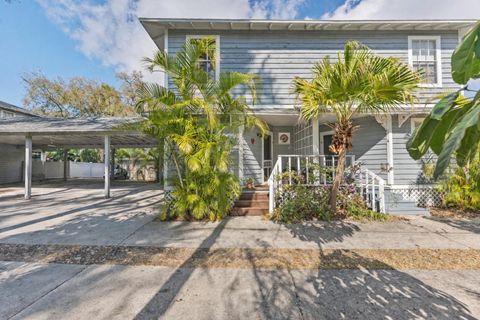
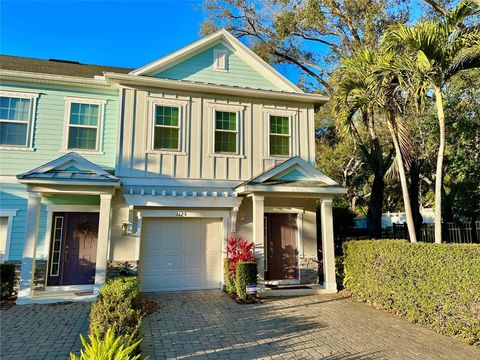
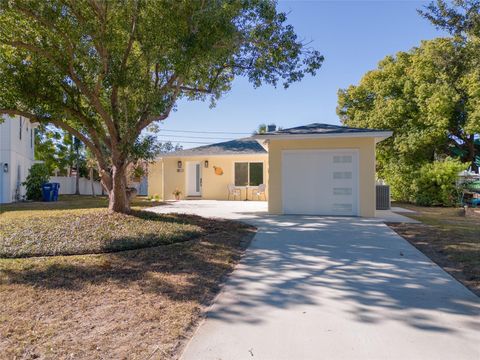
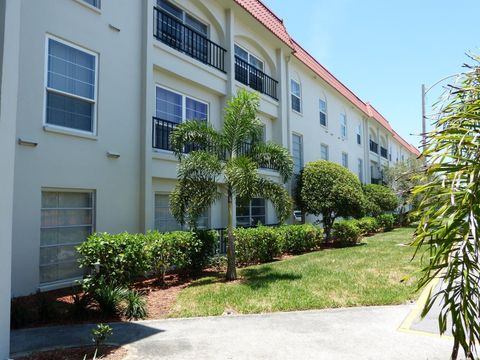
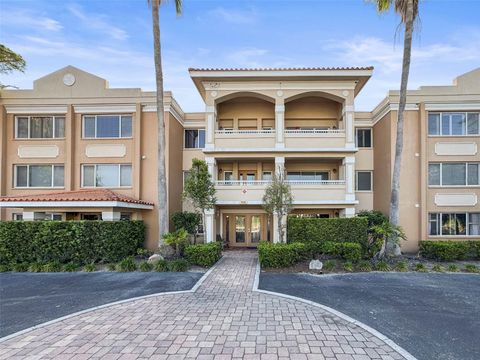
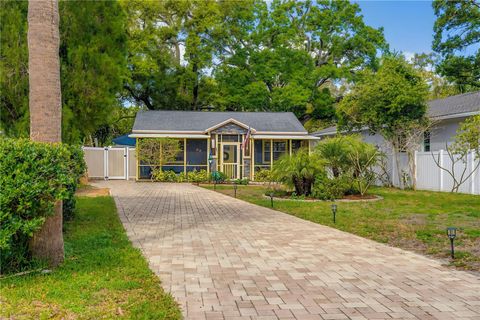
Recently Sold Homes in Dunedin
See what homes recently sold for in Dunedin to understand current market values.

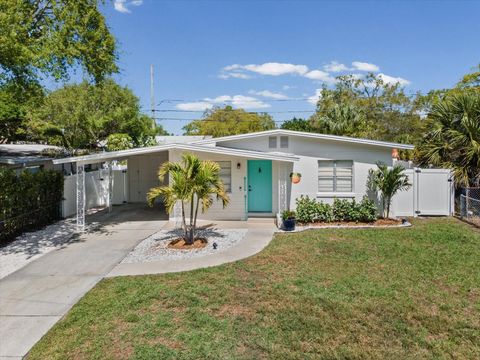
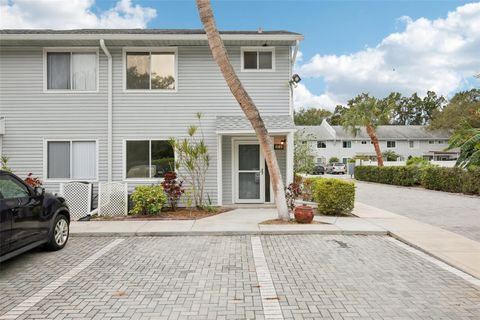
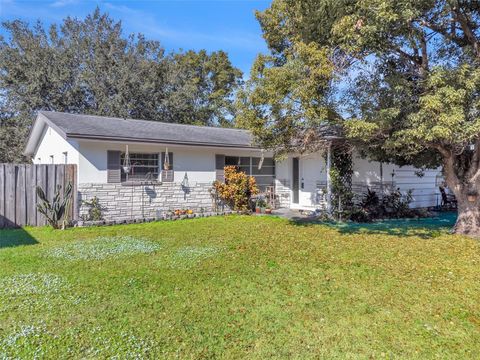
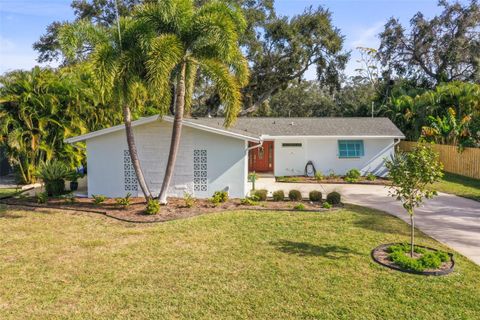
Dunedin Neighborhood Guide
Dunedin’s neighborhoods each have a distinct character that reflects the city’s layered development history, from the Victorian-era commercial blocks of Main Street to the mid-century residential neighborhoods that spread east and north as the city grew through the 1950s and 1970s. Understanding the geographic and character differences between these areas is essential for buyers doing a serious search in the city.
Downtown Dunedin and the Main Street Corridor
Downtown Dunedin’s Main Street district is the commercial and cultural core of the city, a genuinely walkable two-block commercial strip that includes craft breweries, restaurants, art galleries, boutique shops, a farmers market, and community event spaces that draw visitors from throughout Pinellas County on weekends. The residential neighborhoods immediately surrounding Main Street, including the historic blocks along Douglas Avenue and the streets north and south of the downtown core, are among the most coveted addresses in the city. Homes in these areas range from historic craftsman bungalows in the $450,000 to $750,000 range to fully renovated cottages in the $550,000 to $900,000 range, with occasional waterfront or Intracoastal-adjacent properties exceeding $1 million.
The Pinellas Trail runs parallel to and through portions of the downtown area, creating a direct cycling and pedestrian connection that makes it possible to commute to restaurants, grocery stores, and the Friday Craft Stroll by bicycle from the surrounding residential neighborhoods. This trail connectivity is part of what makes downtown Dunedin function as a genuine neighborhood rather than just a commercial destination, and it is a meaningful quality-of-life factor for buyers who want to reduce car dependency in their daily lives. TD Ballpark, the home of the Toronto Blue Jays’ spring training facility, sits at the western edge of downtown and hosts Blue Jays games each spring alongside minor league and community events throughout the year.
Dunedin Isles and the Causeway Corridor
Dunedin Isles is the residential area flanking the Dunedin Causeway, the two-mile causeway that connects the mainland to Honeymoon Island State Park. The neighborhoods here include a mix of waterfront homes with direct Gulf or Intracoastal access, Intracoastal-view properties, and mid-century ranches on the higher inland areas of the causeway corridor. Waterfront homes in Dunedin Isles run from approximately $700,000 for an older home needing renovation to over $2 million for a fully updated property with dock access and panoramic water views. The causeway’s linear park strip, which includes bike lanes, a beach area accessible without entering the state park, and picnic areas directly on the water, functions as an extended backyard for residents of the surrounding neighborhood.
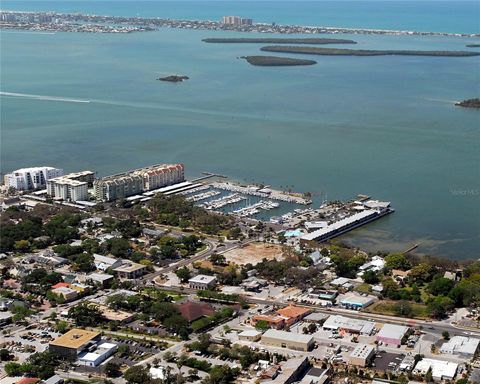
The Dunedin Marina sits at the base of the causeway and is home to one of the more active sailing communities in Pinellas County, with sailing clubs, boat slips, and the ferry service to Caladesi Island operating from the marina facility. Bon Appétit Restaurant, one of Dunedin’s most celebrated dining establishments, occupies a waterfront position near the marina with views across St. Joseph Sound. The combination of the marina, the causeway corridor, the state park ferry access, and the restaurants clustered near the waterfront makes this part of Dunedin one of the most desirable residential addresses in the city for buyers who want a water-oriented lifestyle without the intensity of Clearwater Beach or the isolation of a more remote island community.
Stirling Heights and Waterfront Neighborhoods
Stirling Heights and the broader waterfront residential areas on the western and northern edges of Dunedin offer Intracoastal Waterway access at a range of price points from approximately $500,000 for an older waterfront home to over $1.5 million for updated properties with deep-water dock capability. These neighborhoods sit north of the downtown core and provide a quieter residential character while maintaining convenient cycling or short driving access to Main Street amenities. The area attracts buyers who want the Dunedin lifestyle and waterfront access but prefer a less pedestrian-traffic-intensive neighborhood than the blocks immediately surrounding downtown.
Curlew Hills and East Dunedin
Curlew Hills and the broader east Dunedin area provide more affordable single-family options in the $350,000 to $550,000 range. These neighborhoods are predominantly mid-century concrete block ranches with larger lots than the historic downtown areas, set further from the waterfront but with convenient access to the Curlew Road commercial corridor and US-19. For buyers who want the Dunedin address and school zone at a more accessible price point than the downtown or causeway-corridor neighborhoods command, Curlew Hills and east Dunedin neighborhoods offer a reasonable compromise between cost and lifestyle proximity.
Spanish Oaks and Fairway Estates
Spanish Oaks and Fairway Estates are established residential communities in the southern part of Dunedin, developed primarily from the 1970s through the 1990s with single-family homes ranging from $380,000 to $600,000. These neighborhoods sit close to the Dunedin-Clearwater border and provide convenient access to both the Dunedin downtown corridor to the north and the Countryside area of Clearwater to the south. For families who are evaluating both Dunedin and the Countryside area of Clearwater, the southern Dunedin neighborhoods often represent a useful geographic middle ground with the added benefit of the Dunedin High School zone assignment.
Schools in Dunedin, FL
Dunedin falls within the Pinellas County School District, and the high school serving the city has maintained a strong academic reputation that is a meaningful driver of demand from family buyers.
Have questions about this area? Barrett Henry knows these neighborhoods inside and out. Text or call for honest, no-pressure advice.
Text BarrettDunedin High School
Dunedin High School holds a B+ grade from the Florida Department of Education and ranks 14th in Pinellas County, placing it in the upper quartile of the county’s comprehensive high schools. The school offers a range of Advanced Placement courses, strong performing arts and athletic programs, and a graduation rate that reflects the community’s investment in educational outcomes. For buyers with high-school-age children or younger children who will age into the zone, Dunedin High’s B+ performance at the city’s $425,000 to $462,000 median price point provides a competitive school-to-cost ratio compared to Palm Harbor University High (A-rated, but in a notably higher price market) and Seminole High (also B+, but with a lower median price). Many families who land on Dunedin do so specifically because of the combination of school quality and walkable downtown lifestyle that the city uniquely provides among Pinellas options.
Middle Schools and Elementary Schools
Dunedin Middle School serves the city’s middle-school population. Dunedin Elementary, San Jose Elementary, and Garrison-Jones Elementary serve different geographic areas of the city at the elementary level. The Pinellas County School District’s choice programs, including magnet schools and specialized academies, are accessible to Dunedin families through the district-wide application process, giving residents the option to supplement the base zone assignment with programs that match specific academic interests or learning styles.
The Craft Brewery Scene
Dunedin’s craft brewery scene is the densest concentration of independent breweries per square mile of any city in Florida, and possibly in the southeastern United States. Six established craft breweries operate within or immediately adjacent to the Main Street corridor, making Dunedin a genuine brewery destination that draws visitors from throughout the Tampa Bay region and has been featured in national craft beer media for years. Understanding the brewery landscape is part of understanding what makes Dunedin Dunedin for many of its residents and for most buyers who ultimately choose the city over its neighbors.
Dunedin Brewery
Dunedin Brewery, established in 1996, is the oldest craft brewery in Florida and the anchor of the city’s brewery identity. The brewery operates a full taproom and restaurant on Main Street, producing a range of ales and lagers that have maintained consistent quality across nearly three decades of operation. The restaurant is a destination in its own right, with a menu designed to complement the brewing program and an outdoor seating area that becomes one of the most sought-after dining spaces in the city on pleasant evenings. For buyers who want to understand the social infrastructure of Dunedin’s Main Street, an evening at Dunedin Brewery provides the clearest possible picture of what makes the city tick.
7venth Sun Brewery
7venth Sun Brewery occupies a distinctive position in the Dunedin brewery scene, focusing on experimental and Belgian-inspired styles that have earned it a regional reputation for innovation. The taproom has a more intimate atmosphere than some of the larger Dunedin brewery operations and consistently attracts serious craft beer enthusiasts alongside the broader neighborhood-bar clientele. 7venth Sun has produced a range of barrel-aged and wild-fermented beers that have won recognition at national competitions, giving Dunedin’s brewery scene credibility beyond the tourism-accessible gateway offerings.
HOB Brewing, Caledonia, Cueni, and Woodwright
HOB Brewing, Caledonia Brewing Company, Cueni Brewing, and Woodwright Brewing round out the Dunedin brewery ecosystem, each with a distinct personality and focus. Caledonia leans into the Scottish heritage theme with a range of Scottish-style ales and a kilted aesthetic that fits seamlessly into Dunedin’s Scottish historical identity. HOB Brewing focuses on approachable American craft styles in a comfortable neighborhood bar setting. Cueni and Woodwright add additional stylistic breadth to the scene, ensuring that visiting beer enthusiasts can spend a full day exploring genuinely different brewing philosophies within a walkable area. For residents, the brewery scene functions as a distributed neighborhood social venue spread across the walking distance of a small downtown, which is part of what makes Dunedin’s community feel so cohesive.
Honeymoon Island and Caladesi Island
Dunedin’s access to two state park barrier islands is one of the city’s most significant lifestyle differentiators. Honeymoon Island State Park and Caladesi Island State Park together provide approximately six miles of Gulf beach, nature trails through virgin slash pine and saw palmetto, osprey and eagle nesting habitat, and a wilderness beach experience that is increasingly rare on the developed Florida Gulf Coast.
Honeymoon Island State Park
Honeymoon Island State Park is accessible from the mainland via the Dunedin Causeway and charges $8 per vehicle for entry. The park encompasses 385 acres including Gulf beach on the western shore, a dog beach that is one of the most popular in the region, nature trails through old-growth slash pine, and the ferry departure dock for Caladesi Island. The park is genuinely busy on weekends and holidays but maintains a natural character that distinguishes it from the developed commercial beach strips at Clearwater Beach and St. Pete Beach. For Dunedin residents, Honeymoon Island is effectively a neighborhood park that happens to have one of the finest Gulf beaches in the county, accessible without the tourism overhead that the more developed barrier island beaches carry.
Caladesi Island State Park
Caladesi Island State Park is accessible only by private boat or by the $20 roundtrip passenger ferry that departs from Honeymoon Island. The island received a No. 2 ranking from Dr. Beach in 2022, one of the most respected annual beach rankings in the country, for the clarity of its water, the quality of its sand, the natural habitat preservation, and the absence of development that gives it a wilderness character unique among the Gulf’s accessible barrier islands. Caladesi has also consistently ranked in the top five beaches in the US over the past two decades across multiple ranking systems.
The island features three miles of Gulf beach, a tidal lagoon, a nature trail through pine flatwoods, a marina for boats arriving by water, and a small café at the marina. The ferry schedule limits the number of visitors at any time, which preserves the island’s peaceful character even during peak season. For Dunedin residents, having Caladesi Island as a practical day trip destination with a modest ferry fare is one of the features that buyers from higher-priced markets find most surprising: world-class natural beach access as a routine Saturday activity rather than a special occasion.
Dining and Lifestyle in Dunedin
Beyond the brewery scene, Dunedin’s restaurant and lifestyle offerings reflect the city’s creative, community-oriented character. The Main Street corridor concentrates a restaurant density unusual for a city of 35,000 residents, and the quality has risen steadily alongside the city’s growing reputation as a lifestyle destination.
Destination Restaurants
Bon Appétit Restaurant at the Dunedin Marina is the city’s longest-established upscale dining destination, offering French-influenced American cuisine in a waterfront setting with views across St. Joseph Sound. The restaurant has maintained a strong reputation for decades and continues to draw diners from throughout the region for celebratory meals and business dining. Casa Tina is a beloved local Mexican restaurant that has been a Main Street institution for years, with a reputation for fresh preparations and a margarita program that locals defend passionately. The Wooden Paddle, positioned as a gastro pub in the craft beer ecosystem, provides food designed to complement serious beer exploration, and functions as both a dining destination and a social gathering point for Dunedin residents throughout the week.
Arts and Community Events
The Dunedin Fine Art Center is a community arts institution offering gallery exhibitions, studio arts education for adults and children, and one of the more active arts programming calendars of any small-city arts center in the region. The center’s exhibitions rotate regularly and include both local and regional artists working across media. The Main Street corridor hosts the Dunedin Highland Games and Festival each spring, one of the largest Scottish heritage events in the southeastern United States, which brings athletic competitions, pipe bands, and Highland cultural programming to the downtown area over a weekend that draws tens of thousands of visitors. The weekly Saturday Farmers Market at Stirling Park provides a community gathering point for residents throughout the year.
Hammock Park
Hammock Park is a 77-acre city park in the residential heart of Dunedin, one of the finest urban nature parks in Pinellas County. The park’s old-growth live oak canopy creates a shaded woodland environment that supports migratory bird populations during spring and fall migration, making it a destination for serious birders alongside residents who simply want a natural walk within their neighborhood. The park includes unpaved trails, wildlife observation areas, and a character that feels genuinely wild despite sitting within the city limits. For buyers evaluating the residential neighborhoods surrounding Hammock Park, the park functions as an irreplaceable green infrastructure asset that contributes to property values and quality of life in equal measure.
Dunedin Real Estate Market Overview
The Dunedin real estate market reflects the city’s exceptional quality-of-life reputation and the limited housing inventory that small cities with high demand consistently produce. The median home price of $425,000 to $462,000 (up approximately 3% year over year, bucking the softening trend in several adjacent markets) reflects both genuine buyer demand and a constrained supply driven by the city’s modest size and low rate of new construction within the established residential areas.
Price Ranges by Area
Downtown and near-downtown blocks within walking distance of Main Street: $450,000 to $900,000 for historic bungalows and renovated cottages, higher for larger homes or corner lots with significant renovation quality. Dunedin Isles and Causeway corridor waterfront: $700,000 to $2 million or more for updated homes with dock access. Stirling Heights and north Dunedin waterfront: $500,000 to $1.5 million. Curlew Hills and east Dunedin: $350,000 to $550,000. Spanish Oaks and south Dunedin: $380,000 to $600,000. The Dunedin premium over the county median is real and consistent; buyers who expect to find pricing comparable to Largo or Seminole at similar distances from the beach typically find that Dunedin commands a meaningful premium driven by the walkable downtown, the brewery culture, and the island park access that its neighbors cannot replicate.
Market Conditions and Velocity
Dunedin has shown more pricing resilience than most Pinellas County markets through the 2024 to 2025 normalization period. The combination of limited inventory, consistent demand from buyers specifically targeting the city’s lifestyle, and the city’s growing regional reputation has kept price softening more modest here than in markets driven primarily by lower-cost-of-living migration rather than specific community identity. Days on market have extended from the hypercompetitive 2021 to 2022 environment, but well-priced properties in the downtown and waterfront areas continue to attract motivated buyers within a reasonable time frame. Entry-level properties in the Curlew Hills and east Dunedin areas have generally moved faster than the upper price bands.
Insurance Considerations
Flood risk in Dunedin is concentrated in the waterfront and Intracoastal-adjacent properties in the Dunedin Isles and Stirling Heights areas and along the causeway corridor. The central and eastern neighborhoods generally carry lower flood risk. Wind insurance costs have risen across all of Pinellas County, and Dunedin’s position on the western peninsula increases exposure relative to more inland locations. Buyers should obtain comprehensive insurance estimates, including both homeowners and flood where applicable, as part of early due diligence rather than treating insurance costs as secondary to the purchase price calculation.
Who Buys in Dunedin
Dunedin attracts a buyer profile that is notably different from most of its Pinellas County neighbors. The city consistently draws buyers who have specifically identified it as their target city after visiting, rather than arriving at it through a price-point or school-zone search. These buyers have typically visited the Main Street corridor, walked to a brewery or two, cycled on the Pinellas Trail, and spent a day at Caladesi Island before making an offer, and they are buying the experience as much as the house. This community-identity-driven buyer profile tends to produce a more cohesive and engaged residential community than the more transactional market dynamics of larger cities, and it is one of the reasons Dunedin residents have such a strong attachment to the city.
Buyers from craft-beer-culture cities like Portland, Denver, and Asheville have been a consistent source of demand, drawn by Dunedin’s brewery concentration and the creative-class culture it reflects. Remote workers who want a walkable small-town environment rather than a suburban lifestyle have been another growing segment, drawn by Main Street’s pedestrian infrastructure and the cycling access the Pinellas Trail provides. Retirees and pre-retirees from the Northeast and Midwest drawn by the Scottish heritage events, the arts community, and the island beach access are a consistent long-standing buyer group. Families with school-age children who want the B+ school zone alongside the walkable downtown lifestyle also make up a meaningful segment, particularly in the Spanish Oaks and Curlew Hills neighborhoods.
Buyers comparing Dunedin to Safety Harbor, another small-city walkable community in the eastern part of the county, often find that the Gulf beach access and brewery culture tip the decision toward Dunedin for outdoor lifestyle and social scene priorities, while Safety Harbor’s spa resort atmosphere and Tampa Bay waterfront character appeal to a different temperament. Both cities represent the small-city walkable model at the premium end of the Pinellas market; the right choice between them typically comes down to which specific lifestyle elements matter most to the individual buyer.
Dunedin FL Real Estate FAQ
What is the median home price in Dunedin, FL?
The median home price in Dunedin runs approximately $425,000 to $462,000, with the year-over-year trend showing modest appreciation of around 3% in the most recent period, bucking the softening seen in some neighboring markets. The range within the city is significant: Curlew Hills and east Dunedin ranches start around $350,000, while waterfront and downtown premium properties exceed $1 million. The Dunedin premium over the county median reflects genuine demand driven by the city’s walkable downtown, brewery culture, and island beach access.
Why is Dunedin so popular?
Dunedin’s popularity rests on a combination that is genuinely rare in Florida: a walkable Main Street with craft breweries, restaurants, and boutiques; two state-park barrier islands within biking or short driving distance; a vibrant arts community anchored by the Dunedin Fine Art Center; the Toronto Blue Jays spring training facility; the Pinellas Trail running through the city; Hammock Park’s 77-acre nature area within the residential core; and a Scottish heritage that infuses the city’s events and character with an identity found nowhere else in the region. The city delivers an urban village experience that most Florida coastal communities of any size struggle to replicate.
How is the craft brewery scene in Dunedin?
Dunedin has six craft breweries operating within or immediately adjacent to its Main Street corridor: Dunedin Brewery (established 1996, the oldest craft brewery in Florida), 7venth Sun, HOB Brewing, Caledonia Brewing, Cueni Brewing, and Woodwright Brewing. The concentration makes Dunedin one of the most recognized brewery destinations in the Southeast, and the diversity of brewing styles and taproom atmospheres means serious beer enthusiasts can spend a full day exploring genuinely different products within a walkable area. The Friday evening Craft Stroll is a popular community event during the warmer months.
How do I get to Caladesi Island from Dunedin?
Caladesi Island State Park is accessible from Dunedin by the passenger ferry that departs from Honeymoon Island State Park, approximately a 20-minute drive from most Dunedin neighborhoods. The ferry runs multiple times daily and costs $20 roundtrip per adult. Private boaters can access Caladesi Island directly and dock at the marina. The island has no road access, which preserves its wilderness character and limits visitor numbers to maintain the experience quality that has earned it consistent national beach rankings, including a No. 2 ranking from Dr. Beach in 2022.
How are the schools in Dunedin, FL?
Dunedin High School holds a B+ grade from the Florida Department of Education and ranks 14th in Pinellas County, placing it in the upper quartile of the county’s comprehensive high schools. The school offers Advanced Placement courses, strong performing arts and athletic programs. For families comparing Dunedin to Palm Harbor (where Palm Harbor University High earns an A rating but commands higher home prices) or to Seminole (also B+, at a lower median), Dunedin High’s B+ alongside the city’s walkable downtown lifestyle represents a compelling combined value proposition.
What is Honeymoon Island State Park like?
Honeymoon Island State Park is a 385-acre state park accessible via the Dunedin Causeway, charging $8 per vehicle. The park includes Gulf beach on the western shore, a highly popular dog beach, nature trails through old-growth slash pine, osprey nesting habitat, and the ferry dock for Caladesi Island. The park is genuinely busy on weekends but maintains a natural character that distinguishes it from the commercial beach atmosphere of Clearwater Beach. For Dunedin residents, it functions as an accessible neighborhood park with one of the county’s finest Gulf beaches.
Does Dunedin have waterfront homes for sale?
Yes. Dunedin Isles and the causeway corridor offer Intracoastal and Gulf-view waterfront properties ranging from approximately $700,000 for older homes needing work to over $2 million for updated estates with dock access. Stirling Heights and the north Dunedin area add additional Intracoastal-adjacent inventory in the $500,000 to $1.5 million range. The waterfront market in Dunedin is competitive and relatively thin in terms of available inventory at any given time, which means buyers targeting waterfront specifically should be prepared to move deliberately when the right property appears rather than expecting to leisurely select from a large pool of options.
What is the Toronto Blue Jays connection to Dunedin?
The Toronto Blue Jays have conducted spring training in Dunedin since 1977, making it one of the longest-running spring training partnerships in Major League Baseball. TD Ballpark, renovated and expanded over the years, sits at the western edge of downtown Dunedin and hosts Blue Jays spring training games each February and March. The Florida Complex League Blue Jays affiliate plays home games at the facility throughout the summer. The Blue Jays’ presence creates spring season energy in the downtown corridor, with fans and team personnel adding to the Main Street activity during February and March, and the ballpark anchors community events throughout the year beyond baseball season.
How does Dunedin compare to Safety Harbor?
Dunedin and Safety Harbor are the two most prominent small-city walkable communities in Pinellas County, and buyers who want this type of lifestyle often consider both. Dunedin has six craft breweries, Gulf beach island access, and a brewery-arts culture. Safety Harbor has a waterfront spa resort with five natural mineral springs, a Tampa Bay waterfront setting, and Philippe Park’s historic significance. Dunedin is on the Gulf side of the peninsula; Safety Harbor is on the Tampa Bay side. The lifestyle emphasis differs: Dunedin skews active-outdoor and social; Safety Harbor skews spa-wellness and community-oriented. Many buyers visit both before deciding which character matches their temperament more precisely.
What is the Dunedin Highland Games?
The Dunedin Highland Games and Festival is held each spring in Dunedin, celebrating the city’s Scottish heritage with athletic competitions including the caber toss, hammer throw, and stone put, alongside pipe band competitions, Highland dance, traditional Scottish food, and cultural displays. The event draws competitors and visitors from throughout the region and across North America, and it is one of the largest Scottish heritage festivals in the southeastern United States. The Highland Games reflect the city’s founding identity as a community established by Scottish immigrants and maintained as a point of civic pride by current residents, including the many current residents whose own heritage has nothing to do with Scotland but who embrace the city’s character enthusiastically.
Explore Dunedin Real Estate
Browse all Dunedin listings and local resources. Updated from Stellar MLS.
Property Types
- Dunedin Homes for Sale
- Dunedin Luxury Homes
- Dunedin Condos & Townhomes
- Dunedin New Construction
- Dunedin Waterfront Homes
- Dunedin Homes with Pool
- Dunedin 55+ Communities
- Dunedin Single Story Homes
- Dunedin Gated Communities
- Dunedin Land for Sale
- Dunedin Investment Properties
- Dunedin New Listings
- Dunedin Open Houses