
Homosassa, FL: Quick Answer
Homosassa is Old Florida at its finest, a Nature Coast community anchored by the Homosassa River, Homosassa Springs Wildlife State Park, and a fishing culture that stretches back generations. Median home prices of approximately $335,000-$337,000 in early 2026 make Homosassa an affordable entry into genuine waterfront living, and the community’s authentic character, spring-fed rivers, manatee encounters, and legendary inshore fishing have made it a destination for buyers seeking the real Florida experience without resort pricing.
Key Takeaways: Homosassa Real Estate
- Homosassa is located on the Nature Coast of Citrus County, approximately 65 miles north of Tampa on US-19.
- Median home prices of approximately $335,000-$337,000 (early 2026) offer affordable waterfront community living.
- The Homosassa River and its spring system support year-round manatee populations and world-class inshore fishing.
- Homosassa Springs Wildlife State Park features a floating observatory for viewing manatees below water and serves as a sanctuary for injured wildlife.
- The community has a strong vacation rental market driven by nature tourism: fishing charters, kayak tours, and manatee experiences.
- Old Florida fishing lodges and waterfront restaurants give Homosassa a distinctive, non-resort character found in few Florida communities.
Homosassa, Florida: The Authentic Nature Coast Experience
Homosassa occupies a stretch of the Florida Nature Coast that has changed less than almost anywhere else along Florida’s Gulf shoreline. The Homosassa River, fed by a system of powerful artesian springs, runs clear and cold through a landscape of cypress swamps, hardwood hammocks, and tidal marshes before emptying into the shallow Gulf of Mexico. This combination of fresh spring water and tidal salt water creates one of the most productive and diverse aquatic ecosystems in the eastern United States, a fact that native peoples recognized thousands of years ago and that anglers, wildlife biologists, and nature lovers continue to discover today.
The community of Homosassa is not a formal city but an unincorporated community in Citrus County, centered on the Homosassa River waterfront and the commercial corridor along US-19. With a population of approximately 14,000 in the broader Homosassa area, it offers more community mass than it might appear from a map, with a functioning commercial corridor, a vibrant charter fishing and tour boat industry, and a collection of waterfront restaurants and lodges that have been serving anglers and nature visitors for generations.
For buyers who want authentic Florida, the kind that existed before theme parks and resort communities transformed the state’s character, Homosassa offers a genuine experience. The Old Florida fishing camp aesthetic, the cypress-lined river, the manatees drifting in the clear spring water, and the pelicans perched on dock pilings watching the guides bait their hooks: this is Florida as it was before it became what most of the state has become.
Barrett Henry with Now Realty covers Homosassa and the broader Citrus County market. Contact him at (813) 733-7907 or [email protected] to discuss current listings and market conditions.
Homosassa Real Estate Market: Prices and Trends in 2026
The Homosassa real estate market has experienced notable appreciation driven by the growing awareness of the Nature Coast among buyers seeking affordable waterfront alternatives to Florida’s more expensive Gulf Coast markets. The median sale price for Homosassa homes reached approximately $335,000-$337,000 in late 2025 and early 2026, representing a significant increase from pre-pandemic levels when the area was far less discovered by outside buyers.
The Homosassa housing market is described as moderately competitive, with homes selling after an average of 57 days on market. This is a longer timeline than the pandemic-era frenzy, reflecting the broader normalization of Florida’s real estate markets, but it is not a sluggish market by historical standards. Well-priced properties in desirable locations, particularly those with Homosassa River access or proximity to the spring system, continue to attract motivated buyers.
The market includes a meaningful range of price points and property types. Older fishing camp-era structures on waterfront lots command attention from buyers who see the land and location as the primary value and plan to improve or replace the structure. Newer homes and renovated properties command prices that reflect the quality of the improvements and the amenity value of any water access they include. The median price per square foot of approximately $167 represents genuine affordability relative to most Florida coastal markets.
Property Types in Homosassa
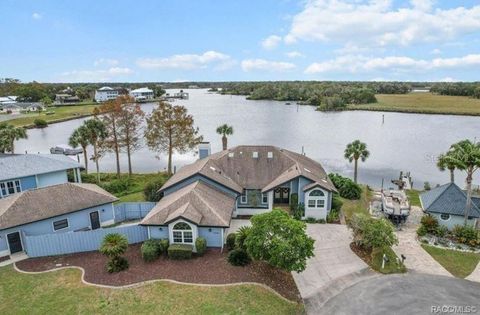
- Riverfront and Canal Homes: Properties on the Homosassa River and its associated canals are the most desirable and most expensive in the market. These homes offer private dock access, fishing from the back yard, and the morning experience of watching manatees and otters in the river while drinking coffee. Prices range from $400,000 for older structures with water access to over $1 million for fully updated, larger riverfront homes.
- Inland Residential: The interior neighborhoods of Homosassa offer affordable single-family homes in the $200,000-$350,000 range, primarily older concrete block construction. These properties offer the community lifestyle and easy access to the river without the water-access premium.
- Sugarmill Woods: The golf community of Sugarmill Woods, located within the Homosassa area, offers a different lifestyle segment with planned community amenities, golf courses, and a more structured residential environment. The Sugarmill Woods page covers this community in detail.
Homosassa Springs Wildlife State Park
Homosassa Springs Wildlife State Park is one of Florida’s most unusual and beloved state parks, and it is central to understanding what makes Homosassa special as a community. The park began as a private attraction in 1964, built around the Homosassa Spring itself, a massive spring boil that produces 70 million gallons of 72-degree water per day. The spring’s consistent temperature and clarity made it an immediate attraction, and the original development included a floating underwater observatory that allowed visitors to watch fish and manatees from below the waterline.
The State of Florida acquired the park in 1989, and it has been operated as a Florida State Park ever since. The floating observatory (known as the Fish Bowl) remains the park’s signature feature, providing an extraordinary underwater perspective on the spring’s fish populations, which include both freshwater species and marine species that follow the river’s tidal influence. During winter months, manatees congregate in the spring’s warm water and are regularly visible from the observatory in numbers and proximity that create unforgettable wildlife encounters.
The park also operates as a wildlife rehabilitation center, housing non-releasable animals including bears, bobcats, river otters, white-tailed deer, shore birds, and a hippopotamus named Lu who has been a park resident since 1964 (Lu is technically exempt from the park’s native species policy by virtue of his long tenure and Florida residency status). The combination of the spring experience, the Fish Bowl observatory, the wildlife exhibits, and the manatee encounters makes Homosassa Springs State Park a genuine draw for both residents and visitors.
For Homosassa property owners, proximity to the state park provides a daily amenity that is accessible by boat, kayak, or car, depending on the property’s location and the water level conditions. Residents with river access can paddle directly to the park’s boat entrance and enter the park from the water, an experience that captures the essence of Old Florida living.
Fishing in Homosassa: World-Class Inshore and Offshore
If Crystal River is known for its manatees, Homosassa is known for its fishing, and the fishing here is genuinely extraordinary. The Homosassa River and its associated waterways, spring runs, and Gulf access points support one of the most diverse and productive fisheries on the eastern Gulf Coast. Professional fishing guides operate out of Homosassa’s marinas and waterfront lodges throughout the year, catering to both serious tournament anglers and casual visitors who want to experience inshore fishing at its best.
Tarpon are the premier trophy fish of the Homosassa area, and the spring tarpon run brings anglers from throughout the world to the area’s renowned tarpon flats. The Homosassa tarpon fishery has produced multiple world records over the decades, and the area’s reputation among serious fly anglers is second to none in the eastern United States. The tarpon run typically peaks from April through July, when massive fish up to 200 pounds roll in the shallow Gulf waters adjacent to Homosassa’s spring outflows.
Beyond tarpon, the Homosassa waters hold exceptional populations of redfish, spotted sea trout, snook, flounder, sheepshead, and a range of other inshore species year-round. The grass flats, oyster bars, and tidal channels adjacent to the Homosassa River mouth provide habitat that supports trophy-quality inshore fishing throughout the calendar year. Freshwater anglers enjoy bass, bream, and catfish in the river above the tidal influence, and the spring runs produce populations of largemouth bass in the clear water visible to sight fishermen.
For property buyers, fishing access is often a primary driver of the decision to purchase in Homosassa specifically. Properties with private dock access, proximity to productive fishing grounds, and the ability to keep a boat in the water year-round are the most coveted in the market. Many serious anglers structure their entire lives around water access, and Homosassa’s waterfront properties deliver this access with an authenticity and environmental quality that more developed Florida fishing communities have lost.
Old Florida Character: What Makes Homosassa Unique
Homosassa retains a character that has largely vanished from Florida’s more accessible and commercialized coastal communities. The waterfront lodges and fish camps that line the Homosassa River, some dating from the mid-20th century when sport fishing tourism was just beginning, give the community a distinctive architecture and culture that cannot be manufactured. The Homosassa Riverside Resort, MacRae’s of Homosassa, and other waterfront establishments have served generations of anglers and nature visitors, maintaining an atmosphere of casual, fishing-camp informality that feels entirely authentic because it is.
The waterfront restaurants in Homosassa complete the Old Florida picture. Fresh seafood served in casual settings with water views and the sound of the river in the background, cold drinks and fishing stories, wildlife visible from the dining room, and the kind of warmth that comes from establishments where regular customers know the staff by name: this is what dining out means in Homosassa. The commercialization and chain development that have transformed the dining scene in most Florida communities have largely bypassed Homosassa, preserving a restaurant culture that is as authentic as the fishing.
The annual Homosassa Arts, Crafts and Seafood Festival and other community events bring residents and visitors together in a format that celebrates the community’s culture and natural setting. These events are not manufactured tourism experiences: they are genuine community gatherings that reflect the values and character of the Homosassa population, the mix of multi-generational families, working fishermen, retirees, and newer arrivals who have all found something irreplaceable in this Old Florida river community.
Schools and Services in Homosassa
Homosassa is served by Citrus County Public Schools, with students attending Citrus County schools distributed across the county system based on grade level and geographic assignment. The nearest hospital resources are Seven Rivers Regional Medical Center in Crystal River (about 10 miles north) and Citrus Memorial Health System in Inverness (about 15 miles east). Commercial services, grocery shopping, and retail are available along the US-19 corridor in Homosassa and in Crystal River to the north.
The community’s unincorporated status means that Citrus County government provides services typically provided by a city in incorporated areas: roads, parks, code enforcement, and planning. The absence of city-level government also means fewer regulatory layers for property owners, a characteristic that appeals to some buyers who value the relative freedom of unincorporated county areas.
History of Homosassa: Springs, Fish, and Old Florida
Long before European contact, the springs of the Homosassa area supported substantial indigenous populations who recognized the spring-fed waters as a reliable food and water source. Archaeological evidence of human habitation in the Homosassa area dates back thousands of years, with the spring system creating a stable, resource-rich environment through climate fluctuations and seasonal variations that would have challenged habitation in less naturally endowed locations.
Spanish explorers mapped the Homosassa River area in the 16th and 17th centuries, and the name “Homosassa” is believed to derive from a Creek or Seminole word meaning “place of many pepper plants” or possibly “wild pepper place,” referring to the native vegetation of the riverine environment. The Seminole people maintained a presence in the Homosassa area well into the 19th century, and the Second Seminole War (1835-1842) included military operations along the Homosassa River as U.S. forces pushed into the Florida interior.
American settlement of the Homosassa area intensified after the Civil War, with the combination of rich fishing resources, cedar timber, and the sugar cane cultivation possibilities attracting settlers to the river community. The Yulee Sugar Mill, located about three miles north of present-day Homosassa at Yulee Sugar Mill Ruins Historic State Park, operated from the 1840s until Union soldiers destroyed it in 1864. The ruins of the mill, visible today, are among the most historically significant industrial archaeological sites in Florida and provide a tangible connection to the antebellum economy of the Homosassa region.
The commercial fishing industry drove Homosassa’s economy through the late 19th and early 20th centuries, with mullet, oysters, and assorted Gulf species supplying markets in Tampa and beyond. The arrival of sport fishing tourism in the early 20th century gradually transformed the economy from commercial fishing to a combination of working fishing and guiding services for the growing recreational fishing market. By mid-century, Homosassa’s reputation among serious anglers, particularly for tarpon, had made it a destination for some of the country’s most accomplished sport fishermen, including Presidents who fished the area’s waters.
The Vacation Rental Market in Homosassa
The Homosassa vacation rental market is driven by nature tourism, particularly fishing charters and the manatee experience, rather than beach-resort tourism. This distinction creates a rental market with a somewhat different seasonal profile than Florida’s Gulf beach communities: the winter manatee season (November through March) generates strong demand from wildlife enthusiasts, the spring tarpon run (April through June) draws serious anglers willing to pay premium rates for properties with dock access, and the summer scallop season (July through September, with access to the adjacent Citrus County scallop grounds) rounds out the calendar.
Properties positioned for the fishing and nature tourism market, particularly those with private dock access, covered boat storage, fish cleaning stations, and outdoor shower facilities, command the strongest vacation rental rates. Properties near the Homosassa River and the state park entrance have the highest demand from wildlife-focused visitors. The commercial operators on the Homosassa waterfront, including guide services, tour boat operators, and kayak rental companies, collectively generate visitor traffic that benefits all short-term rental properties in the area.
For investors, Homosassa offers a vacation rental thesis that is somewhat more niche than the Gulf beach markets but potentially less saturated. The supply of high-quality, professionally managed vacation rental properties in Homosassa is more limited than in the Manatee County beach markets, and buyers who identify and acquire well-positioned properties can capture a meaningful share of the existing demand without competing in the most crowded segments of the Florida vacation rental market.
Buying a Waterfront Home in Homosassa: Key Considerations
Purchasing waterfront property in Homosassa involves many of the same due diligence considerations that apply across Florida’s waterfront markets, with some specific factors unique to the Homosassa River system.
Flood Zone and Insurance: Many Homosassa riverfront and tidal area properties are in FEMA Special Flood Hazard Areas. The specific zone designation, Base Flood Elevation, and insurance cost implications should be evaluated early in any waterfront purchase process. The Homosassa area experienced flooding impacts from recent major storms, and buyers should review FEMA maps, elevation certificates, and claims history for any property under consideration.
River Access and Navigation: The Homosassa River system includes both navigable channels and shallow areas that limit access for boats with deeper drafts. Buyers who are boaters should specifically navigate the access route to and from any property they are considering to verify that their intended vessel can operate effectively from that location.
Dock Condition and Permitting: As with all Florida waterfront properties, dock structures should be inspected by a qualified marine contractor and confirmed to be properly permitted with the Florida Department of Environmental Protection and Citrus County. The Homosassa River is within the Crystal River Aquatic Preserve and the Springs Coast Manatee Protection Zone, which can affect permitting for dock construction and modification.
Well and Septic: Much of the Homosassa area is served by private wells and septic systems rather than municipal water and sewer. Well water testing and septic inspection are standard due diligence steps for any property in the area.
Manatee Protection Zones: The waters of the Homosassa River and adjacent areas are designated as manatee protection zones with enforced slow-speed requirements. Boaters in these areas must comply with posted speed restrictions, which affect how quickly you can move through the waterway system to open water. Most residents embrace these restrictions as an appropriate protection for the wildlife that makes the area exceptional.
Comparing Homosassa to Crystal River and Other Citrus County Communities
Crystal River, 10 miles north, offers a more developed commercial environment, the world-famous Three Sisters Springs and manatee swimming experience, and a slightly different character: more oriented toward the organized nature tourism trade and more commercially developed along the US-19 corridor. Crystal River has more restaurants, shops, and services than Homosassa, making it the stronger choice for buyers who prioritize convenience. Homosassa offers a more rural, less commercialized atmosphere that appeals to buyers who specifically value the Old Florida fishing camp character.
Lecanto and Inverness to the east are more inland communities without the water access that defines Homosassa’s lifestyle, but they offer more affordable residential prices and convenient access to the broader county commercial and medical infrastructure. Buyers who want Citrus County living at the lowest price point and do not require direct water access will find Lecanto and Inverness compelling.
Sugarmill Woods, partially within the Homosassa area, offers a community-amenity lifestyle with golf, clubhouse, and organized social programming that contrasts with Homosassa’s more individual, fishing-and-nature-oriented character. Buyers who want the Homosassa natural environment but prefer a community-structured setting will find Sugarmill Woods worth exploring.
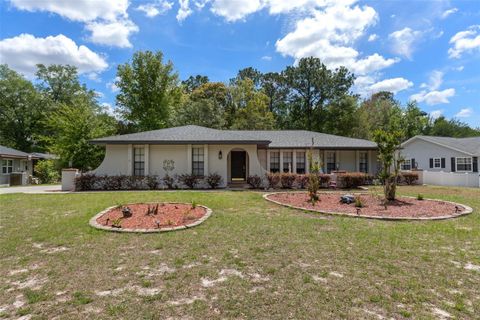
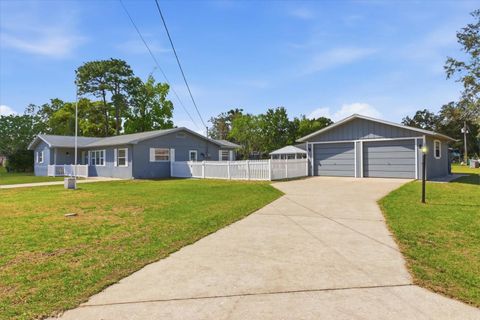
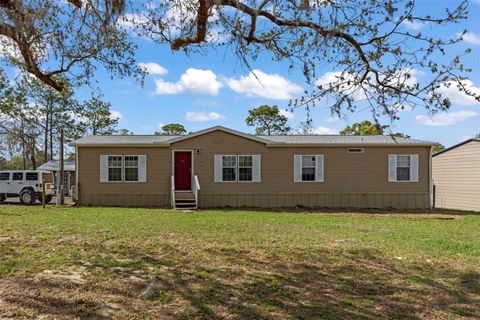
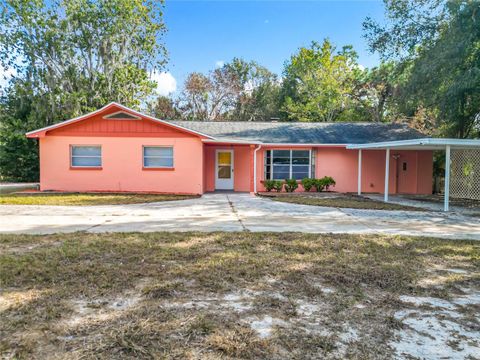
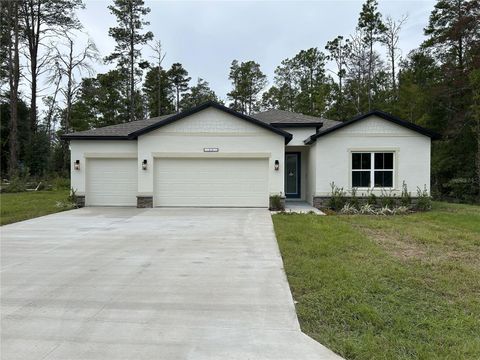
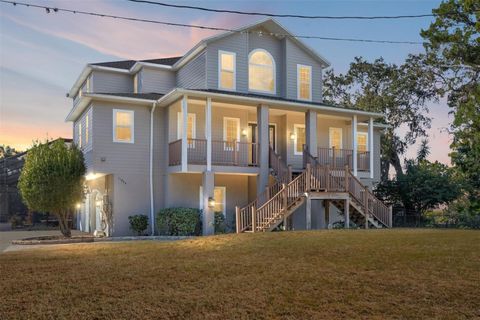
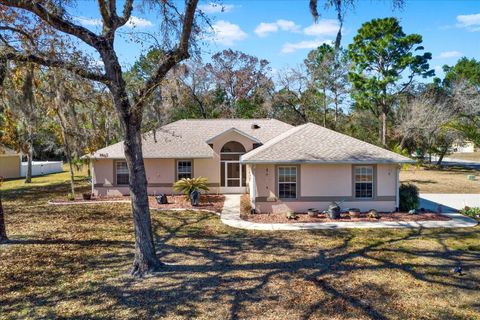
Homes for Sale in Homosassa
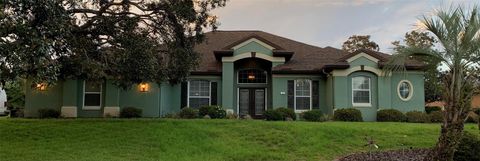
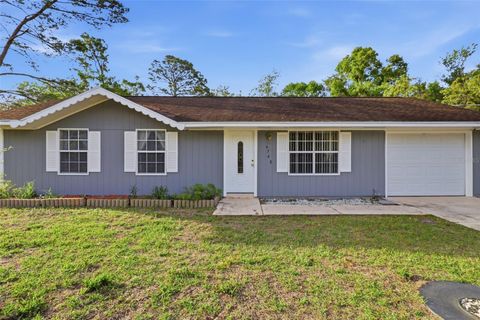
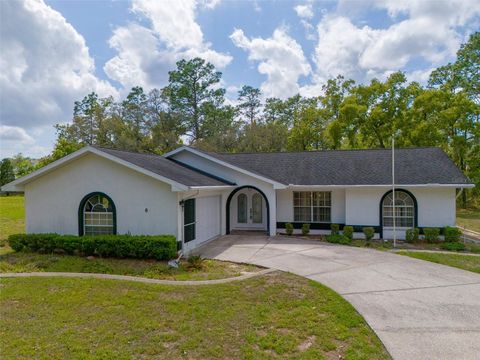
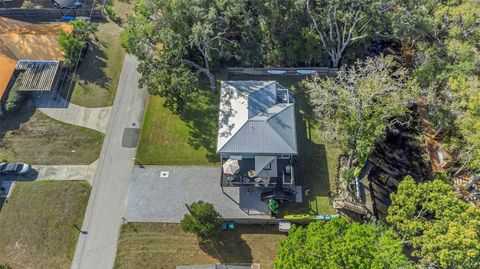
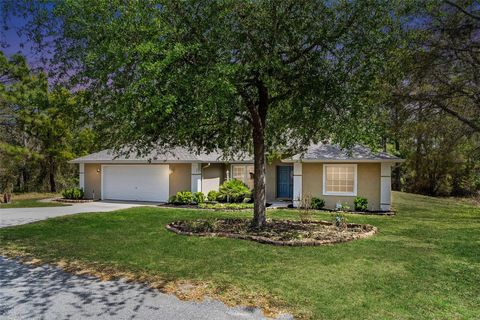
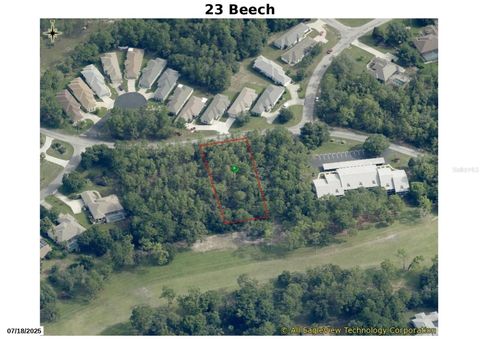
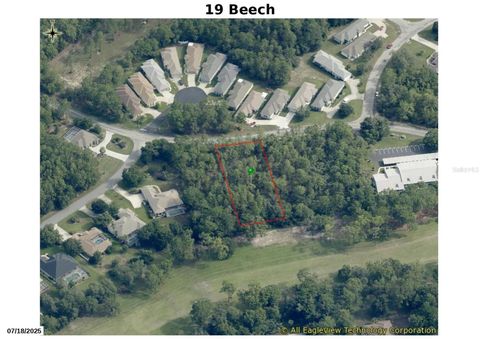
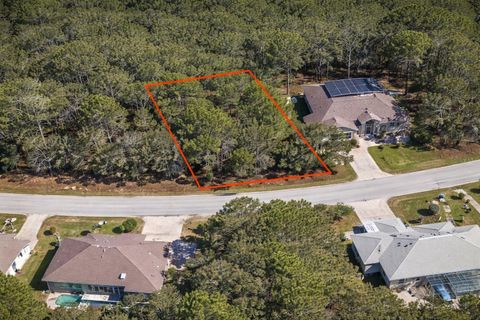
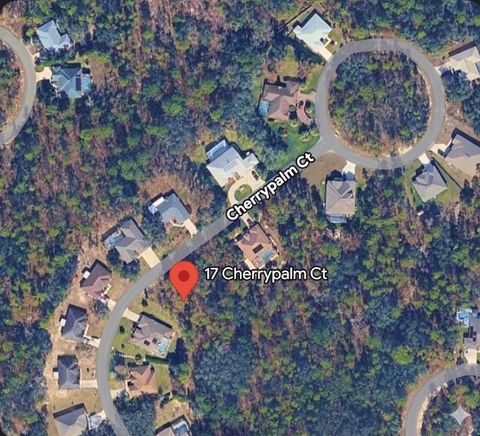
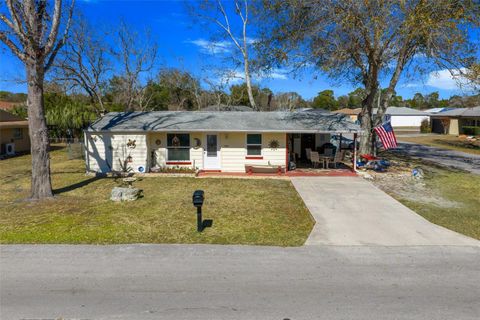
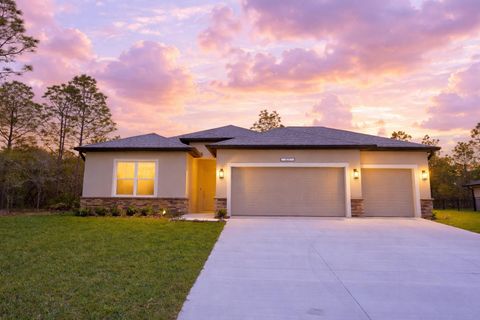
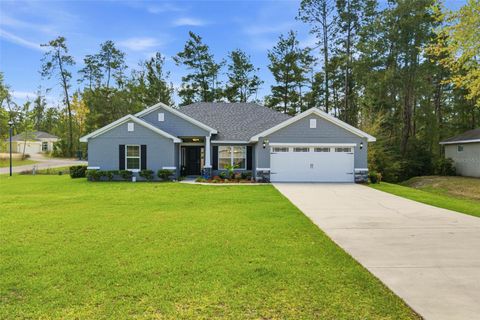
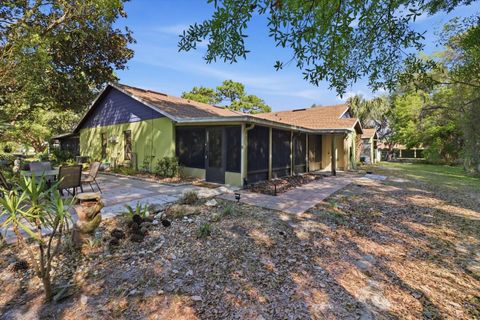
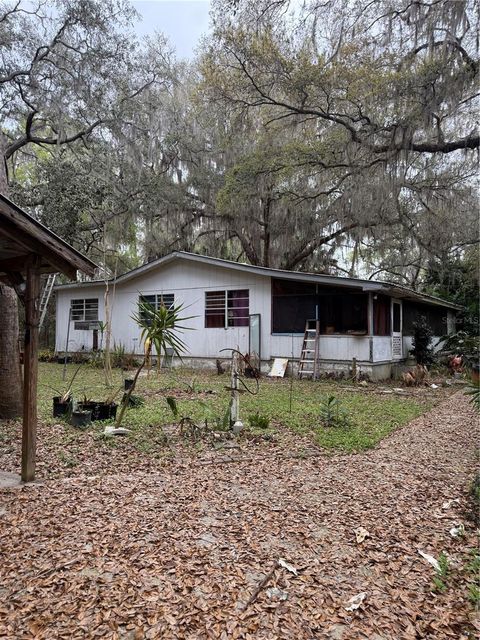
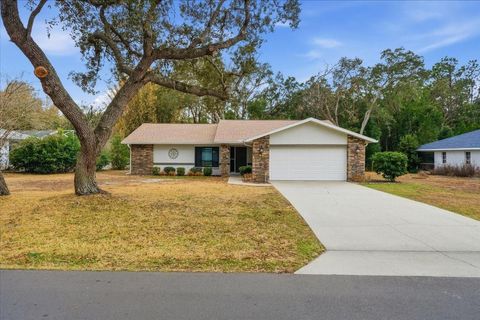
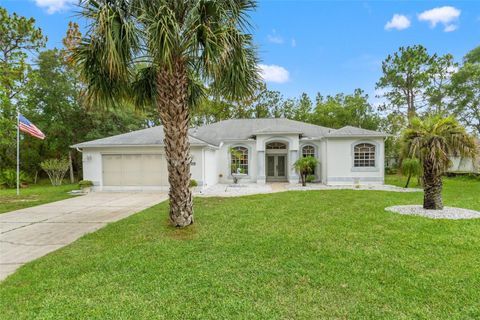
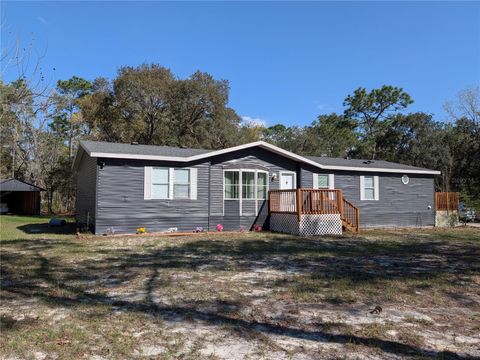
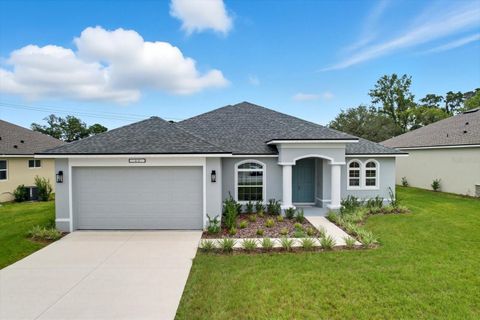
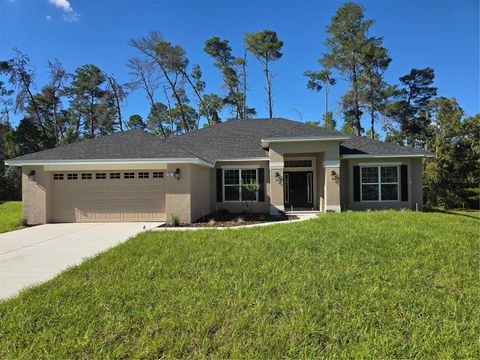
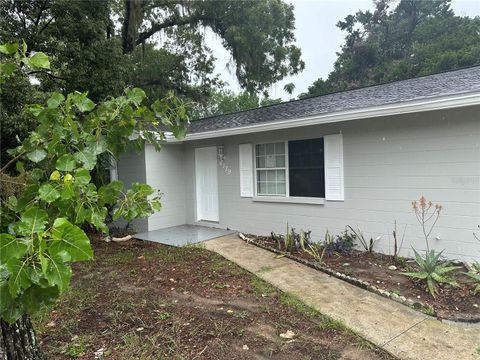
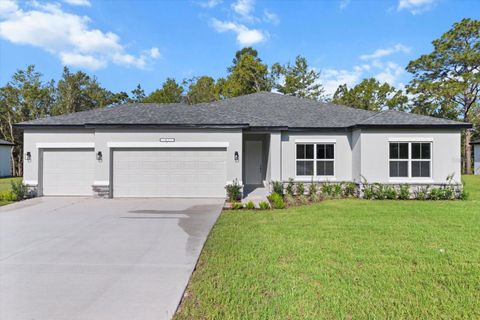
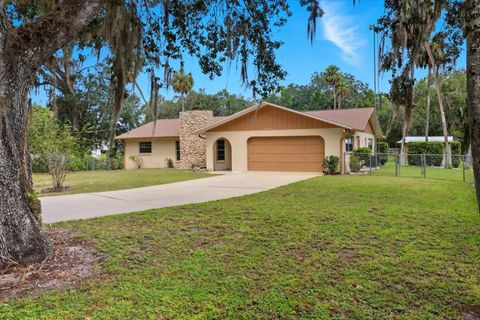
Browse current Homosassa listings, updated in real time from the MLS:

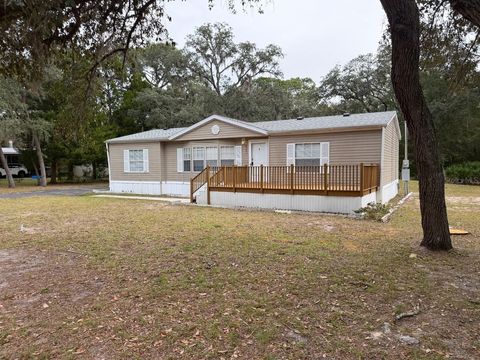
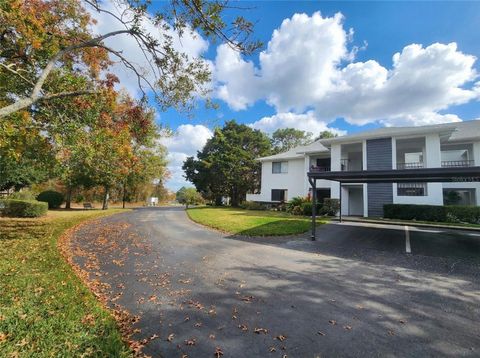
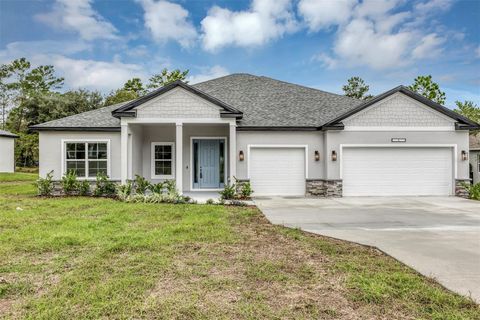
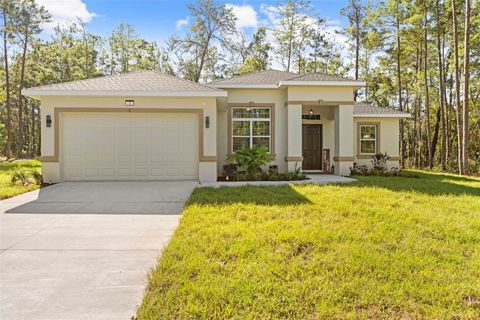
Recently Sold Homes in Homosassa
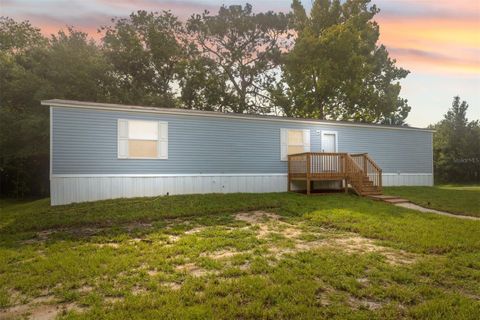
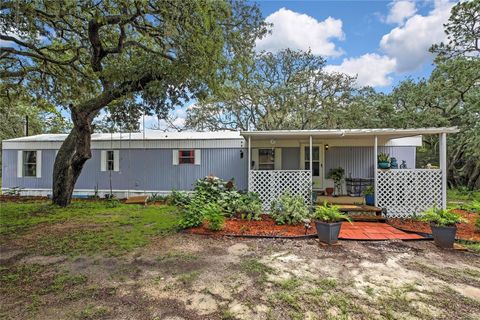
See what has sold recently for real market context:

Ready to Find Your Homosassa Home?
Barrett Henry covers Citrus County and can help you find the right Homosassa property, from riverfront fishing retreats to affordable residential homes with easy access to the Nature Coast lifestyle. Call or email to get started.
Local knowledge. Honest guidance. No pressure.
Frequently Asked Questions: Homosassa, FL Real Estate
What is the median home price in Homosassa, FL?
As of early 2026, the median home price in Homosassa is approximately $335,000-$337,000. Riverfront properties on the Homosassa River system command significantly higher prices, often $400,000 to over $1 million depending on water frontage, dock facilities, and home condition.
What is Homosassa Springs Wildlife State Park?
Homosassa Springs Wildlife State Park is a Florida State Park built around the Homosassa Spring, which produces 70 million gallons of 72-degree water daily. The park features a floating underwater observatory (the Fish Bowl) for viewing manatees and fish, wildlife rehabilitation facilities for non-releasable native animals, and boat access from the Homosassa River. It is one of Florida’s most distinctive and beloved state parks.
What is the fishing like in Homosassa?
Homosassa is world-famous for tarpon fishing, with the spring tarpon run (April through July) bringing anglers from around the world to pursue fish that can exceed 200 pounds. The area also offers exceptional redfish, spotted sea trout, snook, flounder, and sheepshead fishing year-round, making it one of Florida’s premier inshore fishing destinations.
Is Homosassa good for vacation rentals?
Yes. The nature tourism market in Homosassa, driven by fishing charters, manatee encounters, and kayaking experiences, supports a meaningful vacation rental market. Properties with river access, boat dock facilities, and quality amenities can generate good short-term rental income, particularly during tarpon season and the winter manatee season.
How far is Homosassa from Tampa?
Homosassa is approximately 65 miles north of Tampa, typically 75-90 minutes via US-19 or via the Suncoast Parkway from Brooksville, which significantly reduces the drive time to Tampa’s northern suburbs and the airport.
What makes Homosassa different from Crystal River?
Homosassa has a more rural, Old Florida fishing-camp character than Crystal River, with fewer commercial developments and a stronger emphasis on the working fishing culture. Crystal River offers more developed commercial amenities, the Three Sisters Springs swimming experience, and a more organized nature tourism infrastructure. Both offer exceptional spring and river access and are approximately 10 miles apart.