
Plant City, Florida sits about 25 miles east of downtown Tampa along the I-4 corridor, offering some of the most affordable single-family homes in Hillsborough County without sacrificing access to jobs, schools, or quality of life. Known worldwide as the Strawberry Capital of the World, Plant City carries a genuine small-town identity while growing steadily into one of Tampa Bay’s most practical choices for families and first-time buyers.
If you’re searching for a place where your dollar stretches further, where neighbors still wave from their porches, and where a world-famous festival shuts down the whole city for two weeks every spring, Plant City deserves a serious look. Exploring a move to Tampa Bay for the first time? Start here.
This guide covers everything you need to make a confident decision about Plant City: real estate market data, neighborhood breakdowns, school ratings, commute realities, new construction options, and the honest pros and cons of living here. Whether you’re a first-time buyer stretching your budget, a growing family looking for space, or an investor seeking value east of Tampa, the information below will give you a clear picture of what Plant City offers and what it costs.
Why Plant City is One of Tampa Bay’s Best Kept Secrets
Plant City occupies a unique space in the Tampa Bay market. It’s genuinely affordable, with median home prices hovering around $350,000 as of early 2026, well below coastal submarkets like St. Petersburg or Clearwater. Yet it sits right on I-4, putting downtown Tampa within 30 to 45 minutes on a good morning commute.
The city’s agricultural roots give it a character you don’t find in newer, master-planned suburbs. Strawberry fields still line the roads east of town. The historic downtown district, added to the National Register of Historic Places in 1998, has genuine brick-and-mortar charm. That combination of heritage and growth is rare in this region, and buyers who discover it early tend to stay.
Plant City also benefits from ongoing infrastructure investment. New subdivisions from national builders like D.R. Horton and Lennar are bringing modern homes to the market, while the existing community continues to grow around healthcare, retail, and dining. It’s not a hidden gem for much longer.
Where is Plant City? Location, Geography, and Getting Around
Plant City is located in eastern Hillsborough County, approximately 25 miles east of Tampa and about 35 miles southwest of Orlando. The city straddles Interstate 4, which serves as the primary east-west artery connecting Tampa to Lakeland and Orlando. US Highway 92 and SR 574 also run through the area, providing multiple routes into town.
The terrain here is flatter and more open than Tampa’s urban core, with agricultural land, lakes, and wetlands giving the community a rural feel even in its denser residential areas. The city covers roughly 26 square miles and sits at a modest elevation, which reduces flood exposure compared to many coastal and riverine areas in Tampa Bay. That said, always consult the Florida Flood Zones Guide before purchasing any property in the region.
Getting around Plant City without a car is challenging. There is limited public transit, and most errands require driving. For Tampa commuters, the I-4 westbound corridor is the standard route, though traffic congestion during peak hours can push commute times to 45 to 60 minutes. Lakeland sits about 15 miles to the east, giving Plant City residents easy access to Polk County employment and amenities as well.
Plant City is roughly equidistant between Brandon to the west and Lakeland to the east, making it a natural crossroads community for commuters and families with ties to both metro areas.
Plant City Real Estate Market Overview
The Plant City real estate market as of early 2026 sits in a more balanced position than it was during the frenzy of 2021 and 2022. Median home prices are approximately $350,000 to $382,000, depending on the source and timing, representing a significant value compared to the broader Tampa Bay metro. There are currently several hundred active listings across all price points.
Homes in established neighborhoods like Walden Lake tend to command premiums due to amenities and name recognition, while newer construction communities on the eastern edges of the city offer competitive pricing from national builders. Entry-level buyers can still find detached single-family homes in the $280,000 to $320,000 range in some pockets, which is increasingly rare in Hillsborough County.
The market skews toward buyers who prioritize space and value over walkability or proximity to the coast. Larger lots, three-car garages, and move-up family homes in the $350,000 to $500,000 range represent the core of demand. Luxury inventory above $600,000 exists but is limited. If you want to understand what your current home is worth before making a move, start with a free home valuation.
Investors have taken notice of Plant City’s relative affordability and proximity to Tampa Bay job markets. Rental demand is steady, driven by workers in logistics, agriculture, healthcare, and manufacturing who prefer the lower cost of living east of the city. For more on the investment angle, see the investing section of this site or visit the Plant City investor overview below.
Understanding Florida closing costs and HOA rules before you make an offer will save you surprises at the table. Many Plant City communities carry HOA fees, and some newer developments may include Community Development District (CDD) assessments. Review the CDD Fee Guide if you’re looking at newer builds.
Neighborhoods and Subdivisions in Plant City
Plant City offers a wide range of residential neighborhoods, from well-established master-planned communities to newer subdivision developments on the city’s outskirts. Here is a look at the primary options buyers encounter.
Walden Lake
Walden Lake is Plant City’s signature community, a roughly 2,000-acre master-planned development built around a 62-acre private lake. The community encompasses approximately 30 distinct neighborhoods with a wide range of home styles and price points. Amenities include scenic walking and biking trails, a dog park, boat access to the lake, and well-maintained common areas. The Walden Lake Community Association manages the district. Homes here typically range from $300,000 to $550,000, with waterfront properties commanding the highest prices.
North Park Isle
North Park Isle is a newer master-planned community that has become one of Plant City’s most in-demand addresses. The development features single-family homes with modern floor plans, community amenities including a swimming pool, playground, and basketball courts, and prices that generally start in the mid-$300,000s. Its location provides convenient access to I-4 and SR 574, appealing to commuters headed to Tampa or Lakeland.
Park East
Park East is an active new construction masterplan in Plant City featuring homes from national builders. The community includes amenities like a swimming pool, dog park, basketball court, and playground. Homes here represent some of the newer inventory in the city, built to current Florida building codes with modern energy efficiency standards.
Timber Ridge and Other Established Communities
Beyond the larger master-planned communities, Plant City has dozens of smaller subdivisions and established neighborhoods that offer single-family homes on modestly sized lots at prices well below the county median. The historic residential areas near downtown Plant City feature older homes with character, some of which fall within the Downtown Plant City Historic Residential District, a federally recognized historic district.
Frontier Pointe, a D.R. Horton community, has been active in bringing more affordable new construction to the eastern sections of the city. Buyers looking for three-bedroom homes in the $280,000 to $330,000 range will find Plant City’s smaller subdivisions offer options that simply don’t exist at those price points in Brandon or Riverview. If you’re a first-time buyer working with a tight budget, Plant City is one of the last Hillsborough County options where entry-level ownership remains viable.
Comparing Plant City to Nearby Communities
Brandon sits roughly 15 miles west of Plant City and offers more dining, retail, and entertainment, along with a shorter commute to Tampa. However, Brandon’s median home prices have risen considerably, and the traffic congestion along the Brandon area corridors is significant. Plant City trades that congestion and cost for a quieter, more spacious living environment.
Lakeland lies about 15 miles to the east and is a larger city with its own employment base, cultural venues, and lake-centered lifestyle. Some Plant City buyers work in Lakeland, which is a notably easier commute than going west to Tampa. Families weighing Plant City versus Lakeland should consider which direction their employment ties them, since both cities are comfortably reachable from Plant City.
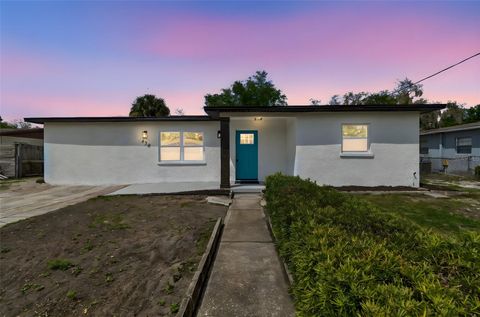

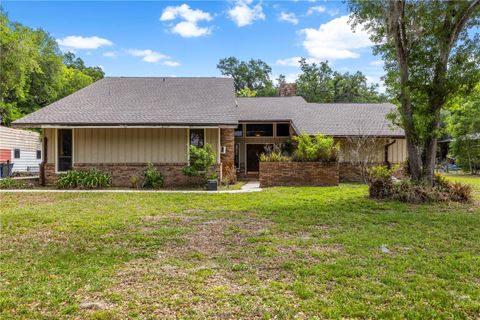
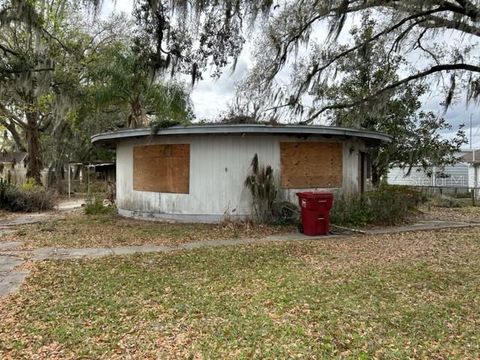
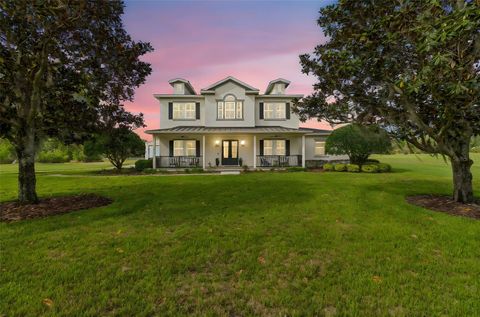
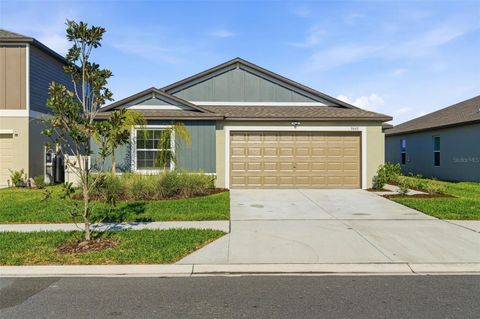
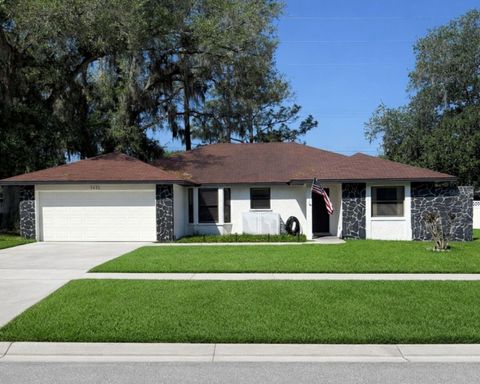
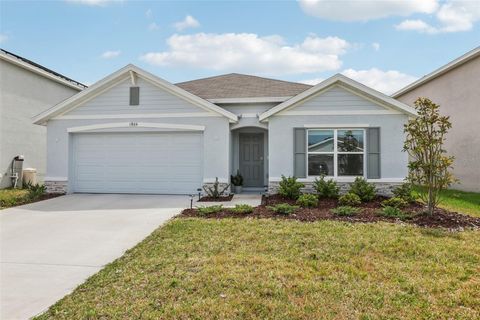
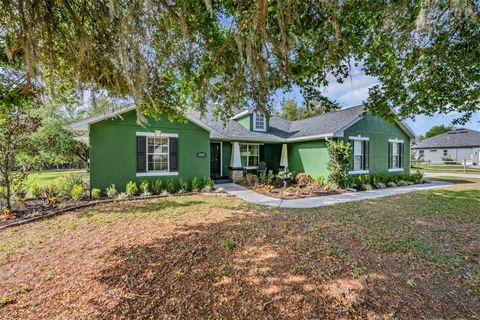
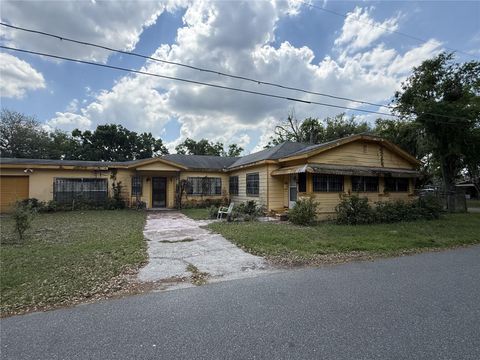
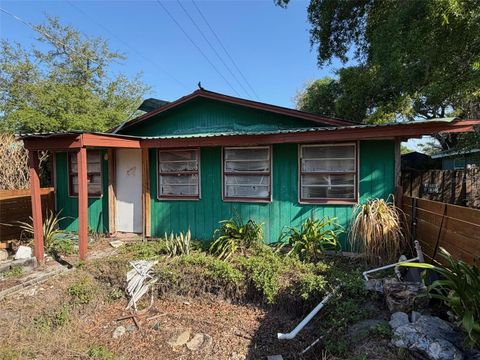
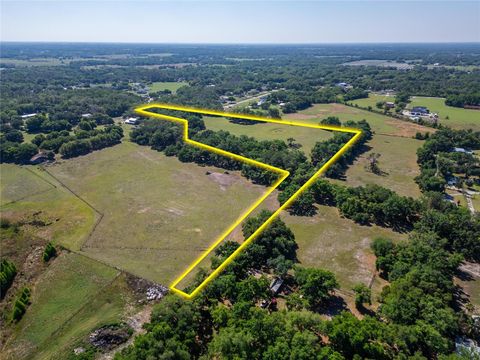
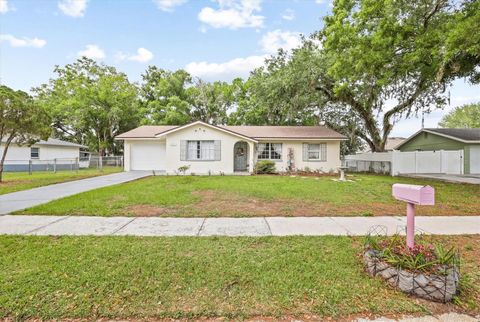
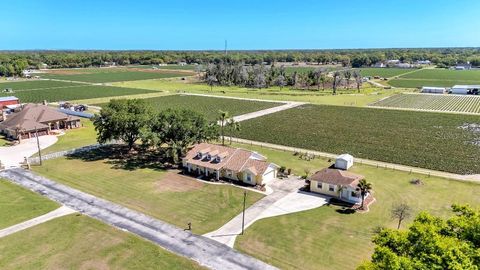
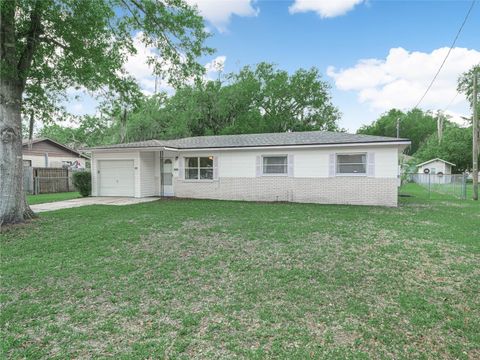
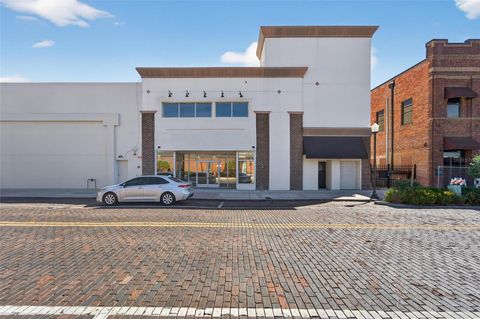
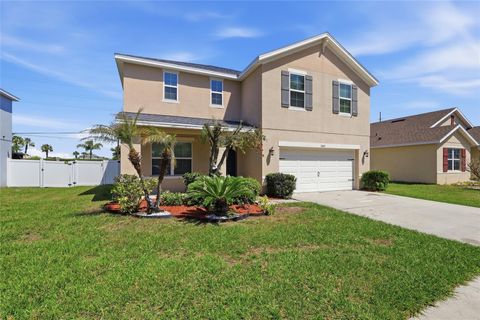
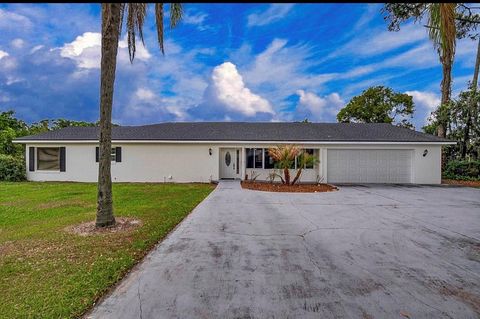
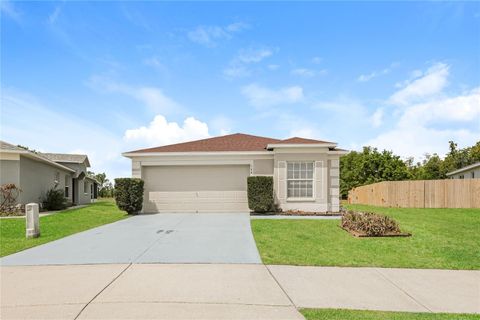
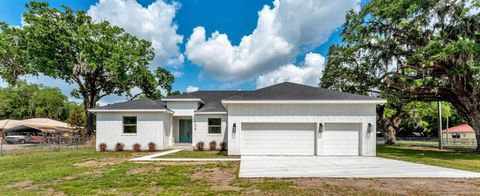
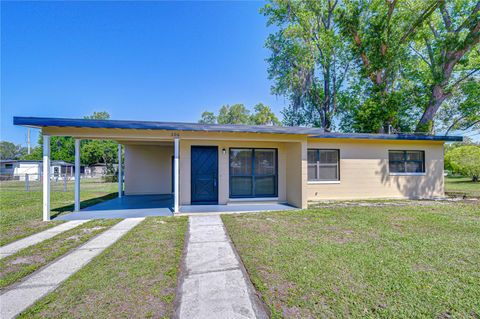
Interested in seeing what’s currently available? Browse available properties or connect with Barrett directly to get a curated list of Plant City listings that match your needs.
Schools in Plant City: Ratings, Zoning, and Options
Plant City is served by Hillsborough County Public Schools, one of the largest school districts in the United States. As with any large district, school quality varies significantly from campus to campus, and buyers with school-age children should verify current zoning assignments and ratings before making a purchase decision.
Elementary Schools
Walden Lake Elementary School is consistently ranked among the top public elementary schools in Plant City and receives strong marks from GreatSchools and other rating services. Lincoln Elementary Magnet School and Advantage Academy of Hillsborough are also cited among the area’s top-performing elementary options. Buyers in Walden Lake and surrounding neighborhoods should confirm which elementary school serves their specific address, as attendance zones can shift.
Middle Schools
Several middle schools serve the Plant City area within Hillsborough County. As with elementary schools, performance ratings vary, and parents are encouraged to review current GreatSchools and Florida Department of Education ratings when evaluating neighborhoods.
Plant City High School
Plant City High School serves roughly 2,580 students in grades 9 through 12 and is the primary public high school for the city. State and national rankings place the school in the middle tier for Florida high schools. Math proficiency scores are around 58% and reading proficiency around 40%, which tracks below Hillsborough County’s top-performing high schools like Newsome, Plant, and Steinbrenner. Families who prioritize high school academic performance should weigh this factor carefully alongside other considerations.
Private and Charter Options
Private school options exist in and around Plant City, and charter school enrollment through the Hillsborough County School Choice program is available. Families interested in alternatives to the traditional public school track should explore the district’s magnet and charter offerings, some of which draw from across the county. Advantage Academy of Hillsborough is one such option serving the area.
Things to Do in Plant City
Plant City punches above its weight when it comes to local attractions. The city has built an identity around its agricultural heritage, outdoor recreation, and one of Florida’s most beloved annual events.
The Florida Strawberry Festival
The Florida Strawberry Festival is Plant City’s defining event, drawing more than 500,000 visitors each year over an 11-day run typically held in late February and early March. The 2026 festival ran from February 27 through March 9. The event features more than 80 midway rides and games, national headline entertainment, agricultural exhibits, a farmers market, and an enormous variety of food vendors. Fresh strawberry shortcake and strawberry-themed dishes are the culinary stars, and the festival’s “Ask a Farmer” exhibits connect visitors to Plant City’s deep farming roots. For residents, having this festival in their backyard is a genuine point of civic pride.
Outdoor Recreation
Walden Lake provides the most prominent outdoor amenity within the community itself, with lakeside trails, a dog park, and access to the water for fishing and non-motorized boating. Plant City’s parks system includes several traditional parks with athletic fields, playgrounds, and picnic areas. The broader eastern Hillsborough County area offers easy drives to natural areas, and the proximity to Lakeland gives residents access to that city’s lakefront parks and outdoor amenities as well.
Historic Downtown Plant City
Downtown Plant City features a compact historic commercial district with local shops, restaurants, and businesses that reflect the city’s agricultural and rail-town heritage. The area’s historic residential district, listed on the National Register of Historic Places since 1998, preserves a collection of early 20th-century homes within a walkable neighborhood. Events and seasonal activities in the downtown area continue to grow as the city invests in revitalization.
Sports and Family Activities
Plant City Stadium hosted the Cincinnati Reds for spring training for many years and has hosted various sporting events over the decades, giving the city a connection to professional baseball. Youth sports leagues, recreational facilities, and community programs round out the family activity calendar. And of course, the Tampa Bay metro’s broader attraction portfolio, from Busch Gardens to the Gulf Coast beaches, is within easy reach.
Proximity to Regional Attractions
Plant City’s position midway between Tampa and Orlando opens up a wider range of day-trip options than most Tampa Bay suburbs can claim. Walt Disney World is approximately 55 miles east via I-4, Universal Studios is a similar distance, and LEGOLAND Florida in Winter Haven is less than 30 miles away. For families with children, living in Plant City means two of the world’s top theme park destinations are within reasonable driving distance.
Closer to home, the Gulf Coast beaches of Clearwater and the barrier islands of St. Petersburg are approximately 60 to 70 miles west via I-4 and the Crosstown Expressway, a drive of roughly 60 to 75 minutes in normal traffic. Bradenton and its Anna Maria Island beaches offer another coastal option. Tampa Bay’s Gulf beaches are certainly not walking distance from Plant City, but they are a practical day trip. Residents of Plant City often find they visit the beaches more than they expected, simply because the drive is no worse from Plant City than it is from the western suburbs of Orlando.
Best Restaurants and Dining in Plant City
Plant City’s dining scene is small but genuine. The city has local institutions that reflect its agricultural character alongside the chain restaurants you’d expect in any growing suburban market.
Fred’s Southern Kitchen consistently ranks as one of Plant City’s most popular local restaurants, known for home-style Southern cooking. Parkesdale Farm Market, just outside of town, is a Plant City institution. Famous for fresh strawberry milkshakes, strawberry shortcake, and locally grown produce, Parkesdale draws visitors from across the region and has operated for decades as a roadside farm stand turned full market.
During the Florida Strawberry Festival, the food landscape expands dramatically, with dozens of vendors offering everything from strawberry-themed novelties to classic festival fare. The festival’s food vendor lineup changes annually, introducing new dishes alongside beloved staples. Johnson Barbeque and several other local vendors participate each year. Strawberry biscuit tacos, strawberry pizza, and of course fresh strawberry shortcake are among the signature foods that draw visitors from across the state.
Parkesdale Farm Market, located just outside Plant City on SR 92, is a regional institution. Operating since the 1950s, Parkesdale offers fresh strawberries in season, strawberry milkshakes and shortcake year-round, and a full farm market experience that draws visitors from as far as Tampa and Orlando. It is one of Plant City’s most beloved non-festival dining and shopping destinations.
Beyond local staples, Plant City has the full range of chain dining that a growing suburban community supports: Applebee’s, Chili’s, Cracker Barrel, and numerous fast-casual options along US 92 and SR 574. For more diverse dining, residents typically make the short drive to Brandon, which offers a significantly broader restaurant selection as one of Tampa Bay’s largest suburban communities.
The Plant City downtown area has seen gradual growth in local dining options as the revitalization of the historic commercial district has taken hold. Small locally owned restaurants, coffee shops, and casual eateries have opened in the downtown area, adding to the community character even if the options remain more limited than a larger city center would offer. This is an area of growth to watch as Plant City’s population continues to expand.
Commute and Transportation from Plant City
The commute from Plant City to Tampa is one of the most important factors for buyers to evaluate honestly. Interstate 4 runs through the northern part of the city and provides the primary route west to Tampa. Under normal conditions, the drive from Plant City to downtown Tampa takes approximately 35 to 45 minutes. During peak rush hours, particularly westbound in the morning and eastbound in the evening, that same drive can stretch to 60 minutes or more.
The I-4/I-275 interchange near Tampa can be a significant bottleneck, and construction and accident-related delays on I-4 are a regular occurrence given the corridor’s high traffic volume between Tampa and Orlando. Buyers who commute daily should do a test drive during rush hour before committing to a purchase.
US Highway 92 provides an alternative surface route to Brandon and eastern Tampa, running roughly parallel to I-4. This route is useful for reaching Brandon-area employment and services without entering the interstate, though it adds time for anyone headed into Tampa proper.
Public transportation options are limited. Hillsborough Area Regional Transit (HART) provides some bus service in the area, but Plant City is not well-connected to Tampa via transit in the way that closer suburbs are. Workers who rely on public transit will find Plant City challenging. For commuters headed toward Lakeland and Polk County, the reverse is true: Plant City is closer to Lakeland than to Tampa, making it a practical choice for those with eastern employment.
The I-4 corridor between Tampa and Orlando continues to see long-term planning for potential transit improvements, though no commuter rail service to Plant City is currently operational or in near-term planning stages. Buyers who work remotely even a few days per week find that the reduced commute frequency significantly changes the calculus of living in Plant City. A two or three day per week commute is far more manageable than a daily round trip.
For comparison, residents of Riverview face similar commute dynamics going into Tampa, while Brandon sits roughly 15 miles closer to the city center. Plant City trades commute distance for meaningful cost-of-living savings. Buyers who can tolerate the commute routinely report that the price savings and space they gain more than compensate for the drive.
Cost of Living in Plant City
Plant City’s cost of living is one of its strongest selling points. Overall costs run approximately 11% below the national average, with housing being the primary driver of that savings. The median home price is well below what buyers pay in coastal Tampa Bay communities, and rental rates are correspondingly lower, with median rents around $1,000 to $1,100 per month for a basic apartment.
Healthcare and utilities also trend below the national average in Plant City. Groceries and transportation costs are slightly above average, the latter partly driven by car dependency and fuel costs for the longer commute. Florida’s lack of a state income tax applies here as it does across the state, a meaningful benefit for buyers relocating from high-tax states.
Property taxes in Hillsborough County are moderate relative to many other Florida counties, though they vary based on assessed value and any applicable exemptions. Florida’s Homestead Exemption reduces the assessed value of a primary residence by $50,000 for tax purposes, and the Save Our Homes cap limits annual assessment increases to 3% or the rate of inflation, whichever is lower, for homesteaded properties. These provisions provide meaningful long-term tax stability for primary residents who plan to stay in their homes for multiple years.
Buyers should also account for homeowner’s insurance, which has risen significantly across Florida in recent years. Plant City’s inland location reduces coastal wind and storm surge exposure compared to waterfront communities, which can translate to more competitive insurance rates than buyers would face closer to the Gulf or Tampa Bay. However, confirming actual premium quotes from multiple insurers before closing remains essential, as the Florida insurance market has been volatile statewide regardless of location.
For a family buying in the $350,000 to $400,000 range, Plant City offers measurably more house than comparable money would buy in Tampa, Brandon, or Apollo Beach. That trade-off, more space and lower cost in exchange for a longer commute, is the central value proposition of Plant City as a residential choice. Buyers who run the full numbers, including what they save on housing costs annually relative to closer-in communities, often find that the math strongly favors Plant City even when factoring in commuting costs.
New Construction in Plant City
Plant City has experienced a notable wave of new construction activity over the past several years, driven by land availability and buyer demand for affordable new homes east of Tampa. National builders including D.R. Horton, Lennar, Taylor Morrison, and Highland Homes of Florida are all active in the market, with multiple communities in various phases of development across the city.
Starting prices for new construction in Plant City begin around $240,000 to $260,000 for entry-level product, with most new communities pricing single-family homes in the $300,000 to $450,000 range. Some communities exceed $500,000 for larger floor plans with premium lots. New homes come with builder warranties, modern energy efficiency standards, and construction engineered to current Florida building codes, which include substantial wind resistance requirements introduced after the 2004 hurricane season.
Key active new construction communities include North Park Isle, Park East, Frontier Pointe (D.R. Horton), Timber Ridge, and new phases within the Walden Lake footprint such as Terrace at Walden Lake by Highland Homes. Communities in eastern Plant City and along SR 574 represent the frontier of current development. The Park East masterplan offers amenities including a pool, basketball court, dog park, and playground, which positions it competitively against older resale inventory that may lack these features.
One important distinction for buyers evaluating new construction in Plant City: the availability of affordable new construction here versus the scarcity of it in Brandon or western Hillsborough County is significant. As builders exhaust land in closer-in communities, they move east, and Plant City has been a primary beneficiary of that movement. This eastward development trend has brought infrastructure improvements, new schools, and additional retail alongside the housing growth.
Buyers considering new construction should understand that builder incentives, lot premiums, and upgrade pricing can add significantly to the base price. A home listed at $320,000 base price can easily cost $380,000 to $420,000 after lot premiums, structural options, and design center upgrades. Builder-preferred lenders often offer rate buydowns or closing cost credits as part of incentive packages, which can be valuable, but buyers should compare the lender’s rate against market alternatives before committing. Working with an independent buyer’s agent like Barrett Henry costs you nothing in a new construction transaction (the builder pays the commission), but provides meaningful protection and negotiating leverage that you lose when working directly with the builder’s on-site sales team. Learn more about the home buying process and first-time buyer resources on this site.
If you’re comparing Plant City’s new construction to options in Wesley Chapel or Land O’ Lakes, note that those markets tend to skew higher in base price. Plant City’s land costs remain lower, which translates to more home for the money, though commute distance is the offsetting factor. For buyers who work remotely even part-time, Plant City’s new construction value proposition is particularly compelling.
Pros and Cons of Living in Plant City
Pros
- Affordability: Median home prices and overall cost of living are meaningfully lower than most of Tampa Bay’s closer-in suburbs.
- Space: Lots tend to be larger and homes more spacious for the price compared to coastal communities.
- Community character: Plant City has a genuine small-town identity, agricultural heritage, and civic pride centered around the Strawberry Festival.
- Interstate access: I-4 provides direct connection to both Tampa and Lakeland/Orlando, making the city accessible from two major employment centers.
- New construction options: Multiple active communities offer modern homes at competitive prices, with major national builders represented.
- Less congestion: Daily traffic within the city itself is far lighter than in Brandon or Tampa’s urban core.
- Growth trajectory: Infrastructure investment and population growth suggest continued appreciation potential over the medium and long term.
Cons
- Commute: The drive to Tampa can reach 60 minutes or more during peak hours, and there is no practical public transit alternative.
- Limited walkability: Like most of suburban eastern Hillsborough County, Plant City requires a car for almost all daily activities.
- Schools: Plant City High School and several other schools in the area perform below the Hillsborough County average on state assessments. Families prioritizing high-performing public schools should research zoning carefully.
- Dining and entertainment: The local dining and nightlife scene is limited compared to closer-in suburbs. Most residents drive to Brandon or Tampa for broader options.
- Insurance costs: Like all of Florida, homeowner’s insurance premiums have risen substantially and must be factored into carrying costs.
Plant City Real Estate for Investors
Plant City presents a genuine case for real estate investors, particularly those focused on single-family rentals and long-term appreciation plays. The city’s relative affordability means lower acquisition costs, which helps with initial cash flow math in a market where cap rates have compressed significantly in coastal Tampa Bay communities.
Rental demand in Plant City is driven by a mix of working families, logistics and distribution workers (there is significant warehouse and industrial employment along the I-4 corridor in eastern Hillsborough and Polk Counties), and households priced out of Brandon and closer-in suburbs. Median rents for a three-bedroom single-family home are generally in the $1,600 to $2,000 range, though this fluctuates with the broader market. Investors should conduct current market rent analysis before underwriting any deal.
The I-4 logistics corridor is particularly relevant for Plant City investors. Amazon, Walmart, and numerous third-party logistics companies have large distribution and fulfillment operations within a reasonable commute of Plant City along the I-4 and US 92 corridors. These employers provide steady blue-collar and trade employment that drives consistent rental demand from households who cannot yet qualify for or afford homeownership. That tenant base tends to prioritize stability over amenity, making a clean, well-maintained three-bedroom home in Plant City an attractive rental option at accessible price points.
New construction investment carries specific considerations. Builder incentive programs sometimes benefit investors willing to close quickly, but rental restrictions in HOA documents vary and should be reviewed in advance. Some communities restrict short-term rentals or have minimum lease term requirements. Short-term rental (Airbnb/VRBO) strategies are generally not viable within HOA communities and are not a primary investment use case in Plant City, given its inland location without tourist-driven demand. Review HOA rules in Florida for what to look for in governing documents before you buy.
Resale investment in older, established neighborhoods can offer better cash-on-cash returns than new construction, since acquisition costs are lower and rents for a given number of bedrooms and bathrooms are relatively comparable regardless of build year. A three-bedroom, two-bathroom resale home acquired in the $270,000 to $310,000 range may pencil out more attractively than a new construction equivalent at $360,000, depending on condition, financing terms, and the landlord’s capacity for maintenance and repairs.
Long-term appreciation potential is tied to Plant City’s continued development trajectory. As land costs in Brandon and eastern Hillsborough County rise, buyers and investors are being pushed further east, which benefits Plant City. The I-4 corridor between Tampa and Orlando continues to attract distribution, logistics, and light manufacturing employers, which supports both housing demand and rental rates. For a broader view of investment strategy in Tampa Bay, see the investing resources on this site or visit the commercial real estate page.
Frequently Asked Questions About Plant City
Is Plant City a good place to live?
Plant City is a solid choice for buyers who prioritize affordability, space, and small-town character over walkability or coastal proximity. It has genuine community identity, good family-oriented amenities in neighborhoods like Walden Lake, and a growing inventory of modern new construction. The commute to Tampa is the primary trade-off, and it is a real one that should be factored honestly into any decision.
How far is Plant City from Tampa?
Plant City is approximately 25 miles east of downtown Tampa via Interstate 4. Under normal conditions, the drive takes 35 to 45 minutes. During peak rush hour, particularly westbound in the morning, the commute can reach 60 minutes or more.
What is the average home price in Plant City?
As of early 2026, median home prices in Plant City are approximately $350,000 to $382,000 depending on the source and market timing. Entry-level homes can be found in the $270,000 to $320,000 range in some areas, while premium properties in Walden Lake and newer construction communities range from $400,000 to $550,000 and above.
What is the Florida Strawberry Festival?
The Florida Strawberry Festival is an annual 11-day event held in Plant City each late February and early March, drawing over 500,000 visitors. The festival features live entertainment, over 80 midway rides and games, agricultural exhibits, and a massive food vendor lineup centered on fresh strawberries and strawberry-themed dishes. It has been held annually for over 90 years and is the centerpiece of Plant City’s civic identity.
What are the best neighborhoods in Plant City?
Walden Lake is Plant City’s most recognized community, a 2,000-acre master-planned development built around a 62-acre lake with extensive trails and amenities. North Park Isle is newer and also well-regarded. Park East and communities along SR 574 represent the newest development activity. The right neighborhood depends on your priorities around price, lot size, amenities, and school zoning.
What schools serve Plant City?
Plant City is served by Hillsborough County Public Schools. Walden Lake Elementary is among the area’s top-rated elementary schools. Plant City High School serves most high school students in the city. School performance ratings vary across campuses, and buyers with school-age children should verify current zoning and check GreatSchools and the Florida Department of Education for updated ratings.
Are there new construction homes in Plant City?
Yes. Multiple national builders are active in Plant City, including D.R. Horton, Lennar, Taylor Morrison, and Highland Homes. Starting prices for new construction begin around $240,000 to $260,000 for entry-level homes, with most single-family communities priced between $300,000 and $450,000. Communities like North Park Isle, Park East, Frontier Pointe, and Terrace at Walden Lake are among the active projects.
Is Plant City part of Tampa?
No. Plant City is an independent incorporated city within Hillsborough County, separate from the City of Tampa. It has its own city government, municipal services, and identity. It is, however, within the Tampa metropolitan statistical area and part of the broader Tampa Bay region.
What is the cost of living like in Plant City compared to Tampa?
Plant City’s overall cost of living is approximately 11% below the national average, with housing as the primary driver of savings. Compared to Tampa proper and closer suburbs like Brandon, Plant City offers meaningfully lower home prices and rents. The trade-off is a longer commute and more limited local amenities.
Does Plant City have HOA communities?
Yes. Many of Plant City’s newer and master-planned communities, including Walden Lake and North Park Isle, are governed by homeowners associations. HOA fees, rules, and restrictions vary by community. Some newer developments also carry Community Development District (CDD) assessments in addition to HOA fees. Always review the governing documents and understand the full fee structure before making an offer. The HOA rules guide and CDD fee guide on this site are good starting points.
How is the job market near Plant City?
Plant City itself has employment in agriculture, food processing, healthcare, retail, and logistics. The I-4 corridor east of Tampa has attracted significant distribution and warehouse development, providing jobs accessible without going all the way into Tampa. Many Plant City residents commute to Tampa, Brandon, or Lakeland for work in healthcare, finance, education, and other sectors. The dual access to Tampa and Lakeland/Polk County employment gives residents more options than a single-corridor suburb.
Is Plant City safe?
Safety varies by neighborhood, as it does in any community of Plant City’s size. Established subdivisions like Walden Lake and North Park Isle tend to be well-maintained and family-oriented. Buyers should review current crime data from the Hillsborough County Sheriff’s Office and the Plant City Police Department for specific areas of interest. As always, visiting a neighborhood at different times of day is worthwhile before buying.
What is Plant City close to?
Plant City is approximately 25 miles from Tampa, 15 miles from Lakeland, 55 miles from Orlando, and within an hour or so of the Gulf Coast beaches. Brandon sits roughly 15 miles to the west. The Tampa metro’s full amenity package, from professional sports to international airports to world-class dining, is accessible within a reasonable drive.
Is Plant City a good place to invest in real estate?
Plant City offers lower acquisition costs than most of the Tampa Bay metro, which can support better cash flow on single-family rentals. Rental demand is steady, driven by working families and logistics workers along the I-4 corridor. Long-term appreciation potential is tied to continued eastward growth from Brandon and the broader development of the I-4 corridor between Tampa and Orlando. As with any market, due diligence on rents, insurance costs, and HOA rental restrictions is essential before purchasing.
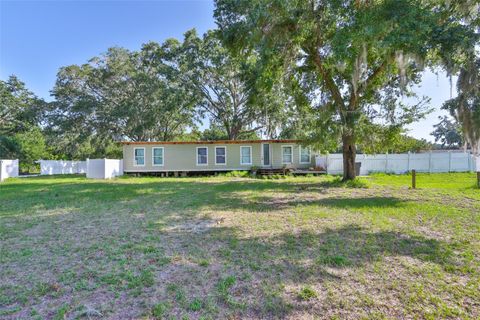
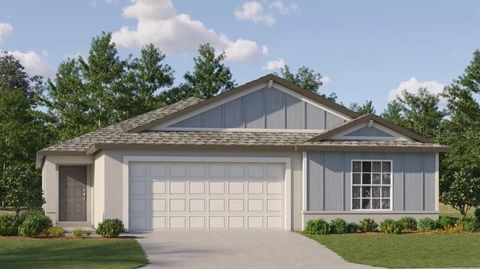
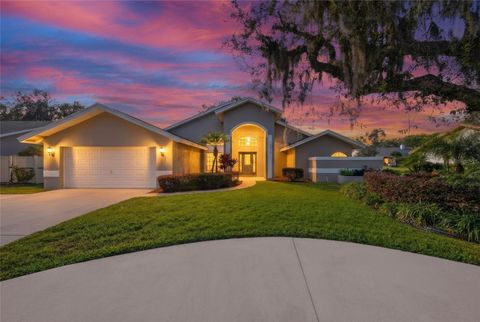
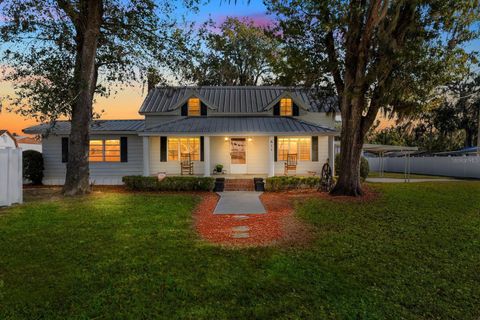
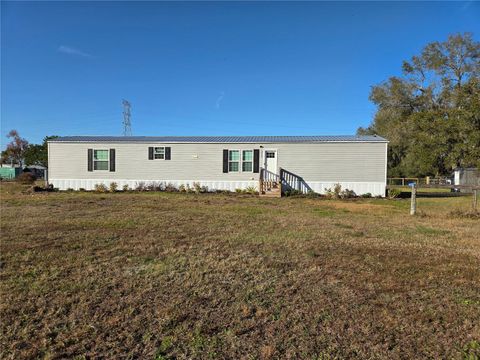
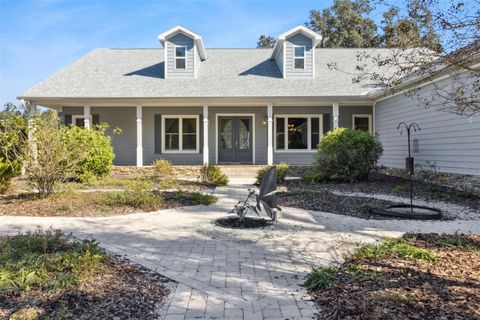
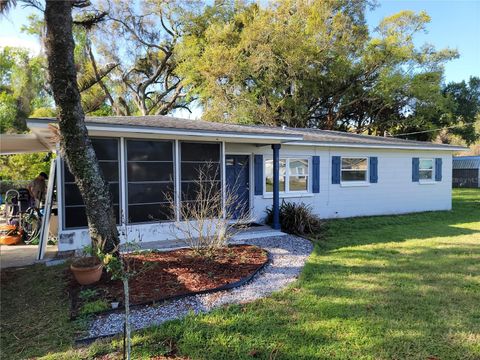
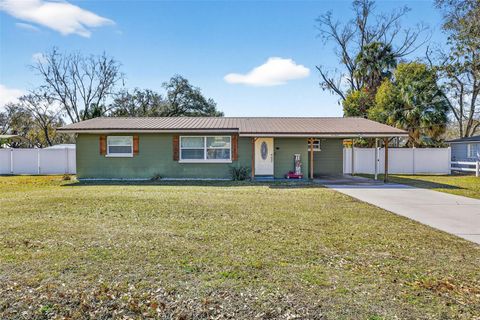
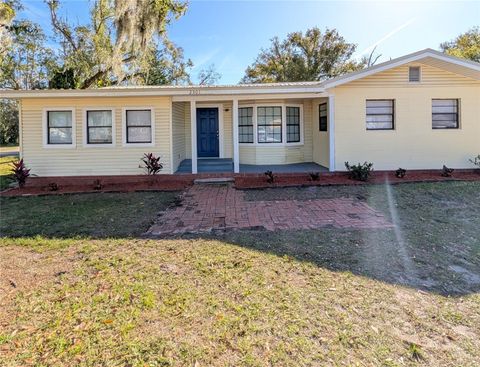
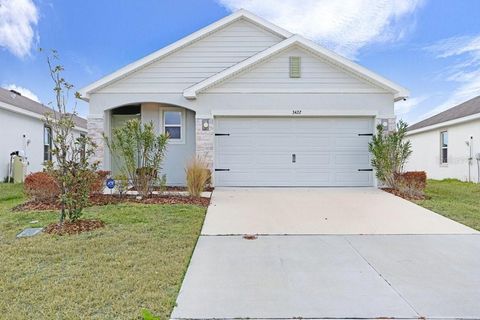
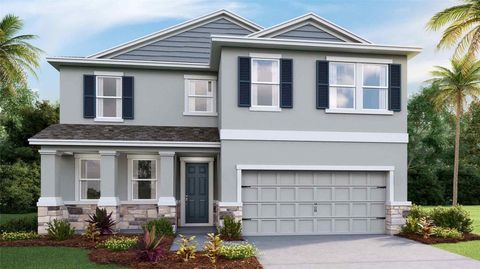
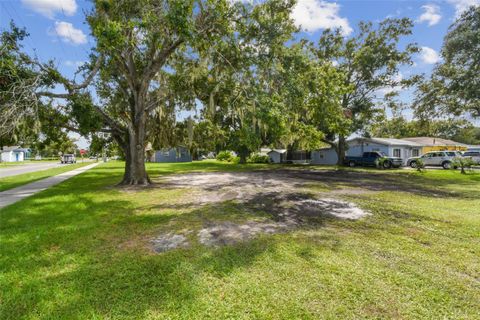
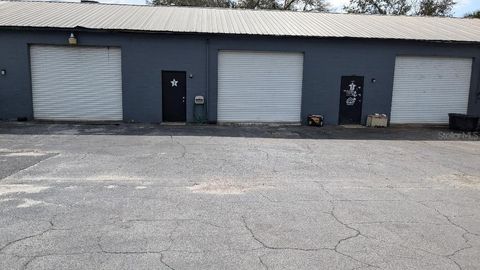
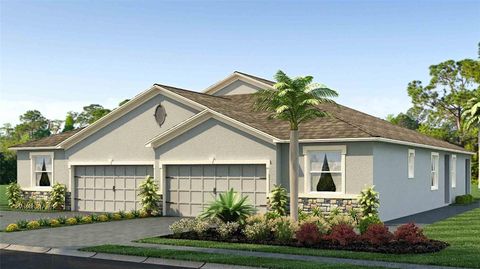
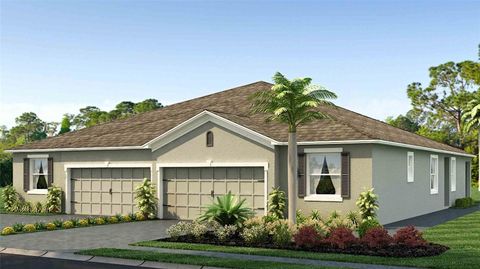
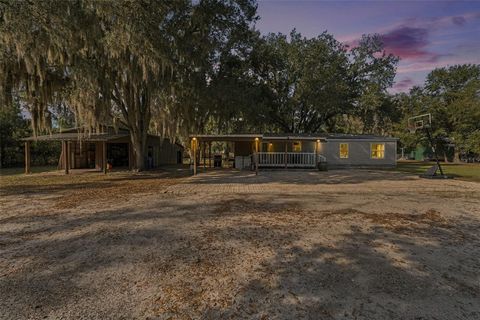
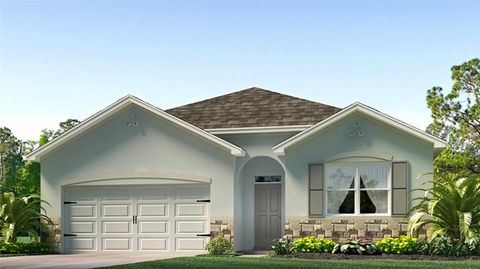
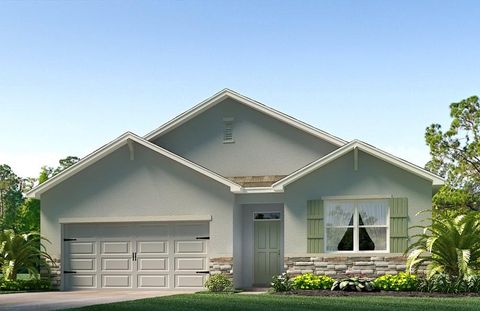
Plant City Homes for Sale
Browse current listings in Plant City. Updated directly from Stellar MLS.
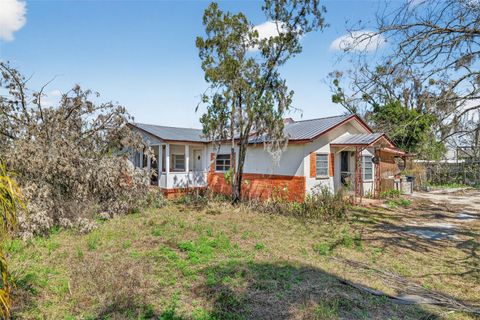
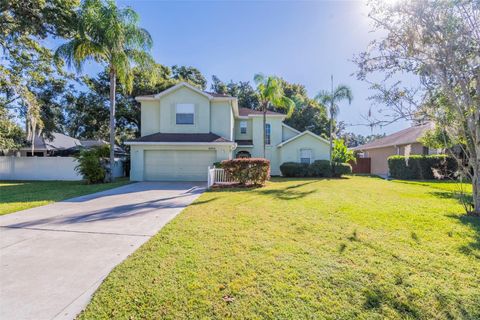
Recently Sold Homes in Plant City
See what homes recently sold for in Plant City to understand current market values.
Explore Plant City Real Estate
Browse all Plant City listings and local resources. Updated from Stellar MLS.
Property Types
- Plant City Homes for Sale
- Plant City Luxury Homes
- Plant City Condos & Townhomes
- Plant City New Construction
- Plant City Waterfront Homes
- Plant City Homes with Pool
- Plant City 55+ Communities
- Plant City Single Story Homes
- Plant City Gated Communities
- Plant City Land for Sale
- Plant City Investment Properties
- Plant City New Listings
- Plant City Open Houses
Market & Community Resources
More Plant City Resources
Everything you need to buy, sell, or explore Plant City real estate.
Related Guides: Best Neighborhoods in Plant City: Where to Live in · How to Sell Your Home Fast in Plant City, FL · Luxury Living in Plant City: What Your Money Gets You · New Construction Homes in Plant City: Builders, Communiti · Plant City FL Community Guide – Small-Town Living Near · Plant City Real Estate Market Report · Waterfront Homes in Plant City: Pricing, Flood Zones, and · Why Barrett Henry Is the Plant City FL Realtor You Need i
Need Help With Tampa Bay Real Estate?
Barrett Henry is a licensed Broker Associate with REMAX Collective, serving the entire Tampa Bay market. Whether you are buying, selling, or investing — get straight talk and real data. No pressure, no games.
Schedule a Free ConsultationCall (813) 733-7907