Quick Answer
How long does it take to buy a home in Florida?
The typical Florida home purchase takes 30-60 days from accepted offer to closing, with the full process (including house hunting and mortgage pre-approval) averaging 2-4 months total. Cash purchases can close in as little as 7-14 days. Review our inspection checklist, understand closing costs, and explore Tampa Bay homes for sale.
Last updated October 2020
One of the first questions I get from buyers – especially first-timers and people relocating to Tampa Bay – is “how long does it take to buy a house in Florida?” The honest answer is that it depends, but a typical purchase from pre-approval to closing takes somewhere between 45 and 60 days once you’re under contract, and the full process from start to finish can run 2 to 6 months depending on how quickly you find the right home. I’m Barrett Henry with REMAX Collective, and I’ve walked hundreds of buyers through this process in the Tampa Bay area. This guide breaks down every phase of the Florida home buying timeline so you know exactly what to expect and where delays happen.
Florida Home Buying Timeline at a Glance
| Phase | Typical Timeframe | Key Tasks |
|---|---|---|
| Pre-Approval | 1-3 days to 2 weeks | Gather financial documents, submit application, receive pre-approval letter |
| House Hunting | 2 weeks to 3+ months | Define criteria, tour homes, narrow down choices |
| Making an Offer & Negotiating | 1-5 days | Submit offer, negotiate terms, reach agreement, sign contract |
| Due Diligence (Inspections & Appraisal) | 10-14 days | Home inspection, WDO inspection, wind mitigation, appraisal ordered |
| Loan Processing & Underwriting | 2-4 weeks | Document verification, underwriting review, conditional approval, clear to close |
| Title Search & Insurance | 2-3 weeks (concurrent) | Title search, resolve liens, issue title insurance commitment |
| Final Walkthrough & Closing | 1 day | Final walkthrough, sign closing documents, fund, record deed, get keys |
Overview: How Long Does It Really Take?
From the day you go under contract to the day you get the keys, the typical Florida home purchase takes 45 to 60 days. That’s the timeline most lenders work within, and it’s what you’ll see written into most purchase contracts as the closing date. However, some transactions close in as few as 30 days, and others stretch to 90 days or more if complications arise.
The total timeline from “I want to buy a house” to “I own a house” is longer because you need to factor in pre-approval and the house hunting phase. For most buyers I work with in the Tampa Bay area, the full journey takes somewhere between 2 and 5 months. Buyers who are decisive about what they want and get pre-approved before they start looking tend to land on the shorter end. Buyers who are still figuring out their priorities or shopping in a competitive price range may take longer – and that’s completely fine.
If you’re a first-time buyer in the Brandon area, this timeline may feel overwhelming at first. It’s not. Each phase has a clear set of tasks, and when you have an experienced agent managing the process, most of it happens behind the scenes while you go about your life.
Phase 1: Getting Pre-Approved (1-3 Days to 2 Weeks)
Pre-approval is the foundation of your entire home buying timeline. Without it, you’re guessing at what you can afford, and no serious listing agent will let their seller entertain an offer from an un-approved buyer. Getting pre-approved tells you exactly how much home you can buy, what your monthly payment will look like, and what loan programs you qualify for.
What You’ll Need
- Two years of tax returns – W-2s and full returns. Self-employed buyers also need business returns.
- Two months of bank statements – All accounts. The lender wants to see where your down payment and closing costs are coming from.
- Recent pay stubs – Typically the most recent 30 days.
- Photo ID – Driver’s license or passport.
- Authorization for credit pull – The lender will pull your credit report and scores from all three bureaus.
If you have all your documents ready and your finances are straightforward, a pre-approval can come back in 1 to 3 business days. If there are complications – gaps in employment, irregular income, credit issues that need resolving – the process can take 1 to 2 weeks. My advice: talk to a lender before you even start looking at homes online. Having that letter in hand when you find the right house means you can move fast when it matters.
Phase 2: House Hunting (2 Weeks to 3+ Months)
This is the phase with the widest time range because it depends entirely on you, the market, and inventory. Some buyers find their home on the first weekend of tours. Others take months because they’re being selective, the market is competitive, or their criteria is very specific.
In the Tampa Bay market, the average buyer tours somewhere between 5 and 15 homes before making an offer. That can happen in a single weekend if you’re focused, or it can stretch over two to three months if you’re taking your time. Neither approach is wrong – what matters is that you’re clear on your priorities and price range before you start touring.
What Affects the House Hunting Timeline
- Inventory in your price range – In a low-inventory market, there simply may not be enough homes that fit your criteria, which means waiting for new listings.
- How specific your requirements are – Buyers who need a very specific neighborhood, school zone, lot size, or floor plan will naturally take longer than buyers who are flexible.
- Competition – In a seller’s market, you may lose out on one or two homes before getting an accepted offer, adding weeks to the process.
- Your availability – Buyers who can tour homes on short notice tend to find their home faster. In a fast-moving market, a home that hits the market Monday morning may have multiple offers by Wednesday.
I tell my buyers to plan for 4 to 8 weeks of active house hunting, but to mentally prepare for the possibility that it takes longer. Rushing into the wrong house is far more expensive than taking an extra month to find the right one.
Phase 3: Making an Offer and Negotiating (1-5 Days)
Once you find the home you want, things move quickly. I can typically have an offer prepared and submitted within a few hours of your decision. The seller then has a timeframe – usually 24 to 48 hours – to respond. They can accept, reject, or counter your offer.
If there’s a counter-offer, we go back and forth until both sides agree on price, closing date, contingencies, and any other terms. Most negotiations wrap up within 1 to 3 days, though complicated deals with multiple counter-offers can stretch to 5 days. Once both parties sign the contract, you’re officially “under contract” and the closing clock starts ticking.
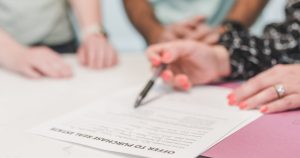
The offer itself includes more than just price. We’ll negotiate the closing date, earnest money deposit amount, inspection period length, financing contingency terms, and who pays for what. Your closing costs are largely determined by what we negotiate in this phase, so having an experienced agent write the offer matters.
Phase 4: Under Contract – Due Diligence (10-14 Days)
The due diligence period is your window to thoroughly evaluate the property and decide whether to move forward. In Florida, this period is spelled out in the contract – typically 10 to 15 days from the effective date. This is when the most critical inspections and evaluations happen.
Home Inspection
The general home inspection should be scheduled within the first few days of going under contract. A licensed inspector will spend 2 to 4 hours evaluating the roof, structure, electrical, plumbing, HVAC, appliances, windows, doors, and attic. You should plan to attend at least the walkthrough portion. I cover the full process in my Florida home inspection checklist guide.
Specialized Inspections
In addition to the general inspection, Florida buyers typically need a wind mitigation inspection, a 4-point inspection (for homes over 20 years old), and a WDO/termite inspection. If the home has a pool, add a pool inspection. These are usually scheduled alongside or right after the general inspection. Total cost for all inspections typically runs $700 to $1,500.
Appraisal
Your lender will order the appraisal once you’re under contract. The appraisal is an independent evaluation of the home’s market value – the lender needs to verify the home is worth what you’re paying. The appraiser typically visits the property within 5 to 10 days of being ordered, and the written report comes back a few days after that. If the appraisal comes in at or above the purchase price, you’re good. If it comes in low, we have a negotiation on our hands.
Based on the inspection results, we’ll negotiate repairs or credits with the seller. If significant issues are found, you have the right to cancel the contract during the inspection period and get your earnest money back. This is one of the most important protections in the Florida purchase contract.
Phase 5: Loan Processing and Underwriting (2-4 Weeks)
Once inspections are cleared and you’re moving forward, the lender shifts into full processing mode. This is where your loan application gets thoroughly reviewed, verified, and ultimately approved (or not). This phase runs concurrently with the title work, so they don’t add separate time to the timeline.
What Happens During Processing
- Document verification – The lender verifies your employment, income, assets, and debts. They may request updated documents if anything has changed since pre-approval.
- Underwriting review – An underwriter evaluates your full file against the loan program guidelines. They’re looking at credit, income, debt-to-income ration, down payment source, and the property itself (via the appraisal).
- Conditional approval – The underwriter issues a conditional approval with a list of conditions that must be satisfied before final approval. Common conditions include updated bank statements, a letter of explanation for large deposits, or proof of insurance.
- Clear to close – Once all conditions are met, the underwriter issues the “clear to close” – the green light that your loan is fully approved and ready for closing.
This phase typically takes 2 to 4 weeks, with 3 weeks being the most common. The biggest thing you can do to keep this on schedule: respond to your lender immediately when they ask for documents. Every day you delay providing a requested document is a day added to your closing timeline.
Critical rule during this phase: Do not make any major financial changes. Don’t open new credit cards, don’t make large purchases, don’t change jobs, and don’t move large amounts of money between accounts without talking to your lender first. Any of these can derail your approval at the worst possible time.
Phase 6: Title Search and Insurance (2-3 Weeks, Concurrent)
While your loan is being processed, the title company is doing its own work in parallel. This phase doesn’t add time to the overall timeline because it runs concurrently with loan processing – but if problems surface, it can cause delays.
What the Title Company Does
- Title search – The title company examines public records going back decades to verify the seller has clear ownership and there are no outstanding liens, judgments, or claims against the property.
- Resolve any title issues – If the search reveals problems – an old mortgage that was never properly satisfied, a tax lien, an unresolved judgment – the title company works with the seller to clear them before closing.
- Title insurance commitment – Once the title is clear, the company issues a commitment to insure, which means they’re willing to issue title insurance policies at closing.
- Prepare closing documents – The title company or closing attorney prepares the deed, settlement statement, and all closing documents.
In a clean transaction, the title work takes 2 to 3 weeks and requires no involvement from you. If title issues surface – a lien from a previous owner, a boundary dispute, or a missing heir on the chain of title – resolution can take additional time. This is why title searches start early in the contract period.
Phase 7: Final Walkthrough and Closing (Closing Day)
Closing day is when everything comes together. But before you sit down at the closing table, there are a few final steps.
Final Walkthrough
The final walkthrough happens within 24 hours of closing – usually the morning of or the evening before. You’ll walk through the property to verify that the home is in the same condition as when you went under contract, any agreed-upon repairs have been completed, all appliances and fixtures that convey are still there, and the seller has fully moved out. This is not a second inspection. It’s a quick confirmation that nothing has changed or been damaged since your last visit.
At the Closing Table
Florida closings are handled by a title company or real estate attorney. You’ll review and sign the closing disclosure (which you should have received at least 3 business days prior), the mortgage note, the deed, and various affidavits and disclosures. The whole signing process takes about 45 minutes to an hour. You’ll bring a government-issued ID and either a cashier’s check or wire transfer confirmation for your closing funds. Once everything is signed and funded, the deed is recorded with the county, and you get the keys.
For a deeper look at what you’ll pay at the closing table, check out my Florida closing costs guide.
What Can Delay Your Closing
Even well-managed transactions can hit bumps. Here are the most common reasons closings get delayed in Florida – and what you can do to avoid them.
- Low appraisal – If the appraisal comes in below the purchase price, the buyer, seller, or both need to make up the difference or renegotiate. This can add 1 to 2 weeks.
- Lender document requests – The underwriter finds something unexpected in your file and needs additional documentation. Delays here are usually caused by slow buyer response times.
- Title issues – Liens, judgments, or ownership disputes that surface during the title search can take days or weeks to resolve.
- Insurance delays – In Florida’s challenging insurance market, getting a policy bound on an older home or a home with a borderline roof can take time.
- Inspection renegotiation – If significant issues are found during inspection and the parties can’t quickly agree on repairs or credits, the back-and-forth adds time.
- Seller delays – The seller hasn’t moved out, hasn’t completed agreed-upon repairs, or can’t clear a title issue on their end.
- Financing falls through – Job loss, new debt, or credit changes during the process can cause a loan denial, which usually kills the deal entirely.
The best defense against delays is preparation: get fully pre-approved (not just pre-qualified), respond to lender requests the same day, schedule inspections immediately after going under contract, and have an agent who stays on top of every deadline.
Cash Buyer Timeline: How Fast Can You Close?
If you’re paying cash – no mortgage, no lender – the timeline shrinks dramatically. Cash buyers eliminate the entire loan processing and underwriting phase, which is the longest single chunk of the standard timeline. Without a lender in the picture, there’s no appraisal requirement (though I still recommend getting one), no underwriting delays, and no risk of financing falling through.
A cash purchase in Florida can close in as few as 2 to 3 weeks, and I’ve closed cash deals in 10 days when both parties were motivated and the title was clean. The timeline for a cash purchase looks roughly like this:
- Day 1-3: Offer accepted, earnest money deposited, inspections scheduled
- Day 3-10: Inspections completed, negotiate any issues, title search underway
- Day 10-15: Title cleared, closing documents prepared
- Day 14-21: Closing
Cash offers are also more attractive to sellers because they carry less risk of falling through. In a competitive market, a cash offer at a slightly lower price can beat a financed offer at full asking price simply because of the certainty and speed.
Florida-Specific Timeline Factors
Florida has a few unique requirements and considerations that can affect your timeline compared to buying in other states.
- Wind mitigation inspection – Not required to close, but essential for getting affordable homeowners insurance. Schedule this during the inspection period so you have the report ready when you apply for insurance. It takes about 30 minutes and can be done alongside the general inspection.
- Flood zone certification – Your lender will require a flood zone determination. If the property is in a high-risk flood zone, you’ll need flood insurance before closing, which adds a step and a cost. Flood insurance policies can take several days to bind, so don’t wait until the last minute.
- Survey – While not always required, surveys are common in Florida transactions, especially for properties with fences, pools, additions, or structures near property lines. A survey can take 1 to 2 weeks to schedule and complete, so order it early in the process.
- Homeowners insurance challenges – Florida’s insurance market is tighter than most states. Homes with older roofs, certain plumbing or electrical issues, or claims history can be difficult or expensive to insure. Start the insurance shopping process as soon as you go under contract – don’t wait until the last week.
- Hurricane season considerations – If you’re closing during hurricane season (June 1 through November 30), be aware that an approaching storm can temporarily halt insurance binding, delay appraisals and inspections, and in rare cases push back closing dates. Title companies and county recording offices may close during mandatory evacuations.
Tips for Speeding Up the Home Buying Process
While you can’t control everything, there’s a lot you can do to keep the process moving efficiently and avoid unnecessary delays.
- Get pre-approved before you start looking – This is the single most impactful thing you can do. A pre-approval letter in hand means you can submit an offer the day you find the right home.
- Have your documents organized – Create a folder with your tax returns, bank statements, pay stubs, and ID before you even talk to a lender. When they ask for something, send it within hours, not days.
- Respond to your lender immediately – Every document request from underwriting is time-sensitive. The faster you respond, the faster you close.
- Schedule inspections within the first 3 days of going under contract – Don’t wait until day 8 of a 10-day inspection period. Get inspections scheduled immediately so you have time to review results and negotiate.
- Shop for insurance early – Start getting homeowners insurance quotes as soon as you go under contract. In Florida’s market, this step can take longer than expected.
- Stay in close communication with your agent – I keep my buyers updated at every milestone, but proactive communication in both directions keeps the whole team aligned and prevents surprises.
- Don’t make major financial changes during the process – No new credit cards, no large purchases, no job changes, no large undocumented deposits. Your lender will re-check your financial profile before closing.
Rushing vs. Taking Your Time: Pros and Cons
There are real advantages and disadvantages to both a fast and a slow approach to buying a home. Here’s an honest breakdown.
Moving Quickly
- ✓ Less time paying rent while also carrying mortgage-related costs
- ✓ Stronger competitive position – sellers prefer fast closings
- ✓ Lock in your interest rate before potential increases
- ✓ Less emotional fatigue from a drawn-out search
- ✓ Get settled into your new home sooner
- ✗ Higher risk of buyer’s remorse from hasty decisions
- ✗ Less time to thoroughly evaluate neighborhoods and commutes
- ✗ May overlook important details in the rush
- ✗ Tighter timeline leaves less room for problems to be resolved
- ✗ Could settle for a home that’s “good enough” instead of the right fit
Taking Your Time
- ✓ More homes to compare means a more informed decision
- ✓ Time to learn the neighborhoods at different times of day and week
- ✓ Less stress and pressure during the process
- ✓ Better chance of finding exactly what you want
- ✓ More time to save for a larger down payment
- ✗ Risk of rising prices or interest rates while you wait
- ✗ Good homes sell quickly – being too slow means losing out
- ✗ Extended house hunting can lead to decision paralysis
- ✗ Longer period of uncertainty and transition
- ✗ May miss seasonal buying advantages
My recommendation: be prepared to move fast, but don’t force a decision. Get your finances in order, know your priorities, and when the right home appears, act decisively. That’s the sweet spot between rushing and overthinking.
Frequently Asked Questions About the Florida Home Buying Timeline
How long does it take to buy a house in Florida from start to finish?
The entire process – from getting pre-approved through closing – typically takes 2 to 5 months. The contract-to-closing phase averages 45 to 60 days. The biggest variable is the house hunting period, which can range from a few weeks to several months depending on inventory, your criteria, and market conditions in the Tampa Bay area.
How long does it take to close on a house in Florida once you’re under contract?
Most financed purchases close in 30 to 60 days from the contract effective date, with 45 days being the most common timeline. Cash purchases can close in as few as 2 to 3 weeks. The timeline depends on how quickly inspections are completed, how fast the lender processes the loan, and whether any issues arise during title search or underwriting.
What is the fastest you can close on a house in Florida?
Cash purchases can close in as few as 7 to 14 days if both parties are motivated, the title is clean, and no inspections reveal major issues. For financed purchases, 21 to 30 days is about as fast as most lenders can process a loan. Some lenders offer “fast close” programs, but 30 days is typically the minimum with a mortgage.
Can my closing date get pushed back?
Yes, and it happens more often than buyers expect. The most common causes are lender delays (additional documents needed during underwriting), low appraisals that require renegotiation, title issues that need to be resolved, and insurance complications. Both parties must agree to a closing date extension – it’s typically documented as an addendum to the original contract.
How long is the inspection period in Florida?
The inspection period is negotiated in the purchase contract and is typically 10 to 15 days in the Tampa Bay area. During this window, you have the right to conduct inspections and either negotiate repairs, request credits, or cancel the contract and receive your earnest money back. Once the inspection period expires, your ability to cancel based on inspection findings is significantly limited.
Do I need a real estate agent to buy a house in Florida?
You’re not legally required to have an agent, but buying without one – especially in Florida – is a risk I’d strongly advise against. Florida has unique contract forms, insurance requirements, inspection needs, and closing customs that trip up unrepresented buyers regularly. An experienced buyer’s agent manages the entire timeline, negotiates on your behalf, and ensures nothing falls through the cracks. In most transactions, the seller pays the buyer’s agent commission, so buyer representation costs you nothing out of pocket.
Sources
Timeline estimates based on industry standards, Florida Realtors transaction data, and direct experience managing hundreds of purchase transactions in the Tampa Bay market. Closing timeframes sourced from Ellie Mae / ICE Mortgage Technology Origination Insight Reports. Florida-specific requirements referenced from the Florida Statutes, Florida Building Code, and Florida Department of Financial Services insurance guidelines. Individual timelines may vary based on lender, property type, and market conditions.
Ready to Start the Process? Let’s Talk.
The Florida home buying timeline doesn’t have to be stressful. When you have someone managing every phase, coordinating with your lender and title company, and keeping the entire process on track, it runs smoothly. I’ve guided buyers through every kind of transaction – straightforward 30-day closings and complicated 90-day deals with title issues and appraisal disputes. Whatever your situation looks like, I’ll keep you informed at every step.
If you’re thinking about buying a home in Tampa Bay – whether that’s Brandon, Riverview, Valrico, or anywhere in Hillsborough County – I’d like to help you get started.
Barrett Henry | REMAX Collective
Direct: (813) 733-7907
Email: [email protected]
Website: NOWtb.com
Call, text, or email anytime. Let’s build your timeline and find the right home.
About the Author
Barrett Henry is a licensed real estate agent with REMAX Collective, specializing in residential real estate across the Tampa Bay area including Brandon, Riverview, Valrico, and surrounding communities. With deep local knowledge and a commitment to honest, straightforward guidance, Barrett helps buyers and sellers navigate every step of the real estate process – from pre-approval to closing day and beyond.
Related Guides
- First-Time Home Buyer Guide – Brandon, FL
- Florida Closing Costs – Complete Guide for Buyers and Sellers
- Florida Home Inspection Checklist – What Every Buyer Needs to Know
- Title Insurance in Florida – What It Is and Why You Need It
- The Escrow Process in Florida – Step by Step
Last updated October 2020. Timeline estimates reflect typical transactions in the Tampa Bay real estate market. Individual transactions may vary based on lender, property condition, market conditions, and other factors. Consult with your real estate agent and lender for a timeline specific to your situation.
Related Articles



Explore Tampa Bay Communities
About Barrett Henry – Barrett Henry is a licensed real estate Broker Associate with REMAX Collective, specializing in the Brandon, Riverview, Valrico, and greater Tampa Bay markets. With deep local knowledge and an honest, data-driven approach, Barrett helps buyers and sellers make confident real estate decisions. Learn more
Disclosure: This article is for informational purposes only and does not constitute financial or legal advice. Market data is approximate and subject to change. Always consult with a qualified real estate agent, lender, or attorney for your specific situation.
Last Updated: March 2026
Need Help With Tampa Bay Real Estate?
Barrett Henry is a licensed Broker Associate with REMAX Collective, serving the entire Tampa Bay market. Whether you are buying, selling, or investing – get straight talk and real data. No pressure, no games.
Schedule a Free Consultation Call (813) 733-7907