
Tampa is the engine of the Tampa Bay region, a major metropolitan city with one of the most diverse real estate markets in Florida. From the waterfront luxury of South Tampa and Davis Islands to the affordable suburban neighborhoods of New Tampa and Carrollwood, the city offers something for nearly every buyer profile and budget. Whether you’re moving to Tampa Bay from out of state or relocating within the region, understanding Tampa’s distinct neighborhoods is the essential first step.
Tampa is the county seat of Hillsborough County and serves as the largest city in the Tampa Bay metro area, with a population that has grown significantly over the past decade. It’s a city that has remade itself in that time: the Water Street development reshaped downtown, Armature Works redefined the riverfront, and Seminole Heights became a nationally recognized food destination. The city’s pace of change has been remarkable, and the trajectory for continued investment remains strong.
Why Tampa is One of Tampa Bay’s Best Kept Secrets
That headline is slightly tongue-in-cheek: Tampa is hardly a secret. But for buyers who assume the city is entirely expensive or densely urban, the reality is more nuanced and more appealing. Tampa contains multitudes: you can find a historic bungalow in Seminole Heights for well under $400,000, a waterfront estate on Davis Islands for $5 million, or a brand-new suburban home in New Tampa for $450,000. Few major cities offer that kind of range.
Tampa is also undergoing a sustained period of economic and cultural growth. Water Street Tampa, a multi-billion dollar mixed-use development adjacent to the Channel District, has reshaped downtown’s identity. The food and arts scene has matured significantly over the past decade. Population growth from northern states has brought new energy, new businesses, and new investment into neighborhoods across the city.
For buyers coming from markets like New York, Chicago, or California, Tampa frequently surprises on the upside: the price-to-quality ratio, the weather, the lifestyle access, and the absence of state income tax combine to make the move financially compelling. Barrett’s moving to Tampa Bay guide walks through what to expect in detail.
Where is Tampa? Location, Geography, and Getting Around
Tampa sits on the northeastern shore of Tampa Bay, forming the major urban anchor of the three-county metro that includes Hillsborough, Pinellas, and Pasco counties. The city covers approximately 175 square miles, ranging from dense urban core neighborhoods to sprawling suburban districts along its northern and eastern edges.
Tampa International Airport (TPA) sits on the northwestern edge of the city and is consistently ranked among the best airports in the United States for ease of use. MacDill Air Force Base occupies a peninsula extending into Tampa Bay at the southern tip of the city, providing significant economic and demographic influence on nearby South Tampa neighborhoods.
Major highway corridors include I-275 (north-south spine connecting downtown to St. Petersburg and the Suncoast Parkway), I-4 (east to Orlando), the Selmon Expressway (southeast to Riverview and Brandon), and the Veterans Expressway (north to Land O’ Lakes and the Suncoast region). Traffic is a real factor in Tampa: planning your commute route relative to your home and workplace is essential before buying.
The Hillsborough River bisects the city, and Tampa Bay defines its western and southern borders. Flood zone awareness is critical for any Tampa Bay purchase. Read Barrett’s Florida flood zones guide before making offers on waterfront or low-lying properties.
Tampa Real Estate Market Overview
Tampa’s real estate market in 2026-2026 is in a period of recalibration after the intense seller’s market of 2021-2022. Overall, the market has become more balanced, giving buyers opportunities that simply didn’t exist a few years ago. That said, the market is highly neighborhood-specific: South Tampa’s Plant High School zone remains fiercely competitive, while other areas offer substantially more breathing room.
Pricing ranges from under $300,000 for condos and smaller bungalows in emerging neighborhoods to well over $5 million for premium waterfront properties on Davis Islands or Bayshore Boulevard. The median home price varies significantly by district. Hyde Park’s median sale price runs around $1 million. Davis Islands averages well above that. Carrollwood sits around $380,000. The citywide median tends to fall somewhere between $380,000-$450,000, but that number obscures enormous variation.
Buyers exploring luxury real estate will find South Tampa and Davis Islands among the most compelling markets in all of Florida. Buyers focused on value and first-time homeownership will want to look at Carrollwood, Seminole Heights, New Tampa, and select parts of East Tampa. Understanding closing costs in Florida is important regardless of which price point you’re targeting.
Many Tampa condos and communities carry HOAs. Some waterfront developments have strict rental restrictions. Barrett’s Florida HOA rules guide is worth reviewing before making an offer, particularly on condo properties.
Neighborhoods and Subdivisions in Tampa
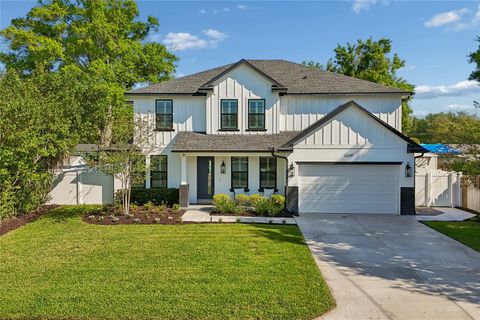
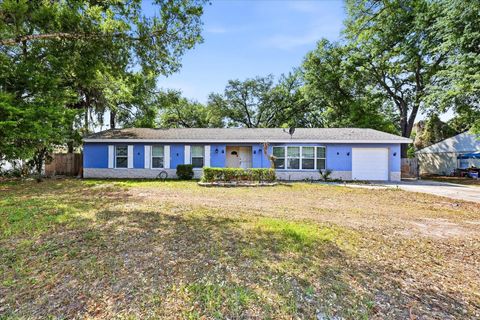
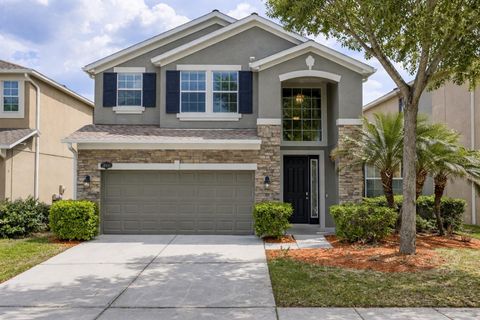
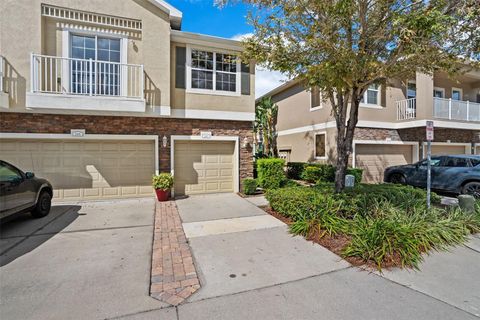
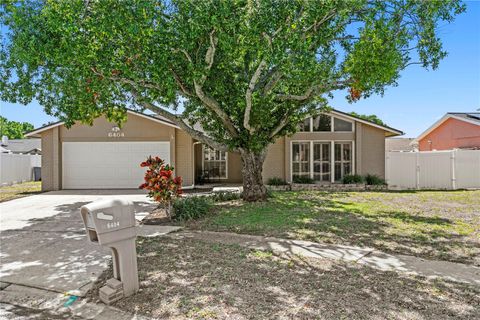
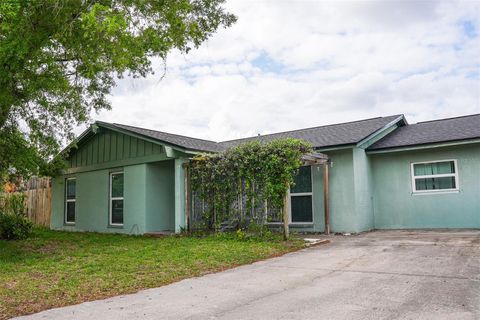
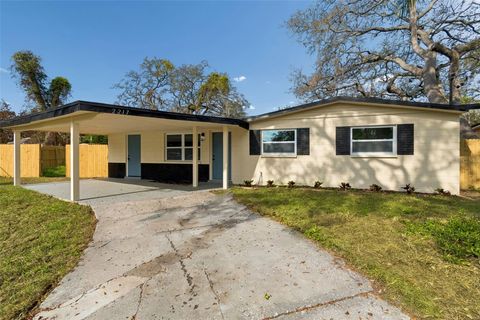
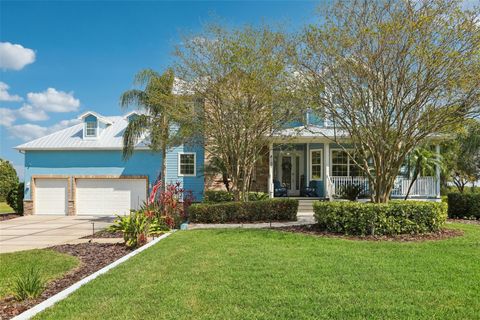
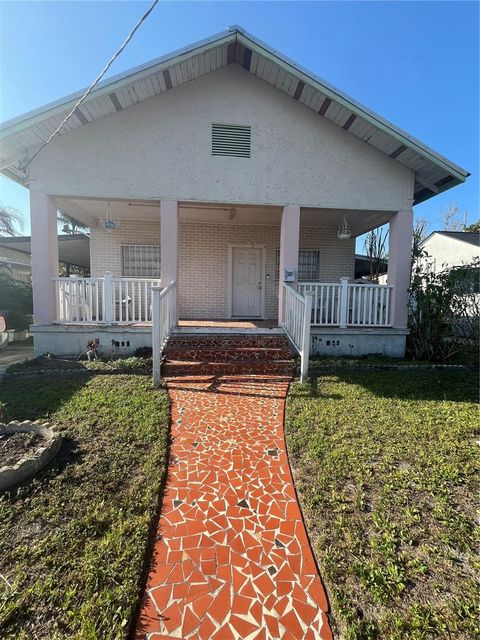
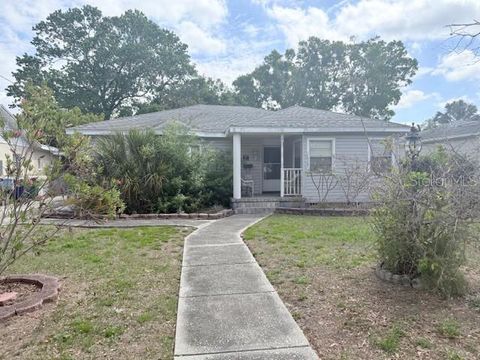
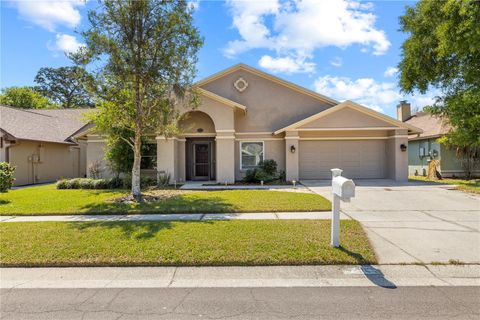
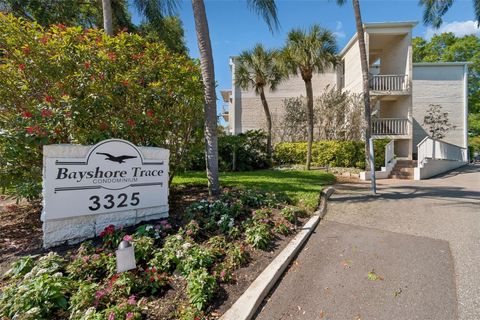
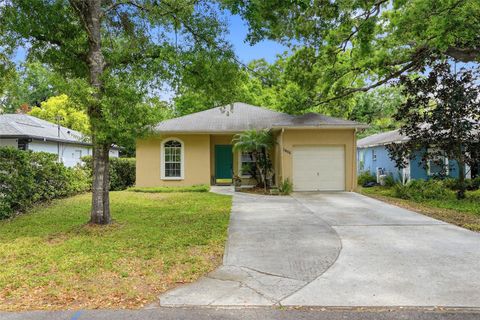
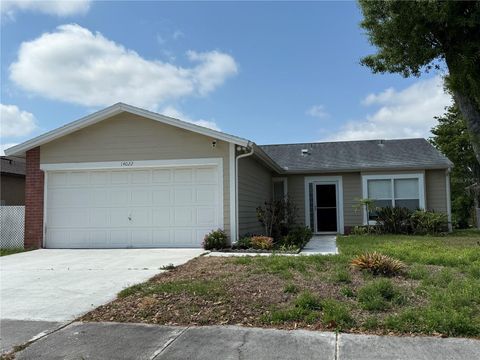
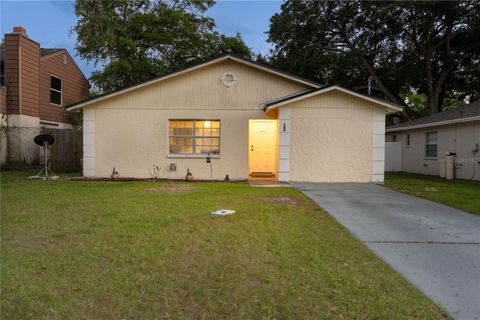
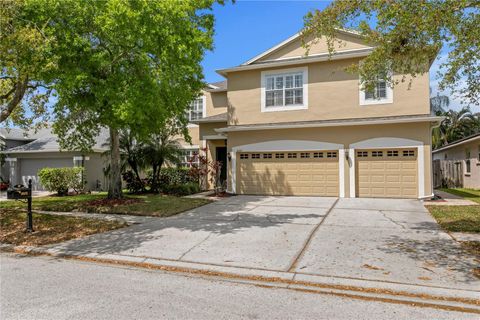
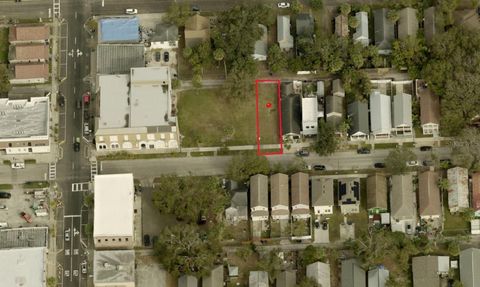
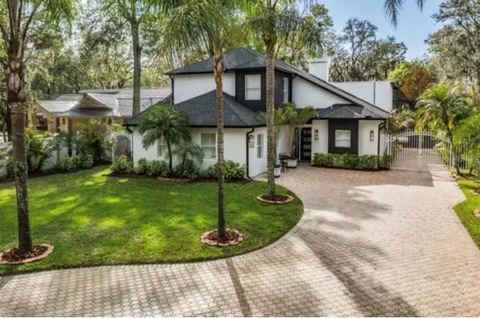
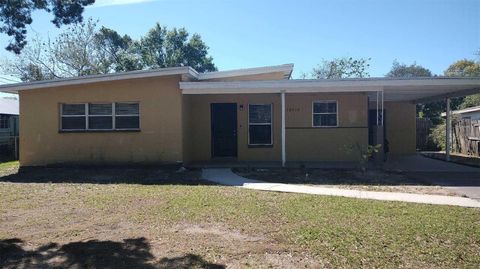
Tampa’s neighborhood diversity is one of its greatest assets as a real estate market. Understanding which districts align with your lifestyle, commute, and budget is the starting point of any serious home search here. Browse available listings below, then read through the neighborhood breakdowns.

South Tampa
South Tampa is the peninsula that juts south from downtown, bounded by Tampa Bay on the east and Old Tampa Bay on the west. It’s the city’s most prestigious address and home to some of the highest real estate values in all of Florida. The area encompasses multiple distinct sub-neighborhoods, each with its own character and price point.
The Plant High School attendance zone is arguably the most powerful driver of South Tampa real estate values. Homes within the Plant zone routinely sell for a 20-40% premium over comparable properties just outside the boundary. If Plant school access is a priority for your family, verifying zone boundaries before any offer is essential.
Hyde Park
Hyde Park is South Tampa’s most walkable and historically significant neighborhood, characterized by bungalows, craftsman homes, live oaks draped in Spanish moss, and a genuine village center along South Howard Avenue (SoHo). As of early 2026, median home prices in Hyde Park run approximately $750,000, with average sale prices around $1 million. The neighborhood attracts buyers who prioritize walkability, character, and proximity to the Bayshore and downtown without sacrificing neighborhood identity.
Davis Islands
Davis Islands is a pair of man-made islands connected to South Tampa by bridges, and it functions almost as a small town within the city. The island has its own village center, yacht club, swim and tennis club, airport (Peter O. Knight), dog park, and a community culture that is famously tight-knit. Non-waterfront homes start near $800,000. Direct bayfront estates regularly trade between $3 million and $8 million. The average home value in late 2025 was approximately $1.4 million. For buyers considering luxury waterfront real estate, Davis Islands is a benchmark property.
Palma Ceia
Palma Ceia is one of South Tampa’s most established neighborhoods, known for its tree-canopied streets, the Palma Ceia Golf and Country Club, and classic Florida architecture. Homes here tend to be larger than Hyde Park, with more lot space and a quieter residential feel. Pricing is consistent with the broader South Tampa premium, typically ranging from the $800,000s well into the millions for renovated or custom homes.
Seminole Heights
Seminole Heights is north of downtown Tampa along the Hillsborough River, and it has undergone one of the more remarkable neighborhood transformations in Tampa’s recent history. Historic bungalows that needed work a decade ago now command premium prices after thoughtful renovation. The neighborhood is known for its eclectic food scene, craft breweries, and walkable commercial districts on Florida Avenue and Central Avenue. It attracts buyers who want urban character and historic charm at a price point below South Tampa.
Ybor City
Ybor City (pronounced “E-Boar”) is Tampa’s historic cigar-manufacturing district, founded in the 1880s and developed by Cuban, Spanish, and Italian immigrant workers. Today it’s a National Historic Landmark District with a vibrant nightlife and entertainment corridor along 7th Avenue, a growing arts scene, and an expanding residential market. The median listing price in Ybor City was approximately $332,000 as of early 2026, making it one of Tampa’s more affordable urban entry points. Buyers here tend to be investors, young professionals, and those who value neighborhood history and urban energy.
Channel District and Water Street
The Channel District, adjacent to the Port of Tampa and Amalie Arena, has transformed into a condo-dense urban neighborhood anchored by the Water Street Tampa development. Sparkman Wharf, the Tampa Riverwalk, and Amalie Arena anchor the entertainment scene. Condos and townhomes here attract young professionals, downtown workers, and buyers who want a walkable urban lifestyle. The Water Street project continues to reshape this corridor with high-end residential, office, and hospitality development.
Carrollwood
Carrollwood is one of Tampa’s original suburb-within-the-city neighborhoods, developed primarily in the 1960s and 1970s along tree-lined streets north of downtown. The neighborhood has aged well, with Carrollwood Village Park serving as a central community amenity featuring trails, a skate park, fitness stations, and a splash pad. Median home prices in Carrollwood run approximately $380,000, making it one of the more accessible family-oriented neighborhoods within Tampa city limits. The community has a strong local identity and active civic life.
Westchase
Westchase is a master-planned community in northwest Tampa that consistently ranks among the city’s most desirable family neighborhoods. Encompassing over 2,000 acres, Westchase was developed with careful attention to green space, community management, and long-term livability. The neighborhood has its own community association, multiple pools, tennis courts, and well-maintained common areas. Median listing prices in Westchase ran approximately $509,000 in 2026, with median sold prices around $570,000. It’s a community where HOA management is active and property values have held well over time. Learn more about Florida HOA structures if Westchase is on your list.
New Tampa
New Tampa is a master-planned district in the northeastern corner of the city, developed primarily from the 1990s onward. It has a more suburban character than most Tampa neighborhoods, with larger lot sizes, newer construction, and strong access to Wesley Chapel and the I-75 corridor. New Tampa is popular with families seeking newer homes and a quiet suburban environment while technically remaining within Tampa city limits. It’s also popular with University of South Florida-affiliated faculty, staff, and students.
Tampa Heights
Tampa Heights is one of the city’s oldest neighborhoods, located just north of downtown along the Hillsborough River. Armature Works sits on its riverfront edge, and the neighborhood has seen significant investment as the surrounding areas have appreciated. Historic bungalows and craftsman homes are being renovated and sold alongside new townhome infill. Tampa Heights represents an emerging neighborhood play: more affordable entry than Seminole Heights, with the potential for continued appreciation as the river corridor investment spreads north.
Harbour Island and Channelside
Harbour Island is a small man-made island between downtown Tampa and Davis Islands, accessible by bridge from both. It’s a primarily residential community with a mix of condos, townhomes, and single-family homes at a premium price point. Channelside, directly north, is the condo-dense neighborhood adjacent to the Port of Tampa and Amalie Arena. The Water Street development has invested billions into this corridor, and the residential product here targets buyers who want genuine urban living with walkability to restaurants, sports venues, and the riverfront.
Ballast Point and Bayshore Beautiful
These South Tampa sub-neighborhoods along Bayshore Boulevard offer waterfront living and bay views at prices that reflect the premium location. Ballast Point Park, a popular fishing pier and waterfront park, anchors the southern end of this corridor. Homes here range from mid-century ranches to newly built custom homes on premium waterfront lots. Buyers seeking Bayshore-adjacent living with room to grow in value often look here as an alternative to the more densely developed core of Hyde Park or Davis Islands.
Other Notable Tampa Neighborhoods
Tampa’s neighborhood inventory extends well beyond the areas listed above. Beach Park, Sunset Park, Palma Ceia Park, Riverside Heights, Forest Hills, Northdale, and Town ‘N Country each have distinct characters and buyer profiles. Town ‘N Country in particular offers some of Tampa’s more affordable single-family housing at price points accessible to first-time buyers. If you’re considering a specific area not covered here, contact Barrett directly for a targeted analysis at nowtb.com/contact.
Schools in Tampa: Ratings, Zoning, and Options
Tampa is served by Hillsborough County Public Schools, which maintained a B grade as a district in recent state assessments. School quality varies enormously across the city, and zoning is address-specific. For many buyers, school assignment is the defining factor in neighborhood selection.
Plant High School
Plant High School in South Tampa is the gold standard for Tampa public secondary education. Ranked 36th in Florida and 3rd within Hillsborough County by US News, Plant carries an A+ Niche grade, an average GPA of 3.61, and a 97% graduation rate. Average SAT scores run around 1250. The Plant zone is a real estate factor: buying within it adds a meaningful premium to home prices, and buyers frequently make location decisions specifically around zone boundaries.
Jefferson High School
Jefferson High School serves West Tampa and surrounding areas. Ranked 319th in Florida, Jefferson has more work ahead to match the academic performance of schools like Plant or Chamberlain. Academic proficiency rates in core subjects currently trail district and state averages. However, the school serves an important community and has active support programs. Buyers in Jefferson’s zone who prioritize academic performance often explore magnet school options or private alternatives.
Other Notable High Schools
Chamberlain High School serves Carrollwood and northwest Tampa and has built a solid reputation for academics and programs. Robinson High School serves portions of South Tampa and is well-regarded. Blake High School in downtown Tampa houses the district’s International Baccalaureate (IB) program, which attracts students from across the county regardless of home address. King High School in Carrollwood area has magnet programs as well.
Elementary and Middle Schools
Notable elementary schools in Tampa include Grady Elementary (Hyde Park area), Gorrie Elementary (South Tampa), Mitchell Elementary, Roosevelt Elementary, and Westchase Elementary. Middle school options vary by zone. Hillsborough County also operates a robust magnet school system with programs in arts, STEM, IB, and other specialized tracks that allow students to attend schools outside their geographic zone. Always verify current zoning and magnet availability with the district before purchasing.
Coleman Middle School serves portions of Carrollwood and northwest Tampa. Monroe Middle School is located in West Tampa. The Hillsborough County school system uses a school choice process that allows families to apply for magnet programs and some open-enrollment seats at schools outside their geographic zone. For buyers who are willing to drive their children to school or who plan to use school choice options, the assigned neighborhood school is less determinative. But for families who need the walkability or bus route of the assigned campus, zoning research is critical before closing.
Private Schools
Tampa has a strong private school ecosystem. Berkeley Preparatory School, Jesuit High School, Academy of the Holy Names, Tampa Preparatory School, and Carrollwood Day School are among the most prominent. These schools draw families from across the Tampa Bay area and often influence home-buying decisions independently of public school zoning.
Things to Do in Tampa
Tampa’s amenity base has expanded dramatically over the past decade and now ranks among the most dynamic mid-sized city entertainment landscapes in the Southeast. Whether you’re a sports fan, outdoor enthusiast, foodie, arts patron, or some combination of all four, the city delivers.
Sports
Tampa is home to three major professional sports franchises. The Tampa Bay Buccaneers (NFL) play at Raymond James Stadium, one of the most celebrated stadium experiences in the league. The Tampa Bay Lightning (NHL) play at Amalie Arena in the Channel District, and the Lightning fan base is one of the most passionate in the sport. The Tampa Bay Rays (MLB) recently relocated their plans but continue to be a significant part of the local sports culture.
Waterfront and Outdoor Recreation
The Tampa Riverwalk is approximately 2.5 miles of paved waterfront trail along the Hillsborough River, connecting Armature Works to the north with the Tampa Bay History Center and Amalie Arena to the south. It’s one of the city’s most loved public spaces. Bayshore Boulevard, a 4.5-mile waterfront boulevard in South Tampa, is popular for running, cycling, and walking with stunning bay views. Hillsborough River State Park north of the city offers kayaking, camping, and nature trails. The Tampa Bay beaches are 45-60 minutes away in Clearwater and St. Pete.
Arts, Culture, and Attractions
The Tampa Museum of Art, the Florida Museum (natural history), the Straz Center for the Performing Arts, and the Tampa Theatre (historic cinema) anchor the city’s cultural institutions. Busch Gardens Tampa Bay offers one of Florida’s premier theme park and zoological experiences. The Museum of Science and Industry (MOSI) is a major family destination. Ybor City’s 7th Avenue entertainment district hosts events, live music, and nightlife year-round, including the world-famous Gasparilla Pirate Festival each January.
Tampa also hosts one of Florida’s most celebrated annual events: the Florida State Fair, held each February at the fairgrounds on Orient Road. Gasparilla Distance Classic, Tampa Bay Blues Festival, and numerous neighborhood festivals round out the annual calendar.
Golf
Tampa’s golf landscape is extensive, with both public and private courses spread across the metro. Barrett’s Tampa Bay golf communities guide is the best resource for buyers interested in golf-adjacent living or membership-specific communities.
Best Restaurants and Dining in Tampa
Tampa’s food scene has achieved genuine national recognition over the past several years, driven by a wave of chef-driven restaurants, an active food hall culture, and the economic vitality that attracts culinary talent from major coastal markets.
Armature Works
Armature Works on the Hillsborough River is Tampa’s signature food hall destination. Built inside a restored 1910 industrial building in Tampa Heights, the development includes a ground-floor food hall with multiple vendors, Buddy Brew Coffee, M. Bird rooftop bar, and waterfront dining areas. It’s one of the most popular gathering spots in the city and consistently appears on lists of the best things to do in Tampa. Urban Kai kayak rentals operate from the water’s edge adjacent to the property.
South Howard Avenue (SoHo)
The SoHo corridor in Hyde Park is Tampa’s most concentrated restaurant and bar district, offering everything from James Beard-caliber dining to casual neighborhood pizza. The walkability of this stretch makes it a lifestyle anchor for Hyde Park and surrounding South Tampa residents.
Seminole Heights
Seminole Heights has become one of Tampa’s premier food destinations, with a cluster of chef-driven restaurants on Florida Avenue and a brewery scene that attracts visitors from across the bay area. Casual, creative, and locally owned: this is the neighborhood for buyers who want to live near the food scene rather than drive to it.
Ybor City and Channel District
Noble Rice in the Channel District brings Japanese seafood with fish flown in from Japan weekly. Sparkman Wharf on the waterfront features a collection of counter-service restaurants in repurposed shipping containers with waterfront seating. Ybor City’s Columbia Restaurant, opened in 1905, is Florida’s oldest restaurant and a Tampa institution for Spanish-Cuban cuisine.
Carrollwood and North Tampa
Carrollwood and the north Tampa corridor have their own dining ecosystem centered around Dale Mabry Highway and Ehrlich Road. The concentration of casual dining, local breweries, and established chain restaurants along this stretch serves the dense residential population of Carrollwood, Northdale, and Citrus Park. Carrollwood residents who want more creative dining typically make the short drive to Seminole Heights or Hyde Park, both of which are 15-20 minutes away under normal conditions.
Hyde Park and South Tampa Dining
South Howard Avenue (SoHo) in Hyde Park is Tampa’s most celebrated restaurant corridor, with dozens of independently owned restaurants, bars, and cafes within walking distance of one another. The concentration of quality dining here is one of the neighborhood’s defining lifestyle features and a major reason Hyde Park commands its price premium. Buyers who prioritize walkable access to world-class restaurants consistently cite SoHo as a major factor in their decision to pay the Hyde Park premium.
Commute and Transportation from Tampa
Tampa’s transportation landscape is dominated by the personal vehicle. While public transit options exist, the city is fundamentally car-dependent, and commute planning relative to your home and workplace is one of the most important pre-purchase decisions you’ll make. This is perhaps the single most underestimated factor in Tampa real estate: a home that looks perfectly priced can become an exhausting daily grind if the commute adds 90 minutes to your workday. Barrett consistently tells buyers to drive their intended commute at rush hour before finalizing a purchase decision.
I-275 is the primary north-south corridor, connecting downtown Tampa to St. Petersburg via the Howard Frankland Bridge and north toward Wesley Chapel and the Suncoast Parkway. I-4 runs east toward Orlando. The Selmon Expressway (FL-618) connects to Brandon and Riverview southeast of the city. The Veterans Expressway (SR-589) runs north toward Land O’ Lakes and connects to Clearwater via SR-60.
HART (Hillsborough Area Regional Transit) operates bus routes throughout the city and a BRT (bus rapid transit) MetroRapid route. The Streetcar connects Ybor City to the Channel District and is a popular tourist and recreational option. For practical daily commuting, most Tampa residents rely on their vehicles.
Tampa International Airport is consistently rated among the top airports in the country. Its location in northwest Tampa means residents in Westchase, Carrollwood, and North Tampa enjoy particularly convenient airport access. For buyers who travel frequently for work, proximity to TPA is often a meaningful consideration in neighborhood selection.
For buyers considering Tampa versus suburban markets like Riverview, Brandon, or Wesley Chapel, the commute calculation often flips: living in Tampa proper can mean shorter commutes to downtown employers while giving up square footage and lot size versus suburban alternatives.
The expansion of remote and hybrid work since 2020 has materially changed how Tampa buyers think about commute. Buyers who are fully remote can optimize for lifestyle and value without commute considerations. Hybrid workers are making deliberate tradeoffs: perhaps further from the office but with a larger home and yard, banking on only 2-3 office days per week. The result is that neighborhoods previously dismissed as “too far” have become competitive again. Barrett sees this pattern clearly across the market and can help you think through how your specific work situation should influence your neighborhood selection.
MacDill Air Force Base, on the southern tip of the South Tampa peninsula, is a major employer and economic driver for the city. Military buyers and families often prioritize South Tampa neighborhoods for proximity to base, though the commute from Carrollwood, New Tampa, or Brandon is also manageable depending on your duty location on base. Barrett is familiar with the VA loan process and works with military buyers regularly.
Cost of Living in Tampa
Tampa’s cost of living varies dramatically by neighborhood. South Tampa, Hyde Park, and Davis Islands are among Florida’s priciest residential markets. Carrollwood, New Tampa, and Seminole Heights offer significantly more accessible price points without leaving the city.
Florida has no state income tax, which represents a meaningful financial benefit for buyers relocating from high-tax states. Property taxes in Hillsborough County run approximately 1-1.5% of assessed value, with the homestead exemption reducing assessed value by $50,000 for primary residences. Some communities within Tampa have additional assessment fees for specific services or improvements.
Homeowner’s insurance is a significant and increasingly important cost variable in the Tampa Bay area. Flood zone designation, roof age, construction type, and proximity to water all affect your premium. Waterfront properties in particular can carry substantial flood insurance costs on top of the standard homeowner’s policy. Barrett’s Florida flood zones guide is essential reading for any waterfront buyer.
Day-to-day costs for groceries, gas, and services are in line with the broader national average. Tampa is not the least expensive city in Florida, but compared to Miami, Naples, or Orlando for comparable lifestyle, it often represents superior value. Buyers coming from northern metros typically experience a meaningful reduction in housing costs per square foot, even in South Tampa’s premium zones.
Utility costs in Tampa are driven primarily by air conditioning. Florida’s heat and humidity mean that central AC runs continuously for most of the year, and electricity costs are a real budget line for Tampa homeowners. Homes with energy-efficient construction, modern HVAC systems, and good insulation see meaningfully lower utility bills than older homes with less efficient systems. When evaluating homes, particularly older South Tampa and Seminole Heights properties, it’s worth asking about the age and condition of the HVAC system as part of your due diligence.
Buyers evaluating the sell and move calculation from another state should factor in the transaction costs of both the sale and the purchase. Barrett’s Florida closing costs guide breaks down what to expect on the purchase side. On the sale of your current home, local market conditions will determine what you net. Barrett can provide a no-obligation home valuation for your current property if you’d like a baseline for your move budget.
New Construction in Tampa
New construction in Tampa proper is more limited than in the suburban growth corridors of Riverview, Wesley Chapel, or Land O’ Lakes, primarily because Tampa’s desirable core neighborhoods are built out. However, new construction opportunities do exist in several forms across the city.
Infill construction is the primary new construction vehicle in South Tampa and Seminole Heights. Builders tear down older homes on desirable lots and construct modern custom or semi-custom homes. These projects regularly produce $1-3 million South Tampa homes and $500,000-$800,000 Seminole Heights properties. The quality and design vary widely by builder.
New Tampa still has pockets of new construction activity from production builders, primarily on the northeastern edge of the district near the Pasco County border. Westchase has some new construction from Ashton Woods and other builders, though available lots are limited. East Tampa is receiving new affordable housing investment, including a significant city-backed project in 2026 that broke ground on nearly 200 affordable units.
The Water Street Tampa development continues to deliver new residential units in the Channel District, primarily as high-rise condos and apartments priced at a premium for the urban waterfront lifestyle. This corridor is worth tracking for buyers interested in urban living at the intersection of luxury and walkability.
For buyers open to new construction in the broader metro, Riverview, Wesley Chapel, Land O’ Lakes, and Bradenton all offer active builder pipelines. Barrett works with buyers on new construction purchases throughout the region. See buyer resources here.
Pros and Cons of Living in Tampa
Pros
- Enormous neighborhood variety: from urban walkable to suburban master-planned, something for nearly every buyer
- World-class sports: Buccaneers, Lightning, and Rays all within the city
- Tampa International Airport, consistently ranked among the nation’s best
- No Florida state income tax, meaningful savings for relocated professionals
- Thriving food and arts scene that continues to attract national attention
- Strong economic base: healthcare, finance, defense, tech, and tourism
- Proximity to Gulf Coast beaches in Clearwater and St. Pete, typically 45-60 minutes away
- Plant High School zone for buyers in that specific South Tampa corridor
- Water Street development driving long-term downtown investment and appreciation
Cons
- Traffic and commute times on I-275, I-4, and major surface streets during peak hours
- South Tampa pricing that rivals or exceeds comparable properties in other major markets
- Hurricane exposure: Tampa Bay’s geography makes it one of the most vulnerable metro areas in Florida for storm surge in a direct-hit scenario
- Flood zone costs: flood insurance adds significantly to the carrying cost of waterfront or low-lying properties
- Car dependency: outside of Hyde Park and a few walkable corridors, you need a car
- School quality inconsistency: dramatic range from Plant’s A+ to challenged schools in other zones
- Limited new construction in established neighborhoods for buyers seeking brand-new product
Tampa Real Estate for Investors
Tampa is one of the most-analyzed real estate investment markets in the country, and for good reason. Population growth, a diversifying economic base, and continued institutional investment in the city’s core have sustained demand across multiple property types. That said, the investment thesis differs substantially by neighborhood and property type.
Seminole Heights and Ybor City have attracted significant investor activity in value-add single-family bungalows. Buyers who purchased before 2018 in these neighborhoods saw substantial appreciation. Today’s entry prices are higher, compressing yields, but the neighborhoods continue to attract quality tenants and show long-term demand fundamentals.
South Tampa is primarily an owner-occupant market. Investment properties do exist, but cap rates at current price levels are modest. The investment case in South Tampa is primarily appreciation-focused rather than cash-flow-focused. Long-term holders have been rewarded, but the math on a rental-focused purchase today requires careful underwriting.
New Tampa and Carrollwood offer better rental yield potential than South Tampa, with more reasonable purchase prices and steady demand from families, USF-affiliated residents, and relocating professionals. Single-family homes in the $350,000-$500,000 range can produce workable long-term rental returns depending on financing structure.
Tampa’s short-term rental market exists but is subject to city regulations, HOA restrictions, and the realities of a market not primarily driven by vacation tourism the way Orlando or Miami Beach are. Long-term rental remains the dominant investor strategy in most Tampa neighborhoods. Review HOA rules carefully for any investment purchase. Visit nowtb.com/investing for Barrett’s investment market perspective across the Tampa Bay region.
Buyers comparing Tampa to suburban investment markets like Riverview or Brandon should weigh the lower entry price and often better yield profile of suburban single-family rentals against Tampa’s stronger long-term appreciation track record in core neighborhoods.
Frequently Asked Questions About Tampa
Is Tampa FL a good place to live?
Yes, Tampa consistently ranks among the top mid-sized cities in the Southeast for quality of life, economic opportunity, and lifestyle access. The combination of a major airport, professional sports teams, a growing food and arts scene, beaches within an hour, and no state income tax creates a compelling package. The trade-offs are traffic, hurricane risk, and rising home prices in desirable neighborhoods.
What is the average home price in Tampa FL?
Tampa’s home price varies enormously by neighborhood. Davis Islands averages well over $1 million. Hyde Park’s median is approximately $750,000-$1 million. Carrollwood runs around $380,000. Ybor City and parts of East Tampa offer entry points below $350,000. A single citywide median figure is less meaningful in Tampa than in smaller, more homogeneous communities.
What are the best neighborhoods in Tampa for families?
Families with a top priority on public school quality gravitate toward South Tampa (Plant High zone), Westchase, and New Tampa. Families seeking more character and walkability often look at Hyde Park or Seminole Heights. Carrollwood offers a good balance of value, schools, and established neighborhood feel. The right answer depends on your school priorities, commute, and budget.
Is South Tampa worth the premium?
For many buyers, yes. The Plant High School zone, the Bayshore waterfront, walkability to Hyde Park’s dining and shopping, and the overall lifestyle quality of South Tampa justify a premium for buyers who can afford it. The question is whether that premium fits your budget and long-term plan. Barrett can walk you through the current comparison in detail.
Does Tampa FL flood?
Parts of Tampa are in FEMA-designated flood zones, and Tampa Bay’s geography makes it a notable hurricane storm surge risk in a direct-hit scenario. Waterfront and low-lying properties require careful flood zone due diligence and often carry significant flood insurance costs. Read Barrett’s Florida flood zones guide for a full breakdown before purchasing any Tampa property near water.
How far is Tampa from the beach?
Clearwater Beach and St. Pete Beach, the two most popular Gulf Coast beaches near Tampa, are typically 45-60 minutes from central Tampa under normal traffic conditions. The drive via the Howard Frankland Bridge or Gandy Bridge to St. Petersburg connects you to the beach communities of Pinellas County. Read the Tampa Bay beaches guide for more detail on the full range of beach options.
What schools are in South Tampa?
South Tampa’s most notable public school is Plant High School, ranked 3rd in Hillsborough County and 36th in Florida by US News. Gorrie Elementary and Mitchell Elementary are well-regarded primary schools in the area. Grady Elementary serves Hyde Park. Private options include Berkeley Prep, Academy of the Holy Names, and Tampa Prep, all within a short drive of South Tampa neighborhoods.
Is Westchase a good place to live?
Westchase is consistently cited as one of Tampa’s best family neighborhoods. Its master-planned design, active community association, strong amenity base, and relative affordability compared to South Tampa make it a practical and appealing choice. Median home prices in Westchase ran approximately $509,000-$570,000 in 2026.
What is Seminole Heights like?
Seminole Heights is Tampa’s most eclectic urban neighborhood, known for historic craftsman bungalows, a thriving independent restaurant and brewery scene, and a strong sense of community identity. It has gentrified substantially over the past decade and now attracts buyers who want urban character and walkability at a lower price point than Hyde Park or Davis Islands.
Is Tampa good for real estate investment?
Tampa has been a strong long-term real estate investment market. Core neighborhoods like Seminole Heights and South Tampa have delivered substantial appreciation over the past decade. Current yields on rental properties vary significantly by neighborhood, with suburban areas like Carrollwood and New Tampa often producing better cash flow than South Tampa’s premium zones. Visit nowtb.com/investing for current strategy perspective.
How does Tampa compare to St. Petersburg for buyers?
Tampa and St. Petersburg are the two major urban anchors of Tampa Bay, separated by the Bay itself. St. Pete tends to have a more arts-forward, walkable downtown and is often described as slightly more relaxed in character. Tampa has more economic scale, a larger job market, and the major airport. Buyers who work in Tampa often prefer to live there; those who prioritize the downtown St. Pete lifestyle may opt to cross the bridge.
What are closing costs in Florida for a Tampa purchase?
Florida closing costs for buyers typically run 2-5% of the purchase price, covering title insurance, documentary stamp taxes, recording fees, lender fees, and prepaid items. Sellers in Florida pay the majority of documentary stamp taxes and often cover title insurance. Read Barrett’s Florida closing costs guide for a complete breakdown.
Are there 55+ communities in Tampa FL?
Tampa has some active adult communities, particularly in northern and eastern portions of the city. The broader Tampa Bay region has a significant 55+ community inventory, including Sun City Center to the south and various communities throughout Hillsborough, Pasco, and Pinellas counties. Barrett’s Tampa Bay 55+ communities guide covers the full landscape.
Who can help me buy or sell a home in Tampa FL?
Barrett Henry is a Broker Associate with RE/MAX Collective serving buyers and sellers throughout Tampa and the broader Tampa Bay area. Whether you’re targeting South Tampa luxury, a Carrollwood family home, or a Seminole Heights bungalow, Barrett provides straight talk and smart strategy. Call or text (813) 733-7907 or visit nowtb.com/contact.
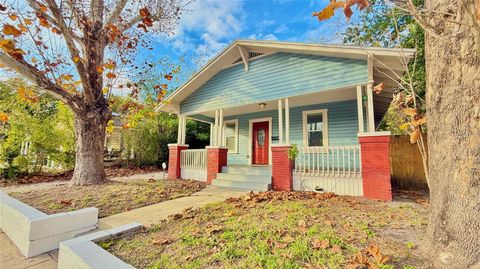
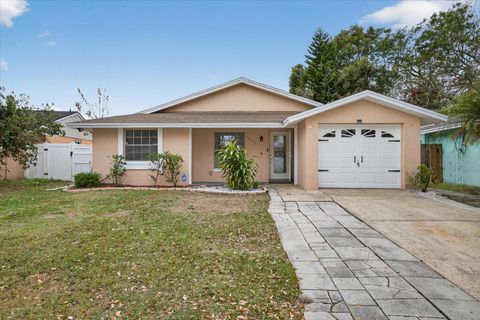
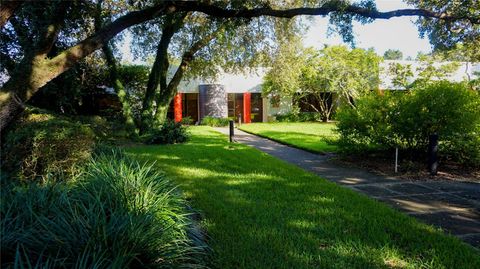
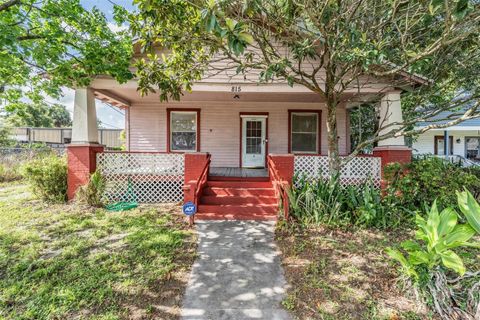
Tampa Homes for Sale
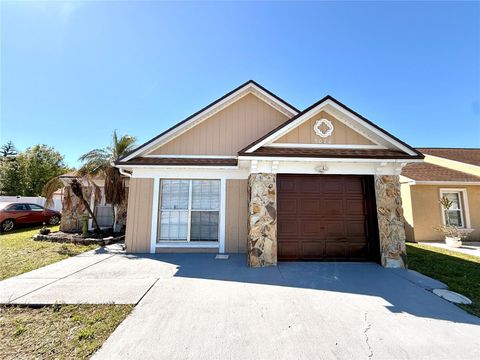
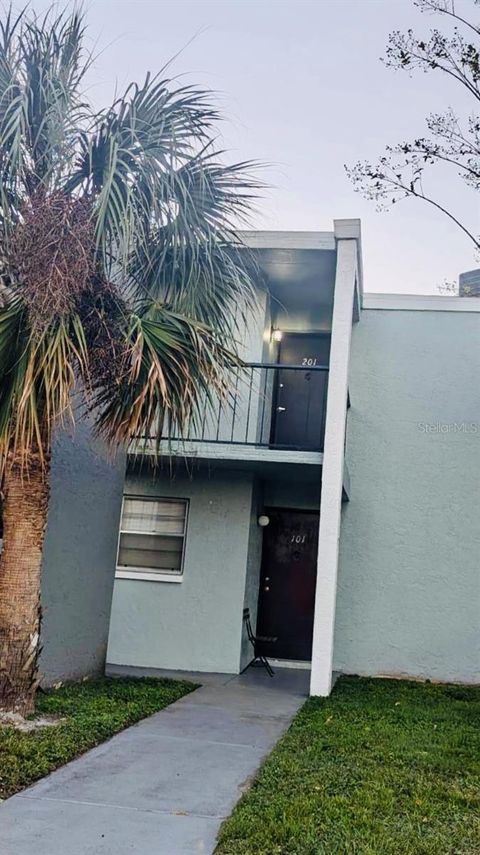
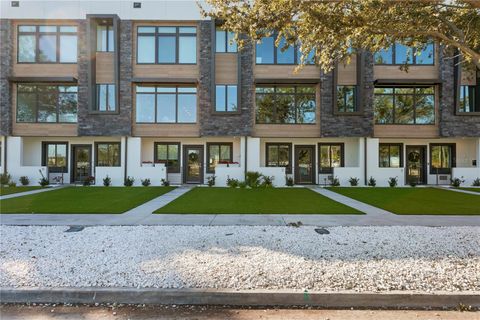
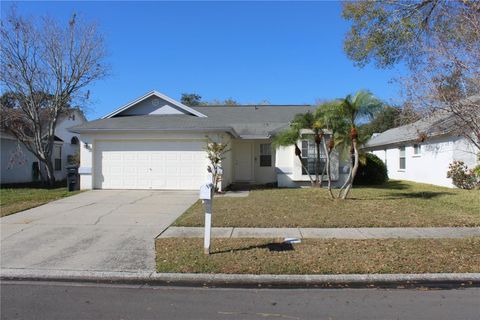
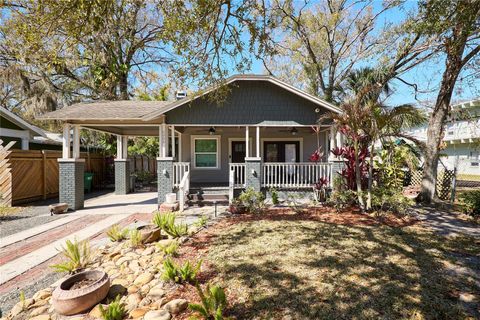
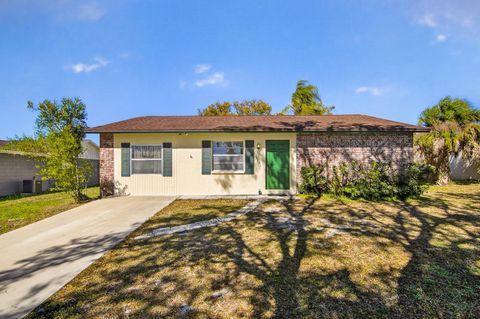
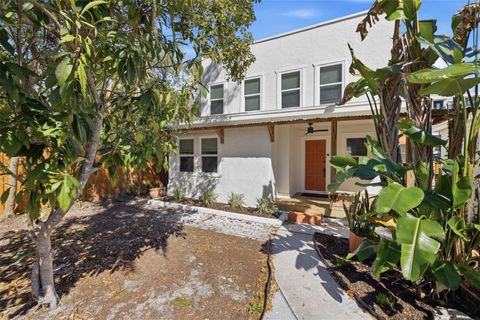
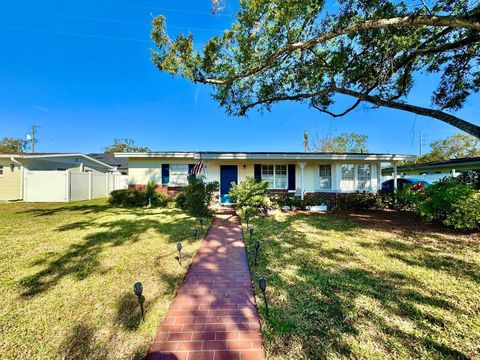
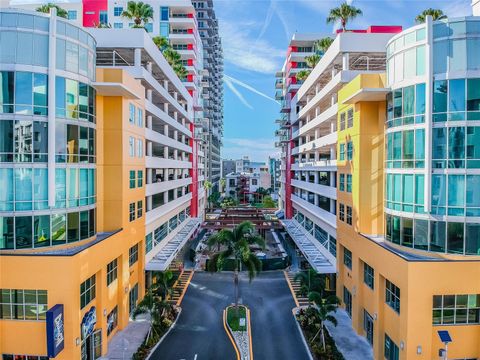
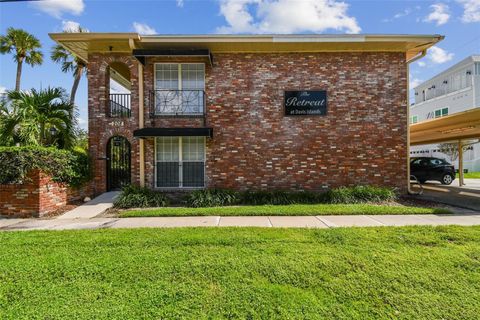
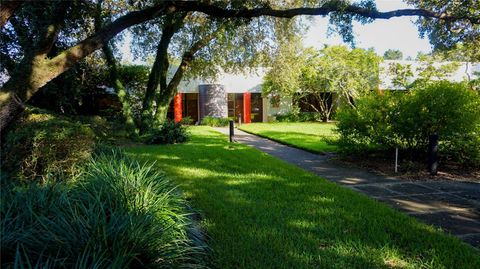
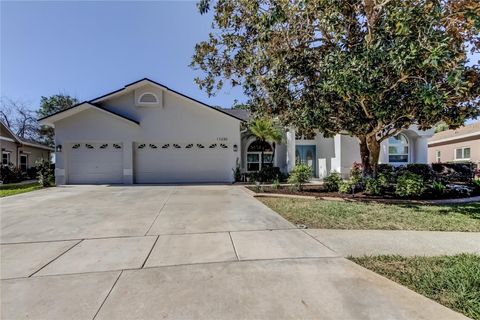
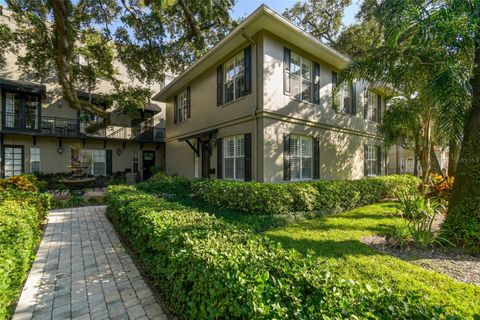
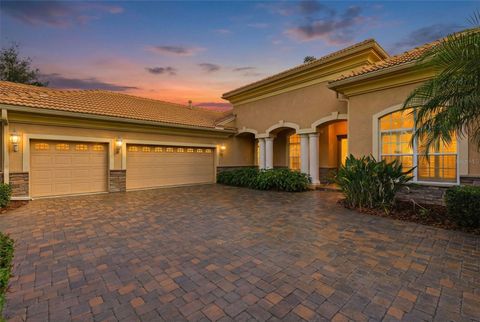
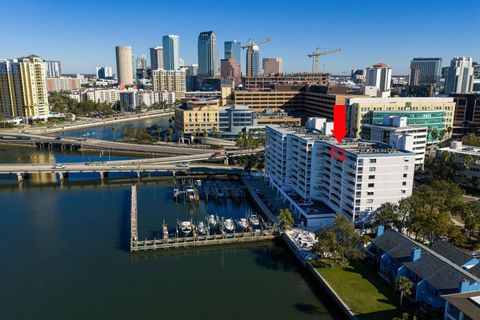
Browse current listings in Tampa. Updated directly from Stellar MLS.
Recently Sold Homes in Tampa
See what homes recently sold for in Tampa to understand current market values.

Explore Tampa Real Estate
Browse all Tampa listings and local resources. Updated from Stellar MLS.
Property Types
- Tampa Homes for Sale
- Tampa Luxury Homes
- Tampa Condos & Townhomes
- Tampa New Construction
- Tampa Waterfront Homes
- Tampa Homes with Pool
- Tampa 55+ Communities
- Tampa Single Story Homes
- Tampa Gated Communities
- Tampa Land for Sale
- Tampa Investment Properties
- Tampa New Listings
- Tampa Open Houses
Market & Community Resources
Neighborhoods & Communities
- Bay Investment Property Guide
- Bay Luxury Homes
- Bay Market Report
- Bay Real Estate Agent
- Bay Real Estate Expert
- Bay Real Estate Market 2026
- Bay Relocation Guide
- Bay School Zones
- Bay Schools Guide
- Bay Waterfront Homes
- Heights
- Heights Homes For Sale
- Heights Realtor
- Palms