Quick Answer
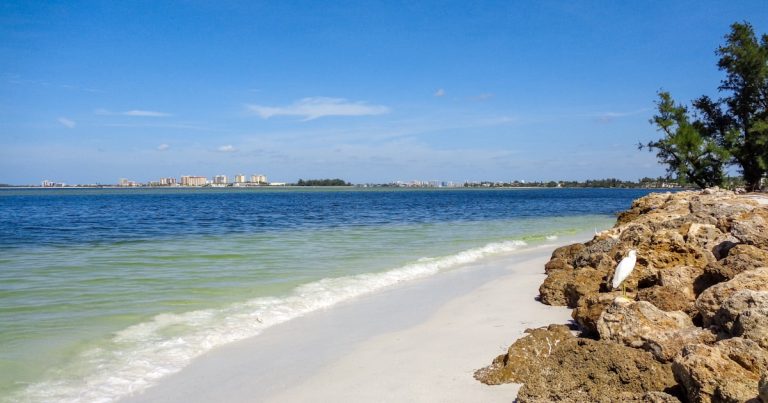
St. Petersburg offers a vibrant arts scene, waterfront living, diverse neighborhoods, and year-round sunshine. The median home price is around $400K with options ranging from affordable midtown condos to million-dollar waterfront estates.
This guide covers neighborhoods, cost of living, schools, lifestyle, and everything you need to know before moving to St. Petersburg. For personalized relocation help, contact Barrett Henry or call (813) 733-7907.
St. Petersburg has evolved from a “sleepy retirement town” into one of the most dynamic cities in Florida. The combination of world-class museums, a thriving restaurant scene, waterfront parks, and genuinely diverse neighborhoods has made it a magnet for young professionals, artists, families, and retirees alike. But like any city, where you live within St. Pete matters enormously. This guide breaks down what daily life actually looks like here — the neighborhoods, costs, commutes, and honest pros and cons.
Best Neighborhoods in St. Petersburg
Where you live in St. Petersburg shapes your daily experience. Here are the neighborhoods and areas worth knowing about.
Old Northeast
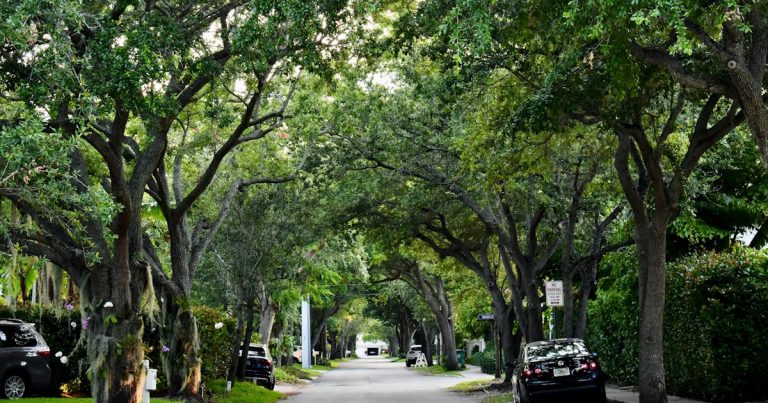
Historic neighborhood with brick-lined streets, mature oak canopy, and waterfront access along Coffee Pot Bayou. Walking distance to downtown. Median prices range from $500K-$900K. Best for buyers who want character, walkability, and proximity to Vinoy Park and the waterfront.
Downtown / EDGE District
Urban living at its best for St. Pete. Condos, lofts, and townhomes within walking distance of restaurants, bars, the Dali Museum, and the waterfront. Prices range from $300K condos to $1M+ penthouses. Best for professionals and couples who prioritize walkability and nightlife.
Kenwood / Historic Kenwood
Arts-forward neighborhood with bungalows, craftsman homes, and a strong community identity. Home to many of the SHINE murals. Prices typically $350K-$550K. Best for creative types, young families, and buyers who want neighborhood character without waterfront prices.
Shore Acres
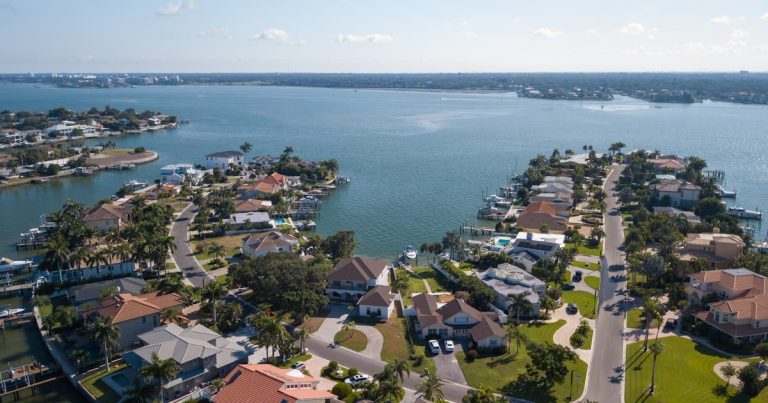
Waterfront neighborhood on Tampa Bay with mid-century ranch homes, many with direct bay access. Prices range from $400K-$800K+. Popular with boaters and buyers who want waterfront living without the downtown premium. Note: some areas are in flood zones — factor in flood insurance costs.
Snell Isle
Upscale waterfront enclave connected to downtown by a single bridge. Mediterranean-revival and modern luxury homes. Median above $900K. Best for buyers seeking prestige waterfront living with privacy and proximity to downtown.
South St. Pete / Midtown
Rapidly evolving area with strong community roots. More affordable entry point with median prices around $250K-$400K. Active redevelopment and investment. Best for buyers seeking value with appreciation potential in a changing market.
Cost of Living in St. Petersburg
St. Petersburg runs slightly above the Tampa Bay average for housing costs but is comparable for most other expenses. The biggest variable is which neighborhood you choose.
- Housing. Median home price around $400K. Rent for a 2BR apartment averages $1,900-$2,400/month in desirable areas.
- Insurance. Homeowners insurance is a significant cost, typically $3,000-$6,000/year. Flood insurance adds $500-$3,000+ depending on zone. Waterfront properties pay substantially more.
- Utilities. Duke Energy electric bills average $150-$250/month. Water through the City of St. Petersburg adds $50-$80.
- Transportation. Most residents drive. Gas, insurance, and parking are standard Florida costs. Downtown residents can walk or bike to many destinations.
- No state income tax. Florida does not levy state income tax, which effectively increases your take-home pay by 3-5% compared to most states.
Schools in St. Petersburg
St. Petersburg is part of the Pinellas County School District, which offers magnet and choice programs alongside neighborhood schools. School quality varies significantly by area.
- Top-rated schools: North Shore Elementary, Perkins Elementary, Azalea Middle, Northeast High School
- Magnet programs: Pinellas County has one of the most extensive magnet programs in Florida, including programs in STEM, performing arts, IB, and fundamental schools
- Private options: Shorecrest Preparatory, Admiral Farragut Academy, Canterbury School, Northside Christian
- Higher education: Eckerd College, St. Petersburg College, USF St. Petersburg campus, Stetson University College of Law
Lifestyle and Things to Do in St. Petersburg
This is where St. Pete shines. The lifestyle offering is genuinely world-class for a city this size.
- Arts and culture. The Dali Museum, Museum of Fine Arts, Imagine Museum, SHINE Mural Festival, and a thriving gallery scene in the Warehouse Arts District. St. Pete has more murals per capita than almost any US city.
- Dining. Hundreds of locally owned restaurants spanning every cuisine. The Grand Central District, Beach Drive, Central Avenue, and the EDGE District are the main dining corridors. The food scene punches well above its weight class.
- Outdoor. Fort De Soto Park, Weedon Island Preserve, Boyd Hill Nature Preserve. Kayaking, paddleboarding, fishing, and biking the Pinellas Trail are daily activities for many residents.
- Beaches. St. Pete Beach, Treasure Island, and Pass-a-Grille are 15-25 minutes from downtown. Fort De Soto Beach is one of the best in the country.
- Nightlife. Craft breweries, cocktail bars, and live music venues concentrated downtown and along Central Avenue. More laid-back than Miami but livelier than most Florida cities.
Commute and Transportation
St. Petersburg is relatively compact compared to Tampa, but it is still car-dependent for most residents.
- Within St. Pete. Most cross-city drives are 15-25 minutes. Downtown is bike-friendly and increasingly walkable.
- To Tampa. The Howard Frankland Bridge and Gandy Bridge connect St. Pete to Tampa. Commute times range from 30-50 minutes depending on traffic and destination. Rush hour adds 15-20 minutes.
- Public transit. PSTA bus service covers the city but is not practical as a primary commute method for most people. The SunRunner BRT connects downtown St. Pete to St. Pete Beach.
- Airport. Tampa International Airport (TPA) is 25-35 minutes from downtown St. Pete. St. Pete-Clearwater International (PIE) is 20 minutes north and offers budget airline flights.
Pros and Cons of Living in St. Petersburg
Pros
- World-class arts, dining, and culture scene for a mid-size city
- Waterfront living with Tampa Bay and Gulf Coast beaches nearby
- No state income tax increases take-home pay
- Diverse, walkable neighborhoods with distinct personalities
- Strong and growing job market, especially for remote workers
Cons
- Hurricane and flood risk, especially in waterfront and low-lying areas
- Homeowners insurance costs are high and rising
- Traffic on the bridges to Tampa can be brutal during rush hour
- Summer heat and humidity from June through September
- Housing prices have risen significantly, pricing out some first-time buyers
Frequently Asked Questions About Living in St. Petersburg
Is St. Petersburg FL a good place to live?
St. Petersburg is one of the most popular cities in Florida for a reason. The arts scene, dining, beaches, and diverse neighborhoods create a quality of life that rivals much larger cities. The main considerations are hurricane risk, insurance costs, and summer heat. For most people, the lifestyle benefits outweigh the drawbacks.
Is St. Petersburg expensive?
St. Petersburg is moderately expensive by Florida standards. The median home price of $400K puts it above the state average but well below South Florida markets. Cost of living outside of housing is comparable to the national average. No state income tax helps offset higher housing costs.
What is the best area to live in St. Petersburg?
It depends on your priorities. Old Northeast and Snell Isle offer waterfront character. Downtown and the EDGE District deliver walkability and nightlife. Kenwood offers arts-community charm at lower prices. Shore Acres provides waterfront living outside downtown. South St. Pete offers the best value with appreciation potential.
How far is St. Petersburg from Tampa?
St. Petersburg is approximately 25 miles from downtown Tampa across Tampa Bay. The drive takes 30-50 minutes depending on traffic. Two bridges connect the cities: the Howard Frankland (I-275) and the Gandy Bridge (Gandy Boulevard).
Does St. Petersburg flood?
Some areas of St. Petersburg are in FEMA flood zones, particularly waterfront neighborhoods, Shore Acres, and low-lying areas near the bay. Flood insurance is required for properties with federally backed mortgages in high-risk zones. Always check the flood zone designation before purchasing and budget for flood insurance accordingly.
Thinking about moving to St. Petersburg? Barrett Henry provides honest, local-expert guidance on neighborhoods, pricing, and the buying process. No pressure, no sales pitch — just real information. Schedule a free consultation or call (813) 733-7907.
St. Petersburg community page | St. Petersburg homes for sale | Contact Barrett
Related Articles





Explore Tampa Bay Communities
Helpful Resources
About Barrett Henry – Barrett Henry is a licensed real estate Broker Associate with REMAX Collective, serving St. Petersburg and the Pinellas County area. With deep local knowledge and an honest, data-driven approach, Barrett helps buyers and sellers make confident real estate decisions. Learn more
Disclosure: This article is for informational purposes only and does not constitute financial or legal advice. Loan program details, rates, and limits change regularly – verify all information with a licensed mortgage lender before making decisions. Barrett Henry is a licensed real estate broker, not a mortgage lender.
Last Updated: March 2026
Need Help With Tampa Bay Real Estate?
Barrett Henry is a licensed Broker Associate with REMAX Collective, serving the entire Tampa Bay market. Whether you are buying, selling, or investing – get straight talk and real data. No pressure, no games.
Schedule a Free Consultation Call (813) 733-7907