Quick Answer
Should you move to Tampa or Orlando FL?
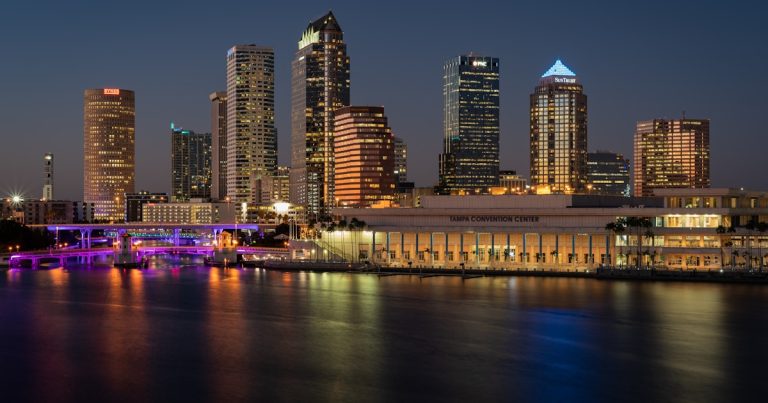
Tampa offers beaches, a lower cost of living, and a more laid-back vibe, while Orlando has more theme park culture, a stronger tech job market, and is further from the coast – both have no state income tax and warm weather. Tampa Bay wins for waterfront living and outdoor lifestyle. Explore Tampa, read our moving checklist, and search Tampa Bay homes for sale.
Tampa vs Orlando – it’s the Florida showdown that comes up in almost every relocation conversation I have with buyers moving to the Sunshine State. Both cities offer no state income tax, warm weather year-round, and a growing economy, but they deliver very different day-to-day lifestyles once you’re actually living there. Tampa FL vs Orlando FL is not a question of which city is “better” – it’s a question of which city fits your priorities, your career, and how you want to spend your weekends. I’m a REMAX Collective agent based in Tampa Bay, so I’ll be upfront – I naturally lean toward Tampa because I live and work here every day. But I’ll give Orlando an honest shake too, because it genuinely is a great city. This guide covers cost of living, real estate prices, job markets, weather, commute times, lifestyle, schools, healthcare, safety, and everything else you need to make a smart decision.
Tampa vs Orlando at a Glance – Overview Comparison Table
Before we get into the weeds, here’s a quick snapshot of how Tampa and Orlando stack up across the key metrics most people care about when choosing where to live in Florida.
| Category | Tampa, FL | Orlando, FL |
|---|---|---|
| Metro Population (2024 est.) | ~3.3 million | ~2.7 million |
| City Population (2024 est.) | ~407,000 | ~320,000 |
| Median Home Price | $390,000-$420,000 | $370,000-$400,000 |
| Median Household Income | ~$62,000 | ~$58,000 |
| Unemployment Rate | ~3.2% | ~3.4% |
| State Income Tax | 0% | 0% |
| Sales Tax | 7.5% (Hillsborough County) | 6.5% (Orange County) |
| Nearest Beach | 15-30 minutes (Gulf beaches) | 60-75 minutes (East Coast beaches) |
| Major Airport | Tampa International (TPA) | Orlando International (MCO) |
| Pro Sports Teams | Buccaneers (NFL), Lightning (NHL), Rays (MLB) | Magic (NBA), Orlando City (MLS), Orlando Pride (NWSL) |
| Top Industries | Finance, Healthcare, Military, Tech | Tourism, Hospitality, Tech, Defense |
Right away you’ll notice that Tampa has the larger metro, slightly higher incomes, and – the big one – Gulf beaches within a short drive. Orlando counters with a slightly lower median home price and a lower sales tax rate. Both cities share Florida’s zero state income tax advantage, which is one of the biggest draws for out-of-state relocators.
Cost of Living Comparison – Tampa vs Orlando
Cost of living is usually the first thing people want to talk about, so let’s lay it out category by category. Both Tampa and Orlando run slightly below the national average for overall cost of living, but the details matter.
Housing Costs
Housing is where most of your money goes, and this is where Tampa and Orlando are genuinely close. Tampa’s median home price currently sits around $390,000-$420,000 across the metro, while Orlando’s metro median runs about $370,000-$400,000. The gap has narrowed significantly over the past few years as both markets have experienced strong appreciation. Rent follows a similar pattern – expect to pay $1,700-$2,100 per month for a two-bedroom apartment in either metro, with Tampa trending slightly higher in areas close to the waterfront or downtown.
If you’re interested in how Tampa Bay’s suburban markets break down, my cost of living guide for Brandon FL gives you a detailed neighborhood-level look at what you’ll actually spend each month.
Groceries
Grocery costs are nearly identical in Tampa and Orlando. Both cities have Publix as the dominant grocery chain, along with Walmart, Aldi, Wi -Dixie, Trader Joe’s, and Whole Foods. A typical monthly grocery bill for two adults runs $500-$650 in either city. You’re not going to notice a meaningful difference here.
Utilities
Utility costs are comparable but not identical. Tampa residents are served by TECO Energy (Tampa Electric), while Orlando is served by Duke Energy and Orlando Utilities Commission (OUC). Average monthly electric bills in both cities range from $150-$220 depending on the size of your home and how aggressively you run the AC. Water, sewer, internet, and trash typically add another $100-$150 per month in either metro. Orlando’s OUC customers sometimes see slightly lower electric rates, but the difference is modest – maybe $10-$20 per month.
Transportation
Both cities are car-dependent – public transit exists but isn’t robust enough to replace a personal vehicle for most residents. Gas prices are essentially the same across Central Florida. Car insurance rates in Florida are among the highest in the nation regardless of which city you choose, so budget $200-$350 per month for full coverage depending on your driving record and vehicle. One advantage Tampa has: tolls. Orlando’s highway system is heavily tolled (408, 417, 429, 528, and the Florida Turnpike all require tolls for daily commuters). Tampa has the Selmon Expressway and a few others, but most daily commuting routes don’t require toll roads.
Cost of Living Summary Table
| Category | Tampa | Orlando |
|---|---|---|
| Median Home Price | $390,000-$420,000 | $370,000-$400,000 |
| Average Rent (2BR) | $1,800-$2,100 | $1,700-$2,000 |
| Groceries (2 adults/mo) | $500-$650 | $500-$650 |
| Utilities (monthly) | $250-$370 | $240-$360 |
| Gas (per gallon) | $3.10-$3.50 | $3.10-$3.50 |
| Sales Tax | 7.5% | 6.5% |
| State Income Tax | 0% | 0% |
Bottom line: Orlando is marginally cheaper on housing and sales tax. Tampa is marginally cheaper on tolls and daily commuting costs. The overall difference is small enough that it shouldn’t be the deciding factor – it usually comes down to job market and lifestyle preferences.
Job Market Comparison – Tampa vs Orlando
Your career (or remote work situation) will likely drive your city choice more than any other factor. Tampa and Orlando have distinctly different economic engines, and understanding those differences matters.
Tampa’s Job Market
Tampa’s economy is diversified across several major sectors. Finance and insurance are anchored by USAA, JPMorgan Chase, Citigroup, and Raymond James (headquartered in St. Petersburg). Healthcare is a massive employer – Tampa General Hospital, BayCare Health System, AdventHealth, and Moffitt Cancer Center are all major players. The military presence at MacDill Air Force Base pumps billions into the local economy and supports thousands of civilian jobs. Tech has grown significantly with companies like ConnectWise, ReliaQuest, and a growing startup scene in downtown Tampa’s Water Street district.
Tampa’s unemployment rate consistently runs around 3.0-3.5%, which is below the national average. Median household income in the metro sits around $62,000, though it varies widely depending on the specific area – South Tampa and Westchase trend much higher, while some eastern suburbs are closer to the median. If you’re in finance, healthcare, cybersecurity, or defense contracting, Tampa’s job market is hard to beat in Florida.
Orlando’s Job Market
Orlando’s economy is heavily influenced by tourism and hospitality – Walt Disney World, Universal Studios, SeaWorld, and the broader convention and hospitality industry employ hundreds of thousands of workers across the metro. That’s a double-edged sword: there are plentiful jobs, but many are in service and hospitality roles with lower average wages. However, Orlando’s tech sector has grown substantially, with a concentration of simulation, defense, and modeling companies along the I-4 corridor (Lockheed Martin, L3Harris Technologies, and the Central Florida Research Park near UCF). Orlando also has a growing fintech and healthcare tech presence.
Orlando’s unemployment rate tends to run slightly higher than Tampa’s at around 3.2-3.6%, partly because of the seasonal nature of tourism employment. Median household income in the Orlando metro is around $58,000. The gap between Tampa and Orlando on income narrows if you’re in tech or defense – those sectors pay comparably in both cities.
Remote Workers
If you work remotely and your income isn’t tied to the local job market, both cities are excellent choices. Florida’s zero state income tax is the primary draw, and both cities offer good internet infrastructure, coworking spaces, and a social scene that makes it easy to build a network. I’d argue Tampa has a slight edge for remote workers because of the beach access and the fact that your day-to-day lifestyle isn’t built around theme parks – but that’s a personal preference call.
Real Estate Market Comparison – Tampa vs Orlando
Both metros have seen significant home price appreciation since 2020, though the pace has cooled from the pandemic frenzy. Here’s how the real estate markets currently compare.
Tampa Bay Real Estate – Price Ranges by Area
The Tampa Bay market covers a wide range of price points depending on the specific community. Here’s a snapshot of what you can expect.
| Tampa Bay Area | Median Home Price | Notes |
|---|---|---|
| South Tampa | $650,000-$900,000+ | Walkable, close to Bayshore, premium pricing |
| Downtown Tampa / Channel District | $350,000-$550,000 | Condos, urban living, Water Street development |
| Westchase | $500,000-$700,000 | Master-planned, top-rated schools |
| Brandon | $320,000-$400,000 | Affordable suburban, central location |
| Riverview | $320,000-$420,000 | New construction, growing fast |
| Valrico / FishHawk | $400,000-$650,000 | Top schools, resort-style communities |
| Plant City | $280,000-$380,000 | More rural, larger lots, lower price entry |
| St. Petersburg | $400,000-$550,000 | Arts scene, downtown walkability, Gulf access |
| Clearwater / Dunedin | $380,000-$500,000 | Beach communities, vacation-home feel |
If you’re looking at the suburban side of Tampa Bay, check out my detailed guides on moving to Brandon FL, moving to Riverview FL, and the Brandon vs Riverview vs Valrico comparison. For first-time buyers, my first-time home buyer guide for Brandon walks you through the entire process including down payment assistance programs.
Orlando Real Estate – Price Ranges by Area
Orlando’s market is similarly spread across a wide geographic area, with prices varying significantly by location.
| Orlando Area | Median Home Price | Notes |
|---|---|---|
| Downtown Orlando | $400,000-$600,000 | Urban condos and bungalows, walkable core |
| Winter Park | $550,000-$800,000+ | Historic charm, Park Avenue dining, top schools |
| Lake Nona | $500,000-$700,000 | Medical City, master-planned, newer construction |
| Dr. Phillips | $450,000-$650,000 | Restaurant Row, close to theme parks |
| Kissimmee / St. Cloud | $300,000-$400,000 | Affordable entry, growing rapidly, Osceola County |
| Clermont / Minneola | $350,000-$475,000 | Hills, lakes, newer suburban development |
| Sanford / Lake Mary | $370,000-$500,000 | Seminole County, lower insurance, top schools |
| Ocoee / Winter Garden | $380,000-$500,000 | West side, Horizon West growth area |
| Apopka | $320,000-$420,000 | Affordable, northwest side, growing infrastructure |
Both markets offer entry points in the low $300s and premium areas pushing well past $600,000. The key difference is what surrounds those neighborhoods – in Tampa Bay, you’re never far from the Gulf of Mexico. In Orlando, you’re surrounded by lakes (there are over 100 named lakes in the metro) but an hour-plus from any coastline.
Homestead Exemption and Property Taxes
Both Tampa and Orlando are in Florida, which means you can file for a Florida Homestead Exemption to reduce your property tax bill by up to $50,000 in assessed value. Property tax rates vary by county – Hillsborough County (Tampa) runs around 1.8-2.0% of assessed value, while Orange County (Orlando) is similar at around 1.7-1.9%. Both metros also have areas with CDD fees (Community Development Districts) in newer communities, which can add $100-$300+ per month on top of your property taxes.
Weather and Climate – Tampa vs Orlando
Both Tampa and Orlando have a humid subtropical climate, which means hot summers, mild winters, and a rainy season that runs roughly from June through September. But the day-to-day weather experience is noticeably different once you’ve lived in both places.
Temperature
Average temperatures are remarkably similar – both cities see summer highs in the low-to-mid 90s and winter lows in the 50s. Tampa tends to run 1-2 degrees cooler in summer thanks to the Gulf breeze, while Orlando can feel more stagnant on windless summer days because it’s fully inland. Winter is essentially the same in both cities – you’ll get a handful of nights in the 30s and 40s each year, but sustained cold weather is rare.
Rain and Storms
Tampa averages about 46 inches of rain per year, while Orlando gets around 53 inches. Orlando’s inland position makes it slightly more prone to afternoon thunderstorms during summer, which can feel relentless in July and August. Tampa gets its share of afternoon storms too, but the sea breeze patterns off the Gulf create a somewhat different storm cycle. Both cities are in Florida’s “lightning alley” – Central Florida sees more lightning strikes per square mile than almost anywhere else in the country.
Hurricanes
This is where the conversation gets serious. Tampa Bay historically had a long stretch without a direct major hurricane hit, but Hurricane Milton in 2024 served as a stark reminder that the Tampa Bay area is vulnerable. Orlando is roughly 60 miles inland, which provides more protection from storm surge – the most destructive element of a hurricane. However, Orlando still gets hit with strong winds, flooding, and power outages when major storms pass through. Neither city is “hurricane-proof,” and homeowners insurance rates reflect that reality in both metros. Budget $2,500-$5,000+ per year for homeowners insurance in either city, depending on your location, construction type, and flood zone status.
The Gulf Coast Advantage
Tampa’s biggest weather-related advantage has nothing to do with storms – it’s the Gulf of Mexico. Having world-class beaches 20-30 minutes from your front door changes your lifestyle in ways that are hard to overstate. Clearwater Beach, St. Pete Beach, Anna Maria Island, and Honeymoon Island are all within easy reach. Orlando residents have to drive an hour or more to reach Cocoa Beach, New Smyrna Beach, or the Space Coast – still beautiful, but it’s a day trip rather than an after-work sunset.
Commute and Transportation – Tampa vs Orlando
Neither Tampa nor Orlando is going to win any awards for public transit. Both are car-centric metros, and traffic is a reality in both cities. But there are differences worth noting.
Average Commute Times
The average commute time in the Tampa metro is about 27-29 minutes. Orlando’s average is similar at around 28-30 minutes. Both cities experience significant rush-hour congestion – I-275 in Tampa and I-4 in Orlando are both notorious for backups during peak hours. I-4 through downtown Orlando has been under various stages of construction and improvement for years, which has been a persistent source of frustration for Orlando commuters.
Public Transit
Tampa’s public transit system (HART – Hillsborough Area Regional Transit) includes bus service and the TECO Line Streetcar, which runs between downtown Tampa and Ybor City. It’s functional but limited. The region has been talking about expanded rail and transit for years, but progress has been slow. Orlando’s LYNX bus system covers the metro, and the Su Rail commuter train runs north-south through the metro connecting DeBary, Sanford, and Kissimmee to downtown Orlando. Su Rail is a legitimate commuter option if you live and work along its corridor – that’s something Tampa doesn’t have yet.
Tolls
Orlando’s toll road network is extensive. If your daily commute involves the 408 (East-West Expressway), 417 (Central Florida GreeneWay), 429, or 528 (Beachline), you could easily spend $100-$200+ per month on tolls alone. Tampa has the Selmon Expressway and the Veterans Expressway on the north side, but many Tampa commuters can avoid tolls entirely depending on where they live and work. This is a real cost-of-living factor that doesn’t always show up in comparison articles.
Things to Do and Lifestyle – Tampa vs Orlando
This is where Tampa and Orlando really diverge. Both cities have plenty to do, but the vibe and lifestyle are completely different.
Tampa Lifestyle
Tampa’s identity is built around the waterfront, a strong food scene, professional sports, and a surprisingly deep cultural calendar. On any given weekend you might hit the beach in the morning, grab lunch on the Riverwalk, catch a Buccaneers or Lightning game in the afternoon, and finish the night in Ybor City – Tampa’s historic entertainment district known for its nightlife, Latin-inspired restaurants, and live music venues. The Tampa Riverwalk is a 2.6-mile waterfront path connecting parks, museums, restaurants, and entertainment venues along the Hillsborough River – it’s consistently ranked as one of the best riverwalk experiences in the country.
Tampa’s food scene is legitimately excellent. The Columbia Restaurant in Ybor City (Florida’s oldest restaurant), the creative restaurants along South Howard (SoHo), the craft breweries in Seminole Heights, and the waterfront dining options in St. Pete and Clearwater give you a range that rivals much bigger cities. Tampa also hosts major events like Gasparilla (a massive pirate-themed festival every January), the Florida State Fair, and a packed calendar of music festivals and sporting events.
And then there’s the beaches. I can’t overstate how much having Gulf beaches 20-30 minutes away shapes your lifestyle. Clearwater Beach, Honeymoon Island, Caladesi Island, St. Pete Beach, and Fort De Soto Park are all within easy reach. You’ll use them regularly – not just for vacation, but for after-work sunsets, Saturday morning kayaking, and Sunday brunch with a view.
Orlando Lifestyle
Orlando’s identity is dominated by theme parks – and for good reason. Walt Disney World, Universal Studios (including the new Epic Universe park), SeaWorld, LEGOLAND, and dozens of smaller attractions make Orlando the undisputed theme park capital of the world. If you enjoy theme parks, having annual passes and living 20 minutes from the gates is a genuinely unique lifestyle perk that no other U.S. city can match.
Beyond the parks, Orlando has a growing arts and culture scene, especially in the downtown core and surrounding neighborhoods like Thornton Park, Mills 50, and Winter Park. The restaurant scene has improved dramatically over the past decade, with standout dining along Restaurant Row (Sand Lake Road) and in Winter Park. Orlando is also surrounded by beautiful freshwater lakes – residents can kayak, paddleboard, and fish without leaving the city limits.
Orlando’s nightlife is concentrated in the downtown area (Wall Street Plaza, Church Street) and in the International Drive corridor, which caters heavily to tourists but also draws locals. The city has a vibrant live music scene, a growing number of craft breweries, and year-round outdoor festivals and markets. Sports-wise, Orlando has the Magic (NBA), Orlando City Soccer, and the Orlando Pride (NWSL) – a solid lineup, though it doesn’t match Tampa’s NFL and NHL franchises in terms of national profile.
Schools and Education – Tampa vs Orlando
Both metros have large school districts with a wide range of quality depending on the specific neighborhood. Here’s the high-level comparison.
K-12 Public Schools
Hillsborough County (Tampa) is one of the largest school districts in the United States, serving over 220,000 students. Orange County (Orlando) is also among the largest, serving over 200,000 students. Both districts include a range of school ratings – some areas have A-rated schools, while others face challenges typical of large urban districts. The quality of your child’s school will depend almost entirely on which neighborhood you choose, not which city you live in.
In the Tampa Bay area, suburbs like FishHawk Ranch, Westchase, and parts of Valrico and Brandon are known for access to highly rated schools. In Orlando, Seminole County (Sanford, Lake Mary, Winter Springs) and parts of Orange County (Windermere, Lake Nona, Winter Park) tend to score well. Both metros also have robust magnet school and school-choice programs that allow students to attend high-performing schools outside their immediate zone.
Higher Education
Orlando has a significant edge in higher education thanks to the University of Central Florida (UCF), which is one of the largest universities in the country by enrollment. Full Sail University, Rollins College, and Valencia College also contribute to Orlando’s college-town energy. Tampa counters with the University of South Florida (USF), the University of Tampa, and Hillsborough Community College. Both cities have strong community college systems and satellite campuses from state universities.
Healthcare – Tampa vs Orlando
Healthcare infrastructure is strong in both metros, but Tampa has a notable advantage when it comes to specialized and nationally ranked facilities.
Tampa is home to Moffitt Cancer Center, the only National Cancer Institute-designated Comprehensive Cancer Center in Florida. Tampa General Hospital is a Level I trauma center and the primary teaching hospital for USF Health. BayCare Health System, AdventHealth, and the James A. Haley Veterans’ Hospital round out a healthcare system that’s deep and accessible across the metro.
Orlando’s healthcare system is anchored by AdventHealth Orlando (one of the largest hospitals in the state), Orlando Health (including Arnold Palmer Hospital and Winnie Palmer Hospital for Women & Babies), and the rapidly growing Lake Nona Medical City area, which is positioning itself as a national healthcare innovation hub with institutions like the UCF College of Medicine, Nemours Children’s Hospital, and a growing cluster of research and clinical facilities. The VA Medical Center in Orlando serves the metro’s veteran population.
Both cities have excellent healthcare – you won’t lack for quality care in either metro. Tampa’s edge is in specialized cancer care and the breadth of its trauma and teaching hospital network.
Safety Comparison – Tampa vs Orlando
Safety is always a top concern for people relocating to a new city, and I want to address it honestly. Both Tampa and Orlando are large metros with urban cores that experience higher crime rates than their surrounding suburbs – that’s true of virtually every major U.S. metro.
According to FBI Uniform Crime Report data, Orlando’s metro area has historically reported slightly higher property crime rates per capita than Tampa’s metro area. Violent crime rates are roughly comparable between the two city limits, though both have seen fluctuations year to year. It’s important to note that metro-level crime statistics don’t tell you much about the specific neighborhood you’ll live in – suburban communities in both metros (like Brandon, Riverview, and Valrico in Tampa, or Lake Mary, Winter Garden, and Clermont in Orlando) generally report significantly lower crime rates than the urban cores.
The takeaway: don’t choose between Tampa and Orlando based on metro-wide crime statistics. Choose your specific neighborhood carefully, and you can find safe, well-maintained communities in either metro. I always recommend that buyers research crime data at the neighborhood level using local sheriff’s office data rather than relying on city-wide averages.
Pros and Cons of Tampa FL
I live and work in Tampa Bay, so I see these pros and cons play out in real life every day. Here’s my honest assessment.
Tampa Pros
- Gulf beaches within 20-30 minutes – Clearwater Beach, St. Pete Beach, Anna Maria Island, and more. This is the single biggest lifestyle advantage over Orlando.
- Diversified job market – Finance, healthcare, military (MacDill AFB), and a growing tech sector mean your career isn’t tied to one industry.
- Three major pro sports teams – Buccaneers (NFL), Lightning (NHL), and Rays (MLB) give the city a big-league sports culture.
- Waterfront lifestyle – Bayshore Boulevard, the Tampa Riverwalk, Davis Islands, and the Courtney Campbell Causeway provide a coastal feel even when you’re not at the beach.
- Strong food and cultural scene – Ybor City, SoHo, Seminole Heights, and the exploding St. Petersburg dining scene rival cities twice Tampa’s size.
- Slightly higher median incomes – Tampa’s job market trends higher on wages than Orlando’s, particularly in finance and healthcare.
- Airport quality – Tampa International Airport (TPA) is consistently rated one of the best airports in the U.S. for ease of use and short security lines.
Tampa Cons
- Hurricane and flood risk – Coastal living comes with storm surge risk, and homeowners insurance premiums reflect it.
- Higher sales tax – Hillsborough County’s 7.5% sales tax is higher than most Florida counties, including Orange County (Orlando) at 6.5%.
- Bridge traffic – Getting to the beaches on a Saturday means crossing the Howard Frankland or Courtney Campbell bridges, which can back up significantly.
- Humidity – Florida humidity is unavoidable, but Tampa’s proximity to the Gulf means humidity can feel more intense during summer months.
- Sprawl – Tampa Bay is a spread-out metro. You’ll spend a lot of time in your car, especially if you live in the suburbs and work downtown.
Pros and Cons of Orlando FL
Orlando is a great city with its own unique advantages. Here’s the honest rundown.
Orlando Pros
- World-class theme parks – Disney World, Universal Studios, SeaWorld, LEGOLAND, and Epic Universe. No city on earth matches this for entertainment options.
- Slightly lower housing costs – Orlando’s median home price runs a bit below Tampa’s, giving you more square footage per dollar in many areas.
- Lower sales tax – Orange County’s 6.5% rate saves you money on everyday purchases compared to Hillsborough County’s 7.5%.
- Su Rail commuter train – Orlando actually has a functional commuter rail system connecting suburbs to downtown, which Tampa lacks.
- Lake lifestyle – Over 100 named lakes in the metro provide beautiful settings for outdoor recreation.
- Less hurricane storm surge risk – Orlando’s inland location (about 60 miles from the coast) virtually eliminates storm surge as a threat, though wind and flooding remain risks.
- Growing tech and innovation sector – Lake Nona Medical City, the UCF Research Park, and a growing startup scene are diversifying Orlando’s economy beyond tourism.
Orlando Cons
- No beach access – The nearest coastline is 60-75 minutes away. This is Orlando’s biggest lifestyle limitation compared to Tampa.
- Tourism congestion – Millions of tourists flood the I-Drive corridor, theme park areas, and I-4 year-round, adding traffic and crowding to your daily life.
- Heavy toll road dependency – Many commuters spend $100-$200+ per month on tolls just getting to work.
- Lower median wages – The tourism and hospitality economy drags down average wages compared to Tampa’s finance and healthcare-heavy job market.
- I-4 traffic – Interstate 4 through Orlando is consistently ranked among the most dangerous and congested highways in the country.
- Inland heat – Without the Gulf breeze, Orlando summers can feel hotter and more oppressive despite similar thermometer readings.
Side-by-Side Summary – Tampa vs Orlando
Here’s the full comparison condensed into one table for easy reference.
| Factor | Tampa | Orlando | Edge |
|---|---|---|---|
| Beach Access | 20-30 min to Gulf beaches | 60-75 min to Atlantic beaches | Tampa |
| Theme Parks | Busch Gardens nearby | Disney, Universal, SeaWorld | Orlando |
| Median Home Price | $390K-$420K | $370K-$400K | Orlando (slightly) |
| Median Income | ~$62,000 | ~$58,000 | Tampa |
| Job Diversity | Finance, Healthcare, Military, Tech | Tourism, Tech, Defense | Tampa |
| Sales Tax | 7.5% | 6.5% | Orlando |
| Public Transit | Limited (buses, streetcar) | Su Rail + buses | Orlando |
| Toll Costs | Low to moderate | High for many commuters | Tampa |
| Hurricane Risk | Coastal storm surge risk | Inland, lower surge risk | Orlando |
| Pro Sports | NFL, NHL, MLB | NBA, MLS, NWSL | Tampa |
| Food Scene | Ybor City, SoHo, St. Pete | Restaurant Row, Winter Park | Tampa (slight edge) |
| Airport Experience | TPA (highly rated) | MCO (large, busy) | Tampa |
| Higher Education | USF, UT | UCF, Rollins, Full Sail | Orlando |
| Healthcare | Moffitt, TGH, BayCare | AdventHealth, Orlando Health | Tampa (slight edge) |
| Nightlife | Ybor City, SoHo, DTSP | Downtown, I-Drive | Tie |
Who Should Choose Tampa?
Tampa tends to be the better fit if your priorities include any of the following:
- You want easy, frequent access to Gulf beaches without a long drive.
- Your career is in finance, healthcare, cybersecurity, or defense contracting.
- You’re a big pro sports fan who wants NFL and NHL games in your backyard.
- You prefer a waterfront lifestyle – kayaking, paddleboarding, fishing, or just watching sunsets over the Gulf.
- You value a strong food and dining scene with variety across different neighborhoods.
- You want a larger metro area with more suburban options at various price points (Brandon, Riverview, Valrico, Plant City – the range is wide).
- You work at or support MacDill Air Force Base.
Tampa gives you a coastal lifestyle without the coastal-elite price tag you’d find in Miami or Naples. That’s a combination that’s hard to beat anywhere in Florida.
Who Should Choose Orlando?
Orlando is the better choice if your priorities lean this way:
- You love theme parks and want to make them a regular part of your lifestyle with annual passes.
- Your career is in tourism, hospitality management, simulation technology, or defense (Lockheed Martin, L3Harris).
- You want slightly lower housing costs and a lower sales tax rate.
- You prefer a lake-oriented outdoor lifestyle over a beach-oriented one.
- You want access to commuter rail (Su Rail) for your daily commute.
- You’re attending or connected to UCF, Full Sail, or another Orlando-area university.
- You’re less concerned about beach proximity and more focused on entertainment and attractions.
Orlando is a legitimate world-class city with a lot going for it. If theme parks and entertainment are your thing, no other city in the world does it better.
Frequently Asked Questions – Tampa vs Orlando
Is Tampa or Orlando cheaper to live in?
Orlando is slightly cheaper overall, primarily due to a lower median home price and a lower county sales tax rate (6.5% vs 7.5% in Hillsborough County). However, Orlando’s heavy toll road system can offset those savings if your daily commute requires toll roads. The overall cost of living difference between the two cities is relatively small – roughly 3-5% depending on which index you use.
Is Tampa or Orlando better for jobs?
It depends on your industry. Tampa has a stronger job market in finance, healthcare, and military-related sectors, with higher median incomes. Orlando has more opportunities in tourism, hospitality, simulation technology, and theme park management. Both cities have growing tech sectors. Overall, Tampa’s job market is more diversified and offers higher average wages, which is why the median household income in Tampa ($62,000) outpaces Orlando ($58,000).
How far apart are Tampa and Orlando?
Tampa and Orlando are approximately 80-85 miles apart via Interstate 4. The drive takes about 1 hour and 15 minutes without traffic, though I-4 congestion can extend that to 1.5-2 hours during peak travel times, holidays, or special events. Some people even commute between the two cities, though it’s a long daily drive.
Does Tampa or Orlando have better weather?
Both cities have nearly identical temperature profiles – hot, humid summers and mild winters. Tampa gets a slight edge because the Gulf breeze moderates summer heat and makes outdoor time more comfortable. Orlando is fully inland, so summer days can feel more oppressive. Tampa also wins on the “weather lifestyle” front because you can actually enjoy the weather at the beach, not just in your backyard.
Is Tampa or Orlando safer?
Metro-wide crime statistics are roughly comparable, with Orlando’s metro area reporting slightly higher property crime rates per capita in recent years. However, safety varies dramatically by neighborhood in both cities. Suburban communities in both metros – like Brandon and Riverview in Tampa, or Lake Mary and Winter Garden in Orlando – consistently report lower crime rates than the urban cores. Choose your neighborhood carefully and you can find safe communities in either metro.
Does Tampa have beaches?
Yes – and this is Tampa’s biggest lifestyle advantage over Orlando. Clearwater Beach, St. Pete Beach, Anna Maria Island, Honeymoon Island, Caladesi Island, and Fort De Soto Park are all within 20-40 minutes of most Tampa Bay neighborhoods. Orlando’s nearest beaches (Cocoa Beach, New Smyrna Beach) are 60-75 minutes away. If beach access matters to you, Tampa wins this category decisively.
Can you commute between Tampa and Orlando?
Some people do, but it’s not ideal. The 80-mile drive via I-4 takes 1.25-2 hours each way depending on traffic. Brightline has announced plans for a Tampa-to-Orlando high-speed rail connection that could make this commute more practical in the future, but as of now, it’s a long daily drive. Most people choose to live in the metro where they work.
Which city is better for real estate investment?
Both metros have seen strong appreciation and have solid long-term fundamentals – growing populations, job creation, and Florida’s ongoing in-migration from high-tax states. Tampa’s market is slightly more mature and commands higher prices, while Orlando offers lower entry points and strong rental demand driven by tourism and UCF’s student population. As a Tampa Bay real estate agent, I see strong investment opportunities here every day, particularly in the suburban growth corridors like Riverview and Brandon. If you’re considering investing in Tampa Bay real estate, I’m happy to walk you through the numbers.
Ready to Make Your Move to Tampa Bay?
If you’ve read this far, you’re seriously weighing your options – and I respect that. Choosing where to live is one of the biggest decisions you’ll make, and you should take your time with it. But if Tampa Bay is calling your name, I’d love to help you find the right neighborhood, the right home, and the right deal.
I’m Barrett Henry with REMAX Collective, and I help people relocate to the Tampa Bay area every single week. Whether you’re moving from Orlando, from out of state, or from across the country, I can walk you through every step of the process – from neighborhood tours and market analysis to negotiating your offer and closing the deal.
Let’s connect:
- Call or text: (813) 733-7907
- Email: [email protected]
- Website: nowtb.com
No pressure, no obligation – just honest advice from someone who knows Tampa Bay inside and out. If you want a head start on understanding the local market, check out my guides on moving to Brandon FL and cost of living in Brandon FL to see what life in the Tampa Bay suburbs actually looks like.
Talk soon.
— Barrett Henry, REMAX Collective | (813) 733-7907 | [email protected]
Sources
- U.S. Census Bureau – Population and Income Estimates (census.gov)
- Bureau of Labor Statistics – Unemployment Data (bls.gov)
- Florida Department of Revenue – Sales Tax Rates (floridarevenue.com)
- Zillow and Redfin – Median Home Price Data (zillow.com, redfin.com)
- FBI Uniform Crime Reports (ucr.fbi.gov)
- Florida Department of Education – School Grades (fldoe.org)
- TECO Energy, Duke Energy, OUC – Utility Rate Information
- CFX (Central Florida Expressway Authority) – Toll Rate Information (cfxway.com)
- HART (Hillsborough Area Regional Transit) – Transit Information
- Su Rail – Commuter Rail Schedule and Routes (sunrail.com)
Related Articles






Explore Tampa Bay Communities
About Barrett Henry – Barrett Henry is a licensed real estate Broker Associate with REMAX Collective, serving Tampa and the Hillsborough County area. With deep local knowledge and an honest, data-driven approach, Barrett helps buyers and sellers make confident real estate decisions. Learn more
Disclosure: This article is for informational purposes only and does not constitute financial or legal advice. Market data is approximate and subject to change. Always consult with a qualified real estate agent, lender, or attorney for your specific situation.
Last Updated: March 2026
Need Help With Tampa Bay Real Estate?
Barrett Henry is a licensed Broker Associate with REMAX Collective, serving the entire Tampa Bay market. Whether you are buying, selling, or investing – get straight talk and real data. No pressure, no games.
Schedule a Free Consultation Call (813) 733-7907