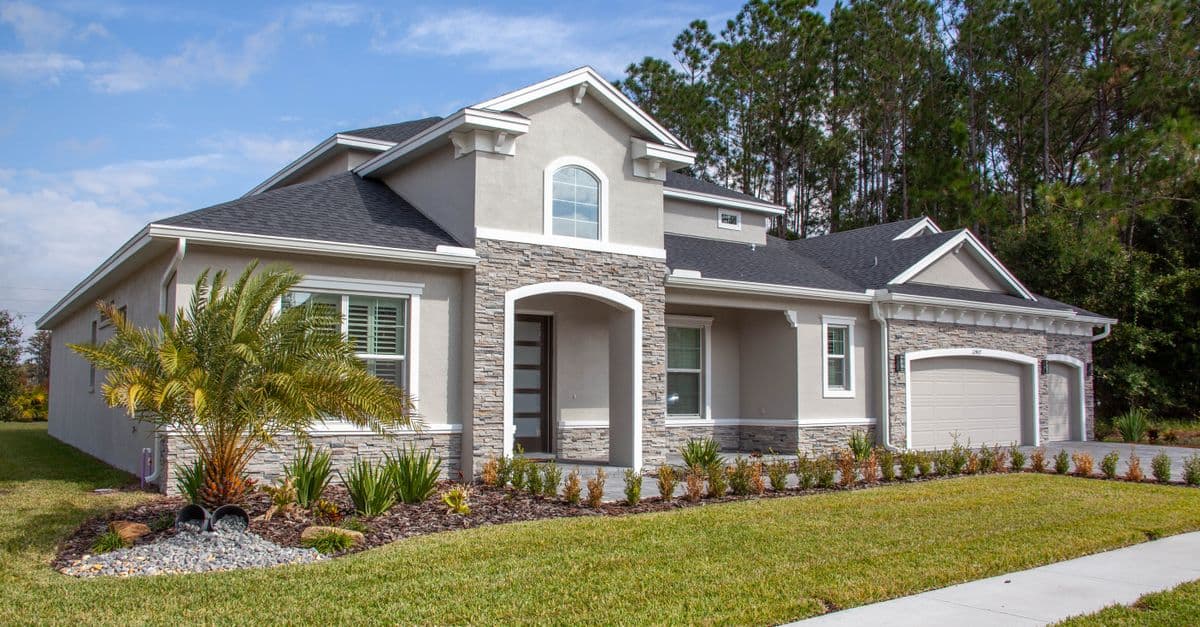
Carrollwood sits in northwest Tampa, roughly 20 minutes from downtown and 10 minutes from Tampa International Airport, and it has quietly become one of the most sought-after residential areas in Hillsborough County. Unlike flashier neighborhoods that command attention with waterfront skylines or brand-new master-planned developments, Carrollwood earns its reputation through something harder to replicate: established tree canopies, mature landscaping, well-maintained homes from multiple decades, and a location that puts everything within easy reach.
But "Carrollwood" is not one neighborhood. It is a collection of distinct communities, each with its own character, price points, rules, and trade-offs. Choosing the wrong one can mean paying for amenities you never use, dealing with restrictions that frustrate you, or missing out on value that was sitting one subdivision over. This guide breaks down every major Carrollwood neighborhood so you can make an informed decision, whether you are buying your first home, upgrading, downsizing, or investing.
Why Carrollwood Is One of Tampa's Most Popular Areas in 2026
Carrollwood's popularity is not accidental. Several factors have converged to make this area one of the strongest real estate markets in the Tampa Bay region heading into 2026, and understanding them will help you see why certain neighborhoods here hold value better than others.
Location That Actually Saves You Time
Carrollwood's position along the Dale Mabry Highway corridor gives residents direct north-south access through Tampa. Veterans Expressway connects you to Tampa International Airport in under 15 minutes without fighting I-275 traffic. Heading to Westshore business district, International Plaza, or Raymond James Stadium takes 10 to 15 minutes. Downtown Tampa is roughly 20 minutes. For commuters working in the Westshore or Citrus Park corridors, Carrollwood cuts commute times significantly compared to living in Brandon, Riverview, or even parts of South Tampa. You can read more about the area's advantages in our guide to living in Carrollwood.
No CDD Fees in Most Neighborhoods
This is a massive advantage that buyers overlook until they start comparing total monthly costs. Most established Carrollwood neighborhoods were built before Community Development Districts became standard practice in Florida. That means no CDD fees, which can add $150 to $300 per month in newer communities like those in Riverview, Wesley Chapel, or Wimauma. When you are comparing a $400,000 home in Carrollwood to a $400,000 home in a newer development, the Carrollwood home often costs $200+ less per month just on fees. Over a 30-year mortgage, that difference adds up to tens of thousands of dollars. Our cost of living breakdown covers these numbers in detail.
Mature Trees and Established Character
Carrollwood's tree canopy is one of its defining features. Many neighborhoods were developed in the 1970s through 1990s, giving decades for live oaks, maples, and palms to reach full maturity. The difference between driving through a Carrollwood neighborhood with 40-year-old oaks and driving through a 5-year-old subdivision with stick trees and no shade is dramatic. It affects curb appeal, summer cooling costs, and overall quality of life. Explore the history of Carrollwood to understand how this area developed over the decades.
Strong Rental Demand for Investors
Carrollwood's combination of good schools, safe neighborhoods, and proximity to employment centers creates consistent rental demand. Single-family homes in the $350K to $500K range can rent for $2,200 to $3,000 per month depending on size and condition. The area attracts professionals, young families, and military families stationed at MacDill Air Force Base who prefer to rent before committing. If you are considering Carrollwood from an investment angle, our investment property guide breaks down the numbers by neighborhood.
Carrollwood Village, Tampa's Premier Deed-Restricted Community
Carrollwood Village is the crown jewel. It is a deed-restricted community of approximately 4,500 homes covering about 2,000 acres in the heart of the Carrollwood area. When people say they live in "Carrollwood Village" specifically, not just Carrollwood, they are making a distinction that matters for property values, amenities, and long-term investment.
What Makes the Village Different
The Village operates under a Homeowners Association that enforces deed restrictions across the entire community. This means consistent architectural standards, maintained common areas, and rules about exterior modifications, commercial vehicles, and property upkeep. For some buyers, this level of oversight feels restrictive. For others, it is precisely why they choose the Village, they know their neighbor will not park a boat in the front yard or let their lawn turn brown. Check our detailed Carrollwood Village guide for the full breakdown of deed restrictions and what they mean for homeowners.
The community amenities are a significant draw. Carrollwood Village has its own recreation center with two swimming pools, tennis courts, basketball courts, playgrounds, and event spaces. Residents pay annual HOA dues, currently around $350 to $450 per year, which is remarkably low compared to what similar amenities cost in newer communities. The Village also maintains walking trails, green spaces, and community parks scattered throughout the subdivisions.
Home Styles and Pricing in Carrollwood Village
Homes in Carrollwood Village range from modest 1,400-square-foot three-bedroom homes built in the late 1970s to expansive 3,500+ square-foot homes on premium lots built in the 1990s and 2000s. The most common floor plans are three and four-bedroom homes with two-car garages, screened lanais, and concrete block construction.
In early 2026, pricing in Carrollwood Village generally falls into these ranges:
- Entry level (1,200 to 1,600 sq ft, 3/2): $340,000 to $420,000
- Mid-range (1,800 to 2,400 sq ft, 4/2 or 4/3): $430,000 to $580,000
- Premium lots and lakefront: $580,000 to $800,000+
- Updated/renovated homes with modern finishes: 10 to 20% premium over comparable unrenovated homes
Homes on conservation lots, cul-de-sacs, and lakefront positions consistently command the highest prices. The most desirable streets in the Village tend to be the ones with larger setbacks, mature tree canopies, and no through traffic. Browse current Carrollwood Village homes for sale to see what is available right now.
Pros and Cons of Carrollwood Village
Pros:
- Deed restrictions protect property values and maintain neighborhood appearance
- Community rec center, pools, and parks included with low annual dues
- Strong resale history, homes in the Village sell faster than surrounding areas on average
- No CDD fees
- Excellent tree canopy and mature landscaping
Cons:
- Deed restrictions limit what you can do with your property (exterior colors, fencing, additions)
- Many homes need roof, plumbing, or electrical updates due to age
- Lot sizes are modest compared to Greater Carrollwood, most are 70x120 or smaller
- Insurance costs have risen significantly for older homes built before current wind mitigation standards
If you are trying to decide between the Village and surrounding areas, our Carrollwood Village vs. Carrollwood comparison lays out the differences side by side.
Greater Carrollwood, Space, Value, and No HOA Hassles
Greater Carrollwood refers to the unincorporated areas surrounding Carrollwood Village, the neighborhoods that share the Carrollwood address, schools, and general location but are not part of the deed-restricted Village community. This is where you find the widest range of homes, prices, and lifestyles in the Carrollwood area.
The Appeal of No HOA
A large percentage of homes in Greater Carrollwood have no HOA at all. For buyers who want to park their work truck in the driveway, build a detached workshop, install a fence without architectural review, or simply avoid monthly and annual HOA payments, Greater Carrollwood delivers that freedom. You still have to follow Hillsborough County codes and permitting requirements, but there is no HOA board reviewing your plans or sending violation letters.
The trade-off is inconsistency. Without deed restrictions, the neighbor two doors down might let their property deteriorate, park multiple vehicles on the lawn, or make exterior choices that affect curb appeal on the street. This is a personal preference issue, some buyers find it liberating, others find it stressful. Drive the specific streets you are considering at different times of day before making a decision.
Pricing in Greater Carrollwood
Greater Carrollwood generally runs 10 to 20% below Carrollwood Village for comparable square footage. In early 2026, expect:
- Smaller homes (1,000 to 1,400 sq ft): $280,000 to $360,000
- Standard family homes (1,500 to 2,200 sq ft): $350,000 to $480,000
- Larger homes on oversized lots: $480,000 to $650,000
One advantage of Greater Carrollwood is lot size variety. You can find half-acre and even acre-plus lots here that simply do not exist within the Village. Buyers looking for room to add a pool, build an ADU (accessory dwelling unit), or just have a large backyard will find more options here. If you are shopping on a budget, our Carrollwood homes under $500K page shows what is currently available.
What to Watch For
Greater Carrollwood covers a wide geographic area, and quality varies significantly from block to block. Some streets feel indistinguishable from Carrollwood Village, well-maintained homes, manicured lawns, quiet cul-de-sacs. Others show more deferred maintenance and inconsistent upkeep. Always drive the actual street, not just the subdivision, before writing an offer. Pay attention to flood zones as well, some parts of Greater Carrollwood near creek systems and retention areas fall in flood zones that require additional insurance.
Northdale, The Overlooked Gem Next to Carrollwood
Northdale sits immediately north of Carrollwood Village, roughly bounded by Ehrlich Road to the south and the Hillsborough County line to the north. It shares many of Carrollwood's strengths, access to Dale Mabry, proximity to Veterans Expressway, good school zones, but typically at a lower price point. Many buyers searching in Carrollwood end up in Northdale once they realize how much further their budget stretches.
Why Northdale Deserves Your Attention
Northdale was developed primarily in the 1980s and 1990s, making it slightly newer than many Carrollwood Village homes. The community has its own golf course (Northdale Golf & Tennis Club), community pool, and established neighborhood feel. Homes are predominantly concrete block construction with tile or shingle roofs, two-car garages, and screened-in pools or lanais.
Pricing in Northdale as of early 2026:
- Entry level (1,200 to 1,500 sq ft): $300,000 to $370,000
- Mid-range (1,600 to 2,200 sq ft): $375,000 to $480,000
- Golf course and premium lots: $480,000 to $600,000+
That price-per-square-foot gap versus Carrollwood Village often means you get an extra bedroom, a larger lot, or a more recently updated kitchen for the same budget. Northdale also benefits from being close to the shops and restaurants along Dale Mabry and Busch Boulevard without being right on those busy corridors.
Northdale Considerations
Some Northdale subdivisions have HOAs and some do not, you will need to verify on a property-by-property basis. The Northdale name does not carry quite the same prestige as "Carrollwood Village" on paper, which can affect resale perception, though actual sale prices have been strong. School assignments may differ from Carrollwood Village, always verify current zoning with Hillsborough County Schools before buying.
Lake Carroll and Lake Ellen, Lakefront Living Without the Beach Price Tag
Two of the most desirable micro-neighborhoods in the Carrollwood area center around Lake Carroll and Lake Ellen. These freshwater lakes create a handful of lakefront and lake-view home sites that offer waterfront living at a fraction of what you would pay on the coast, in South Tampa, or along the Hillsborough River. If you want to sit on your lanai and watch the sun set over water, this is where you look. See all available Carrollwood waterfront homes for current lakefront listings.
Lake Carroll
Lake Carroll is the larger of the two lakes and sits within Carrollwood Village. Homes directly on Lake Carroll are among the most expensive in the entire Carrollwood area, typically selling between $600,000 and $900,000+ depending on lot size, home condition, and how much direct lake frontage the property offers. These homes rarely stay on the market long, in 2026, the average days on market for a Lake Carroll lakefront home was under 20 days when priced correctly.
Lake Carroll is stocked and popular with residents who enjoy fishing from their back yards. Kayaking and paddleboarding are common. Motorized boats are generally restricted or prohibited depending on the specific section. The lake also serves as a natural buffer that protects these homes from having neighbors directly behind them, a privacy advantage that adds significant value.
Lake Ellen
Lake Ellen is smaller and more intimate, located within the Village as well. Homes on Lake Ellen tend to be slightly more affordable than Lake Carroll properties, think $500,000 to $750,000, largely because the lake is smaller and there are fewer premium-sized lots on its shoreline. The trade-off is a quieter, more secluded feel. Lake Ellen homes tend to attract buyers who want the lakefront lifestyle without the visibility and traffic that come with the larger lake.
For buyers who want lake proximity without the premium price tag, look for homes on streets adjacent to but not directly on the lakes. Many of these properties have lake access through community areas or offer partial water views at prices $100,000 to $200,000 below direct lakefront homes. Our waterfront homes guide explains how to evaluate lakefront versus lake-adjacent properties.
Insurance and Flood Considerations for Lakefront Properties
Lakefront homes in Carrollwood may fall in flood zones, usually Zone AE or Zone X, and this directly impacts your insurance costs. Even if you are in a Zone X (minimal flood risk), many lenders and savvy buyers opt for flood insurance as a precaution. Lake Carroll and Lake Ellen properties in Zone AE may require flood insurance that adds $1,500 to $4,000+ per year depending on the elevation certificate and coverage amount. Always request the flood zone designation and any available elevation certificate before making an offer on lakefront property.
Carrollwood Meadows, Newer Builds, Modern Floor Plans
Carrollwood Meadows is the answer for buyers who love the Carrollwood location but want something newer than the 1970s and 1980s construction that dominates the area. This neighborhood features homes primarily built from the late 1990s through the 2000s, offering more modern floor plans, higher ceilings, larger owners suites, and updated construction standards.
What You Get in Carrollwood Meadows
Homes in Carrollwood Meadows tend to be larger than comparable-era homes in Carrollwood Village. You will find 2,000 to 3,200+ square-foot floor plans with four to five bedrooms, three-car garages in some sections, formal living and dining rooms, open-concept kitchens, and owners suites with walk-in closets, garden tubs, and dual vanities. Many homes have screened pools and covered lanais.
Pricing in early 2026:
- Standard (1,800 to 2,400 sq ft): $420,000 to $530,000
- Larger floor plans (2,500 to 3,200 sq ft): $530,000 to $680,000
- Premium lots with pools: $600,000 to $750,000+
The newer construction means potentially lower insurance costs (homes built after 2002 often qualify for better wind mitigation credits), fewer immediate maintenance surprises, and the modern open layouts that today's buyers prefer. However, these homes sit on somewhat smaller lots than what you find in the older sections of the Village, and the tree canopy is not as mature. If you want even newer construction, there are limited infill options popping up throughout the Carrollwood area as well.
Where Should You Live? Matching Neighborhoods to Your Priorities
Every buyer has different non-negotiables. Here is a quick reference to match your priorities with the right Carrollwood neighborhood:
If your top priority is community amenities and property value protection: Carrollwood Village. The deed restrictions and rec center create a cohesive community experience that maintains values over time. Browse current Village listings.
If your top priority is freedom and no rules: Greater Carrollwood without HOA. You can modify your property, park what you want, and avoid the politics of homeowner associations.
If your top priority is getting the most house for your money: Northdale. You will typically get 10 to 15% more square footage for the same price as comparable Carrollwood Village homes.
If your top priority is waterfront living: Lake Carroll or Lake Ellen within the Village. For lake proximity at lower cost, look at homes one or two streets off the water.
If your top priority is newer construction: Carrollwood Meadows or new infill construction scattered throughout the area.
If your top priority is gated security: Check the Carrollwood gated community homes page for currently available options in guard-gated or electronically gated subdivisions.
If you are 55+ and looking for age-restricted options: There are limited 55+ communities in the immediate Carrollwood area, but nearby Northdale and Citrus Park have options worth exploring.
If you are looking for a condo or townhome: Carrollwood has several condo and townhome communities that offer lower-maintenance living in the $200K to $350K range.
Our comprehensive buying guide for Carrollwood walks through the full process from search to closing.
Carrollwood Schools, What Families Need to Know in 2026
Schools are one of the top three factors driving homebuyers to Carrollwood, and the school landscape here is more nuanced than most area guides acknowledge. All Carrollwood neighborhoods fall within the Hillsborough County School District, but your specific address determines your zoned schools, and those assignments can vary even within a single subdivision. Our full Carrollwood schools guide covers ratings, programs, and enrollment details.


