What Makes Dover FL One of the Last Accessible Farming Communities Near Tampa?
Dover, Florida has maintained its agricultural character longer than most communities within 30 miles of Tampa, and that distinction is increasingly rare and valuable. Eastern Hillsborough County's flat terrain, rich sandy loam soils, and historical strawberry farming heritage created a community where small farms, hobby homesteads, and working agricultural operations coexist alongside rural residential properties. In 2026, Dover remains one of the few places in the Tampa Bay area where you can purchase working farmland without committing to a two-hour commute.
The area's proximity to Plant City, historically the strawberry capital of the world, means agricultural infrastructure, suppliers, and community knowledge are close at hand. Farmers markets, agricultural suppliers, feed stores, and equipment dealers serve the corridor. That supporting ecosystem matters for farm buyers in ways that cannot be replicated by simply moving to a rural location in a less ag-active part of Florida.
What Can You Legally Grow and Raise on Dover FL Agricultural Land?
Dover's primary zoning classifications (AR-1, AR-2, ASC) permit a wide range of agricultural activities that would be prohibited in suburban residential areas. What is specifically permitted depends on your parcel's zoning designation and acreage. See the Dover zoning guide for the full breakdown, but here is a general overview of what is commonly permitted on agriculturally zoned Dover land.
Livestock and Animals
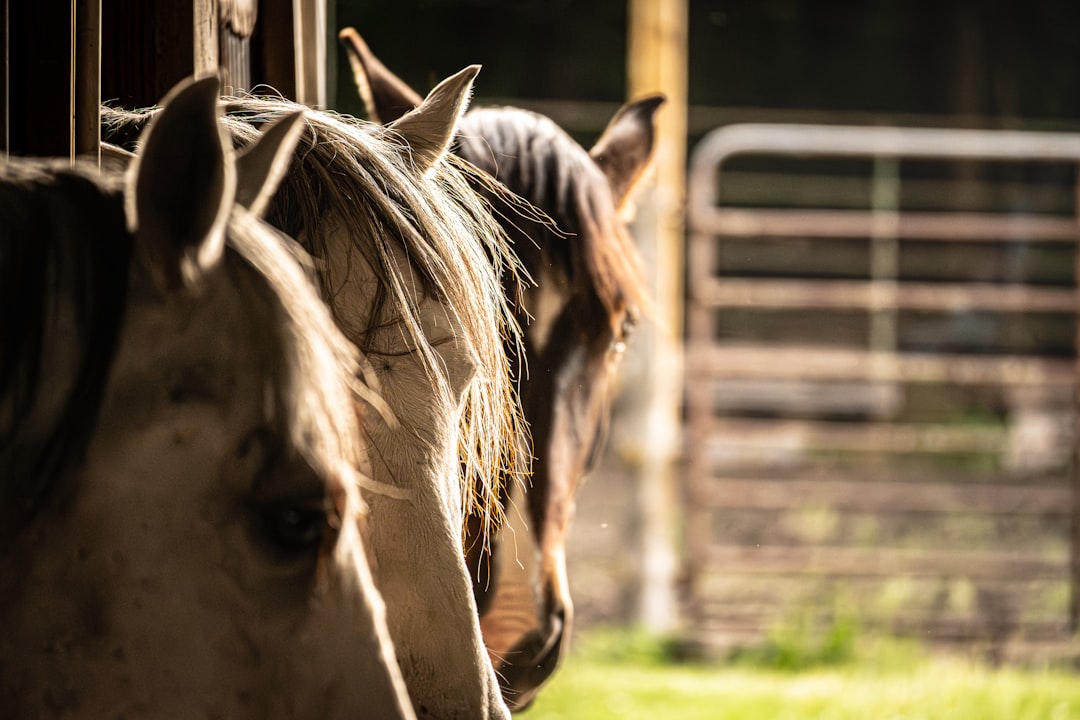
- Horses and equestrian animals: Commonly permitted at 1 to 2 horses per acre under AR and ASC zoning
- Cattle, goats, sheep: Permitted on properties with sufficient acreage; density limits apply per parcel
- Pigs and swine: Permitted under agricultural zoning with appropriate setbacks from property lines and water sources
- Poultry (chickens, ducks, turkeys): Broadly permitted under agricultural zoning; roosters are restricted in some residential-adjacent parcels
- Beekeeping: Permitted; Florida encourages beekeeping and has state protections for apiaries on agricultural land
- Rabbits and small animals: Broadly permitted
Crops and Growing Operations
- Row crops (strawberries, tomatoes, peppers): Dover's historical specialty; fully permitted
- Nursery and plant propagation: One of the most common agricultural businesses in the area
- Hay production: Permitted; bahia grass hay is the primary local forage crop
- Tree farms and orchards: Permitted; citrus and tropical fruit trees are appropriate for the climate
- Vegetable gardens (personal or market): No restrictions under agricultural zoning
What Requires Additional Permits or Review
Commercial agritourism operations (pick-your-own, farm stands open to the public, farm events), processing facilities, and commercial composting operations typically require additional county review beyond standard agricultural zoning. Do not assume that agricultural zoning alone covers any commercial activity you plan. Verify with Hillsborough County Development Services before purchasing for a specific commercial agricultural purpose.
What Does the Agricultural Tax Exemption Save in Dover FL?
Florida's agricultural classification (often called the "ag exemption") is one of the most significant financial benefits of farm ownership in the state. If your Dover property qualifies for agricultural classification, the property tax assessment is based on the land's agricultural use value rather than its full market value. The difference can be dramatic.
How Agricultural Classification Works
Under Florida Statute 193.461, property used for bona fide agricultural purposes can be classified for property tax purposes at its agricultural use value. For eastern Hillsborough County farmland, that agricultural use value may be $500 to $2,000 per acre versus a market value of $30,000 to $80,000 per acre for the same land. The tax savings are proportional to that assessment difference.
Agricultural Tax Savings Example
| Property | Market Value | Ag Use Value | Est. Annual Tax (without ag) | Est. Annual Tax (with ag) |
|---|---|---|---|---|
| 5-acre farm parcel | $200,000 | $10,000 | ~$3,800 | ~$190 |
| 10-acre farm parcel | $350,000 | $20,000 | ~$6,650 | ~$380 |
Note: Tax estimates use approximate Hillsborough County millage rates. Your actual tax depends on current millage, homestead exemption, and specific ag use value assessment. Consult the Dover property tax guide for full detail and the Hillsborough County Property Appraiser for your specific parcel.
Qualifying for Agricultural Classification
The key word in Florida law is "bona fide" agricultural use. You must demonstrate genuine, active agricultural activity, not simply owning land with some cows walking on it. Common qualifying activities in Dover include hay production, commercial nursery operations, horse boarding (under specific conditions), strawberry growing, and active livestock operations. Application is filed with the Hillsborough County Property Appraiser by March 1 of the year in which you want the classification to take effect. See the property tax guide for more on the application process.
What Happens When You Lose Ag Classification
If a property loses agricultural classification due to a change in use, abandonment of farming, or sale to a buyer who does not continue agricultural activity, Florida can impose rollback taxes (the difference between what was paid under ag classification and what would have been owed at market value) for up to 5 years. This is called claw-back or recapture and is a real cost buyers should understand before purchasing a property carrying agricultural classification. Discuss this with a real estate attorney before closing.
What Does Farm Infrastructure Cost in Dover FL?
Fencing
Perimeter and cross-fencing is one of the largest infrastructure costs for farm properties. Board fencing (the most aesthetically traditional and livestock-appropriate) runs $15 to $25 per linear foot installed. A 5-acre square perimeter is roughly 1,875 linear feet, meaning $28,000 to $47,000 for board fencing. High-tensile wire fencing runs $4 to $8 per foot. Most working farms in Dover use a combination: board or pipe rail on visible frontage and along roads, high-tensile wire on back sections.
Barns and Outbuildings
A basic 30x40 metal pole barn (open-air) runs $20,000 to $45,000 installed. An enclosed workshop or agricultural storage building of the same size runs $35,000 to $65,000 depending on finishes. Horse stall barns with concrete floors, rubber mats, and ventilation run $50,000 to $150,000 for 4 to 8 stall configurations. Prices vary significantly by contractor and materials. See the horse property guide for equestrian barn specifics.
Well and Irrigation
Agricultural irrigation wells are larger and deeper than residential wells. An irrigation well for 2 to 5 acres of crop production runs $10,000 to $25,000 including pump and distribution lines. Drip irrigation systems for row crops add $2,000 to $8,000 per acre. Overhead irrigation for nurseries or hay fields runs higher. See the Dover well and septic guide for residential well context.