Quick Answer
How do I find CDD fees on a Florida property?
Go to hillstax.org (Hillsborough County Tax Collector), search by folio number, and open the most recent tax bill. CDD fees appear as non-ad-valorem assessments -- separate line items below the regular property taxes. They're labeled with the district name (e.g., "South Fork CDD"). Typical CDD fees range from $1,000 to $4,000+ per year.
What Is a CDD and Why Does It Matter?
A Community Development District (CDD) is a special taxing district created by the developer of a new community to fund the infrastructure -- roads, water lines, sewer, drainage, parks, amenities, and common areas. Instead of the developer paying for all of that upfront and building it into the home price, they create a CDD that issues bonds. Homeowners then pay off those bonds through annual assessments on their tax bill.
The practical impact: a CDD adds $1,000 to $4,000+ per year to your property costs, on top of your regular property taxes, HOA fees, and insurance. That's $80 to $330+ per month that many buyers don't account for until they see their first tax bill. Your lender should factor CDD into your debt-to-income ratio, but not all buyers realize how much it adds to the monthly payment. Use the mortgage calculator to estimate your full monthly cost.
How to Check: Step by Step
Step 1: Get the Folio Number
Every property in Hillsborough County has a folio number (also called a parcel number). You can find it on the listing in the MLS, on the Hillsborough County Property Appraiser website, or just ask your agent. It looks something like: U-15-31-20-B5O-B00005-00008.0
Step 2: Go to hillstax.org
This is the Hillsborough County Tax Collector's website. Click on "Property Tax Search" and enter the folio number. This pulls up the property's tax account.
Step 3: Open the Actual Tax Bill
Click on the most recent tax bill to see every line item. The bill has two sections:
- Ad valorem taxes -- these are your regular property taxes based on assessed value. They include county general revenue, school board, hospital authority, and other taxing authorities. Each shows a millage rate and dollar amount.
- Non-ad-valorem assessments -- these are fixed-dollar charges that don't change with your home's value. This is where CDD fees appear, along with solid waste, stormwater, and any other special assessments.
Step 4: Look for the CDD Line
If the property is in a CDD, you'll see a line item with the district name -- like "South Fork CDD" or "FishHawk CDD" or "Waterset CDD." The dollar amount is the annual CDD assessment. Some communities have multiple CDD lines.
Have Questions About a Property You're Considering?
I'll pull the permits, check the tax bill, and flag anything you need to know before you make an offer.
Send Me the Address Call (813) 733-7907Which Communities Typically Have CDD Fees?
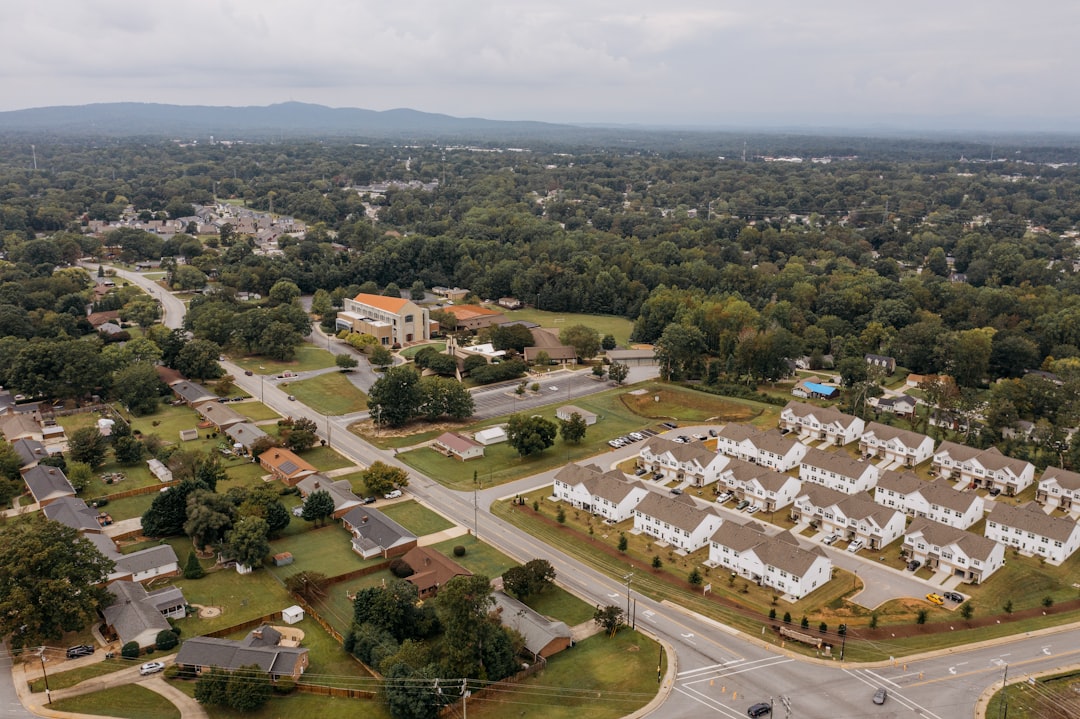
As a general rule, newer master-planned communities in Riverview, Wesley Chapel, Lithia, and Wimauma are more likely to have CDDs. Communities built before the mid-2000s are less likely. Here are some examples:
- Communities WITH CDDs: FishHawk Ranch, Waterset, Epperson, Mirabay, South Fork, many newer Riverview subdivisions
- Communities typically WITHOUT CDDs: Bloomingdale, River Hills, Buckhorn Springs, most Brandon neighborhoods, most older Valrico subdivisions
But don't assume -- always check the actual tax bill. Some communities surprise you.
CDD Fees vs. HOA Fees -- They're Not the Same
HOA fees and CDD fees are completely separate charges. HOA fees go to your homeowners association for community maintenance -- landscaping, pool, clubhouse, etc. CDD fees go to the development district to pay off infrastructure bonds. You can have both, one, or neither. Many newer communities in Tampa Bay have BOTH an HOA and a CDD, which stacks up fast.
Do CDD Fees Ever Go Away?
Yes -- eventually. CDD bonds typically have a 20 to 30 year term. Once the bonds are paid off, the CDD assessment drops significantly or goes away entirely. However, a smaller ongoing CDD assessment for maintenance of district-owned infrastructure may continue. The payoff timeline depends on when the community was developed.
How to Look Up CDD Fees by County
The process for finding CDD fees is similar across Florida, but each county has its own tax collector website. Here is how to check CDD fees in every Tampa Bay area county.
Hillsborough County
Go to hillstax.org and search by folio number. Open the most recent tax bill and look under "Non-Ad Valorem Assessments" for CDD line items. Common CDDs in Hillsborough include FishHawk, Waterset, South Fork, Triple Creek, and dozens of Riverview and Wesley Chapel communities.
Pasco County
Go to pascotaxes.com and search by parcel ID or address. Open the tax bill and look for CDD assessments under non-ad valorem line items. Pasco County has seen explosive growth in master-planned communities with CDDs, including Epperson, Bexley, Connerton, Starkey Ranch, and Mirada. Many Land O' Lakes, Wesley Chapel, and Trinity neighborhoods carry CDD assessments ranging from $1,200 to $3,500+ per year.
Pinellas County
Go to taxcollect.com (Pinellas County Tax Collector) and search by parcel number or address. CDDs are less common in Pinellas County because most communities were built before CDDs became widespread in Florida. However, some newer developments in Largo and unincorporated Pinellas may carry CDD assessments. Always check the tax bill to be sure.