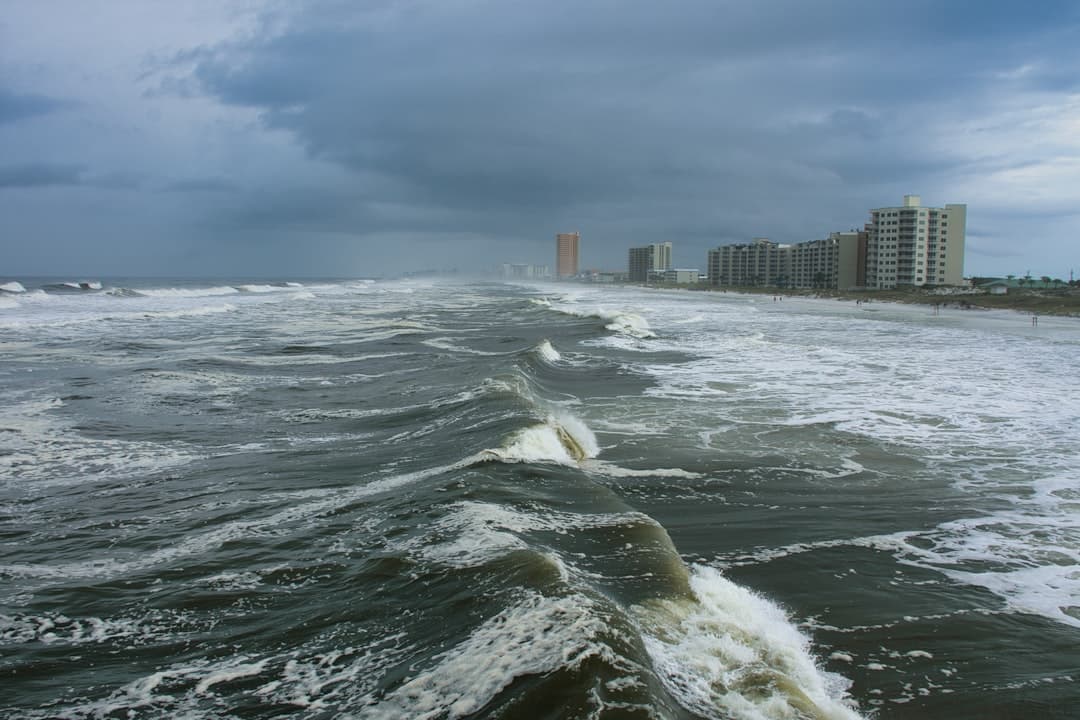
Florida's hurricane season runs from June 1 through November 30, and buying a home during this window requires extra preparation. The good news: hurricane season can actually be a smart time to buy because competition drops and sellers become more flexible. The key is knowing what to look for, what to inspect, and how to protect your investment.
Is It Safe to Buy a Home During Hurricane Season in Florida?
Yes, buying during hurricane season is safe when you do your due diligence. Thousands of homes close in Florida between June and November every year. The difference is that savvy buyers use this season to negotiate harder and inspect more thoroughly.
Hurricane season creates a natural slowdown in the Florida market. Many out-of-state buyers delay their purchases, and some local buyers get nervous. This means less competition and more negotiating power for buyers who are prepared.
What Should You Check Before Buying a Home During Hurricane Season?
Every home purchase during hurricane season should include these critical inspections and checks:
Wind Mitigation Inspection: This is the single most important inspection for Florida homebuyers. A wind mitigation report documents hurricane-resistant features like roof shape, roof-to-wall connections, opening protections (shutters or impact windows), and roof covering type. A favorable wind mitigation report can save you thousands per year on homeowners insurance.
Roof Age and Condition: Insurance companies in Florida scrutinize roof age. Many carriers will not insure a home with a roof older than 15 years, and some set the cutoff at 10 years. Get a separate roof inspection in addition to the general home inspection.
4-Point Inspection: Required by most insurance companies for homes over 15 years old. This covers the roof, electrical, plumbing, and HVAC systems. Issues found here can affect your ability to get insurance — and without insurance, your lender will not close.
Read the full Florida Property Insurance Guide for detailed carrier comparisons and cost-saving strategies.
Need a Hurricane-Ready Home?
Barrett Henry has 23+ years of real estate experience and helps buyers identify storm-resistant homes with favorable insurance profiles. Get expert guidance before you buy.
How Do Flood Zones Affect Home Buying in Tampa Bay?
Flood zone designation is one of the most important factors in a Florida home purchase. FEMA flood maps divide areas into zones that determine whether you need flood insurance and how much it costs.
- Zone X (preferred): Minimal flood risk. Flood insurance is optional but recommended. Most homes in Valrico, Lithia, and Brandon fall in Zone X.
- Zone AE: High-risk flood zone. Flood insurance is required by lenders. Premiums can add $1,500-$5,000+ per year to your housing costs.
- Zone VE: Coastal high-risk zone with wave action. Highest premiums. Common in waterfront areas of St. Petersburg and Clearwater.
Check any property's flood zone on the FEMA Flood Map Service Center before making an offer. Your agent should pull this data as part of the buying process. Read the Florida Flood Insurance Guide for a complete breakdown of costs and coverage options.
What Insurance Do You Need for a Florida Home?
Florida homeowners need multiple types of insurance, and costs are higher than most other states. Budget for:
- Homeowners insurance (windstorm included): $3,000-$8,000+ per year depending on location, age, and construction
- Flood insurance: $500-$5,000+ per year depending on flood zone (NFIP or private carriers)
- Sinkhole coverage: Optional but worth considering in parts of Hillsborough, Pasco, and Hernando counties
The Florida legislature has made reforms to stabilize the insurance market, but premiums remain elevated compared to pre-2020 levels. When evaluating a home's affordability, always factor in insurance costs alongside the mortgage payment.
What Happens If a Hurricane Hits While You Are Under Contract?
Your real estate contract should include provisions for property damage during the contract period. In Florida, the standard FAR/BAR contract addresses this: if the property sustains damage exceeding 1.5% of the purchase price, the buyer can cancel the contract and receive their deposit back.