Quick Answer
Tierra Verde FL is an excellent place to live for boaters, outdoor enthusiasts, retirees seeking quiet waterfront living, and remote workers who want a natural island setting close to St. Pete. It is a poor fit for buyers who need walkable amenities, public transit, low insurance costs, or frequent Tampa commutes. The island is genuinely beautiful and livable, but carries real costs in insurance, toll roads, car dependency, and hurricane risk that must be evaluated honestly before buying.
The Honest Answer to "Is Tierra Verde FL a Good Place to Live?"
Tierra Verde FL is a genuinely exceptional place to live, with one important qualification: it is exceptional for a specific kind of buyer. It is not a good fit for everyone, and the people who struggle with life on the island are typically those who were not fully honest with themselves about which kind of buyer they are before they purchased. This guide is my honest assessment of exactly who thrives in Tierra Verde and who does not, based on years of helping buyers and sellers in this community.
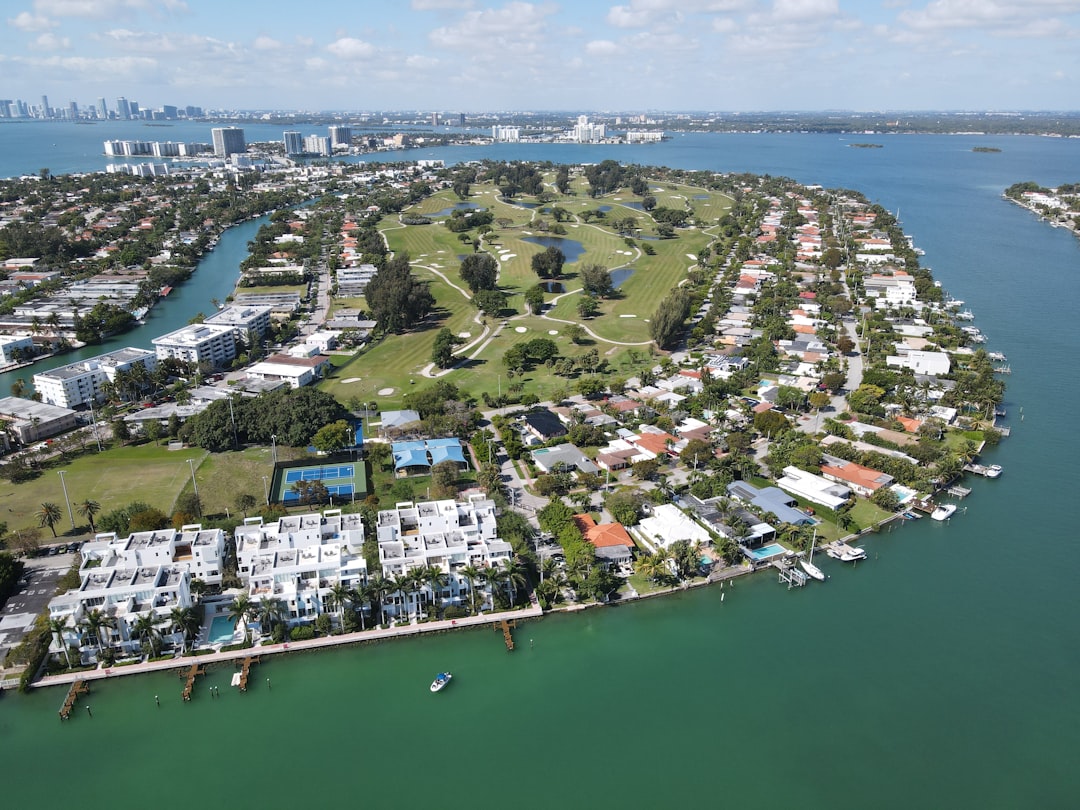
The island's selling points are real and substantial. The natural environment surrounding Tierra Verde, particularly Fort De Soto County Park immediately to the south, is among the finest in the entire southeastern United States. The boating access from private canal docks to Tampa Bay and the Gulf of Mexico is world-class. The quiet, residential character of the community delivers genuine peace and privacy that is increasingly rare in coastal Florida. The commute to downtown St. Pete (10 to 15 minutes) is outstanding for a waterfront island community. These are not marketing claims. They are consistent lived experiences reported by the long-term residents I know here.
The downsides are also real and substantial. Insurance costs are high, particularly for waterfront homes. The Bayway toll is an inescapable daily cost. There are no grocery stores, pharmacies, banks, or meaningful retail on the island. The complete absence of public transit means a car is mandatory. Hurricane and storm surge risk is genuine. These are not minor inconveniences to be dismissed with "but the sunsets are amazing." They are material financial and logistical realities that affect your daily life and your annual budget. Both sides of this ledger deserve equal attention before you make a decision.
Tierra Verde FL: Pros and Cons
| Pros | Cons |
|---|---|
| Fort De Soto County Park directly adjacent (1,136 acres, world-class beaches, 7+ miles trails) | Very high insurance costs: $12,000-$20,000/yr for waterfront homes (flood + homeowners) |
| World-class inshore fishing (snook, redfish, tarpon) from private docks and nearby flats | Complete car dependency: no grocery, no transit, every errand requires Bayway crossing and toll |
| Exceptional boating access: private docks with Tampa Bay and Gulf access via Mullet Key Channel | Pinellas Bayway toll on every trip: budget $50-$150/month for most households |
| Downtown St. Pete only 10-15 minutes away: exceptional urban access for a true island address | Significant hurricane and storm surge risk as a barrier island community in Tampa Bay |
| Quiet, low-traffic residential community with minimal commercial intrusion | Very limited inventory: small number of homes available at any time, competitive buying environment |
| Strong long-term property values: island scarcity and persistent demand support appreciation | No walkability: no commercial main street, no coffee shop you can walk to, no neighborhood amenities on island |
| Bird watching and wildlife viewing: roseate spoonbills, dolphins, osprey, sea turtles regularly spotted | High home prices: entry point starts around $400K, waterfront starts at $600K, limiting buyer pool |
| Egmont Key day trips by boat: 4-mile cruise to a wild, undeveloped island state park | No schools on island: all children attend school off-island with daily Bayway toll commute |
Who Is Tierra Verde FL Right For? Buyer Profiles
In my experience, the buyers who are happiest in Tierra Verde fall into a few consistent profiles. Recognizing yourself in one of these profiles (or clearly not recognizing yourself) is one of the most useful self-assessments you can do before deciding whether to pursue the island.
The Boater or Water Sports Enthusiast: Exceptional Fit
If you love boating, fishing, kayaking, paddleboarding, or any other water-based activity, Tierra Verde is one of the best addresses in the entire state of Florida. Having a private dock on a navigable canal gives you on-demand, zero-friction access to one of the finest boating environments in the country. You can leave your dock on a Tuesday morning at 6 AM and be fishing the tarpon on Mullet Key Channel before most people have finished their first cup of coffee. You can kayak through Fort De Soto's mangrove tunnels on a Thursday afternoon with no marina fees, no trailer to launch, and no crowd. This lifestyle is the core value proposition of Tierra Verde, and for buyers who will actually use it, it fully justifies the premium costs.
Serious offshore anglers who want Gulf access from a private dock will find Tierra Verde genuinely exceptional. The route from a canal dock to the Gulf via Mullet Key Channel is direct and fast, getting you past the inlet and into open water with minimal navigational complexity compared to many other Tampa Bay launch points. The tarpon, cobia, and Spanish mackerel fisheries near the inlet are world-caliber. For a fishing-focused buyer, Tierra Verde is not just a good option. It is arguably the best option in the region.
The Retiree Seeking Quiet Waterfront Living: Excellent Fit
Tierra Verde is one of Florida's most popular retirement destinations for buyers who want genuine waterfront living without the density and noise of a beach resort community. The island's quiet residential character, low traffic volumes, natural beauty, proximity to Fort De Soto's trails and beaches, and 10 to 15 minute access to St. Pete's medical facilities, restaurants, and cultural amenities make it an outstanding retirement location for active adults.
Retirees who enjoy daily walks along Fort De Soto's trails, morning paddling in the calm bay waters, afternoon fishing from the dock, and evening dinners in downtown St. Pete or Gulfport describe Tierra Verde as ideal. The fact that everything requires a short drive (rather than being walking distance) is less of a constraint for retired adults with flexible schedules than for commuting households with time pressure. If you have the time to enjoy the island at its own pace, Tierra Verde rewards that patience generously.
Healthcare access is a practical concern for retirees evaluating any Florida community. Tierra Verde residents have access to St. Petersburg's well-developed medical infrastructure including St. Anthony's Hospital, Bayfront Health, and the extensive network of specialty practices throughout Pinellas County. Major medical facilities are 15 to 25 minutes from the island, which is reasonable for routine and non-emergency care. For acute emergencies, the drive time is a real consideration, and retirees with serious health conditions should discuss proximity to medical facilities with their healthcare providers when evaluating the island.
The Remote Worker or Location-Independent Professional: Good Fit
Remote workers and location-independent professionals have become one of the largest and fastest-growing segments of Tierra Verde buyers. For someone who works from home most or all of the time, the island's limitations (car dependency, no commercial district, Bayway toll) are minimized, while the lifestyle advantages (natural beauty, fishing, kayaking, quiet work environment) are maximized. A remote worker in Tierra Verde gets all the benefits of island living while eliminating the daily commute cost.
Internet service is available through Spectrum and Frontier, with speeds adequate for video conferencing and data-intensive work. The electric service from Duke Energy Florida is reliable, though summer air conditioning costs are significant. For remote workers who travel periodically to clients or a home office, Tampa International Airport (35 to 40 minutes) and St. Pete-Clearwater Airport (20 to 25 minutes) provide access to national flight networks without the commute overhead being oppressive.
The work-from-home lifestyle in Tierra Verde is legitimately excellent. You start the day with a kayak session or a morning walk in Fort De Soto, work from a home office with water views or canal views, take a fishing break in the afternoon, and end the day watching the sunset over Tampa Bay. This is the Tierra Verde remote work experience for people who make it work, and it is genuinely different from working from any mainland suburban or urban neighborhood.
The Daily Tampa Commuter: Challenging Fit
If you commute to Tampa five days a week, Tierra Verde is a challenging proposition. The round trip from Tierra Verde to downtown Tampa runs 60 to 80 minutes per day off-peak and can be 90 to 130 minutes during heavy rush hour periods, accounting for peak I-275 bridge traffic. Over a 250-workday year, that is 250 to 325 hours per year in the car, plus Bayway tolls for every round trip. Some Tampa commuters happily make this trade for the island lifestyle. Others find it exhausting after six months.
The honest advice I give Tampa commuters considering Tierra Verde is this: pilot the commute before you buy. Drive the route twice during actual peak morning hours before committing to a purchase. See what it actually feels like to sit on I-275 northbound approaching the Howard Frankland Bridge at 8:00 AM. Some people find it tolerable with good podcasts and a comfortable car. Others find it a significant quality-of-life issue. Only you can determine which category you fall into, and you should do that assessment before you are under contract on a house.
Buyers who commute to Tampa but have hybrid schedules (2 to 3 office days per week) find Tierra Verde much more workable. The combination of reduced commute frequency and the extraordinary quality of home-based days on the island shifts the calculus meaningfully in favor of the purchase.
Families with School-Age Children: Good Fit with Caveats
Families with children can thrive in Tierra Verde. The outdoor environment is extraordinary for raising kids who develop a connection to nature, water, and wildlife. Parents report that children in Tierra Verde tend to be more outdoors-active, more comfortable on the water, and more capable than their mainland peers in activities like swimming, fishing, and kayaking. Fort De Soto is essentially a 1,136-acre backyard for island children, and the access to that resource during childhood years is genuinely valuable.
The school situation requires planning. All children attend school off-island (Gulfport Elementary or Bay Point K-8, Bay Point Middle, Lakewood High School), meaning every school day involves a Bayway crossing. This is manageable but requires factoring toll costs and drive time into your daily routine. The Pinellas County Schools choice program gives families access to alternative schools and specialty programs throughout the district. Private school options including Canterbury, Admiral Farragut, and Shorecrest are within 15 to 25 minutes.
The practical daily logistics of family life in Tierra Verde, including after-school activities, sports, playdates, and the inevitable constant stream of kid-related driving, all involve Bayway crossings. Families should model their specific household's anticipated daily crossing pattern and budget accordingly. A family with two children in two different schools plus working parents might make six or more Bayway crossings on a busy day. That is approximately $8 to $12 per day, $160 to $240 per month, just in tolls related to family logistics. Know this number before you buy.
The Real Cost of Living in Tierra Verde FL
The cost of living in Tierra Verde extends well beyond the mortgage payment. Many buyers compare home prices in Tierra Verde to comparable homes in mainland Pinellas County and focus on the price differential. The more important comparison is total monthly housing cost, which must include insurance, tolls, and the cost of maintaining waterfront structures.