How the New Construction Buying Process Works in Haines City, FL
The new construction process in Florida follows a predictable sequence of steps, but each step has details that catch unprepared buyers off guard. Here is what to expect from the moment you start shopping to the day you pick up your keys.
Step 1: Get Pre-Approved Before You Tour Anything
Builders require proof of financing before they will let you pick a lot or floor plan, so your first move is a lender conversation, not a model home visit. Get a full pre-approval letter, not just a pre-qualification. Pre-approval means the lender has verified your income, assets, and credit. Pre-qualification is just an estimate based on self-reported numbers. Builders in Haines City will ask to see this paperwork before taking your deposit.
If you are planning to use VA, FHA, or USDA financing, confirm upfront that the community and the specific lot you want are eligible. Not every builder in every community accepts all loan types, and finding that out after you fall in love with a floor plan wastes everyone's time.
Step 2: Register Your Buyer's Agent at the First Visit
This is the single most important procedural step in the entire process, and most buyers do not know it exists. When you visit a new construction community for the first time, you must register your buyer's agent by name at sign-in. If you tour without registering an agent and later decide you want representation, most builder contracts will not allow it. The on-site sales agent works for the builder. You deserve someone in your corner who works for you.
Having a buyer's agent costs you nothing on new construction. The builder pays the commission as a selling expense built into the project budget. There is no discount for waiving representation, only the risk of navigating a complex builder contract alone. Barrett Henry represents buyers in Haines City and knows the communities, the builders, and the contracts.
Step 3: Tour Communities and Narrow Your Options
Haines City sits in Polk County, roughly 30 miles east of Tampa and 30 miles southwest of Orlando, making it one of Central Florida's fastest-growing new construction markets. Builders active in the area include DR Horton, Lennar, LGI Homes, Maronda Homes, and several regional builders. Each has different standard inclusions, warranty programs, and contract terms.
When you tour model homes, remember that every finish, fixture, and feature in that model is likely an upgrade. The model exists to show you what the home can look like at maximum spend, not what it looks like at the base price. Ask specifically what is standard and what costs extra before you get emotionally attached to granite countertops or wood-look tile floors.
Compare communities on more than price. Look at Haines City's location relative to your work and schools, check the HOA rules, ask about CDD fees, and drive the neighborhood at different times of day.
Step 4: Choose Your Lot and Floor Plan
Lot selection matters more than most buyers expect. A corner lot may offer more yard space but also more sidewalk maintenance obligations. A lot backing to a retention pond may look peaceful but can affect insurance costs and resale appeal. Lots on cul-de-sacs are often priced at a premium for the reduced traffic, and lots with preserve or lake views carry the highest lot premiums of all.
Lot premiums in Haines City communities typically range from $3,000 to $30,000 or more depending on the community and what the lot backs to. These premiums are added on top of the base price and are not usually negotiable in the same way the base price might be. Floor plan selection comes with its own trade-offs: more square footage means higher base cost, higher property taxes, and higher cooling bills in the Florida heat. Choose what you actually need, not the largest plan that fits your budget.
Step 5: Review and Negotiate the Contract
Builder contracts are long, detailed, and written entirely in the builder's favor. Plan to spend time reading the full document, not just signing where the sales agent marks. Key items to scrutinize include: what triggers a price escalation, whether the builder can substitute materials, how closing date delays are handled, what happens to your deposit if you must cancel, and what the warranty actually covers versus what it excludes.
Your buyer's agent can walk through the contract with you and flag anything unusual. In some cases, having a real estate attorney review the contract before you sign is money well spent, especially on contracts above $400,000. The sales agent cannot give you legal advice, and neither can your agent. An attorney can.
Step 6: Make Your Design Center Selections
Shortly after signing the contract, the builder schedules your design center appointment. This is where you choose finishes: flooring, cabinet colors, countertops, fixture packages, appliance packages, and sometimes exterior colors. The design center experience feels exciting, but it is also where buyers consistently overspend.
Set a firm budget for upgrades before you walk in the door, and stick to it. Focus on structural upgrades first (ceiling height, room extensions, pre-wiring for ceiling fans) because those cannot be changed after closing. Surface finishes like countertops and flooring can be upgraded later, often for less money through a contractor than through the builder's design center. The full buyer's guide covers budgeting strategies in more detail.
Step 7: Monitor Construction Progress
Once construction starts, your timeline to closing is typically 5 to 8 months for a new build from the ground up, though quick move-in (QMI) homes can close in 30 to 60 days. Most builders provide a construction portal or periodic email updates with photos. Visit the site regularly during construction. Bring your agent. Ask questions.
Your most important visit happens before drywall goes up. This is the pre-drywall inspection window, covered in detail in the questions section below. Do not skip it. It is your only opportunity to see the framing, plumbing, electrical, and HVAC before they are sealed inside the walls.
Step 8: Conduct the Final Walkthrough and Punch List
Before closing, the builder schedules a final walkthrough with you. This is your opportunity to identify items that are incomplete, damaged, or not built to spec. Bring a notepad, a phone to take photos, and take your time. Common punch list items include paint touch-ups, grout gaps, door alignment issues, missing hardware, and appliances not yet installed or tested.
The builder documents the punch list and commits to completing the items either before closing or shortly after. Get the timeline in writing. Do not assume verbal promises will be honored. If an item is significant, your agent can advise on whether it should be resolved before you close or whether an escrow holdback is appropriate.
Step 9: Final Inspection and Closing Day
Florida requires a final municipal building inspection and certificate of occupancy before you can close on a new construction home. Once the CO is issued, the builder sets a closing date. At closing, you will sign a large stack of documents, pay your closing costs (typically 2 to 5 percent of the purchase price), and receive your keys.
Consider hiring an independent home inspector for a final inspection separate from the builder's own quality control walkthrough. The builder's inspector works for the builder. An independent inspector works for you and may catch issues the builder's team missed or minimized. The cost is $350 to $500 and is almost always worth it. After closing, document any warranty issues in writing within the first year while the builder's warranty is still in full effect. See the full Florida closing costs guide for a detailed breakdown of what to expect at the closing table.
New to the New Construction Process?
Barrett Henry walks you through every step so you never feel lost or pressured.
Contact Barrett Browse New Construction ListingsDo I Have to Sell My House First?
No, you do not have to sell your current home before signing a new construction contract, but the timing strategy you choose has real financial and logistical consequences. Here are the four main scenarios buyers face.
Scenario 1: Sell First, Then Buy
Selling your current home before signing a new construction contract gives you the cleanest financial picture. You know exactly how much equity you are bringing in, and you are not carrying two housing payments during construction. The downside is that you need somewhere to live during the build period, which typically runs 5 to 8 months. That means renting a furnished place, staying with family, or negotiating a rent-back arrangement with your buyer after your current home closes.
This approach works best when you have flexible living arrangements and want to eliminate financial risk. If rental costs in Haines City or the surrounding area are reasonable, the peace of mind from selling first often outweighs the inconvenience. Talk to Barrett about selling your current home and planning the timing around your new build.
Scenario 2: Buy First, Sell Later
Signing a new construction contract before listing your current home means you have more time to plan your move, but it also means you are relying on your current home selling within a specific window. If the market softens or your home sits longer than expected, you could be paying a mortgage and rent (or two mortgages) simultaneously during the build period.
This approach works best when your current home is in a strong seller's market with predictable days on market. If you have strong cash reserves and low debt, the risk is manageable. If your finances are tighter, this strategy adds stress. Most lenders will qualify you for both mortgages only if your debt-to-income ratios support it, so talk to your lender before committing.
Scenario 3: Time the Sale to Align with Closing (Most Common)
The most common approach is to sign the new construction contract, monitor the construction timeline closely, and list your current home about 60 to 90 days before the projected new home closing date. This minimizes the gap between closings and reduces the risk of carrying two payments for an extended period.
The challenge is that builder timelines shift. Weather delays, permit delays, and material shortages can push the closing date back by weeks or months. If your current home goes under contract on the original schedule and the builder pushes the closing date, you may need temporary housing anyway. Build a buffer into your plans and communicate regularly with your builder and your agent. This is one area where having an experienced local agent like Barrett pays off, because he knows how to read builder timelines and advise on when to list.
Scenario 4: First-Time Buyer or Renter
If you are renting or this is your first home purchase, the timing pressure is lower but the financial planning is more important. Your pre-approval needs to account for the full new construction purchase price including any upgrades you add at the design center, since those are typically rolled into the final loan amount. Make sure you have closing cost funds set aside separately from your down payment. Florida new construction closing costs typically run 2 to 5 percent of the purchase price, and some builders cover a portion when you use their preferred lender. The buyer's guide has a full first-time buyer checklist to walk you through what to prepare.
What to Know About Builder Contracts in Florida
Builder contracts in Florida are not the standard FAR/BAR contract used in traditional home sales. They are custom documents written by the builder's legal team, and every clause is designed to protect the builder's interests. That does not make them unfair outright, but it does mean you need to read carefully and understand what you are agreeing to before you sign.
Escalation Clauses and Price Adjustments
Many builder contracts contain language allowing the builder to increase the price of your home if material costs rise significantly during construction. These clauses became more common after supply chain disruptions drove lumber and material prices to record highs. Some clauses cap the escalation at a fixed percentage, others do not. Read this section carefully and ask your agent and potentially an attorney to explain exactly what price protection you have, if any, from contract signing to closing.
Material Substitution Rights
Builder contracts almost universally include a clause allowing the builder to substitute materials, brands, or finishes of equal or comparable value if the specified item is unavailable. In practice, this means the tile you selected at the design center could be swapped for something different if it goes out of stock. "Equal value" is defined by the builder, not you. Ask the builder's sales agent how substitutions are handled and whether you will be notified before a substitution is made.
Closing Date Flexibility
New construction contracts do not commit the builder to a hard closing date the way a resale contract does. Instead, they specify an estimated completion date with language giving the builder the right to extend that date, often without penalty. Most contracts give the builder 30 to 180 days of extension time beyond the estimated date before the buyer has any right to walk away. Plan for delays in your housing and financial arrangements, not as a pessimistic assumption but as basic preparation.
Earnest Money and Deposit Terms
Earnest money on new construction in Florida typically runs from 1 to 3 percent of the purchase price, though some builders require a flat deposit of $5,000 to $15,000. The critical detail is what happens to that money if you cancel. In a standard resale contract, earnest money is often refundable during an inspection or financing contingency period. Builder contracts may have far fewer refund protections, and some are structured so that any cancellation forfeits the deposit. Read the deposit and cancellation sections word for word.
Change Order Fees
If you want to change a selection after the design center appointment, expect to pay a change order fee. These fees can range from $150 to $500 or more per change, and some builders stop accepting changes entirely once framing begins. Ask upfront what the change order policy is and what the deadlines are for each phase of construction. Trying to change a flooring selection after the slab is poured is usually not possible regardless of cost.
Warranty Scope and Limitations
New construction homes in Florida come with a statutory warranty under Florida Statute 553.84 and typically a builder warranty that covers one year for workmanship, two years for mechanical systems, and ten years for structural defects. However, the builder's warranty may contain limitations on how warranty claims are reported, what repair method the builder can choose, and which items are excluded as normal settling or maintenance. Read the warranty document as carefully as the purchase contract. Florida law gives you certain warranty rights regardless of what the builder's contract says, but knowing those rights and exercising them requires knowing they exist.
Questions to Ask Before You Sign a New Construction Contract in Haines City
Asking the right questions before you sign protects you from surprises after you are locked into a contract. Here are the ten most important questions, with direct answers explaining why each one matters.
What Is Included in the Base Price?
The base price is the starting point, and many buyers discover that what they assumed was included costs extra. Get a written spec sheet listing every standard feature: flooring type and grade, cabinet style, countertop material, appliance brands and models, plumbing fixture packages, lighting packages, window types, insulation R-value, and exterior finish materials. Compare spec sheets side by side between builders rather than comparing base prices alone. A $280,000 base price with solid standard features may be a better value than a $265,000 base price where everything is builder-grade minimum.
What Upgrades Are Worth the Money?
Structural and layout upgrades are almost always worth the design center cost because they cannot be changed after closing without major renovation. Extended covered lanais, additional windows, tray ceilings, pre-wiring for ceiling fans in every room, and extended garage options are examples of structural upgrades worth paying for at the design center. Surface finishes like countertop edges, cabinet hardware, and faucet finishes can typically be changed later by a homeowner for less money than the builder charges. Flooring is the gray zone: if you want tile in the main living areas, it is usually cheaper to pay for it at the design center than to rip out builder carpet after closing.
Can I Negotiate the Price on New Construction?
Builders rarely reduce the base price because doing so creates a comps problem for the rest of the community. Instead, negotiate for value elsewhere: closing cost credits, free upgrades at the design center, a rate buydown through the preferred lender, or a higher design center allowance. The best time to negotiate is when the builder is trying to close out a phase or meet a quarterly sales goal. Your agent knows when builders in Haines City are motivated to deal. Working with a local buyer's agent who has existing relationships with builder sales teams gives you information you would not have on your own.
What Happens if the Builder Misses the Completion Date?
Most builder contracts give the builder significant leeway on the completion date without any obligation to compensate the buyer for carrying costs, temporary housing, or other delays. Some contracts allow the buyer to cancel and receive their deposit back if the delay exceeds a stated number of days (often 180 days or more), but only if the buyer has not caused the delay through late design selections or change orders. Ask specifically: what is the outside closing date, what triggers a cancellation right, and what, if anything, does the builder offer as compensation for significant delays? Get the answers in writing, not verbally from the sales agent.
Can I Use VA, FHA, or USDA Financing?
Many new construction communities in Haines City and Polk County accept VA, FHA, and USDA financing, but not all communities or all lot types qualify. USDA financing requires the property to be in a designated rural area, and eligibility maps change periodically, so verify current eligibility directly with a USDA-approved lender. VA loans require the home to meet VA minimum property requirements at appraisal, which newly built homes typically do. FHA loans have appraisal and property condition requirements as well. Confirm loan type eligibility before you get attached to a specific community or lot.
What Is a Pre-Drywall Inspection and Do I Need One?
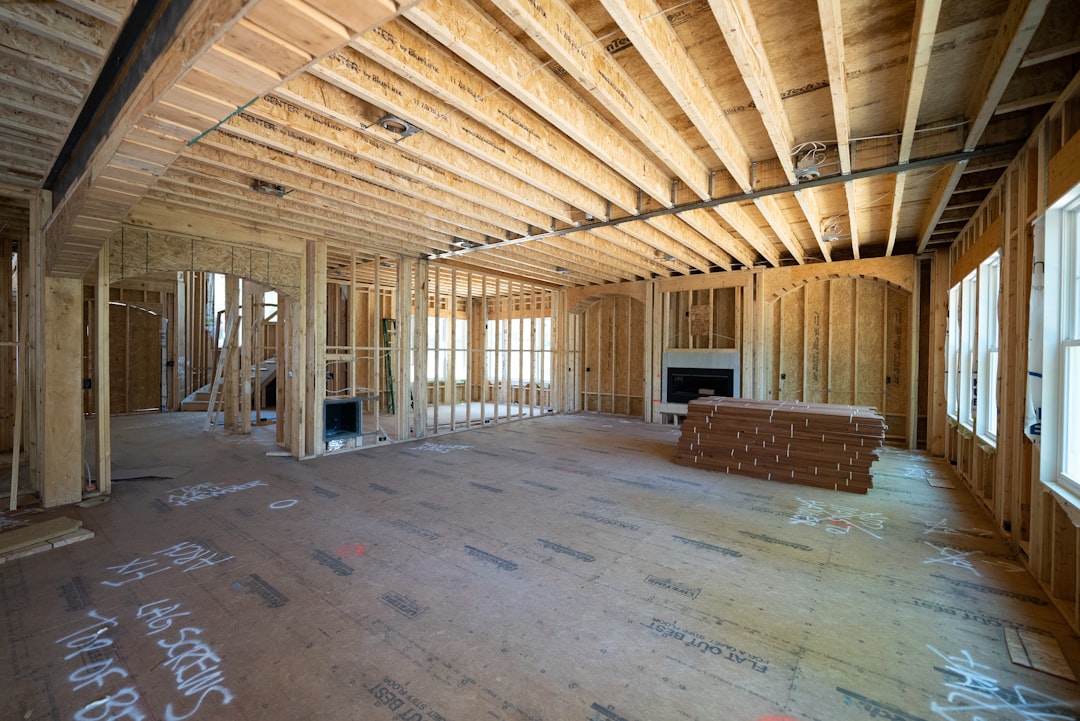
A pre-drywall inspection happens after the framing, plumbing rough-in, electrical rough-in, and HVAC installation are complete but before drywall goes up and conceals everything inside the walls. A licensed home inspector comes in and visually examines the structural components, looks for framing issues, checks that plumbing and electrical rough-in is properly installed, and documents anything that needs correction. It costs roughly $300 to $500 and takes about two hours. You absolutely need one. Once drywall goes up, issues inside the walls are invisible until they become expensive problems. Most builders will allow a licensed inspector on site during this window; confirm the scheduling process with your sales agent when you sign the contract.
Do I Need a Home Inspection on a Brand New House?
Yes, you should get an independent home inspection on a new construction home even though the house is brand new and has passed municipal inspections. Municipal inspections check for code compliance, not quality. An independent inspector evaluates the home from a buyer's perspective and may catch installation issues, drainage problems, grading issues, HVAC calibration problems, or incomplete work that passed code but is not up to quality standards. The cost is $350 to $500 and is worth every dollar. Many buyers skip this step assuming a new home cannot have issues. That assumption has cost Florida buyers thousands of dollars in post-closing repairs.
What Are CDD Fees and How Do They Affect My Payment?
A Community Development District (CDD) is a special taxing district that finances the infrastructure of a new community, including roads, utilities, landscaping, amenity centers, and stormwater systems. The cost of that infrastructure is repaid through annual CDD fees assessed to homeowners, typically for 20 to 30 years. CDD fees in Haines City communities typically range from $1,000 to $3,000 or more per year and are collected through your property tax bill, not your HOA payment. They are not included in your mortgage payment unless your lender specifically sets up an escrow for them, so they can catch buyers off guard at tax time. Always ask the sales agent for the current CDD assessment amount and the remaining term before signing.
What Questions Should I Ask at the Model Home?
The model home visit is your primary information-gathering session, and most buyers spend it admiring the finishes rather than asking the hard questions. Come prepared with a list: What is the base price for this floor plan on a standard lot? What am I looking at that is not standard? What are the current incentives? What is the HOA fee and what does it cover? Is there a CDD? What lenders do you work with and what is the incentive for using your preferred lender? What is the estimated build timeline right now? What is the cancellation and deposit policy? What warranty comes with the home? Write the answers down or record them with the agent's permission. The answers will differ between builders, and having them documented helps you compare.
Is It Better to Buy Early or Late in a New Community?
Buying early in a new community, when the first phase is just opening, often means lower prices and more lot selection. It also means living in a construction zone for potentially two to three years while later phases are built, and the promised amenities (pool, clubhouse, walking trails) may not be completed for years. Buying in a later phase means the community is more established, amenities are likely open, and you can see how the finished product actually looks. However, prices will be higher as the community proves itself in the market. Neither timing is universally better. It depends on your tolerance for construction disruption and your price sensitivity.