What Makes Downtown Plant City Special?
Downtown Plant City is what most Tampa Bay suburbs lack: a real small-city center with genuine character, walkable streets, historic architecture, and locally-owned businesses that have been part of the community for decades. The downtown district, centered along Reynolds Street and the surrounding historic blocks, offers locally-owned restaurants, antique shops, specialty retail, and the restored train depot that serves as the active Amtrak station. For buyers tired of subdivision living surrounded by identical strip malls, downtown Plant City offers something authentically different.
This is not a polished entertainment district like Hyde Park in South Tampa or the Channelside area. Plant City's downtown has the unpretentious feel of a working small city that has been here long before Tampa's suburban expansion reached this far east. That character, which some buyers find exactly right and others find underwhelming, is what distinguishes downtown Plant City from any planned neighborhood development in the region.
What Does Downtown Plant City's Historic District Offer?
The Amtrak Station and Historic Train Depot
Plant City's Amtrak station, housed in the restored historic train depot at the center of downtown, is one of the most distinctive features of the area. The Silver Star and Silver Meteor long-distance trains stop here, offering occasional travel to Orlando, Jacksonville, and destinations along the eastern seaboard without driving to Tampa. The depot building itself is a historic structure that anchors downtown's visual character and reminds residents that Plant City was a thriving agricultural and commercial center long before it was within commuting range of Tampa.
Reynolds Street and the Downtown Core
Reynolds Street is the primary commercial corridor of downtown Plant City, lined with a mix of locally-owned businesses, restaurants, and professional offices in buildings that range from early 1900s to mid-20th century construction. The scale is intimate rather than grand: two-story brick commercial buildings, wide sidewalks, and a walkable block structure that allows residents to move between destinations on foot. On weekday mornings, downtown Plant City has the relaxed pace of a working small-city commercial area, not a tourist destination.
Local Dining and Gathering
Downtown Plant City has a cluster of locally-owned restaurants serving the community. While specific restaurant tenants change over time, the area reliably supports casual dining options that give residents places to eat and gather within walking distance of downtown neighborhoods. Seasonal events, local festivals, and community gatherings use downtown streets and facilities, creating a calendar of community interaction that suburban subdivisions typically lack.
Antique Shops and Specialty Retail
Antique and vintage shops have historically clustered in downtown Plant City, reflecting the community's history and the buying preferences of its established resident base. Whether these represent everyday retail needs or weekend browsing destinations varies by buyer; for buyers interested in antiques or vintage items, downtown Plant City is a genuine destination rather than a detour.
What Are Homes Like Near Downtown Plant City?
Historic In-Town Neighborhoods
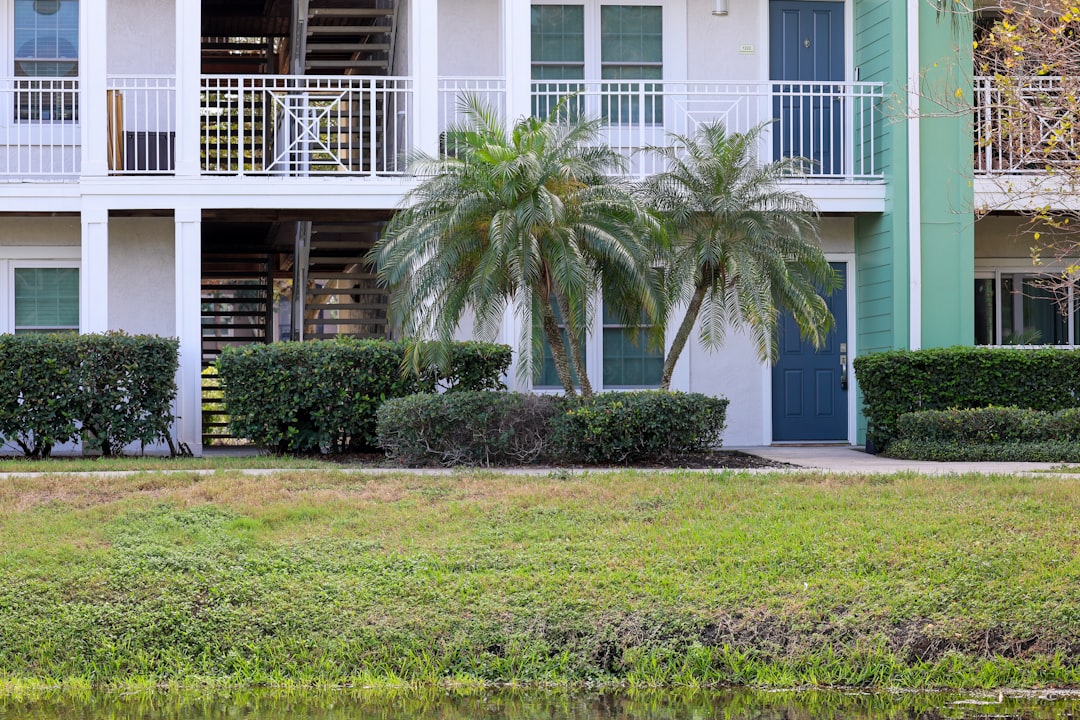
The neighborhoods closest to downtown Plant City feature Florida residential architecture from the 1920s through the 1960s: concrete block and frame construction, often with craftsman details, front porches, mature oak and citrus trees, and the irregular lot sizes and setbacks that distinguish historically platted neighborhoods from modern subdivision uniformity. These homes have character that newer construction cannot replicate and are typically priced lower per square foot than move-in ready suburban alternatives.
Price Ranges Near Downtown
Homes within walking distance of downtown Plant City typically range from $220,000 to $380,000 depending on size, condition, renovation level, and lot configuration. The most affordable properties in this range are older homes needing work: original kitchens and baths, aging mechanical systems, and small footprints by modern standards (often 1,000 to 1,500 square feet). Renovated homes and larger historic properties command the upper range. No HOA is standard in the historic neighborhood fabric immediately surrounding downtown.
System Age and Inspection Considerations
Homes from the 1920s through the 1960s in downtown Plant City's surrounding neighborhoods require careful inspection. Plumbing may include galvanized or cast iron pipes approaching or past end-of-life. Electrical systems in older homes may have original or outdated panels (Federal Pacific and Zinsco panels are insurance red flags in Florida). Roofs on pre-1980 homes need assessment. Concrete block homes from the 1940s through 1960s are structurally sound and hurricane-resistant by construction type, but their systems and finishes require investment. Budget at least $600 to $900 for a thorough inspection plus WDO report before committing to any historic home in this area.
How Does Downtown Plant City Compare to Downtown Options Elsewhere?
| Comparison | Downtown Plant City | Downtown Brandon (commercial) | Downtown Lakeland | Historic Tampa Heights/Seminole Heights |
|---|---|---|---|---|
| Home Entry Price | $220K-$380K | N/A (no real downtown neighborhood) | $280K-$600K+ | $380K-$900K+ |
| Walkability | Moderate (small city scale) | Car-dependent | Moderate-high | High |
| Historic Character | High (1920s-1960s) | Low | High | High |
| Restaurant/Bar Scene | Modest (local-only) | Chain-heavy | Established | Active, growing |
| Tampa Commute | 30-35 min off-peak | 15-22 min | 50-65 min | 5-15 min |
| HOA | None (historic neighborhood) | None (no historic residential) | None typical | None typical |
Who Is Downtown Plant City Right For?
Downtown Plant City living works best for a specific buyer profile: people who genuinely value small-city community identity and historic character over resort-style amenities, buyers who are comfortable with older home systems and the inspection rigor that older homes require, remote workers or Lakeland-area employees who can absorb a 30 to 35 minute Tampa commute when they need to go, and buyers who want the no-HOA freedom of an established urban neighborhood without paying South Tampa or Seminole Heights prices. Plant City's downtown is not right for buyers who want resort-style common areas, move-in ready new construction, or the commercial infrastructure of Brandon or Wesley Chapel.
Investment Perspective on Downtown Plant City Homes
Historic homes near downtown Plant City have shown steady appreciation as eastern Hillsborough County's overall market has grown. The combination of limited supply (historic neighborhoods are by definition built-out), genuine character, and no-HOA freedom creates a distinct buyer pool at resale. Rental demand for downtown-adjacent properties exists from medical workers, Amtrak travelers requiring short-term housing, and tenants who prefer the neighborhood character of older homes over subdivision uniformity. Downtown Plant City homes are not rapid-appreciation plays, but they hold value and attract buyers who are specifically looking for what they offer.
Ready to Find Your Plant City Home?
Barrett Henry is a Broker Associate at REMAX Collective with 23+ years of real estate experience. He knows Plant City and the surrounding I-4 corridor inside and out.
Frequently Asked Questions About Downtown Plant City FL Living
What is there to do in downtown Plant City FL?
Downtown Plant City offers locally-owned restaurants, antique and specialty shops, the historic Amtrak train depot, and community events throughout the year. The Florida Strawberry Festival grounds are nearby. It is a working small-city downtown with genuine local character rather than a tourist entertainment district.
What do homes near downtown Plant City cost?
Homes within walking distance of downtown Plant City range from approximately $220,000 to $380,000, depending on size, condition, and renovation level. Older homes needing work start in the lower range; renovated historic homes and larger properties sit in the upper range. No HOA is standard in the historic neighborhood fabric surrounding downtown.
Is downtown Plant City FL walkable?
Downtown Plant City has moderate walkability at a small-city scale. Residents can walk to the Amtrak station, downtown restaurants, shops, and some professional services. It is not an urban high-walkability environment like Hyde Park or Channelside, but it is substantially more walkable than any standard eastern Hillsborough subdivision.
Does Plant City have an Amtrak station?
Yes. Plant City has an active Amtrak station in the historic train depot at the center of downtown. The Silver Star and Silver Meteor long-distance trains stop here, providing occasional rail access to Orlando, Jacksonville, and points along the eastern seaboard. Service is infrequent (typically once per direction daily) and is not designed for daily commuters.
What should I know before buying a historic home near downtown Plant City?
Prioritize thorough inspection: plumbing (galvanized and cast iron pipes degrade), electrical (older panels are insurance red flags), roof integrity, HVAC condition, and a separate WDO (termite) inspection. Budget $600 to $900 for comprehensive inspections. The reward for finding a sound historic home is character, no-HOA freedom, and pricing typically below comparable newer construction in the area.