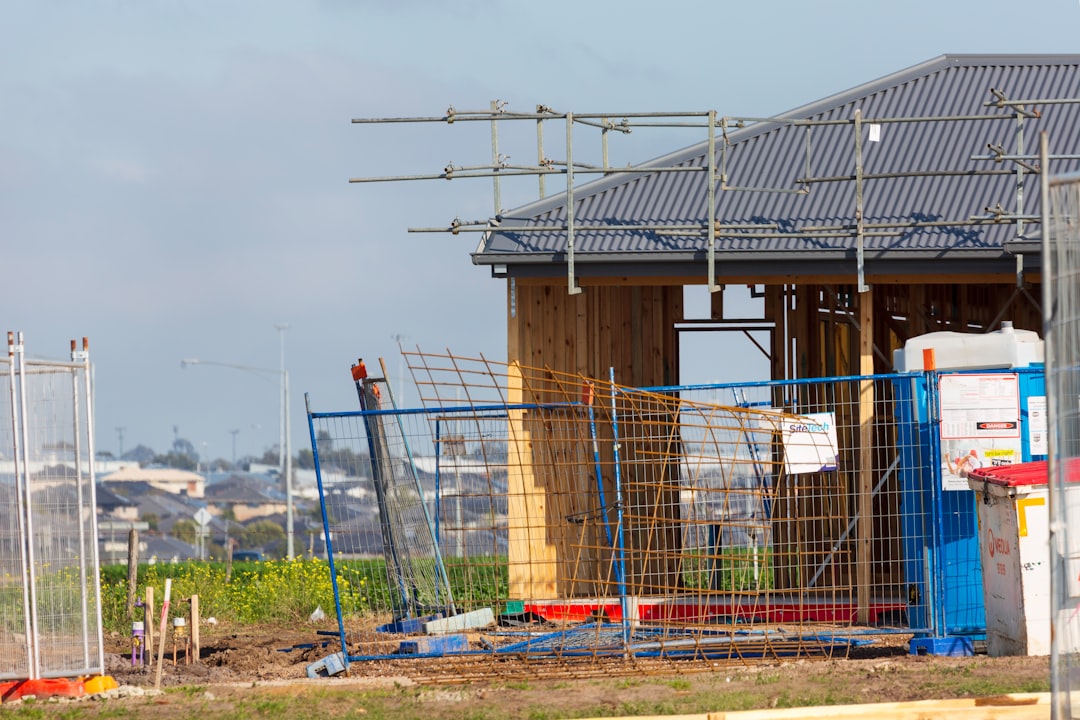
If you're moving to the Tampa Bay area from somewhere up north, one of the first things you'll notice about the housing stock is that almost everything is stucco. Roughly 80% or more of the homes in the Brandon, Riverview, and greater Tampa Bay area have stucco exteriors - and if you've spent your life around vinyl siding, brick, or wood clapboard, stucco can feel unfamiliar. I'm Barrett Henry with REMAX Collective, and I work with a lot of out-of-state buyers who have questions about stucco: Is it durable? What about all those cracks? Should I be worried about moisture? This guide covers everything you need to know about stucco homes in Florida - why it's the dominant exterior material here, what problems to watch for, how much repairs cost, and how to maintain it properly so it lasts.
If you're still early in the buying process and want the full picture of purchasing a home here, start with my first-time home buyer guide for Brandon FL - it walks you through every step from pre-approval to closing day.
Why Stucco Is So Common in Florida
Buyers from the Northeast or Midwest often wonder why Florida didn't build with brick or vinyl siding like they're used to seeing. The answer is that stucco is genuinely the best exterior material for Florida's specific combination of climate, construction methods, and natural threats. It's not just tradition - there are real performance reasons stucco dominates here.
- Hurricane and wind resistance - Stucco applied over concrete block (CBS construction) creates a monolithic exterior shell that handles high winds far better than vinyl siding or wood clapboard. Vinyl panels can be ripped off by hurricane-force winds. Stucco stays put because it's bonded directly to the block wall - there's nothing to peel, flap, or tear away.
- Termite-proof exterior - Florida is one of the worst states in the country for termite activity. Stucco over concrete block gives termites nothing to eat on the exterior. Unlike wood siding or wood-framed walls, there's no cellulose material exposed on the outside of the structure for subterranean or drywood termites to attack.
- Fire resistance - Stucco is essentially a cement-based plaster. It doesn't burn. Combined with concrete block construction, a stucco home provides excellent fire resistance compared to wood-framed, vinyl-sided construction. This matters in Florida, where dry season brush fires and lightning strikes are legitimate concerns.
- Works with concrete block construction - Most Florida homes are built with concrete masonry units (CMU) - what everyone calls concrete block or CBS construction. Stucco is the natural finish material for block walls. It goes on in layers directly over the block, seals the surface, and provides a clean, paintable finish. It's the most cost-effective and proven way to finish a CBS exterior wall.
- Heat and UV tolerance - Florida's intense sun and heat would warp vinyl siding and fade wood rapidly. Stucco handles UV exposure and temperature extremes without significant degradation. With periodic painting, a stucco exterior can last decades in the Florida climate.
- Moisture management - When properly applied and maintained, stucco actually manages Florida's constant moisture exposure well. It's a breathable material that allows wall assemblies to dry, which is important in a climate where humidity rarely drops below 60%.
The bottom line is that stucco over concrete block is the standard Florida building practice because it genuinely outperforms the alternatives in this specific environment. It's not a cheaper substitute for brick - it's the right material for the job.
Types of Stucco Construction in Florida
Not all stucco is the same. There are two main types you'll encounter in Tampa Bay area homes, and they perform very differently. Understanding which type you're looking at matters for inspections, maintenance, and long-term durability.
| Feature | Traditional 3-Coat Stucco (Over CMU/Block) | EIFS / Synthetic Stucco |
|---|---|---|
| Material | Portland cement, sand, lime applied in 3 layers (scratch coat, brown coat, finish coat) over concrete block | Expanded polystyrene (EPS) foam insulation board with synthetic acrylic finish coat over wood-framed or block walls |
| Typical cost per sq ft | $6-$9 per sq ft installed | $8-$12 per sq ft installed |
| Durability | 50-80+ years with proper maintenance; extremely durable over block | 20-30 years; finish coat is thinner and more susceptible to impact damage |
| Moisture risk | Low to moderate - cracks allow water entry, but block wall is somewhat moisture-tolerant | High - water that penetrates the synthetic skin gets trapped behind the foam, causing hidden rot and mold in wood-framed walls |
| Common era | 1950s-present; dominant in Florida residential construction across all decades | 1980s-2000s; popular in commercial and some residential, especially higher-end homes and condos |
| Inspection concern | Cracking patterns, paint condition, weep screeds at base | Moisture intrusion behind the system, sealant failure around windows and penetrations, delamination of finish coat |
The vast majority of homes you'll look at in the Brandon, Riverview, and Valrico areas are traditional 3-coat stucco over concrete block. This is the standard and the most reliable system. EIFS (Exterior Insulation and Finish Systems), sometimes called "synthetic stucco" or "Dryvit" (a brand name), was used on some homes - particularly in the 1990s and 2000s - and has a significantly higher risk profile for moisture problems, especially on wood-framed walls. If a home has EIFS, a specialized moisture inspection is strongly recommended before purchase.
Common Stucco Problems and What They Mean
Every stucco home in Florida will develop some issues over time. The key is knowing which problems are cosmetic nuisances and which ones signal serious structural or moisture concerns. Here are the most common stucco problems I see in Tampa Bay area homes, along with severity levels to help you prioritize.
Hairline Cracks
Severity: Low. Hairline cracks - thin, random, surface-level cracks less than 1/16 inch wide - are the most common stucco issue and the one that alarms out-of-state buyers the most. These are almost always cosmetic. They result from normal shrinkage as stucco cures, minor thermal expansion and contraction, and the natural settling that every structure goes through. You'll find them on virtually every stucco home in Florida that's more than a few years old. They don't indicate structural problems. That said, even hairline cracks should be sealed during regular maintenance because over time, water can work its way through small openings and accumulate behind the stucco.
Structural Cracks
Severity: High. Cracks wider than 1/8 inch, cracks that run vertically from the roofline down, or cracks that appear suddenly and grow over time are a different story. These can indicate foundation settlement, soil movement, or structural stress in the block wall beneath the stucco. Structural cracks are especially concerning if they're accompanied by doors or windows that no longer close properly, visible separation between the wall and the ceiling or floor, or uneven floors. If you see wide, growing cracks during a showing or inspection, that home needs a structural evaluation before you proceed.
Stair-Step Cracks
Severity: Moderate to High. Stair-step cracks follow the mortar joints of the concrete block wall beneath the stucco, creating a zigzag or staircase pattern. These cracks indicate that the block wall itself is cracking along the mortar lines - not just the stucco surface. Common causes include differential settlement (one part of the foundation settling more than another), expansive soil movement, or in some cases, sinkhole activity. Stair-step cracks always warrant further investigation. At minimum, a structural engineer should evaluate the cause and determine whether the cracking is stable (old, not progressing) or active (getting worse).
Water Intrusion
Severity: High. Water intrusion through stucco is one of the most expensive problems in Florida homes because the damage is often hidden behind the exterior walls for years before it becomes visible inside the house. Water typically enters through cracks, failed caulking around windows and doors, improper flashing, or missing weep screeds at the base of the wall. Once water gets behind the stucco, it can saturate the block, corrode any embedded metal, damage interior drywall, and create conditions for mold growth. Signs of water intrusion include interior staining near windows, bubbling or peeling paint on interior walls, musty odors, and visible moisture on the interior side of exterior walls.
Efflorescence
Severity: Low to Moderate. Efflorescence is that white, chalky, crystalline deposit you sometimes see on stucco surfaces. It's caused by water migrating through the stucco or block, dissolving mineral salts, and depositing them on the surface as the water evaporates. Minor efflorescence is cosmetic and can be cleaned off with a mild acid wash. However, persistent or widespread efflorescence means water is regularly moving through the wall system - which is the real problem. The efflorescence itself isn't the issue; it's the moisture causing it that needs to be addressed.
Stucco Separation and Delamination
Severity: Moderate to High. Stucco separation occurs when the stucco layer pulls away from the underlying block wall or lath. You can sometimes detect this by tapping on the stucco surface - a hollow sound instead of a solid thud indicates the stucco has delaminated. Causes include poor initial application, moisture behind the stucco, freeze-thaw cycles (less common in Tampa Bay but possible during cold snaps), and age-related deterioration of the bond. Separated stucco needs to be removed and reapplied. If you leave it, water will pool behind the separated areas and accelerate deterioration of both the stucco and the underlying wall.
Mold Growth on or Behind Stucco
Severity: Moderate to High. Florida's humidity makes mold a constant concern. On the exterior surface, mold and mildew growth (green or black discoloration) is largely cosmetic and can be addressed with pressure washing and proper drainage away from the walls. The more serious issue is mold growth behind the stucco, which develops when water intrusion creates a persistently damp environment inside the wall cavity. Interior mold resulting from stucco moisture problems can be a health hazard and is expensive to remediate because it typically requires removing sections of stucco and interior drywall to access and treat the affected areas.
Inspecting Stucco When Buying a Home
If you're buying a stucco home in Florida - which means you're buying almost any home in Florida - the inspection process needs to include a thorough evaluation of the stucco system. Here's what a competent inspector should be checking and what you should be watching for yourself during showings.
- Moisture meter readings - A good inspector will use a non-invasive moisture meter to take readings at multiple points around the exterior, especially beneath windows, around doors, at corners, and near the base of walls. Elevated moisture readings indicate water is getting behind the stucco even if there's no visible damage. If initial readings are concerning, an invasive moisture test (small probes inserted into the wall) may be recommended to confirm the extent of the problem.
- Crack pattern analysis - Not all cracks are equal. The inspector should document the location, width, direction, and pattern of any cracks. Hairline random cracks are cosmetic. Diagonal cracks at window corners, stair-step cracks, and wide vertical cracks need further evaluation. The pattern tells the story - isolated hairline cracks say "normal aging," while systematic cracking patterns say "something is moving."
- Staining and discoloration - Water stains, dark streaks running down the exterior wall below windows or penetrations, and discolored patches can all indicate chronic moisture problems. Look especially at the areas below windowsills, where wall-mounted fixtures penetrate the stucco, and at transitions between different materials (stucco meeting a roofline, stucco meeting a soffit).
- Window and door sealing - The joints where windows and doors meet the stucco are the most common entry points for water. The inspector should check that caulking is intact, that flashing is properly installed, and that there are no gaps between the frame and the stucco. Failed sealant around windows is the number-one cause of moisture intrusion through stucco walls.
- Weep screeds and base condition - The bottom edge of the stucco wall should have a weep screed - a metal strip that creates a gap between the stucco and the foundation to allow moisture to drain out. If the weep screed is buried by soil, mulch, or concrete, water has no way to escape the wall system. Check that there's visible clearance between the bottom of the stucco and the ground.
- Tap testing - Tapping on the stucco surface with a plastic or rubber mallet can reveal areas where the stucco has separated from the block. A solid sound means good adhesion; a hollow sound means the stucco has delaminated and may need to be removed and reapplied.
For a complete breakdown of every inspection type you'll need when buying in Florida, including how stucco evaluation fits into the broader inspection process, see my Florida home inspection checklist.
Stucco Repair Costs in Tampa Bay
Understanding repair costs helps you evaluate inspection findings and negotiate effectively. Here's what stucco repairs typically cost in the Tampa Bay market.
| Repair Type | Typical Cost | What's Involved |
|---|---|---|
| Hairline crack repair | $200-$500 | Filling cracks with elastomeric caulk or stucco patch, repainting affected area. DIY-friendly for homeowners comfortable with basic exterior work. |
| Section patching | $500-$2,000 | Removing damaged stucco in a localized area, reapplying stucco in layers, texturing to match existing surface, and painting. Common for areas around windows, corners, or isolated damage. |
| Full re-stucco | $8-$15 per sq ft ($12,000-$25,000 for a typical home) | Complete removal of existing stucco, inspection and repair of underlying block, new wire lath if needed, full 3-coat stucco application, and painting. Usually only necessary on older homes with widespread failure. |
| Water damage remediation | $5,000-$20,000+ | Stucco removal in affected areas, drying and treating the block and any wood framing, mold remediation if present, waterproofing, stucco reapplication, and interior repairs if water reached inside. Cost varies dramatically based on extent of damage. |
| EIFS repair/replacement | $10-$20 per sq ft | Removal of damaged EIFS panels, moisture barrier repair or installation, new EPS foam and synthetic finish. Higher cost due to specialized labor and materials. |
| Caulk and sealant replacement (all windows/doors) | $500-$1,500 | Removal of old caulking around all windows and doors, cleaning joints, and applying new elastomeric sealant. Should be done every 5-7 years as preventive maintenance. |
These costs are important context during negotiations. If the inspection reveals $2,000 in stucco patching needs, that's a reasonable repair credit request. If it reveals $15,000 in water damage remediation behind failing stucco, that's a different conversation - and potentially a reason to reconsider the purchase unless the seller is willing to address it or adjust the price significantly.
Stucco Maintenance for Florida Homeowners
Stucco is low-maintenance compared to wood siding, but it isn't no-maintenance. The difference between a stucco exterior that lasts 50+ years and one that causes $20,000 in water damage comes down to consistent, basic upkeep. Here's what every Florida stucco homeowner should be doing.
- Annual visual inspection - Walk the perimeter of your home once a year (I recommend doing it before hurricane season in June) and look for new cracks, staining, separation, or areas where the paint is bubbling or peeling. Pay extra attention to areas around windows, doors, corners, and any wall-mounted fixtures or penetrations. Catching small cracks early and sealing them prevents the water intrusion that causes expensive damage later.
- Pressure washing every 1-2 years - Florida's humidity promotes mold, mildew, and algae growth on stucco surfaces. A gentle pressure wash (1,500-2,000 PSI maximum - higher pressure can damage the stucco surface) removes buildup and keeps the exterior looking clean. Avoid directing the spray upward under soffits or into weep screeds, as this forces water into the wall system.
- Repainting every 5-7 years - Paint is your stucco's first line of defense against water intrusion. Florida's UV exposure and rain degrade paint faster than in cooler, drier climates. When the paint starts chalking, fading unevenly, or peeling, it's time to repaint. Use a high-quality 100% acrylic exterior paint that's designed for masonry - it flexes with the stucco and provides a more durable moisture barrier than standard exterior paints. A full exterior repaint on a typical Tampa Bay home runs $3,000-$6,000.
- Seal cracks promptly - When you spot cracks during your annual inspection, seal them with an elastomeric caulk designed for stucco. This flexible sealant accommodates the ongoing expansion and contraction that caused the crack in the first place. Don't use rigid fillers - they'll just crack again. For anything wider than about 1/4 inch, call a stucco contractor to evaluate before you patch.
- Keep sprinklers away from walls - This is one of the most common and most preventable causes of stucco moisture problems in Florida. Irrigation systems that spray directly onto the stucco exterior - or even splash repeatedly against the base of the wall - drive water into every small crack and opening. Walk your sprinkler zones when they're running and make sure no heads are hitting the house. Adjust or redirect any that are. I see this problem on probably 30% of the homes I tour.
- Maintain drainage and clearance at the base - Keep soil, mulch, and landscaping at least 6 inches below the bottom of the stucco and the weep screed. When soil or mulch builds up against the stucco, it traps moisture against the wall and can wick water up into the block. It also buries the weep screed, eliminating its ability to drain moisture from inside the wall.
- Check caulking around windows and doors annually - Window and door sealant is a wear item in Florida. UV exposure and thermal cycling degrade caulking over time. If the caulk is cracked, pulling away from the frame, or missing in spots, reseal it. A tube of quality elastomeric sealant costs $8, and 30 minutes of your time can prevent thousands in water damage.
Stucco vs. Other Exterior Materials - Comparison
For buyers coming from other states or comparing different types of construction, here's how stucco stacks up against the other exterior materials you might encounter in the Florida market.