Tampa Bay homeowners are finally seeing relief on insurance costs after three years of crisis. Average annual renewal increases dropped from 20-40% in 2022-2023 to 5-8% in 2025-2026. Private carriers re-entered the Florida market. Citizens Property Insurance reduced its policy count. Premiums are still high by national standards, but the direction changed. Here is exactly what Tampa Bay homeowners are paying, what drives their costs, and the specific steps to reduce them.
What Are Tampa Bay Homeowners Actually Paying for Insurance in 2026?
Hillsborough County Average Costs
The median homeowners insurance premium for a Hillsborough County single-family home in 2026 runs $3,200-$4,500/year. That range covers a broad middle: 1,500-2,500 sq ft, built 2000-2015, average condition, Zone X flood. Homes under 2000 sq ft built after 2015 with a hip roof and impact windows can come in under $2,800. Older homes in higher-risk areas can hit $6,000-$8,000+.
The most expensive zip codes in Hillsborough are coastal and near-coastal: Apollo Beach, Ruskin, and areas adjacent to Tampa Bay or the Hillsborough River in flood zones. The most affordable: inland suburban areas of Brandon, Valrico, Wesley Chapel, and Land O Lakes, where flood risk is lower and home ages skew newer.
Pinellas County: The Most Expensive Market
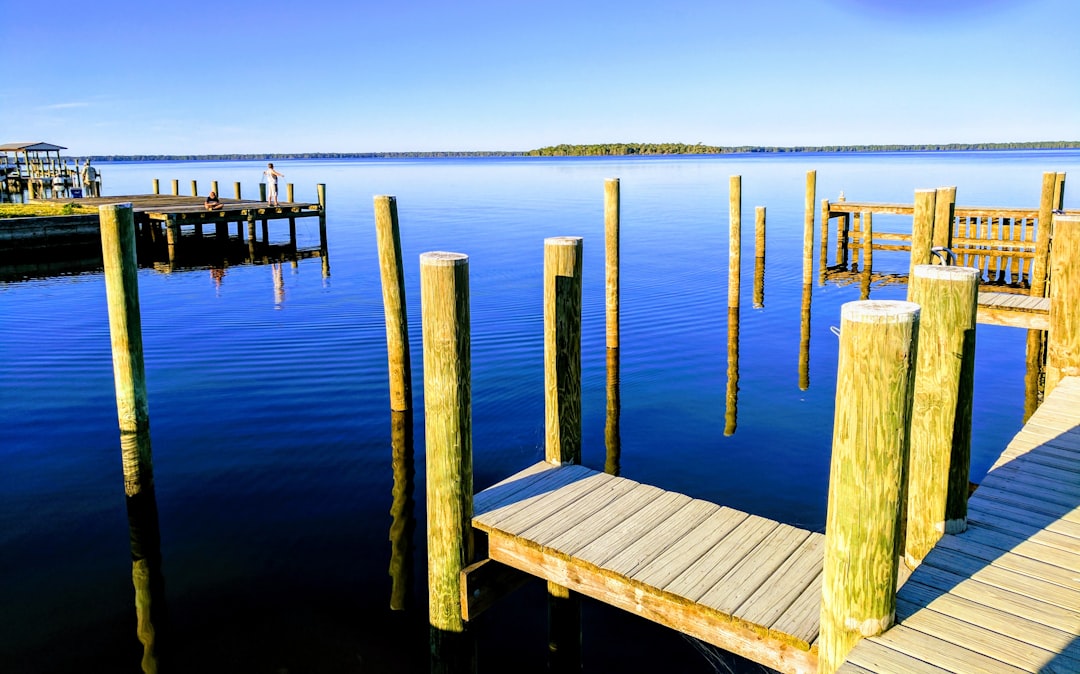
Pinellas County homeowners pay more than any other county in the Tampa Bay metro. The county is a peninsula with water on three sides: Tampa Bay, the Gulf of Mexico, and the Intracoastal Waterway. Coastal proximity, storm surge exposure, and the concentration of older housing stock drive premiums. Average annual costs for a standard single-family home: $4,000-$7,500. Beachfront properties in St. Pete Beach, Treasure Island, or Clearwater Beach regularly exceed $10,000/year.
The saving grace in Pinellas: many older concrete block homes qualify for good wind mitigation discounts because of construction type, and some have been retrofitted with impact windows. Elevation certificates can also dramatically change flood insurance costs in Pinellas. A property at +2 feet above base flood elevation pays significantly less than a property at base flood elevation.
Pasco County: The Inland Advantage
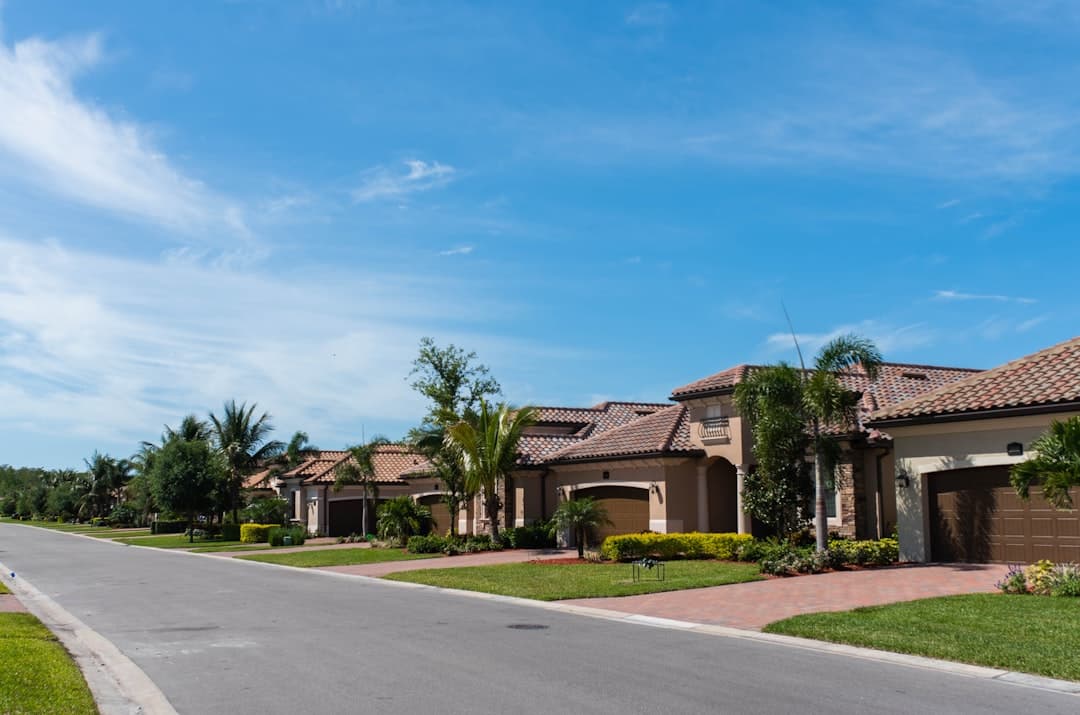
Pasco County homeowners benefit from inland location and a high proportion of newer construction. Communities like Wesley Chapel (Epperson, Wiregrass Ranch, Starkey Ranch), Zephyrhills, and Land O Lakes have a majority of homes built after 2001. Post-2001 construction in Florida was built to significantly stronger hurricane codes. Average annual premiums in Pasco: $2,400-$4,000. New construction in Wesley Chapel often comes in at $2,200-$3,200 for the first several years with a new roof and full code compliance.
Manatee and Sarasota Counties
Manatee County ranges from $3,000-$6,500 for most residential properties. Parrish (inland, mostly newer construction) runs $2,500-$4,000. Bradenton areas near the bay run higher. Anna Maria Island is extremely expensive, with many properties paying $12,000-$20,000+/year. Sarasota County follows similar patterns: Venice Island and Siesta Key are the most expensive markets. Inland areas like North Port, Venice proper (not the island), and Wellen Park run $3,000-$5,500 for newer homes.
What Are the Biggest Factors That Drive Your Premium Up?
Roof Age and Type
Roof age is the most powerful premium driver in Florida. Many carriers will not renew policies on roofs over 15 years old, and some now require roofs under 10 years old for new policies. The message is clear: aging roofs are an existential risk for Florida insurability. Beyond age, roof shape matters. Hip roofs (four sloped sides) perform better in wind events and qualify for lower premiums than gable roofs (two sloped sides with vertical triangles at each end). If your home has a gable roof, adding a hip end conversion is expensive but can lower premiums.
Opening Protection
Hurricane shutters, impact-resistant windows, and impact-rated garage doors all reduce the risk of pressure failure during a hurricane. Pressure failure, not wind alone, is often what destroys a home in a hurricane. Insurance carriers reward homes with full opening protection. The discount can be 10-20% of your annual premium. Upgrading to impact windows costs $15,000-$35,000 for a typical Tampa Bay home, but the insurance savings, energy efficiency, and noise reduction often justify the investment over a 10-15 year horizon.
Flood Zone Designation
Being in Zone AE instead of Zone X can add $1,500-$5,000/year in required flood insurance (separate policy) on top of your homeowners policy. FEMA's Risk Rating 2.0 repriced many policies, and remapping is ongoing. Before buying a home, check the FEMA flood map and request the elevation certificate if one exists. An elevation certificate showing the building is significantly above base flood elevation can dramatically reduce NFIP premiums.
Home Age and Construction Type
Concrete block (CBS) construction is the standard in Florida and is preferred by insurers over wood frame. Most Florida homes built after 1970 are CBS. Homes with documented hurricane straps connecting the roof frame to the wall structure qualify for additional discounts. Newer construction (post-2001) built under the Florida Building Code is significantly more wind-resistant than pre-2001 construction and receives lower premiums across all carriers.
What Carriers Are Writing Policies in Tampa Bay in 2026?
Carriers That Returned or Expanded After Reform
The reform bill's success attracted carriers back to Florida. Slide Insurance grew substantially, now covering tens of thousands of former Citizens policyholders. Kin Insurance, which uses technology-driven underwriting, has expanded its Florida footprint. SafePoint, SageSure, and Ovation Home Insurance also increased Florida writings. Demotech, the primary rating organization for Florida regional carriers, rates many of these companies. A Demotech-rated A or A+ carrier is generally considered financially stable for Florida purposes.
National Carriers: Limited but Present
National carriers (Allstate, Nationwide, State Farm) significantly reduced Florida exposure over the past decade. State Farm stopped writing new homeowners policies in Florida, though it still services existing policyholders. Some national subsidiaries remain active in certain markets. When national carriers quote Florida, they are often competitive on well-maintained, newer homes in lower-risk zones.
How to Shop Effectively
Use an independent insurance agent who represents multiple carriers, not a captive agent tied to one company. Request quotes from at least 3-5 carriers. Provide your wind mitigation report upfront to get accurate quotes. Compare apples-to-apples: same dwelling coverage, same deductibles, same hurricane deductible percentage (typically 2-5% of dwelling coverage). A $200 cheaper policy with a 5% hurricane deductible versus a 2% deductible on a $400,000 home means your out-of-pocket could be $12,000 more in a claim. Read the deductibles carefully.
How Much Can You Actually Save by Reducing Your Premium?
New Roof: The Biggest Single Action
A new roof on a typical Hillsborough County home (1,800 sq ft, 25-square roof) costs approximately $12,000-$22,000 installed, depending on material and contractor. The insurance premium reduction: $1,200-$2,500/year in many cases. At $1,500/year savings, payback on a $15,000 roof is 10 years from insurance savings alone. Add in storm damage prevention, avoiding carrier non-renewal, and increased resale value, and the case for proactive roof replacement is strong for homes approaching 12-15 years.
Wind Mitigation Inspection: Best ROI
Cost: $75-$150. Potential savings: $500-$3,000/year. Payback: immediate, in the first year. Every Tampa Bay homeowner who has not had a wind mitigation inspection in the past 5 years should schedule one immediately. The inspector documents 8 wind mitigation features: roof covering type, roof deck attachment, roof-to-wall connection, roof geometry (hip vs. gable), secondary water resistance, opening protection type, and wind-borne debris region designation. Each documented feature earns a discount multiplier. Homes that score well across all 8 categories can see 30-50% premium reductions.
Elevation Certificate for Flood Insurance
If you pay for flood insurance and do not have an elevation certificate, get one. A licensed surveyor charges $200-$500 for a residential elevation certificate. If your home's lowest finished floor is significantly above base flood elevation, your flood insurance premium could drop by $500-$2,000/year. The elevation certificate is a one-time cost; the savings are annual.
Insurance Considerations When Buying a Tampa Bay Home
Insurance cost is now a standard part of every buyer's financial analysis in Tampa Bay. A home priced at $350,000 in Pinellas County coastal zone with a 15-year roof and flood insurance could carry $8,000-$12,000/year in combined insurance costs, adding $667-$1,000/month to the effective payment. That same $350,000 home in inland Brandon with a 5-year roof, Zone X, and no flood requirement might carry $2,800-$3,500/year, or $233-$292/month. The $700+/month difference is equivalent to the payment difference on $100,000+ in mortgage principal.
Barrett reviews insurance costs as part of every buyer consultation. Before making an offer, request the current declarations page from the seller to see what they are paying. Then get your own insurance quote before closing, not after. Insurance surprises after contract are one of the most common deal disruptions in Tampa Bay real estate.
Frequently Asked Questions: Tampa Bay Homeowners Insurance 2026
Why is Florida homeowners insurance so much more expensive than the national average?
Florida's combination of hurricane exposure, litigation history, and reinsurance costs pushed premiums to 2-3 times the national average. The state has had more property insurance lawsuits than all other states combined. The 2022 SB 2-A reform addressed the litigation problem but premiums lag the reform's effects by 18-36 months. Coastal exposure to Category 4-5 storms also means reinsurance costs are permanently higher than inland states.
Should I get flood insurance if I am in Zone X in Tampa Bay?
Zone X is considered low-to-moderate risk, and flood insurance is not required by lenders. However, 20-25% of flood claims nationally come from outside high-risk flood zones. After Hurricane Milton in 2024, many Zone X properties near the Alafia River flooded. For the $500-$1,000/year NFIP Zone X premium, the protection against a tail risk is worth serious consideration, especially in low-lying areas or near drainage channels.
What is the Citizens Property Insurance depopulation program?
Florida's Citizens Property Insurance grew to 1.4 million policies by 2022 as private carriers exited. The depopulation program incentivizes private carriers to take Citizens policies off the state's books. Citizens policyholders can be "assumed" by a private carrier if the private carrier's rates are within 20% of Citizens. By 2026, Citizens shed over 400,000 policies. If you receive an assumption offer, compare rates carefully and review the private carrier's Demotech rating before accepting.
What is a hurricane deductible and how does it work in Florida?
Florida homeowners policies have a separate hurricane deductible, expressed as a percentage of dwelling coverage (typically 2%, 5%, or 10%). On a $400,000 dwelling coverage policy, a 2% hurricane deductible means you pay the first $8,000 out of pocket on any hurricane-related claim; a 5% deductible means $20,000 out of pocket. Hurricane deductibles apply when a named storm impacts your area, not just when your area takes a direct hit. Higher deductibles lower your annual premium but increase your exposure. Match your deductible to what you can afford to pay in a worst-case scenario.
Can insurance costs affect my mortgage approval in Tampa Bay?
Yes, directly. Lenders require proof of homeowners insurance before closing, and the annual premium is divided by 12 and added to your monthly payment calculation for debt-to-income ratio purposes. If insurance costs are $8,000/year, that is $667/month added to your DTI calculation. High insurance costs in certain Tampa Bay markets (coastal Pinellas, older Tampa neighborhoods) can push buyers out of qualification for their target price range. Always get an insurance quote before making an offer in high-cost insurance zones.