Quick Answer
How do I know if solar panels on a Florida home are leased or owned?
Search floridaucc.com (Florida Secured Transaction Registry) for UCC-1 filings under the homeowner's name. If there is a filing mentioning solar, photovoltaic, or energy equipment, the panels are likely leased or financed. Owned panels free and clear will not have a UCC-1 filing. Always request the solar company's documents from the seller before making an offer.
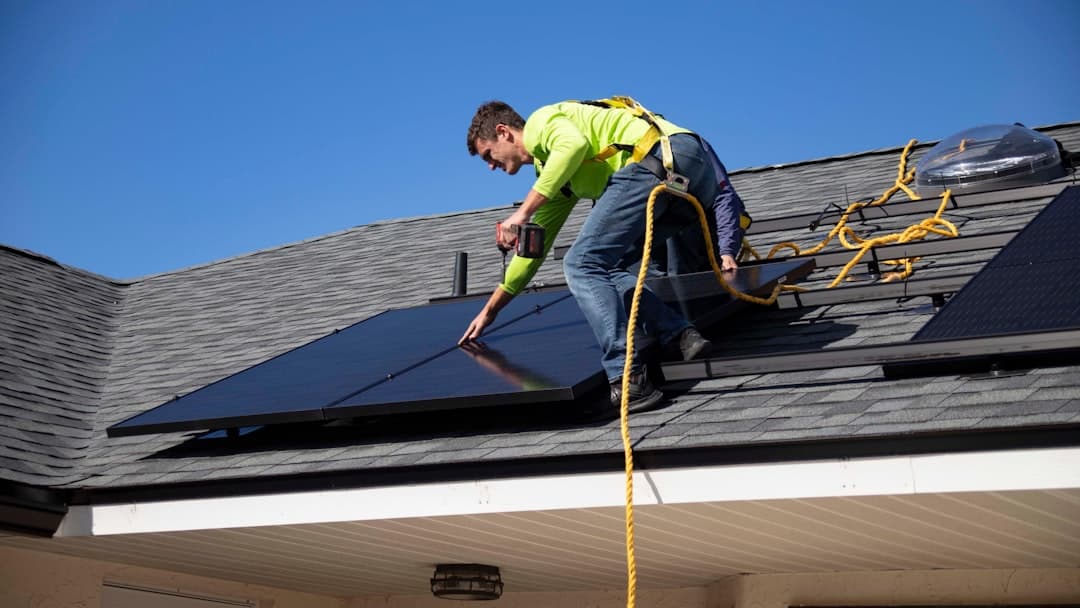
Solar panels are showing up on more Tampa Bay homes every year, driven by Florida's sunshine and the rising cost of electricity from Duke Energy and TECO. But there is a critical distinction every buyer needs to understand before making an offer on a home with solar: owned panels versus leased panels. Getting this wrong can cost you thousands of dollars or kill your financing at the closing table.
I have walked buyers through solar panel complications on dozens of transactions over the years. The short version: do your homework on solar early in the process, not the week before closing.
Why Does It Matter Whether Solar Panels Are Owned or Leased?
Owned Solar Panels
If the seller owns the panels outright (paid cash or paid off the loan), they convey with the property at sale like any other fixture. No lease to transfer, no monthly payment to inherit, no solar company approvals needed. The panels are yours. The only consideration is their age, condition, and whether the system is still under any manufacturer warranty.
Leased Solar Panels or Power Purchase Agreements (PPAs)
Leased solar panels belong to the solar company. You are not buying panels; you are buying a home that happens to have solar equipment on its roof that belongs to someone else. When you purchase the home, you are either:
- Assuming the remaining lease term (often 20 to 25 years of monthly payments)
- Paying off the lease at closing (the buyout amount is built into the transaction)
- Asking the seller to pay off the lease before closing (negotiated into the purchase price)
A power purchase agreement (PPA) works differently: you pay the solar company for the electricity the system generates at a set per-kilowatt-hour rate rather than a flat monthly lease payment. PPAs also transfer with the home and also require solar company approval of the new buyer.
How to Check for Solar Liens in Florida Before Making an Offer
Step 1: Search floridaucc.com
The Florida Secured Transaction Registry at floridaucc.com records UCC-1 financing statements. When a solar company leases or finances panels, they typically file a UCC-1 under the property owner's name listing the solar equipment as collateral. Search the current seller's full legal name. A filing referencing solar, photovoltaic, or energy equipment confirms a leased or financed system.
Step 2: Request Seller's Solar Documents
Ask the seller (through your agent) to provide all solar-related documents: the lease or PPA agreement, the system monitoring login, warranty information, and any correspondence with the solar company about the home sale. Review the lease term, monthly payment, annual rate escalators, and the lease buyout provision. Most solar leases allow buyout at any time, but the buyout price may be substantial.
Step 3: Confirm the System's Production and Monitoring
Leased and owned systems both connect to monitoring portals (SolarEdge, Enphase, SunPower, etc.) that track energy production. Request access to at least 12 months of production data to verify the system is performing as expected. A system that is not producing should be flagged as a negotiating issue and inspected by a solar technician.
Step 4: Title Search
Your title company will search for recorded liens including solar-related UCC filings and PACE (Property Assessed Clean Energy) loans. PACE loans are particularly important: unlike UCC filings, PACE financing is attached directly to the property and recorded in the county property records as a special assessment. PACE loans from companies like Ygrene, HERO, or FHA PowerSaver run with the land and must be addressed at closing.
What Is a PACE Loan and Why Is It Different from a Solar Lease?
PACE (Property Assessed Clean Energy) loans are a specific type of financing where improvements including solar panels, HVAC systems, insulation, and storm windows are financed through the property tax bill. The balance is secured as a first-lien special assessment that supersedes the mortgage.
This matters to buyers for two reasons:
- PACE liens survive a property sale and cannot be ignored. The new owner inherits the outstanding balance, which continues to appear as a special assessment on the annual property tax bill until paid off.
- PACE liens are senior to the mortgage lender. Most conventional and FHA mortgage lenders require PACE liens to be paid off at closing before they will fund the loan. Verify whether any PACE balance exists by checking the Hillsborough County, Pinellas County, or Pasco County property appraiser record for special assessments.
How Do Solar Panel Agreements Affect Your Mortgage?
| Solar Setup | Impact on FHA Loan | Impact on Conventional | Impact on VA Loan |
|---|---|---|---|
| Owned, paid off | No impact | No impact | No impact |
| Solar loan (financed) | Must be paid off or subordinated | Subordination letter required | Payoff or subordination |
| Solar lease (leased) | Lease transfer or payoff required | Subordination required | VA-specific approval needed |
| PPA (power purchase) | Transfer or payoff required | Subordination required | Review needed |
| PACE loan | Must be paid off at closing | Must be paid off at closing | Must be paid off at closing |
What Should You Negotiate When Buying a Home with Leased Solar?
The key negotiating point is who pays the lease buyout, if a buyout is desired. Here are the common scenarios: