Last Updated: | Written by Barrett Henry, REMAX Collective | Madeira Beach, FL 33708
Why Madeira Beach Is One of Pinellas County's Best-Kept Secrets in 2026
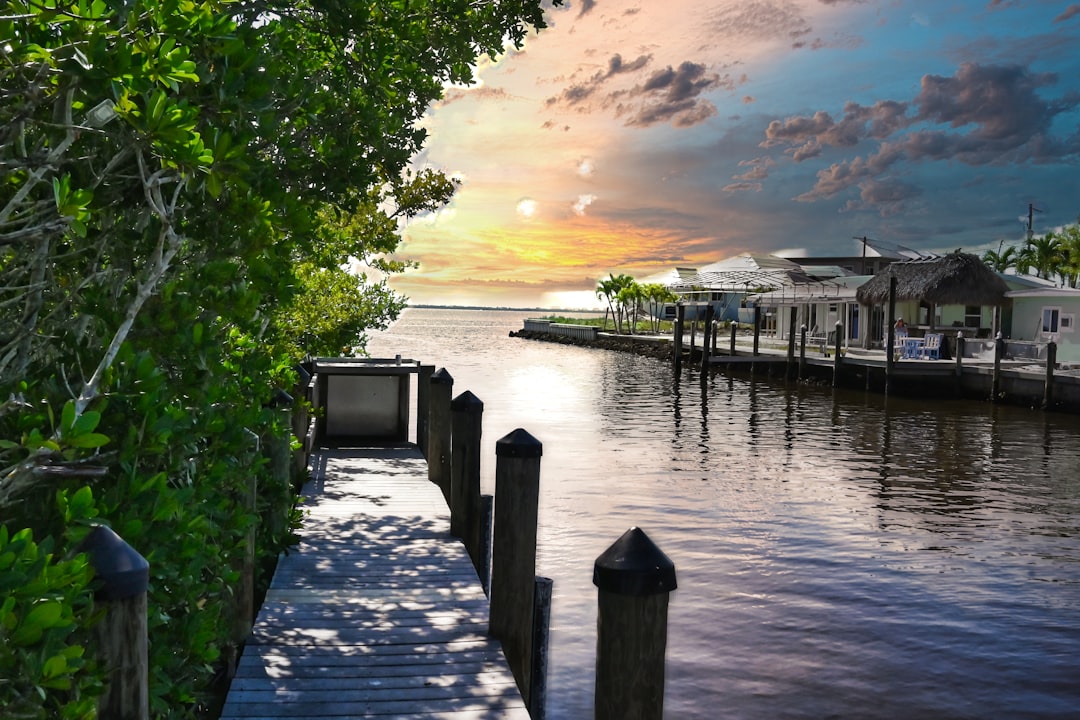
Most people who visit Madeira Beach for the first time say the same thing: "Why have I never been here before?" That reaction makes sense. Sandwiched between Treasure Island to the south and Redington Shores to the north, Madeira Beach doesn't get the same marketing muscle as some of its neighbors — and the locals are mostly fine with that. This is a small, tightly knit barrier island community with about 4,500 full-time residents, a fiercely independent spirit, and Gulf of Mexico sunsets that belong on a postcard.
What makes Madeira Beach stand out from other Pinellas County beach towns in 2026 is the combination of authentic character and real investment potential. You get an island that still feels lived-in — not over-developed, not turned entirely into a tourist machine — while also sitting inside one of the hottest short-term rental markets in the Tampa Bay region. John's Pass Village remains a genuine community anchor. The fishing charter boats still leave before sunrise. Neighbors actually know each other's names.
From a real estate standpoint, Madeira Beach offers something increasingly rare: entry points that are still accessible on the lower end of the Gulf beach market, combined with waterfront and Gulf-front properties that command premium prices with legitimate reason. The island sits roughly 25 miles west of Tampa and about 10 miles from downtown St. Petersburg, making it genuinely commutable for people who work on the mainland but want to wake up to the sound of the Gulf every morning.
Access to the island runs through two main causeways — the Tom Stuart Causeway (SR-666) and the Welch Causeway — which connect Madeira Beach to the mainland via Seminole and St. Pete Beach respectively. Traffic on these bridges can back up on peak weekends, but day-to-day commuting is manageable for most residents. If you're seriously considering buying here, start with the Madeira Beach real estate overview and then dig into the neighborhood guide to understand the distinct character of each part of the island.
The 2026 market reflects continued demand from buyers relocating from out of state — particularly from the Northeast and Midwest — along with strong local move-up buyer activity. Inventory has tightened since the post-hurricane rebuilding wave of 2024-2025. Buyers who waited are now competing more aggressively for well-priced properties. See the latest numbers in the Madeira Beach housing market report and the 2026 market update.
John's Pass Area — The Heart of Madeira Beach
If there's one place on this island that defines Madeira Beach for most people, it's John's Pass Village and Boardwalk. This historic fishing village sits on the southern tip of the island at the inlet that separates Madeira Beach from Treasure Island to the south. The Pass itself was formed by a hurricane in 1848, and the boardwalk-style commercial district that grew up around it has become one of the most recognizable landmarks on the entire Gulf Coast of Florida.
From a real estate perspective, properties near John's Pass carry a specific premium — and for good reason. The walkability factor here is essentially unmatched anywhere else on the island. Residents within a few blocks can walk to restaurants, tiki bars, kayak rentals, dolphin watching tours, live music, seafood markets, and the beach itself. For short-term rental investors, that walkability translates directly into occupancy rates and nightly rates that outperform the island average.
What the Real Estate Looks Like Near John's Pass
The residential streets just north of the John's Pass commercial district — primarily in the southern third of the island — include a mix of single-family homes, older duplex structures, and newer townhome builds. Lot sizes are modest by inland standards, typically 50x100 feet or similar. Many of these properties have been substantially renovated or rebuilt over the last decade, particularly after significant storm activity in the region.
Expect to pay $500K to $850K for a well-maintained single-family home within comfortable walking distance of the Pass. Homes that have been recently rebuilt to current flood elevation standards, with impact windows, metal roofs, and updated mechanicals, command the upper end of that range. Properties with any water frontage — even on a narrow canal — move considerably faster and frequently cross the $1 million threshold.
- Best for: Short-term rental investors, vacation home buyers who want walkability, buyers who want energy and community at their doorstep
- Price range: $500K–$1.2M+ for single-family; condos start lower
- Flood zone: AE and VE — flood insurance required, factor it into your monthly costs
- Rental income potential: Among the highest on the island due to proximity to John's Pass attractions
Condo buyers should look at the stack of buildings along Gulf Boulevard near the Pass, as well as some of the older low-rise buildings on the bay side. Browse current Madeira Beach condos and townhomes to see what's available in this zone. And if investment potential is your primary motivation, the Madeira Beach investment property guide breaks down the numbers in much more detail.
Gulf Boulevard Corridor — Beachfront Living at Its Best
Gulf Boulevard (SR-699) is the main north-south artery that runs the length of Madeira Beach, and the strip of real estate along this corridor — particularly on the Gulf (west) side — represents the most coveted addresses on the island. This is where you find the direct-beachfront condos, the Gulf-view properties, and the homes that wake up every morning to the sound of waves.
The Gulf Boulevard corridor is dominated by mid-rise and high-rise condominium buildings, most of them built between the 1970s and the early 2000s with a handful of more recent developments. These buildings vary significantly in quality, amenities, and HOA financial health — which is why due diligence on the specific building matters at least as much as the unit itself. Buyers should request reserve study documents and HOA financials before going under contract on any condo here.
What Makes Gulf-Front Properties Different
Direct Gulf-front units — those with unobstructed water views and deeded beach access through the building — carry a substantial premium over units in the same building that face east or north. On a practical level, a Gulf-front unit in a well-maintained building generates materially stronger short-term rental income than an equivalent unit without the view. Guests consistently pay more for a balcony with a Gulf sunset.
Pricing on the Gulf Boulevard corridor for condos ranges from approximately $350K for an older, unrenovated studio or one-bedroom in a building with deferred maintenance concerns, up to $1.2M and beyond for a larger, renovated unit in a building with solid reserves and strong rental income history. Single-family homes on the Gulf side of the boulevard — true beachfront houses — are rare and expensive, typically starting at $1.5M and running well past $3M for anything substantial.
- Best for: Second home buyers, full-time beachfront lifestyle, investors targeting premium nightly rates
- Price range: $350K–$1.2M+ condos; $1.5M–$3M+ Gulf-front houses
- HOA fees: Vary widely — budget $600–$1,500/month depending on building
- Key consideration: VE flood zone on the Gulf side; the highest insurance costs on the island
For buyers specifically seeking Gulf-front luxury properties, the Madeira Beach luxury homes listings and the companion luxury homes guide for Madeira Beach are the best starting points. The market for true Gulf-front properties is thin — there aren't many of them — so when a well-priced one comes available, it moves fast.
Boca Ciega Bay Side — Calm Water, Boat Docks, and Bay Sunsets
Not every buyer wants to be on the Gulf side. The east-facing waterfront along Boca Ciega Bay — accessible via Madeira Way and the residential streets that dead-end into the bay — offers a completely different waterfront experience. The water is calmer, the boat docks are deeper, and the sunsets over the Gulf (viewed from the west-facing side of the island just minutes away) are every bit as good. What you give up in wave action and direct beach frontage, you more than make up for in boating practicality.
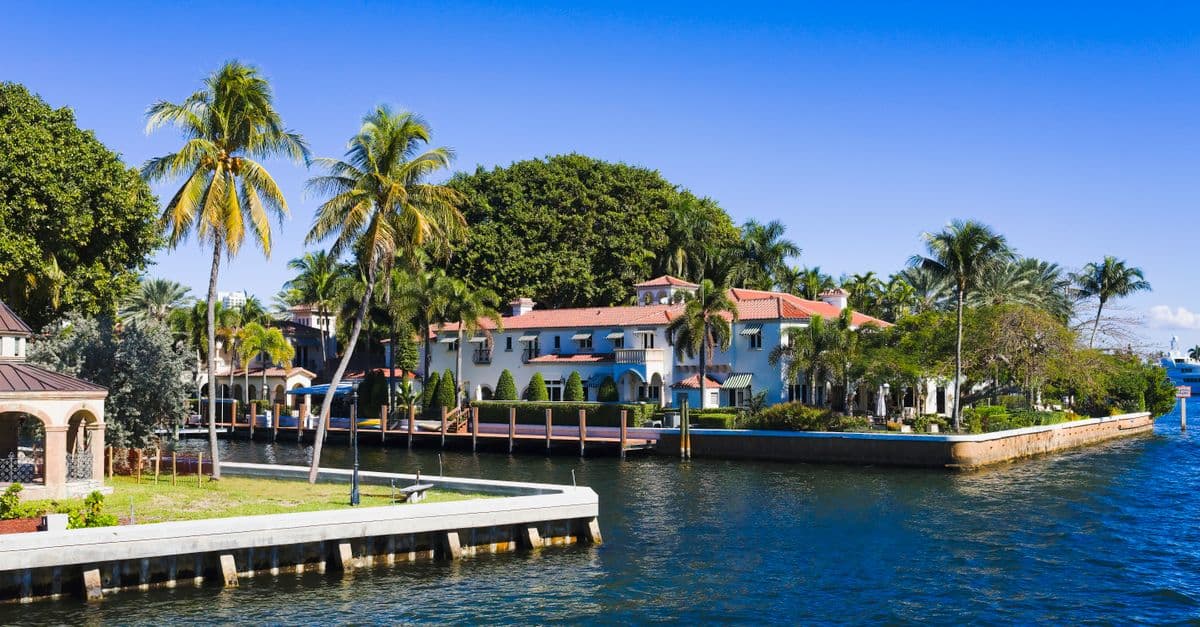
This is the part of Madeira Beach that draws serious boaters. Properties on the bay side frequently come with private docks, boat lifts, and deep-water access to the Intracoastal Waterway. From a boat slip in the Boca Ciega Bay neighborhood, you're a short cruise to Tampa Bay, the Gulf passes, and the broader network of connected waterways that make this region one of the best boating areas in the entire southeastern United States.
Bay-Side Streets Worth Knowing
Madeira Way itself serves as the primary east-west connector, and the residential streets branching off it toward the bay — including several cul-de-sac streets with direct water frontage — are where you'll find the most desirable bay-side single-family inventory. These are largely owner-occupied neighborhoods with a neighborly feel distinct from the more transient tourist-heavy zones near Gulf Boulevard.
Homes on the bay side range from post-war concrete block construction (many have been substantially updated) to newer custom-built waterfront homes that were permitted and constructed at current flood elevation requirements. A three-bedroom, two-bath bay-front home with a dock typically runs $700K to $1.3M depending on condition, lot size, dock quality, and water depth. Properties with newer construction, open floor plans, and a deep-water lift are at the top of that range.
- Best for: Boaters, anglers, buyers who want waterfront without Gulf-side insurance costs
- Price range: $650K–$1.5M+ for bay-front with dock
- Flood zone: AE — flood insurance required but typically less expensive than VE
- Lifestyle: Quieter, more residential, strong sense of community among full-time residents
Browse current Madeira Beach waterfront homes for active listings on both the bay and canal sides of the island. The waterfront homes guide for Madeira Beach covers dock requirements, water depth considerations, and what to look for in a boater's home in this specific market.
North Madeira Beach — Quiet Residential Living Near the Beach
As you move north from the mid-island commercial activity toward the Redington Shores border, the character of Madeira Beach shifts noticeably. North Madeira Beach is quieter, more residential, and less tourist-influenced than the areas nearer to John's Pass. This is where you find more full-time families and year-round residents who chose the island for its lifestyle rather than its rental income potential.
The residential streets here are generally laid out in a straightforward grid pattern with single-family homes on both sides — Gulf Boulevard on the west edge and smaller streets running east toward the bay. Lot sizes are similar to the rest of the island but feel a bit more spacious because the density of short-term rental units thins out. You'll see more permanent landscaping, well-tended yards, and the kind of neighborhood where people walk dogs in the evenings and wave from the driveway.
Price Points and Property Types in North Madeira
North Madeira Beach tends to offer slightly more competitive pricing than the John's Pass area for comparable square footage, which makes it attractive to primary residence buyers who want beach proximity without paying the tourist-zone premium. A well-maintained three-bedroom home with a pool, no water frontage, in this part of the island typically falls in the $500K–$750K range in early 2026.
Homes with pools are popular in this neighborhood — partly because the lots are slightly larger on average than in the southern end, and partly because full-time residents prioritize the outdoor living space over pure walkability. Browse the Madeira Beach pool homes listings for current inventory in this area and throughout the island.
Note that most single-family homes in Madeira Beach — including this section — have no HOA. That's a genuine quality-of-life benefit: no monthly dues, no approval process for painting your house or adding a fence, and no restrictions on short-term rentals (subject to city licensing requirements). The absence of HOA governance is a significant draw for many buyers coming from HOA-heavy communities in other parts of Tampa Bay and Florida.
- Best for: Families, primary residence buyers, buyers who want a quieter island experience
- Price range: $450K–$850K for non-waterfront single-family
- HOA: None in most single-family areas
- Vibe: Residential, community-oriented, closer to Redington Shores amenities
Mid-Island — Cottages, Renovations, and Old Florida Charm
The mid-island section of Madeira Beach — roughly the central third of the island between the John's Pass commercial zone and the quieter north end — is where you find the most varied housing stock and, arguably, the best opportunities for buyers willing to do some homework. This area is a fascinating mix of original Old Florida beach cottages, substantially renovated mid-century homes, and occasional new construction infill on lots where older structures were demolished or destroyed.
The charm of mid-island Madeira Beach is real. You'll find homes with original terrazzo floors, coral rock landscaping, mature sea grape trees, and covered carports that haven't changed much since they were built in the 1950s and 1960s. For buyers who love that authentic Florida beach cottage aesthetic, this is where to look. For investors and renovation-minded buyers, these older properties often sit on good lots with favorable flood elevation certificates — or the potential to build up to a significantly higher elevation on a rebuild.
Renovation Potential and New Construction Activity
Mid-island Madeira Beach has seen meaningful new construction activity over the past several years as investors have purchased older cottages, demolished them, and built elevated new construction homes on the same lots. This activity has raised values throughout the area even for properties that haven't been touched, simply by establishing higher comparable sales. If new construction appeals to you, the Madeira Beach new construction listings and the new construction guide for Madeira Beach cover what's currently available and what's in the pipeline.
Entry-level pricing in the mid-island zone — for an older cottage in need of updates — starts in the $400K to $500K range for a non-waterfront property. Fully renovated homes with updated kitchens, impact-resistant windows, and modern finishes run $600K to $900K. The value proposition here compared to the John's Pass area or the Gulf Boulevard corridor is that you get more house per dollar — though you trade some of the prestige location premium.
- Best for: Value-oriented buyers, renovation buyers, buyers who love Old Florida character
- Entry price: $400K+ for older cottages needing work
- Renovated homes: $600K–$900K
- Watch for: Flood zone and elevation certificate — critical before making an offer
Madeira Beach Schools — What Families Need to Know
Madeira Beach falls within the Pinellas County School District, and the school situation here is genuinely positive — particularly at the elementary level. This is a meaningful factor for families considering the island as a primary residence rather than a vacation or investment property.
Madeira Beach Fundamental K-8 School
Madeira Beach Fundamental K-8 (previously Madeira Beach Fundamental School) is the standout educational asset in this community. It operates as a fundamental school, which in Pinellas County means a structured, back-to-basics educational philosophy with an emphasis on academics, behavior standards, and parental involvement. Fundamental schools in Pinellas have a strong track record of outperforming their geographic counterparts, and Madeira Beach Fundamental is no exception. The school consistently earns strong ratings and serves as a genuine community hub. Families specifically seeking the fundamental program apply through the district's school choice process — it is not exclusively neighborhood-assigned.
Middle and High School Options
For secondary education, Madeira Beach students are zoned to Seminole Middle School and Seminole High School on the mainland. Both schools are in Seminole, FL — a short drive across the causeway. Seminole High has a well-regarded curriculum and a range of extracurricular activities. Families who want additional options can explore Pinellas County's magnet and fundamental programs at the middle and high school levels, which are accessible through the school choice process.
For buyers coming from high-performing suburban school districts in other states, it's worth having an honest conversation about educational expectations. Pinellas County offers real options — the fundamental and magnet programs are legitimately strong — but families who prioritize schools above all else should explore the full landscape of options before committing to a specific neighborhood.
Flood Zones and Insurance — The Reality of Island Living
This section is not optional reading. If you're buying in Madeira Beach — in any neighborhood, at any price point — you need to understand flood zones and insurance before you make an offer. Not after. Before. The financial reality of owning on a barrier island has changed meaningfully in the past several years, and buyers who don't account for it get surprised at closing.
Nearly the entire island of Madeira Beach falls within either AE flood zones or VE flood zones as designated by FEMA's National Flood Insurance Program (NFIP). AE zones represent areas with a 1% annual chance of flooding where base flood elevations have been determined. VE zones represent coastal high-hazard areas subject to wave action — these are the most restrictive and carry the highest insurance costs. The Gulf-facing western edge of the island, including most of the Gulf Boulevard corridor, is typically classified VE. The interior and bay-side portions are generally AE.
What Flood Insurance Actually Costs
Under FEMA's Risk Rating 2.0 framework (fully implemented as of 2023), flood insurance premiums are now calculated based on the specific risk characteristics of each individual property rather than relying purely on flood zone maps. This means two neighboring homes might have substantially different flood insurance costs depending on their respective elevations, construction type, and foundation details. Getting an elevation certificate for any property you're seriously considering is a smart investment — it can mean the difference between a $1,200/year premium and a $5,000+/year premium on the same street.
Budget realistically. For a standard single-family home in an AE zone at or near base flood elevation, expect flood insurance costs in the range of $2,000 to $4,500 per year through NFIP. Properties below base flood elevation can be substantially higher. In VE zones, even newer, well-elevated construction typically sees flood insurance of $3,500 to $8,000+ annually. Add to that standard windstorm/homeowners insurance (which is also elevated in coastal Pinellas County), and total insurance costs for island properties frequently run $6,000 to $12,000+ per year.