Is Dover FL a Good Rental Investment Market in 2026?
Dover FL offers a niche but real rental investment opportunity for landlords who understand the rural acreage market. The area attracts tenants who specifically need rural properties, people with horses, working dogs, hobby farms, small businesses requiring storage on acreage, or simply a strong preference for privacy and space. This targeted tenant profile means less competition from other landlords but a smaller tenant pool overall. For investors who understand that reality, Dover can deliver solid cash flow and long-term equity growth.
Dover is not a market for investors expecting suburban subdivision-style tenant demand. If your investment thesis depends on rapid tenant replacement and a large applicant pool, Brandon, Valrico, or Riverview will serve you better. But if you own a well-maintained rural property and want steady, often longer-term tenants who value privacy and space, Dover has genuine demand.
What Do Rentals Earn in Dover FL in 2026?
Rental Rate Table by Property Type
| Property Type | Acreage | Monthly Rent Range | Tenant Profile |
|---|---|---|---|
| 2BR/1BA basic home | 0.25-0.5 ac | $1,400-$1,700 | Singles, couples, budget tenants |
| 3BR/2BA CBS home | 0.5-1 ac | $1,700-$2,100 | Families, work-from-home buyers |
| 3BR/2BA with acreage | 2-5 ac | $2,000-$2,600 | Horse owners, homesteaders, large families |
| 4BR/2BA with barn | 3-7 ac | $2,400-$3,200 | Equestrian tenants, agricultural users |
| Estate / large acreage | 7-15+ ac | $2,800-$4,500+ | Agricultural businesses, equestrian operations |
Dover rents command a modest premium over comparable square footage in suburban Seffner or eastern Brandon because tenants who specifically need acreage and rural features have fewer alternatives. That scarcity premium is real but limited in magnitude; do not overestimate the rental income potential when building your investment analysis.
What Is the Gross Yield on Dover FL Rental Properties?
Yield Analysis at Four Price Points
| Purchase Price | Monthly Rent | Annual Gross Income | Gross Yield |
|---|---|---|---|
| $280,000 | $1,700 | $20,400 | 7.3% |
| $340,000 | $2,000 | $24,000 | 7.1% |
| $420,000 | $2,400 | $28,800 | 6.9% |
| $520,000 | $2,800 | $33,600 | 6.5% |
Gross yield represents annual rent income divided by purchase price, before expenses. Net yields after property taxes, insurance, management fees, maintenance, and vacancy run 3.5 to 5% depending on the property. Rural properties have higher maintenance costs than subdivisions (well, septic, fencing, larger lot upkeep), which compresses net yields below the gross figures. Budget maintenance at 1 to 1.5% of purchase price annually for rural rental properties.
Who Are the Typical Tenants for Dover Rural Rentals?
Horse and Livestock Owners
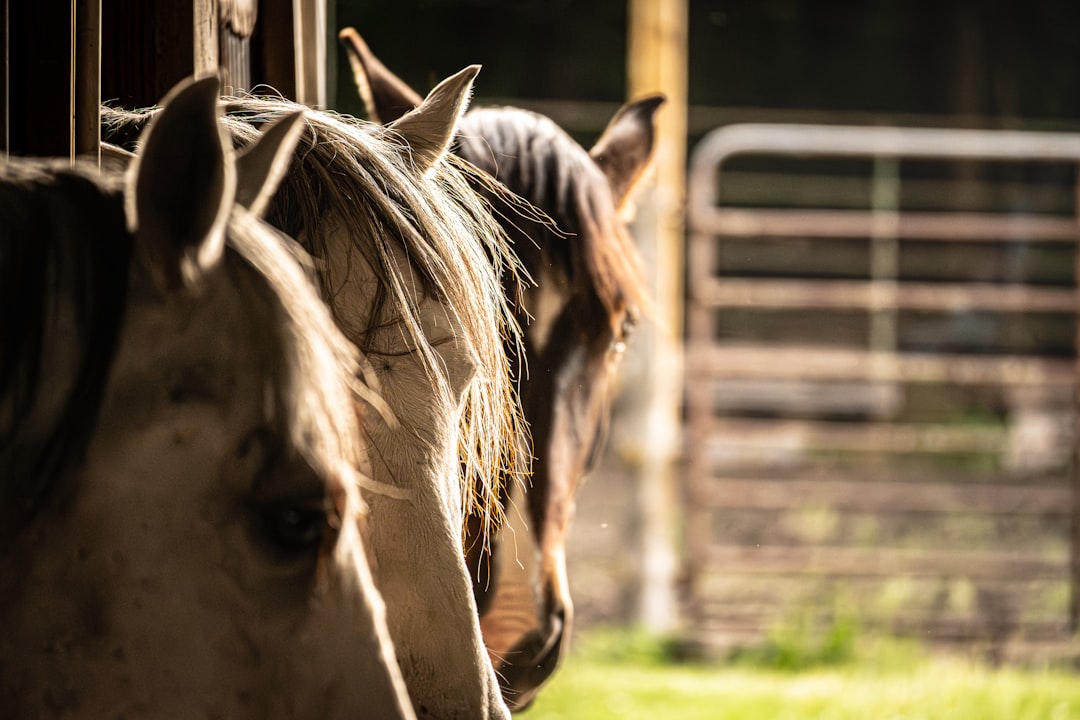
The single strongest tenant profile for Dover acreage rentals. Tenants who need pasture for horses or small livestock are difficult to house in suburban markets and will pay a premium for suitable rural properties. They also tend to be longer-term tenants because moving with animals is logistically difficult. Tenants in this category require properties with existing perimeter fencing, barn or shelter structures, and adequate well capacity. See the Dover horse properties guide for the kind of features these tenants prioritize.
Homesteaders and Hobby Farmers
Tenants seeking to grow gardens, raise chickens, or operate small hobby farms represent another reliable Dover rental demographic. This group typically wants 1 to 3 acres, privacy, and the freedom to operate their homestead without subdivision HOA restrictions. They often make excellent long-term tenants who treat the property with care.
Work-from-Home Professionals
Since 2020, remote and hybrid workers have formed a growing share of rural rental demand. They want a quiet, private environment, good internet access (verify before listing), and space that suburban rentals cannot offer. This tenant profile values lease stability and typically has strong income qualifications.
Agricultural Business Operators
Some Dover rentals serve small agricultural businesses: nurseries, landscape contractors needing yard storage, tree farms, or plant propagation operations. These commercial-use tenants require lease structures that explicitly address permitted business activities, liability, and property condition expectations. Not appropriate for standard residential leases.