Quick Answer
How do I sell a home with solar panels in Florida?
If you own the panels, highlight the energy savings in your listing — owned solar adds 3-4% to home value. If you lease, start the lease transfer process early, disclose the terms upfront, and consider a lease buyout if the numbers make sense. Either way, have the system documentation, permit records, and electric bills ready for buyers.
Selling With Owned Solar Panels
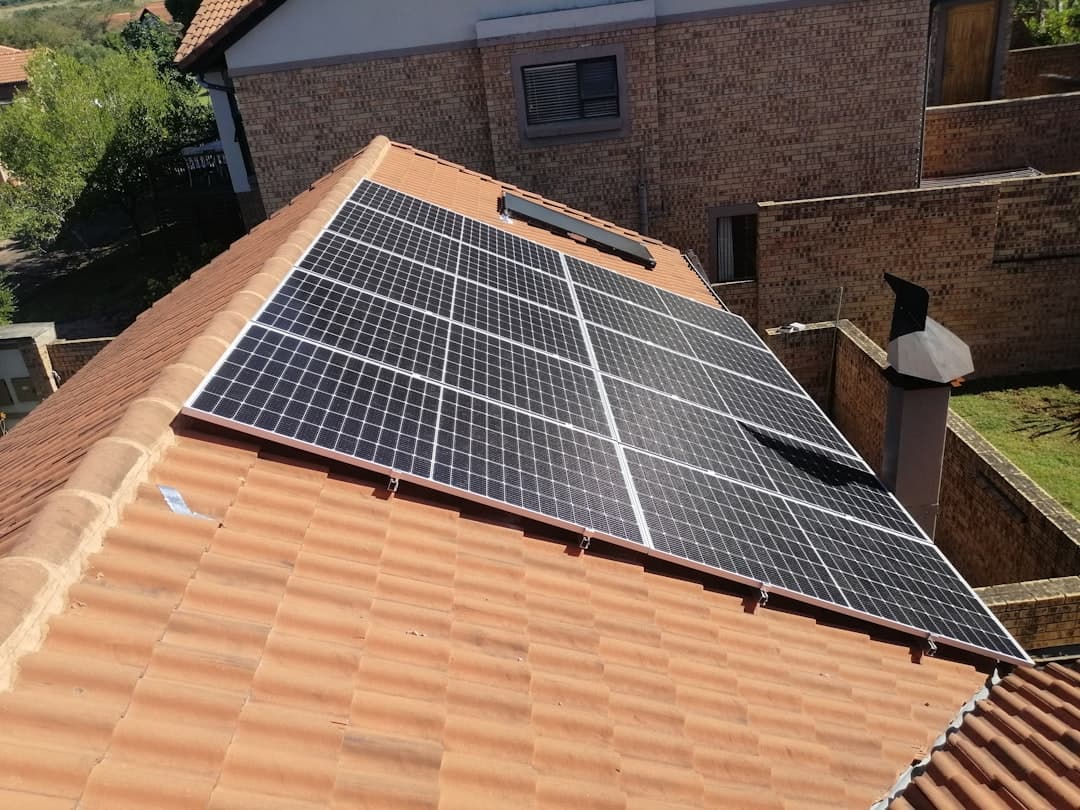
If you own your solar panels outright — paid cash or paid off the loan — you're in a strong position. Owned solar is a genuine selling feature. Studies from the Lawrence Berkeley National Laboratory show homes with owned solar sell for 3-4% more than comparable homes without panels.
Here's how to maximize the value:
- Get your documentation together. Buyers will ask for proof of ownership (purchase agreement or loan payoff statement), the original building permit, the interconnection agreement with the utility, and the manufacturer's warranty documentation.
- Show the savings. Pull 12 months of electric bills showing the actual reduction. If your monthly bill went from $250 to $40, that's $2,500/year in savings — a compelling selling point.
- Highlight the system specs in the listing. System size (kW), annual production (kWh), brand, age, and remaining warranty. Buyers shopping for solar homes want these details.
- Make sure the permit is finaled. An open solar permit will spook buyers and their agents. If yours isn't closed out, check the permit status and get it resolved before listing.
Selling With a Leased Solar System
Leased panels are trickier but absolutely manageable if you plan ahead. The key is transparency and preparation.
Option 1: Transfer the Lease to the Buyer
Most solar leases allow transfer to a new homeowner. The buyer needs to qualify with the solar company (credit check), and then the lease obligation transfers at closing. Start this process as soon as you list — it can take 2-4 weeks for the solar company to process the transfer.
What to prepare:
- Full copy of the lease agreement
- Remaining term and monthly payment amount
- Transfer requirements from the solar company
- Contact info for the solar company's transfer department
Option 2: Buy Out the Lease Before Selling
If the buyout price is reasonable and your home's value supports it, paying off the lease and converting to owned panels can be smart. You'll sell with owned solar (which adds value) instead of a lease obligation (which some buyers resist). Get the buyout quote from the solar company and compare it to the expected value bump.
Option 3: Offer to Pay the Lease Off as a Seller Concession
If a buyer wants the home but not the lease, you can offer to buy out the lease as part of the negotiation — essentially rolling it into the deal. This can be more effective than a price reduction because it eliminates the buyer's objection entirely.
Selling a Home With Solar? Let's Talk Strategy.
I'll help you position the solar system as a selling point — or navigate the lease transfer if needed.
Get a Free Valuation Call (813) 733-7907Florida Disclosure Requirements for Solar
Florida law requires sellers to disclose material facts about the property. A solar lease is absolutely a material fact — it's a financial obligation that transfers with the property. You must disclose:
- Whether the panels are owned or leased
- The terms of any lease or power purchase agreement (PPA)
- Any UCC filings on the equipment
- The condition and age of the system
- Any known issues with the system's performance
Failing to disclose a solar lease can lead to post-closing disputes, rescission claims, or lawsuits. Be upfront — it's both the legal requirement and the smart strategy.
How to Price a Home With Solar
Owned solar: Price your home at the top of the comparable range and use the solar system as justification. If similar homes without solar are selling for $400K, you can reasonably list at $412K-$416K (the 3-4% premium).
Leased solar: Price competitively with comparable homes without solar. The lease payment roughly offsets the energy savings, so the net impact on value is close to zero. Don't try to charge a premium for leased panels — sophisticated buyers will see through it. Instead, position the lease as a benefit: "Solar panels reduce your electric bill to an average of $X/month."
For a current valuation, request a free home valuation — I'll factor in the solar system's impact on your specific market.
Common Mistakes Sellers Make
- Not disclosing the lease. This is the biggest one. Some sellers or listing agents try to downplay or ignore the lease, hoping buyers won't ask. They will. And if they don't, their agent, lender, or title company will. Disclose proactively.
- Starting the transfer process too late. Solar company transfer departments are not fast. Start the process when you list, not when you're under contract. A delayed transfer can blow up a closing timeline.
- Not having documentation ready. Buyers want to see the lease agreement, electric bills, production data, warranty info, and permit status. Having this organized and available from day one makes your listing more professional and reduces friction during due diligence.
- Overpricing based on the solar investment. What you paid for the system is not what it adds to the home's value. A $30,000 system doesn't add $30,000 to the sale price, especially if it's 10 years old. Price based on market comparables and the actual value premium solar commands in your neighborhood.
- Ignoring the roof condition. Buyers will ask about the roof age under the panels. If the roof is 18 years old, they're factoring in a $15,000-$25,000 reroof plus $5,000-$10,000 for panel removal and reinstallation. That's a $20K-$35K future cost that affects what they'll offer.
Frequently Asked Questions
Do solar panels make a home harder to sell?
Owned panels typically make homes easier to sell — they're a feature buyers want. Leased panels can narrow your buyer pool slightly because some buyers don't want to assume the lease. However, most leases are transferable, and the energy savings offset the payment. Proper disclosure and preparation prevent most friction.
Can a buyer refuse to assume my solar lease?
Yes — and this is why you need a backup plan. If the buyer won't assume the lease, you can offer to buy it out, negotiate a seller concession, or find a different buyer. Having the buyout price ready gives you options. Most solar companies will also allow the seller to prepay the remaining lease if the buyer objects.
Should I remove the solar panels before selling?
Almost never. Removal costs $3,000-$8,000, you'll need to patch the roof, and you lose the selling feature entirely. The only scenario where removal makes sense is if the system is non-functional, unpermitted, or the lease terms are so unfavorable that no buyer will accept them and the buyout cost exceeds the system's value.
How do I find out what my solar system is worth?
For owned systems, appraisers use the income approach (projected energy savings over remaining life) or the cost approach (depreciated replacement cost). The Appraisal Institute's residential green energy addendum is the standard method. As a rough estimate, deduct 0.5-0.7% efficiency per year from installation, and value the remaining production at current electricity rates.
Related Guides
- Buying a Home With Solar Panels in Florida
- How to Check for Solar Panel Liens
- Solar Panels in Florida — Costs and Savings Guide
- Sell Your Home With Barrett Henry
- Get a Free Home Valuation
About Barrett Henry — Barrett Henry is a licensed REALTOR and Broker Associate with REMAX Collective, serving buyers, sellers, and investors across the greater Tampa Bay market. With 23+ years of real estate experience, Barrett brings data-driven advice and a client-first approach to every transaction. Learn more