Quick Answer
Much of South Pasadena FL is in FEMA Zone AE due to its Boca Ciega Bay proximity, which means flood insurance is required for federally backed mortgages and costs $2,000-$8,000+/yr for many properties. Interior elevated areas may be Zone X (lower risk). Always check the specific property's flood zone at msc.fema.gov and request the Elevation Certificate before making an offer. Call Barrett at (813) 733-7907 to walk through flood risk on any specific property.
What Flood Zones Does South Pasadena FL Have?
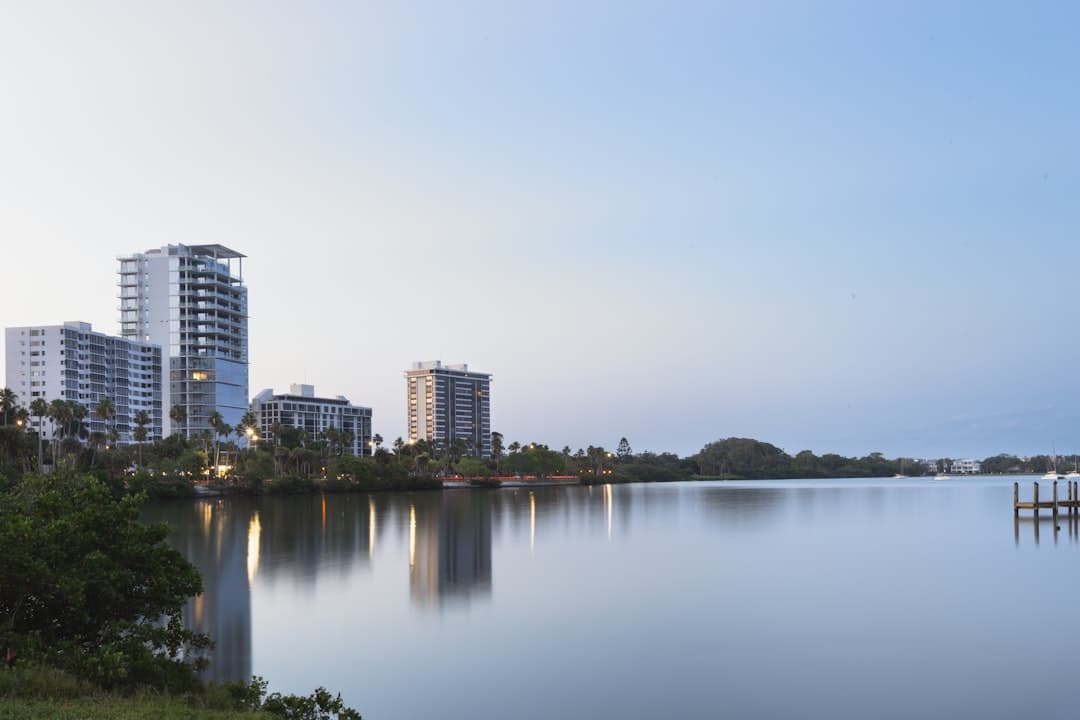
South Pasadena is a small city on a peninsula in southern Pinellas County, bordered by Boca Ciega Bay to the west and various tidal waterways. This coastal position means a significant portion of the city carries meaningful flood risk. According to FEMA Flood Insurance Rate Maps (FIRMs), South Pasadena properties fall into several flood zones depending on location and elevation.
I have helped dozens of buyers evaluate flood risk on Pinellas County waterfront and coastal properties. The key lesson: flood zone designation is property-specific, not just neighborhood-specific. Two homes on the same street can have different flood zones and radically different insurance costs based on their elevation, structure, and distance from the water.
FEMA Flood Zone Definitions for South Pasadena
| Zone | Risk Level | Flood Insurance Required? | Common Locations |
|---|---|---|---|
| Zone X | Low to Moderate | Not required (recommended) | Elevated inland areas away from Bay |
| Zone AE | High (1% annual flood chance) | Required with federal mortgage | Canal-adjacent, low-elevation, Bay-area lots |
| Zone VE | Highest (coastal wave action) | Required with federal mortgage | Direct Boca Ciega Bay exposure |
Zone AE is the 100-year floodplain, meaning the area has a 1% chance of flooding in any given year (not a once-every-100-years event). Zone X covers areas outside the 100-year floodplain. Zone VE is reserved for coastal high-hazard areas subject to wave action during major storms.
How Do I Check My South Pasadena Property's Flood Zone?
Step 1: FEMA Flood Map Service Center
Go to msc.fema.gov. Enter the property address. FEMA's interactive flood map will show you the current Flood Insurance Rate Map (FIRM) panel for that address and the flood zone designation. This is the official source and what lenders and insurance companies use.
Step 2: Request the Elevation Certificate
The Elevation Certificate (EC) is a survey document prepared by a licensed surveyor or engineer that shows your building's elevation relative to the Base Flood Elevation (BFE) for your flood zone. If your lowest floor is above the BFE, your NFIP insurance premium is lower. If it is below the BFE, premiums are substantially higher.
Ask the seller for any existing Elevation Certificate. If none exists, the cost to obtain one is typically $300-$600 from a licensed Florida surveyor. Given that this single document can affect your annual insurance cost by thousands of dollars, it is money well spent before finalizing an offer. Your lender may require it anyway.
Step 3: Get Actual Insurance Quotes
Do not rely on estimates or what the seller is paying. FEMA's Risk Rating 2.0 methodology (implemented in 2021) prices policies based on your specific property's flood risk characteristics, not just zone. Two neighbors can have very different premiums. Contact 2-3 NFIP-authorized agents and at least one private flood insurer to compare rates before closing.
Need Help Evaluating Flood Risk on a Specific Property?
Barrett Henry — 23+ years of real estate experience. Broker Associate, REMAX Collective.
Contact BarrettCall (813) 733-7907How Much Does Flood Insurance Cost in South Pasadena?
| Property Type | Flood Zone | Approx. NFIP Annual Premium | Key Factor |
|---|---|---|---|
| Inland SFR, elevated lot | Zone X | $500 – $900 | Not required; preferred risk |
| SFR, canal-adjacent | Zone AE | $2,000 – $5,000 | Depends on elevation vs. BFE |
| SFR, canal-front, low elevation | Zone AE | $4,000 – $9,000+ | Below BFE; higher NFIP cost |
| Bay-front SFR | Zone AE/VE | $5,000 – $15,000+ | Open water exposure; wave action |
| Condo unit | Varies | $400 – $2,500 (unit policy) | Master condo policy covers structure; unit covers contents + improvements |
Premiums shown are estimates under NFIP Risk Rating 2.0. Private flood insurance rates may be lower for newer elevated construction. Get firm quotes for any specific property.
NFIP vs. Private Flood Insurance: Which Is Better?
The National Flood Insurance Program (NFIP) was historically the only game in town for flood insurance. The private market has expanded significantly in recent years, and for some South Pasadena properties, private flood insurance can be meaningfully cheaper.
| Factor | NFIP | Private Flood |
|---|---|---|
| Building coverage max | $250,000 | Replacement cost; higher limits available |
| Contents coverage max | $100,000 | Higher limits; living expense coverage possible |
| Rate based on | FEMA Risk Rating 2.0 model | Private actuarial models; may be lower |
| Lender acceptance | Always accepted | Most lenders accept; verify before closing |
| Policy cancellation risk | None (government backed) | Carrier may exit Florida market |
| Wait period (new purchase) | 30-day (exceptions for closings) | Often shorter |
My recommendation: get quotes from both NFIP and at least two private flood insurers. For newer elevated construction, private markets often beat NFIP significantly. For older lower-elevation homes, NFIP may be more stable long-term. The key risk with private insurance in Florida is that carriers can and do exit the market, leaving you scrambling at renewal. NFIP cannot be cancelled by the insurer.
Pinellas County CRS Discount on NFIP Premiums
Pinellas County participates in FEMA's Community Rating System (CRS), a program that rewards communities that go beyond minimum floodplain management requirements. According to FEMA's CRS program data, Pinellas County's CRS participation provides premium discounts of 10-25% on NFIP policies for properties within the county. The discount applies automatically when you purchase an NFIP policy in Pinellas County. This makes Pinellas County flood insurance somewhat cheaper than it would otherwise be.
Should Flood Risk Stop You From Buying in South Pasadena?
Flood risk should not automatically stop you from buying in South Pasadena, but it should be accurately priced into your decision. Here is how I frame it for buyers:
What Flood Risk Actually Means
Zone AE means a 1% annual probability of flooding at or above the Base Flood Elevation. Over a 30-year mortgage, that cumulates to roughly a 26% chance of at least one flooding event. This is real, not theoretical. Hurricane Irma (2017), Helene (2024), and other storms have caused flooding in Pinellas County communities. Coastal living in Florida comes with this trade-off.
How to Mitigate Flood Risk
Properties built or substantially improved after the FIRM effective date must be elevated at or above the BFE. Newer construction with first floors above BFE carries lower flood insurance and lower actual flood risk. When evaluating a South Pasadena property, check: the first floor elevation on the Elevation Certificate, whether the property has flooded historically (check NFIP flood claims on file), and the property's distance from Boca Ciega Bay and its canal connections.
Buyers who are uncomfortable with ongoing insurance costs or who have strict budget constraints should consider whether inland Pinellas or Hillsborough County alternatives better fit their situation. Buyers who are comfortable with the risk, have properly budgeted insurance, and value the lifestyle advantages of coastal Pinellas will find South Pasadena a compelling option in a competitive market.
Explore South Pasadena