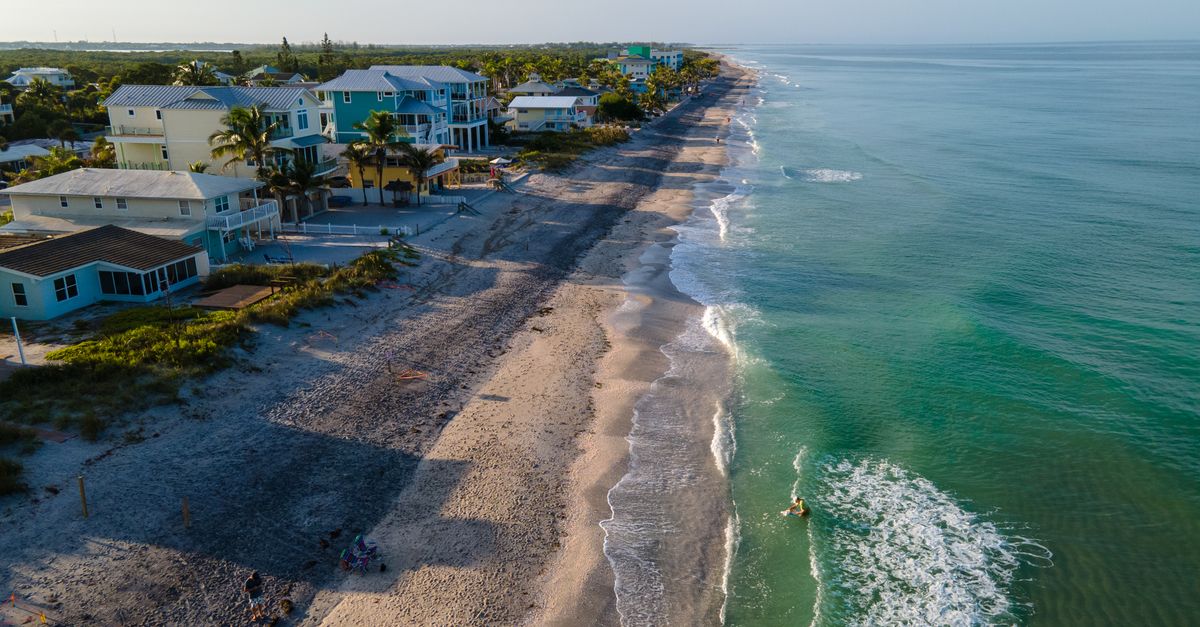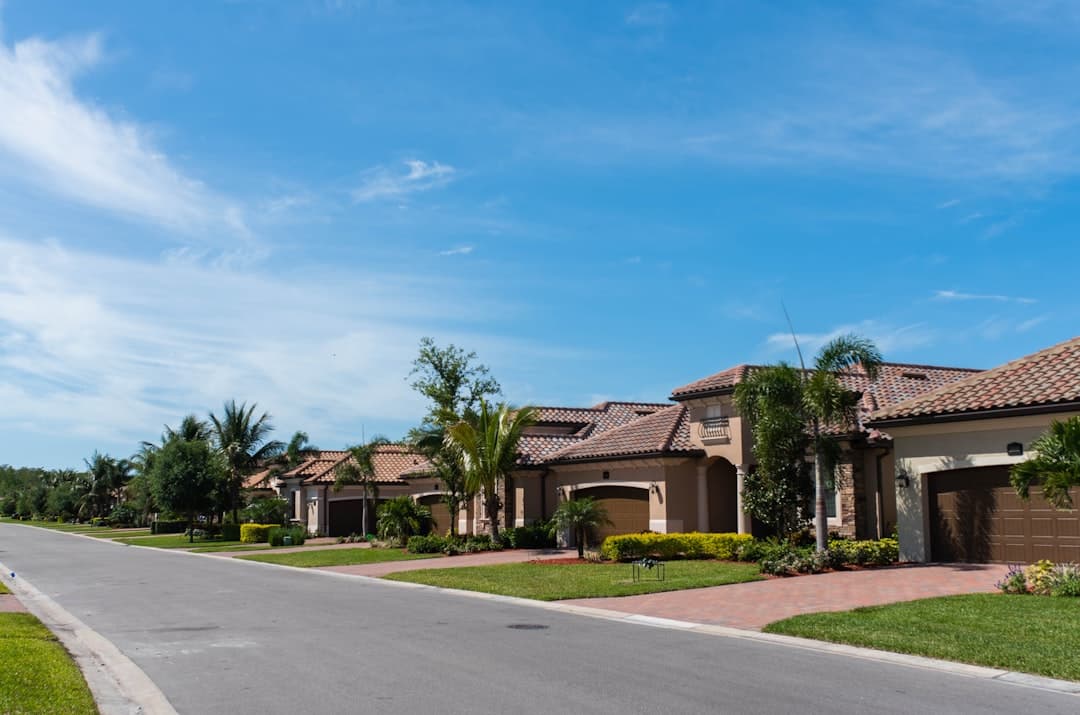
One of the biggest adjustments for people moving to the Tampa Bay area is understanding the weather. It's not just "hot and sunny" - there's a real rhythm to the year here, and once you understand it, you'll plan your life around it like a local. I'm Barrett Henry with REMAX Collective, and I've helped hundreds of families relocate to Tampa Bay from all over the country. Weather is one of the first things we talk about, because it affects everything from when you want to close on your home to how much your electric bill will be. This guide breaks down Tampa Bay's weather month by month so you know exactly what to expect before you get here.
Tampa Bay Monthly Weather Overview
| Month | Avg High (F) | Avg Low (F) | Rainfall (in) | Humidity | Hurricane Risk |
|---|---|---|---|---|---|
| January | 70 | 52 | 2.3 | Low-Moderate | None |
| February | 73 | 54 | 2.8 | Low-Moderate | None |
| March | 77 | 58 | 2.8 | Moderate | None |
| April | 82 | 63 | 1.8 | Moderate | None |
| May | 87 | 69 | 3.0 | High | Very Low |
| June | 90 | 74 | 7.6 | High | Low |
| July | 91 | 75 | 7.4 | Very High | Low-Moderate |
| August | 91 | 76 | 8.2 | Very High | Moderate-High |
| September | 90 | 74 | 7.3 | Very High | High |
| October | 85 | 68 | 2.7 | Moderate-High | Moderate |
| November | 78 | 60 | 1.6 | Moderate | Low |
| December | 72 | 54 | 2.5 | Low-Moderate | None |
Tampa Bay Climate Overview
Tampa Bay has a humid subtropical climate, which is a fancy way of saying we get a lot of sun, a lot of humidity, and a very distinct wet season / dry season pattern. If you're coming from the Northeast or Midwest where you have four traditional seasons, Florida essentially has two: the dry season (November through April) and the wet season (May through October). There's no snow, no prolonged cold snaps, and no real fall foliage. What you get instead is roughly 245 sunny days per year, mild winters that most of the country would consider ideal spring weather, and summers that are hot, humid, and punctuated by daily afternoon thunderstorms.
The annual average temperature in Tampa Bay is around 73 degrees. Total annual rainfall averages about 50 inches, but the vast majority of that falls during the wet season. The dry season can go weeks without significant rain. Understanding this pattern is key to enjoying life here and planning everything from outdoor activities to home maintenance.
Month-by-Month Breakdown: Dry Season (November - April)
The dry season is when Tampa Bay is at its absolute best. This is the stretch that makes people fall in love with Florida. Low humidity, comfortable temperatures, blue skies, and very little rain. If you're planning a scouting trip to look at homes, try to come during this window - it'll sell itself.
November
November is when Tampa Bay starts to feel like paradise. The oppressive summer humidity finally breaks, highs drop into the upper 70s, and the evenings cool into the low 60s. Rainfall drops dramatically. This is when you start seeing windows open instead of AC units running. It's one of the most pleasant months of the year and a favorite among locals. Outdoor festivals and events pick up as everyone comes back outside.
December
December is mild and beautiful. Highs in the low 70s, lows in the mid-50s. You might get a few chilly mornings where you want a light jacket, but most days are sunny and comfortable. This is "shorts and a hoodie" weather. It will not feel like Christmas if you're used to snow - but you'll be grilling outside on Christmas Day, and that's its own kind of wonderful. December is one of the driest months of the year.
January
January is Tampa Bay's coolest month, but "cool" is relative. Average highs are around 70 with lows in the low 50s. You'll get occasional cold fronts that can push nighttime temperatures into the 40s or even upper 30s for a day or two, but these pass quickly. There is no sustained cold. The days are mostly sunny and dry. This is peak "snowbird season" - the highways get busier and restaurant wait times get longer as seasonal residents arrive from up North.
February
February is similar to January but starts to warm up toward the end of the month. Highs creep into the mid-70s. Rainfall is low. This is Spring Training season for Major League Baseball, and the Tampa Bay area comes alive with it - the Yankees train in Tampa, the Phillies in Clearwater, and the Blue Jays in Dunedin. The weather during February is essentially what the rest of the country calls "perfect spring weather." You'll start seeing flowers bloom and feeling the longer days.
March
March is arguably the single best weather month in Tampa Bay. Highs reach the upper 70s, humidity is manageable, rain is minimal, and the sun is out almost every day. The Gulf water temperature starts to become comfortable for swimming. If you're visiting to look at homes, March is the month I'd recommend. You'll see the area at its absolute finest. Beach days are ideal - warm sun without the summer steam.
April
April is the transition month. The first half feels like an extension of the perfect dry season - low 80s, low humidity, clear skies. By the second half, you start to feel the humidity building. Afternoon temperatures push into the mid-80s and the air gets thicker. April is also the driest month of the year on average. Pools start to warm up nicely, and outdoor living is in full swing. This is the last month before the wet season officially arrives.
Month-by-Month Breakdown: Wet Season (May - October)
The wet season is when Tampa Bay earns its reputation for thunderstorms. The heat builds, the humidity climbs, and nearly every afternoon brings a short, intense thunderstorm. The mornings are usually sunny and the evenings clear out - but that 2:00 to 5:00 PM window is thunderstorm territory from June through September. You adjust to it quickly, but it shapes your daily routine.
May
May is when the wet season starts to announce itself. Temperatures climb into the upper 80s and humidity noticeably increases. You'll begin seeing afternoon pop-up thunderstorms, though they're not yet a daily occurrence. Energy bills start climbing as AC units work harder. May still has plenty of beautiful days, but you can feel the shift happening. This is also the start of the "off-season" in terms of tourism, which means smaller crowds and lower prices at beaches and attractions.
June
June is when the daily afternoon thunderstorm pattern locks in. Expect highs around 90, high humidity, and a near-daily routine of sunny mornings followed by dramatic afternoon storms. These storms are intense but brief - heavy rain, lightning, sometimes small hail, lasting 30 to 60 minutes, then clearing out for a pleasant evening. June 1 also marks the start of hurricane season, though activity is typically quiet this early. Your electric bill will reflect the increased AC usage.
July
July is peak summer. Highs hit 91-92 degrees with oppressive humidity that makes it feel closer to 100-105. The "heat index" or "feels like" temperature is the number that matters here, not the actual thermometer reading. Afternoon storms are a daily guarantee. Outdoor activities shift to early morning or after sunset. Pools feel like bathwater. This is the month that tests newcomers - but your house is air conditioned, your car is air conditioned, and the stores are air conditioned. You adapt.
August
August is statistically the hottest and wettest month. Highs remain in the low 90s, and the rainfall peaks - over 8 inches on average. This is also when hurricane season enters its most active stretch. You'll be keeping an eye on the tropics regularly. The good news: school starts in August in Hillsborough County, so the summer routine shifts. Mornings can be muggy even before sunrise. Locals know to stay hydrated and limit extended outdoor exposure during midday hours.
September
September is the peak of hurricane season and still very much feels like summer. Temperatures stay in the low 90s, humidity remains high, and afternoon storms continue. Historically, September is the most active month for tropical development in the Atlantic basin. The one bright spot: by late September, you can start to feel the tiniest hint that the worst of summer is behind you. The days get slightly shorter, and there are occasional mornings where the air feels just a touch lighter.
October
October is the great relief month. The daily afternoon storms taper off, temperatures drop into the mid-80s for highs and upper 60s for lows, and the humidity gradually breaks. By mid-to-late October, you can feel the dry season approaching. Windows start opening again. Outdoor dining becomes enjoyable. October is still technically part of hurricane season, and late-season storms are possible, but the overall trend is toward better weather. Many locals consider October through November the best transition in the Tampa Bay calendar.
Hurricane Season: What You Actually Need to Know
Hurricane season officially runs from June 1 through November 30. That sounds alarming if you've never lived in a hurricane-prone area, but here's the reality: most years, Tampa Bay sees zero direct hurricane impacts. We get tropical storms, we get the outer bands of systems that pass to the south or north, and we get a lot of rain - but direct hits have historically been rare. That said, "rare" doesn't mean "impossible," and recent storm seasons have reminded everyone in the Tampa Bay area that preparation is non-negotiable.
The most active period is August through October, with September being the statistical peak. Here's what you should expect as a resident:
- You will track tropical weather developments on a regular basis - it becomes second nature
- You need a hurricane supply kit ready before June 1 every year
- Your home should have hurricane shutters, impact windows, or at minimum pre-cut plywood for window protection
- Know your evacuation zone (Hillsborough County uses zones A through E based on storm surge risk)
- Understand your insurance - especially your hurricane deductible, which is a percentage of your home's value, not a flat dollar amount
For a complete breakdown of hurricane preparedness for homeowners, read my Hurricane Preparedness Guide for Florida Homeowners.
Summer Heat and Humidity - How Bad Is It Really?
I'll be honest with you, because I think people deserve the truth before they move here: Tampa Bay summers are hot and humid. There's no sugarcoating it. From June through September, you will experience daily highs in the low 90s with humidity that pushes the "feels like" temperature to 100-110 degrees. You will sweat walking to your mailbox. Your glasses will fog when you step outside from an air-conditioned building. Your car will feel like an oven if you park it in the sun.
That said, here's the other side of the story: you adapt faster than you think. Within your first full summer, the heat becomes background noise. Your life revolves around air conditioning - your home, your car, every store and restaurant. Outdoor activities shift to early mornings and evenings. Pools become a daily retreat, not a weekend luxury. And the trade-off is that you get seven months of spectacular weather that people up North can only dream about. Most of my clients who've been through one full Tampa Bay summer say the same thing: "It's hot, but it's manageable, and the rest of the year more than makes up for it."
Tampa Bay vs. Other Florida Cities: Weather Comparison
Not all of Florida has the same weather. The state is big enough that there are meaningful differences between regions. Here's how Tampa Bay stacks up against other popular Florida metro areas:
| City | Avg Annual High | Avg Annual Low | Annual Rainfall (in) | Sunny Days/Year | Hurricane Risk |
|---|---|---|---|---|---|
| Tampa Bay | 83 | 65 | 50 | 245 | Moderate |
| Miami | 84 | 69 | 62 | 249 | Higher |
| Orlando | 83 | 63 | 53 | 236 | Moderate |
| Jacksonville | 80 | 58 | 52 | 220 | Moderate |
| Naples / SW Florida | 85 | 65 | 55 | 264 | Higher |
| Pensacola / Panhandle | 77 | 57 | 65 | 210 | Higher |
Tampa Bay hits a sweet spot for most people: we get fewer hurricanes than South Florida and the Panhandle, more sunshine than Jacksonville, and similar temperatures to Orlando but with access to Gulf beaches. The Gulf of Mexico also moderates our temperatures slightly - coastal areas of Tampa Bay tend to be a degree or two cooler in summer than inland areas like Orlando.
How Weather Affects Daily Life in Tampa Bay
Outdoor Activities
Tampa Bay is an outdoor-living area, and the weather dictates when and how you do it. During the dry season (November through April), outdoor activities happen all day long - hiking, biking, beach days, yard work, sports leagues, and dining al fresco. During the wet season, you shift to mornings and evenings. Running errands or playing golf at 7:00 AM before the storms roll in is standard operating procedure. The good news is that even in summer, mornings are usually clear and evenings dry out after the storms pass.
The Commute
Afternoon thunderstorms can affect your commute, especially if you're driving home between 3:00 and 6:00 PM during the wet season. Rain in Tampa Bay comes down hard - visibility drops, roads flood temporarily, and traffic slows. You learn to check the radar before you leave the office and adjust your departure time by 20 minutes if a storm is directly overhead. It's a minor inconvenience, not a major problem. For more on commuting patterns, check my guide to commuting from Brandon to Tampa.