Quick Answer
Tampa's best Craftsman bungalows are in Seminole Heights, Old Seminole Heights, Tampa Heights, and Riverside Heights, neighborhoods where 1920s, 1940s Arts and Crafts architecture defines the streetscape. Prices range from $350K for a small fixer bungalow to $750K+ for a fully restored 3-bedroom on a large lot. These neighborhoods are walkable, restaurant-dense, and among Tampa's most architecturally coherent historic areas.
Craftsman bungalows are the working-class counterpart to South Tampa's Mediterranean estates, built for Tampa's growing middle class in the 1920s, 1940s, these homes packed genuine craftsmanship into modest square footage. Deep front porches, exposed rafter tails, tapered columns on stone or brick piers, built-in bookshelves, original hardwood floors, and hand-detailed woodwork that modern production homes simply don't include. I'm Barrett Henry, Broker Associate at REMAX Collective with 23+ years of real estate experience, and I've helped many buyers navigate Tampa's bungalow neighborhoods. Here's what you need to know.
Defining Craftsman Architecture, What to Look For
The Craftsman style emerged from the Arts and Crafts movement as a reaction against Victorian ornamentation. According to the National Park Service, the style peaked in American residential construction from 1905 to 1930, which aligns precisely with Tampa's first suburban expansion north of the downtown core.
Key Craftsman Features
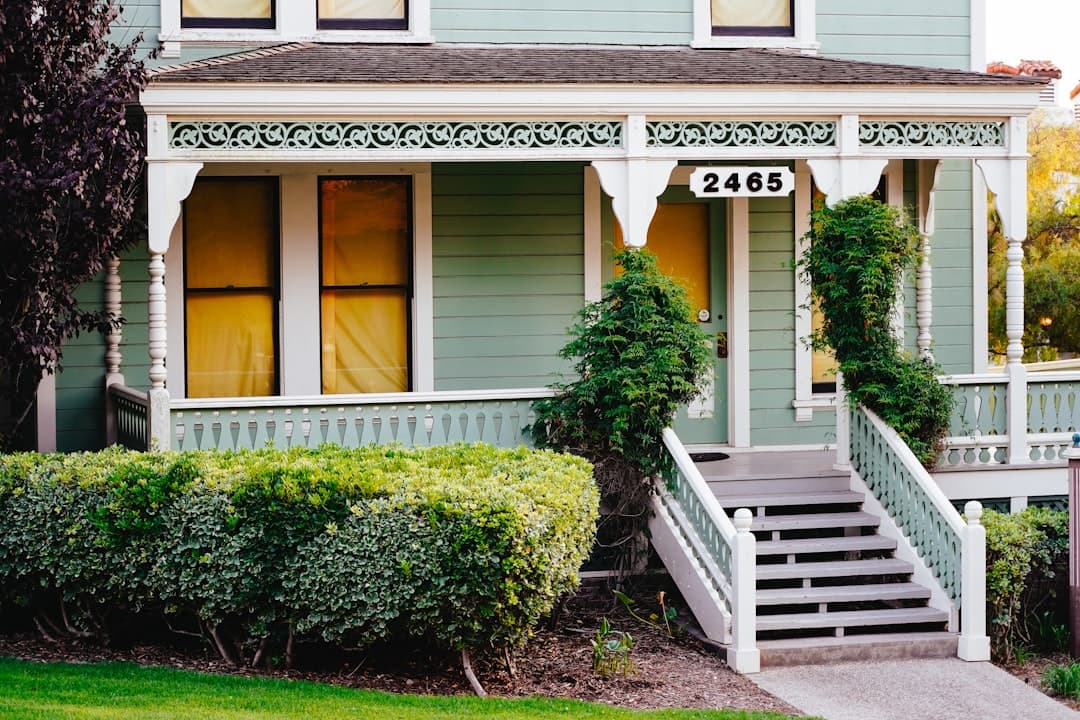
- Deep front porch: The defining exterior feature, often spanning the full width of the facade. Tapered columns on stone, brick, or wood piers support the porch roof.
- Low-pitched gabled roof: Wide overhanging eaves with exposed rafter tails, the brackets under the eave are decorative but structurally articulated, not applied ornamentation.
- Built-in cabinetry: Bookshelves flanking fireplaces, window seats with storage below, built-in dining room hutches. These features were designed to eliminate the need for freestanding furniture, a practicality that now reads as architectural detail.
- Original hardwood floors: Heart pine or old-growth longleaf pine (in Florida), denser and more durable than modern pine. If unfinished, these floors can be refinished multiple times before replacement is needed.
- Natural materials: Wood, stone, and brick, no synthetic cladding in original construction.
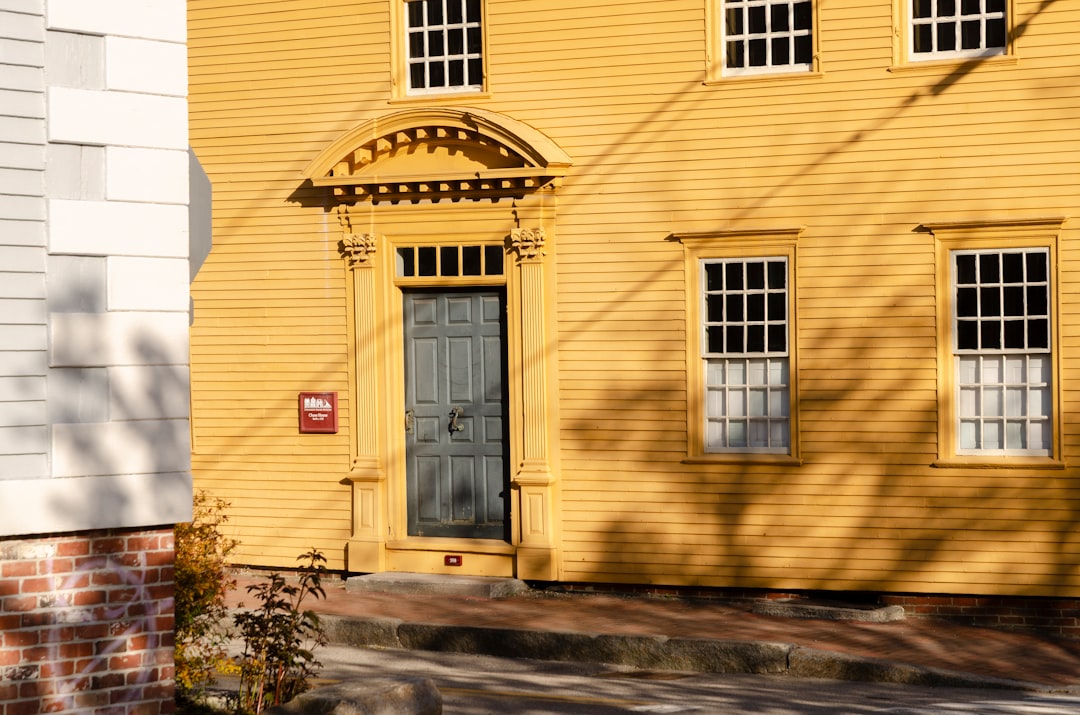
- Divided-light windows: Multiple small panes in the upper sash, single pane below. Original wood-frame windows with working hardware are a preservation feature, replacement with modern aluminum doubles can disqualify homes from historic district protection in some Florida cities.
Where to Find Craftsman Homes in Tampa
Seminole Heights
Seminole Heights is the largest and most culturally active of Tampa's historic bungalow neighborhoods, running along Florida Avenue from Hillsborough Avenue south to Sligh Avenue. The neighborhood has seen dramatic revitalization since 2010, with a restaurant and bar scene that has made it one of Tampa's most desirable urban neighborhoods. Craftsman bungalows here run 1,100 to 1,800 square feet, typically 3 bedrooms on lots of 6,000 to 9,000 square feet. Prices: $380K to $650K for move-in ready; $300K to $420K for homes needing renovation. The Greater Seminole Heights neighborhood is a local historic district exterior changes require review from Tampa's Architectural Review Commission.
Old Seminole Heights
Old Seminole Heights sits immediately north of Seminole Heights, roughly from Hillsborough Avenue north to Busch Boulevard. The neighborhood has older and often larger bungalows than the main Seminole Heights corridor, some homes here run 1,600 to 2,200 square feet on lots of 8,000 to 12,000 square feet. The pace of renovation has been slightly slower than Seminole Heights proper, meaning more value opportunity for buyers willing to take on a project. Prices: $340K to $600K depending on condition and size.
Tampa Heights
Tampa Heights is directly north of downtown Tampa, and its revitalization has accelerated since the Armature Works food hall opened at the riverfront in 2018. The neighborhood mixes Craftsman bungalows with Victorian-era Foursquares, Colonial Revival cottages, and early-modern homes from the 1940s, 1950s. Walkability to downtown and the Riverwalk is a major draw. Home sizes: 1,000 to 2,000 square feet. Prices: $350K to $700K for renovated homes. Tampa Heights is a local historic district with Architectural Review Commission oversight.
Riverside Heights
Riverside Heights runs along the Hillsborough River just north of downtown, bordered by Tampa Heights to the east. The neighborhood is smaller than Seminole Heights but shares its bungalow character with the addition of river views on the western edge. Some homes have direct river access. Prices: $380K to $750K, with premium for river proximity. Riverside Heights is among the most competitive bungalow markets in Tampa because of its proximity to downtown and the river.
V.M. Ybor
V.M. Ybor (named for Vicente Martinez Ybor) is the residential area east of Ybor City, developed primarily in the 1920s, 1940s for cigar factory workers. Craftsman bungalows here are smaller, typically 900 to 1,400 square feet, and more affordable. Prices: $280K to $450K. The neighborhood is undergoing revitalization as Ybor City's commercial corridor expands. For value-conscious buyers who want a bungalow at a lower entry point, V.M. Ybor is worth investigating.
Tampa Craftsman Bungalow Price Guide by Neighborhood
| Neighborhood | Typical Size | Move-In Ready | Project/Fixer | Historic District |
|---|---|---|---|---|
| Seminole Heights | 1,100 to 1,800 sq ft | $380K to $650K | $300K to $420K | Yes (local) |
| Old Seminole Heights | 1,200 to 2,200 sq ft | $380K to $600K | $290K to $400K | No |
| Tampa Heights | 1,000 to 2,000 sq ft | $380K to $700K | $310K to $450K | Yes (local) |
| Riverside Heights | 1,100 to 1,900 sq ft | $400K to $750K | $320K to $470K | No |
| V.M. Ybor | 900 to 1,400 sq ft | $300K to $450K | $240K to $340K | No |
What to Know Before Buying a Tampa Craftsman Bungalow
Pre-1978 Hazardous Materials
All Tampa bungalows from the 1920s, 1977 may contain lead-based paint and asbestos-containing materials, including floor tiles (especially the black 9x9 vinyl asbestos tiles common under linoleum), pipe insulation, siding, and roof materials. Florida requires sellers to disclose known lead paint in homes built before 1978. Request a specialized inspection that addresses hazardous materials, not just a standard home inspection, especially if you plan to renovate.
Electrical: Knob-and-Tube and Aluminum Wiring
Homes from the 1920s, 1940s often still have knob-and-tube wiring, an open-air two-wire system without a ground. It works but is not compatible with modern grounded outlets, and many insurance companies will not write coverage for homes with active knob-and-tube without an electrical inspection or full upgrade. A full rewire of a 1,400-square-foot bungalow typically runs $8,000 to $18,000. Verify the panel and wiring during your inspection before making an offer.
Plumbing: Galvanized and Cast Iron
Original supply plumbing is galvanized steel, it corrodes from the inside out, reducing water pressure over time and eventually failing. Original drain lines are cast iron, which can crack and develop root infiltration as it ages. Most fully renovated bungalows have already been re-plumbed with copper supply lines and updated drain systems. Verify during inspection. Full re-plumb of a 1,400-square-foot home: $6,000 to $14,000.