Quick Answer
Mediterranean Revival homes in Tampa are concentrated in Hyde Park, Palma Ceia, Davis Islands, and Beach Park, with prices ranging from $600K for a smaller 1920s cottage to $3M+ for a fully restored estate. These homes feature barrel tile roofs, stucco exteriors, arched doorways, and interior courtyards, characteristics that define Tampa's most historic upscale neighborhoods.
Mediterranean Revival architecture is Tampa's signature luxury style, born from the same 1920s Florida land boom that shaped Miami Beach and Coral Gables. When developer D.P. Davis filled in Davis Islands and Peter O. Knight built out Hyde Park's oak-lined streets, Mediterranean Revival was the architectural language of ambition. Today those original homes, and the faithful modern interpretations built alongside them, represent some of the most sought-after real estate in Tampa Bay. I'm Barrett Henry, Broker Associate at REMAX Collective, and I've helped buyers find Mediterranean homes across South Tampa's historic districts for more than two decades. Here's what you need to know.
What Makes a Home "Mediterranean Revival"?
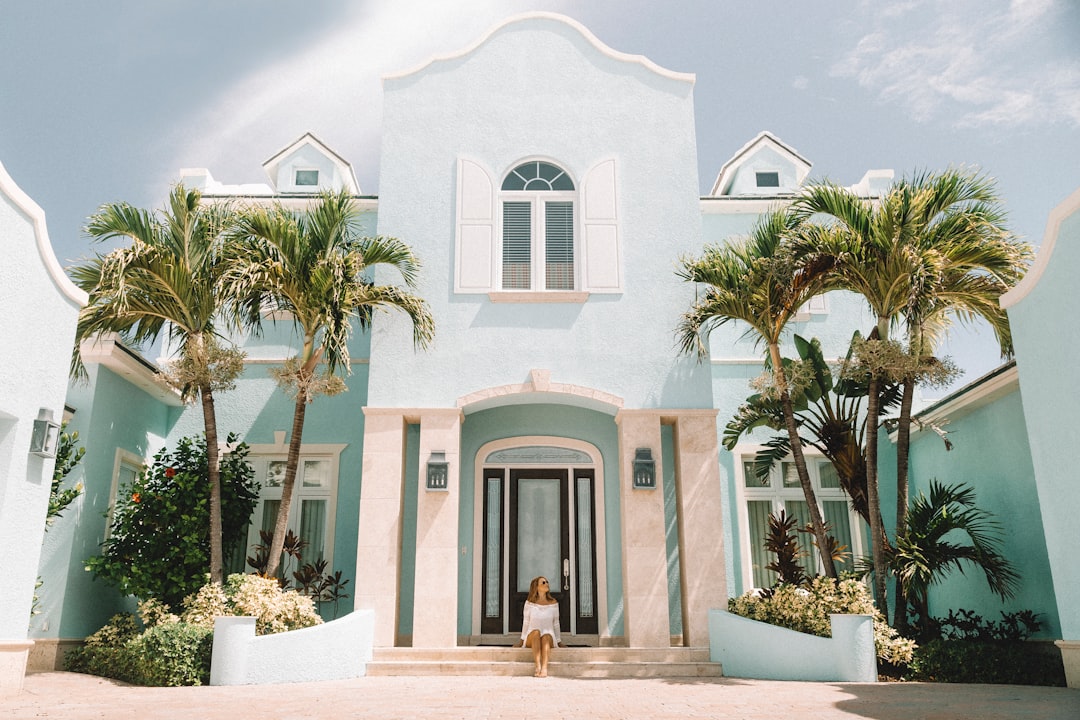
Mediterranean Revival (also called Spanish Revival or Spanish Eclectic) draws from Spanish, Italian, and Moorish architecture. According to the National Park Service, the style peaked in the United States from 1915 to 1940, perfectly aligning with Tampa's first major growth wave.
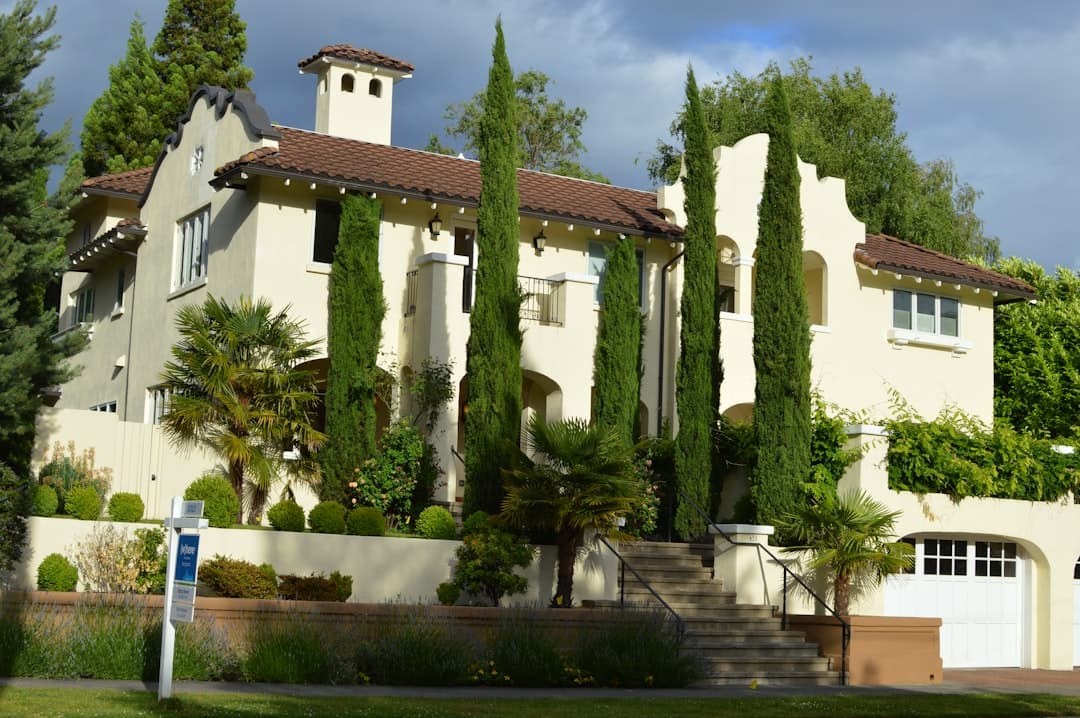
Defining Architectural Features
- Barrel tile roof: S-shaped or mission-style clay tiles in terra cotta or buff. More durable than asphalt shingles, but replacement costs run $15,000 to $40,000+ for a full re-tile.
- Stucco exterior: Smooth or textured, traditionally lime-based. Modern repairs use acrylic stucco, compatible but watch for moisture trapping at seams.
- Arched doorways and windows: Semicircular or keystone arches on entry doors, windows, and loggias.
- Wrought iron details: Window grilles, balcony railings, lantern-style light fixtures.
- Interior courtyard or loggia: Covered outdoor living space oriented to catch prevailing breezes, Tampa's original solution to heat before air conditioning.
- Red or hand-painted tile accents: Decorative Talavera or Saltillo tile in kitchens, baths, and entryways.
- Thick plaster walls: Original homes have plaster over masonry, superior soundproofing and thermal mass compared to modern drywall construction.
Where to Find Mediterranean Homes in Tampa, Neighborhood by Neighborhood
Hyde Park
Hyde Park is Tampa's premier historic neighborhood, platted in the 1880s and built out through the 1940s. Mediterranean Revival homes here sit alongside Colonial Revival, Tudor, and Craftsman bungalows. The Hyde Park Historic District (listed on the National Register of Historic Places) covers the core blocks around Bayshore Boulevard. Prices run $700K to $2.5M+ depending on size, condition, and proximity to Bayshore. The historic district designation means any exterior changes visible from the street require a Certificate of Appropriateness from the Tampa Historic Preservation Commission, factor that into renovation timelines.
Palma Ceia
Palma Ceia is South Tampa's golf-course neighborhood, developed around the Palma Ceia Golf and Country Club beginning in the 1920s. Mediterranean Revival estates here are larger than Hyde Park, many original homes exceed 3,000 square feet on lots of 10,000 to 15,000 square feet. The neighborhood runs from MacDill Avenue east to Manhattan Avenue, south of Swann. Expect $900K to $3M+ for the largest estates. Palma Ceia is not in a formal historic district, giving owners more renovation flexibility.
Davis Islands
D.P. Davis filled these islands from Tampa Bay in 1924 and designed them from scratch in Mediterranean Revival style, the island itself is an artifact of the boom. Original homes from the 1920s and 1930s coexist with 1950s-1980s ranch homes and 2000s-era new construction. Mediterranean originals on the island run $800K to $2M+. The Davis Islands Historic District covers several blocks of the original developer's construction. Proximity to Tampa General Hospital and Peter O. Knight Airport (private) adds commuter appeal.
Beach Park
Beach Park runs along Westshore Boulevard south of Kennedy, with canals on three sides. Mediterranean Revival homes here tend to be larger waterfront or water-view properties from the 1940s, 1960s, with canal frontage and boat docks. Many have been fully renovated or rebuilt behind original facades. Prices run $750K to $4M+ for waterfront. Beach Park has no formal historic district designation, which means more renovation freedom, and more teardowns.
Bayshore Beautiful
The neighborhood north of Ballast Point along Bayshore Boulevard has a mix of Mediterranean Revival, Spanish Colonial, and mid-century modern homes. Less dense with historic inventory than Hyde Park or Palma Ceia, but often more affordable per square foot. Prices: $600K to $1.8M.
Mediterranean Home Price Comparison by Tampa Neighborhood
| Neighborhood | Typical Size Range | Price Range | Historic District | Key Feature |
|---|---|---|---|---|
| Hyde Park | 1,800 to 3,500 sq ft | $700K to $2.5M+ | Yes, NR listed | Oak-canopy streets, walkability |
| Palma Ceia | 2,200 to 5,000+ sq ft | $900K to $3M+ | No | Golf course adjacency, larger lots |
| Davis Islands | 1,600 to 3,200 sq ft | $800K to $2M+ | Partial (Davis Islands HD) | Island setting, waterfront access |
| Beach Park | 2,000 to 5,500+ sq ft | $750K to $4M+ | No | Canal frontage, boat access |
| Bayshore Beautiful | 1,600 to 3,000 sq ft | $600K to $1.8M | No | Bayshore Blvd proximity |
What to Know Before Buying a Mediterranean Home in Tampa
Historic Designation Considerations
Tampa has two types of historic protection. Properties on the National Register of Historic Places receive federal tax incentives for qualified rehabilitation work (20% federal credit for income-producing properties) but no regulatory restrictions for private owners. Properties in a locally designated historic district require a Certificate of Appropriateness from Tampa's Architectural Review Commission for any exterior changes visible from public right-of-way. This covers window replacements, door changes, additions, and sometimes paint colors. The process typically takes 30 to 90 days and can add cost and time to renovations.
Pre-1978 Home Considerations
All Tampa Mediterranean homes from the 1920s, 1977 era may contain lead-based paint and asbestos-containing materials (floor tiles, pipe insulation, roof underlayment). Florida law requires disclosure of known lead paint in homes built before 1978. Request a complete inspection report, not just a standard home inspection, that addresses hazardous materials before making an offer.
Roof and Stucco Inspection
Barrel tile roofs last 50+ years with proper maintenance, but the underlayment beneath the tiles typically needs replacement every 20 to 30 years. A full re-tile runs $18,000 to $45,000 for a 2,500-square-foot home. Stucco should be inspected for cracks, delamination, and moisture intrusion, especially around windows and at the base where it meets the foundation. Spanish-style arched windows are notorious leak points when original window seals fail.
Plumbing and Electrical in Older Homes
Original 1920s, 1940s homes may still have galvanized steel plumbing (prone to corrosion and reduced flow) and knob-and-tube or aluminum wiring. Most fully updated homes have already converted to copper plumbing and modern electrical panels, but verify during inspection. Full re-plumb and re-wire of a 2,500-square-foot historic home can run $25,000 to $60,000.