Quick Answer
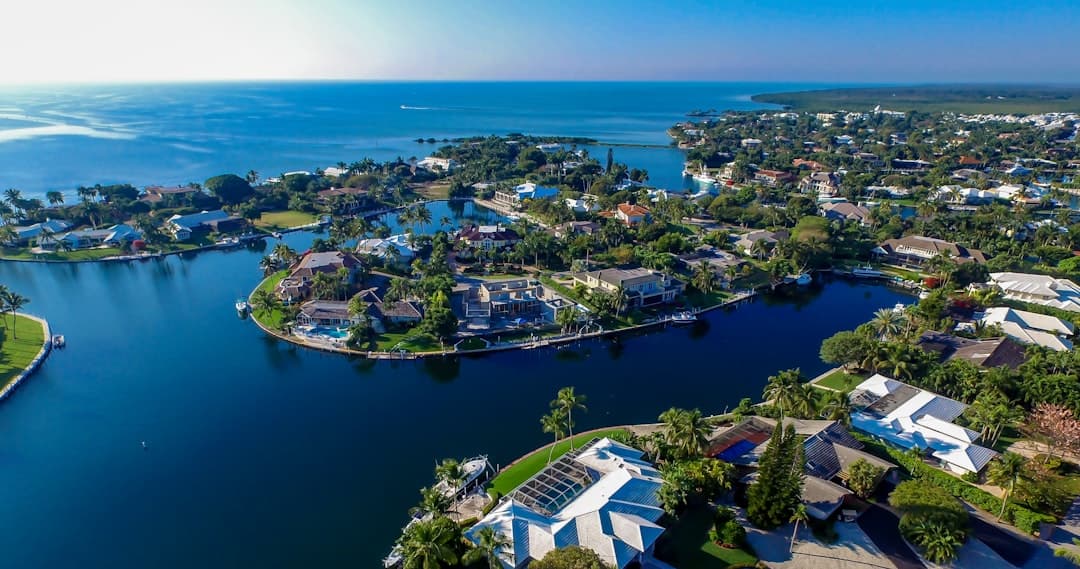
St. Pete Beach is a genuinely beautiful place to live with walkable Gulf beach access, a vibrant Corey Ave shopping district, and a tight-knit year-round community. The honest cons are high flood and wind insurance costs, hurricane evacuation requirements, seasonal tourist congestion, and limited on-island schools. It works best for remote workers, retirees, and buyers who can absorb the full cost of island living. Call Barrett Henry at (813) 733-7907 to discuss whether it fits your situation.
Is St. Pete Beach FL a Good Place to Live? An Honest Assessment for 2026
St. Pete Beach, Florida (ZIP 33706) is consistently ranked among the top Gulf Coast beach communities in the United States. Tripadvisor and various travel publications have recognized it repeatedly for beach quality. But tourist rankings and livability rankings are different things. As someone who has helped buyers evaluate this market for over 23 years, I want to give you the honest picture: what is great, what is not, and who it genuinely works for.
For market data: St. Pete Beach homes for sale, housing market. For cost planning: cost of living, property taxes. Neighboring options: Treasure Island, Gulfport, St. Petersburg.
What Are the Best Things About Living in St. Pete Beach FL?
Pro 1: World-Class Gulf Beach Access
The Gulf of Mexico is at the end of many residents' streets. The water is warm (upper 70s to mid-80s from May through October), clear, and calm. Pass-a-Grille at the southern end of the island is one of the most beautiful and least-crowded Gulf beach areas in the entire Tampa Bay region. Year-round residents swim, paddleboard, kayak, and walk the beach as part of their daily routine, not as a vacation activity.
Pro 2: Walkable Corey Avenue District
Corey Avenue is St. Pete Beach's main commercial street and runs perpendicular to the Gulf. It has independent restaurants, a weekend farmers market, boutique shops, and a genuine community feel. It is one of the few beach communities in the Tampa Bay area with a functioning walkable main street rather than just a Gulf Boulevard strip of chain hotels. Residents within a few blocks of Corey Ave can handle most daily shopping and dining on foot.
Pro 3: Small, Stable Community Identity
St. Pete Beach has approximately 9,000 to 10,000 year-round residents. This keeps it from feeling like a transient resort town despite the tourism. The city has active neighborhood associations, a responsive city government, and a community character that long-term residents protect. Unlike some barrier island communities that have entirely converted to vacation rentals, St. Pete Beach still has real neighborhoods.
Pro 4: Central Gulf Coast Location
Downtown St. Petersburg is 10 to 15 miles and 20 to 30 minutes away by car. Tampa is 30 to 40 minutes in normal traffic. Both provide urban amenities, healthcare, major employers, professional sports (Lightning, Rays, Rowdies), and cultural institutions. St. Pete Beach residents get the barrier island lifestyle without true isolation.
Questions About St. Pete Beach?
Barrett Henry, Licensed Florida Real Estate Broker, REMAX Collective. 23+ years of real estate experience.
Contact BarrettCall (813) 733-7907What Are the Honest Downsides of Living in St. Pete Beach FL?
Con 1: Insurance Costs Are High and Rising
Wind insurance on a St. Pete Beach SFH runs $4,000 to $12,000+ per year depending on coverage. Flood insurance in Zone AE runs $2,000 to $6,000 per year and in Zone VE can exceed $20,000 per year. Combined insurance costs for a mid-range St. Pete Beach home can easily exceed $8,000 to $15,000 annually. Florida's insurance market remains under pressure, and premiums have risen substantially since 2020.
Con 2: Hurricane Evacuation Is Real
St. Pete Beach is in Pinellas County's evacuation zones. Most of the island is in Zone A, which means mandatory evacuation orders during major hurricane threats. Evacuation from a barrier island involves crossing one of a limited number of bridges and entering the Pinellas peninsula, which itself is one of the most difficult evacuation geographies in the country. Hurricane preparation and evacuation planning are not hypothetical concerns here.
Con 3: Tourist Season Congestion
From approximately March through Labor Day, Gulf Boulevard and beach access points see heavy tourist traffic. Spring break (March and early April) is the most intense period. Parking, restaurants, and beach space are all more crowded. Residents who have lived here long-term develop routines that minimize tourist-traffic impact, but it is a real daily life factor from roughly 6 months of the year.
Con 4: Limited On-Island Schools and Services
Gulf Beaches Elementary serves grades K-5 on the island. Middle and high school students commute off-island to Azalea Middle and Boca Ciega High (or other Pinellas options). Grocery options on the island are limited to a smaller Publix; larger shopping requires crossing to the mainland. Hospital and urgent care access requires leaving the island.