The Honest Case For Treasure Island
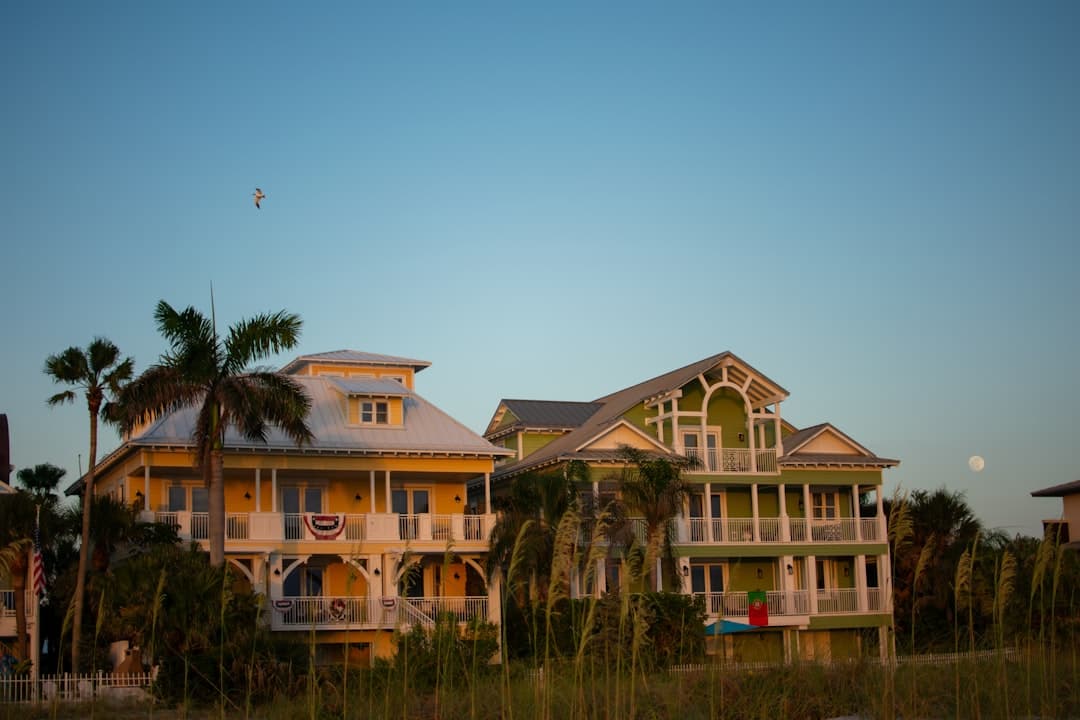
Treasure Island offers something that is genuinely hard to find in Florida: direct Gulf Coast access with a small, permanent residential community rather than the heavily commercialized feel of some other beach towns. The beach itself, one of the wider and less crowded stretches of Pinellas County Gulf frontage, is the main attraction.
Pro 1: Gulf Beach Access Without the Crowds of Clearwater Beach
Clearwater Beach consistently ranks among the most visited beaches in the United States and, on peak weekends, it shows. Treasure Island and its neighbor St. Pete Beach attract fewer day-trippers, and the residential sections of the beach have a quieter feel. Residents who live west of Gulf Boulevard are typically a short walk from beach access.
Pro 2: Small-Town Scale
With roughly 4,500 permanent residents, Treasure Island is a city in name but a neighborhood in feel. You recognize faces at local restaurants. The city government is accessible. Events like the Sanding Ovations masters sand sculpting competition (held annually at the beach) have a genuinely local character. For buyers who are tired of suburban anonymity, the small scale can be deeply appealing.
Pro 3: Boating and Water Access
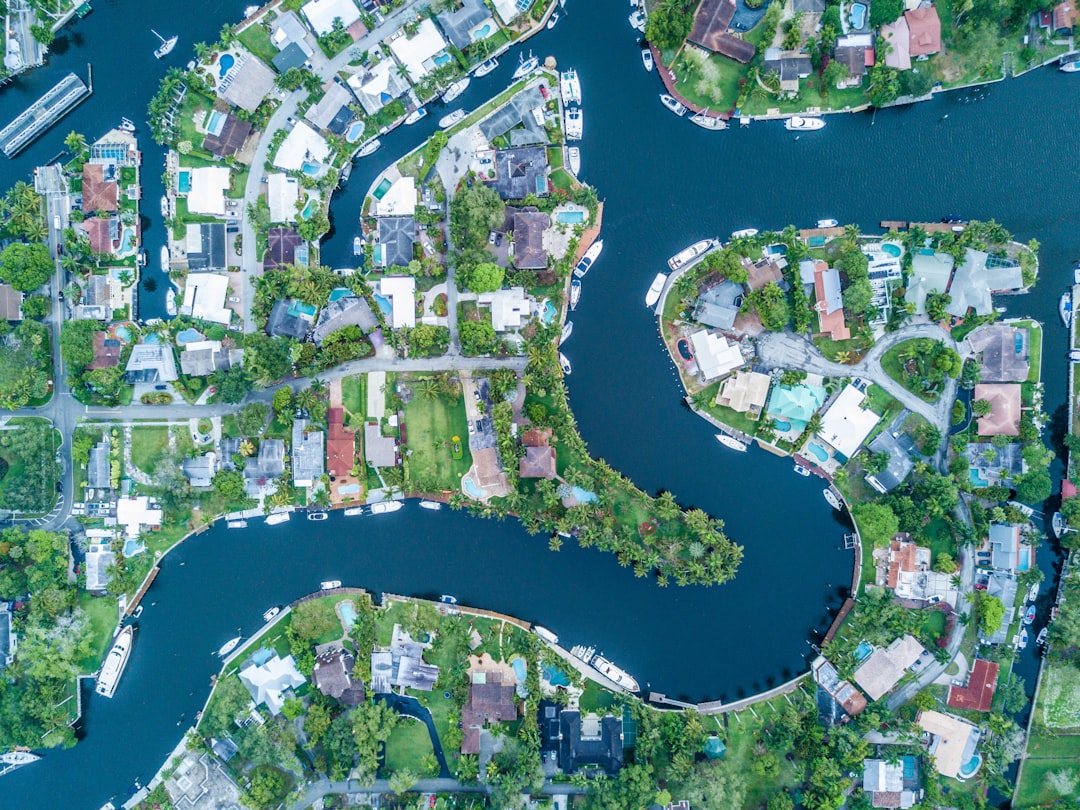
Canal-front properties with private docks are a defining feature of Treasure Island's residential market. Direct Intracoastal Waterway and Gulf access makes Treasure Island attractive to serious boaters. Multiple marina facilities service residents who do not have private dockage. The Intracoastal provides protected water for kayaking and paddleboarding year-round.
Pro 4: Florida's Tax Environment
Florida has no state income tax, which benefits residents who earn investment income, retirement distributions, or remote work income. The absence of a state income tax is a significant financial advantage for many people who relocate from states like New York, New Jersey, California, or Illinois. Combined with homestead exemption property tax benefits, the tax environment is genuinely favorable despite the high insurance costs.
Pro 5: Year-Round Gulf Water Temperatures
Gulf water temperatures in Pinellas County typically range from the low 60s in winter to the mid-80s in summer. Swimming is practical for most of the year, which is a meaningful quality-of-life factor for water-oriented residents. The Gulf's calmer wave action compared to Atlantic beaches also makes it more accessible for casual swimming and paddleboarding.
Pro 6: Proximity to St. Petersburg Arts and Dining
Downtown St. Petersburg is approximately 20 to 30 minutes by car depending on traffic. St. Pete's restaurant scene and arts district (including the Salvador Dali Museum, the Museum of Fine Arts, and a concentrated gallery district) provide urban amenities within reach of the island lifestyle. The proximity is closer than many people expect when they look at a map.
The Honest Case Against Treasure Island
Con 1: Insurance Costs Are Significant
This is the dominant financial drawback. Combined annual flood and wind insurance on a Gulf-front or canal-front property in Treasure Island commonly runs $8,000 to $15,000 per year or more. Under NFIP Risk Rating 2.0, flood insurance premiums are now tied to individual property risk factors rather than broad zone classifications. A property with a finished first floor at or below the Base Flood Elevation will pay substantially more than a property elevated on pilings with the first finished floor well above BFE.
Wind insurance through the private market or Citizens Property Insurance is a separate policy from flood insurance. For a property valued at $750,000, annual wind premiums from Citizens can run $6,000 to $10,000 depending on construction type, roof age, and wind mitigation features. The combined insurance burden is a monthly expense that must be factored into affordability calculations before, not after, making an offer.
Con 2: No Walkable Grocery Store or Major Retail
Treasure Island has restaurants, bars, and small specialty shops along Gulf Boulevard, but there is no full-service grocery store, pharmacy, hardware store, or major retail on the island. For any routine errand beyond eating out, residents need a car and a drive to the mainland or Madeira Beach. For buyers used to urban walkability, this is a material lifestyle change.
Con 3: Gulf Boulevard Traffic
Gulf Boulevard (SR 699) is the primary north-south artery through Treasure Island and the other barrier island communities. On peak season weekends (January through April) and during special events, traffic on Gulf Boulevard and the causeways can be genuinely frustrating. The causeway access creates a chokepoint that affects emergency response times and evacuation logistics during storm events.
Con 4: Evacuation Zone A
Treasure Island falls in Pinellas County's Zone A, the highest-risk hurricane evacuation category. Zone A residents are ordered to evacuate first when a significant hurricane threatens. Pinellas County has a unique peninsula geography, with evacuation routes funneling onto a small number of causeways and bridges. Evacuation traffic during a major storm event can be severe. Residents who are not able or willing to evacuate reliably are at genuine physical risk.