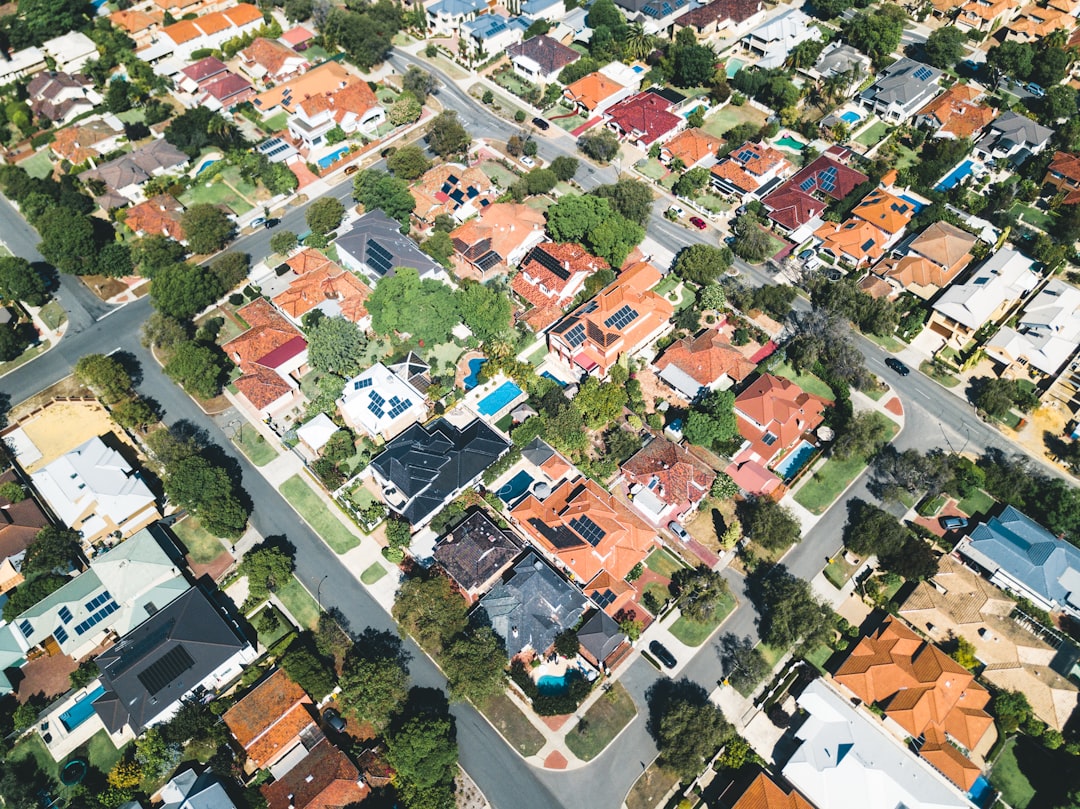
Quick Answer: Buying a home in Treasure Island FL requires understanding three things before you make an offer: the property's flood zone and insurance cost, the condo building's milestone inspection status (for condos), and the total monthly carrying cost including flood and wind insurance. Barrett Henry, Broker Associate at REMAX Collective, has helped buyers navigate these specifics in Treasure Island for 23 years. This guide walks through the full process.
What's Currently Available: Treasure Island Home Types
Single-Family Homes: Gulf-Front
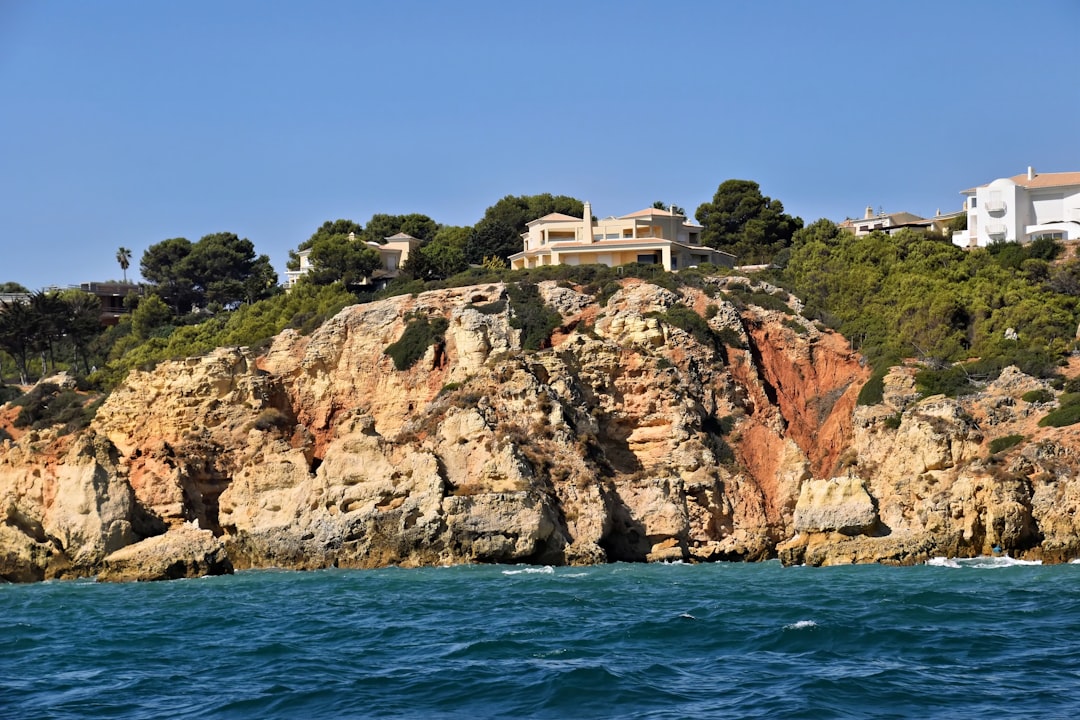
Gulf-front single-family homes are the prestige category in Treasure Island. Properties sit on the western shore of the barrier island with direct Gulf of Mexico frontage and private beach access. Prices range from approximately $1.5 million to $4 million or more, with the most expensive homes featuring contemporary construction elevated on pilings to reduce flood risk and insurance costs. Older Gulf-front homes built at grade level carry substantially higher flood insurance premiums under NFIP Risk Rating 2.0.
The critical due diligence item for Gulf-front SFH buyers is understanding the Zone VE flood insurance premium before making an offer. Get an actual quote, not an estimate, from a licensed Florida flood insurance agent using the property's address and any elevation certificate on file.
Single-Family Homes: Canal-Front with Dock
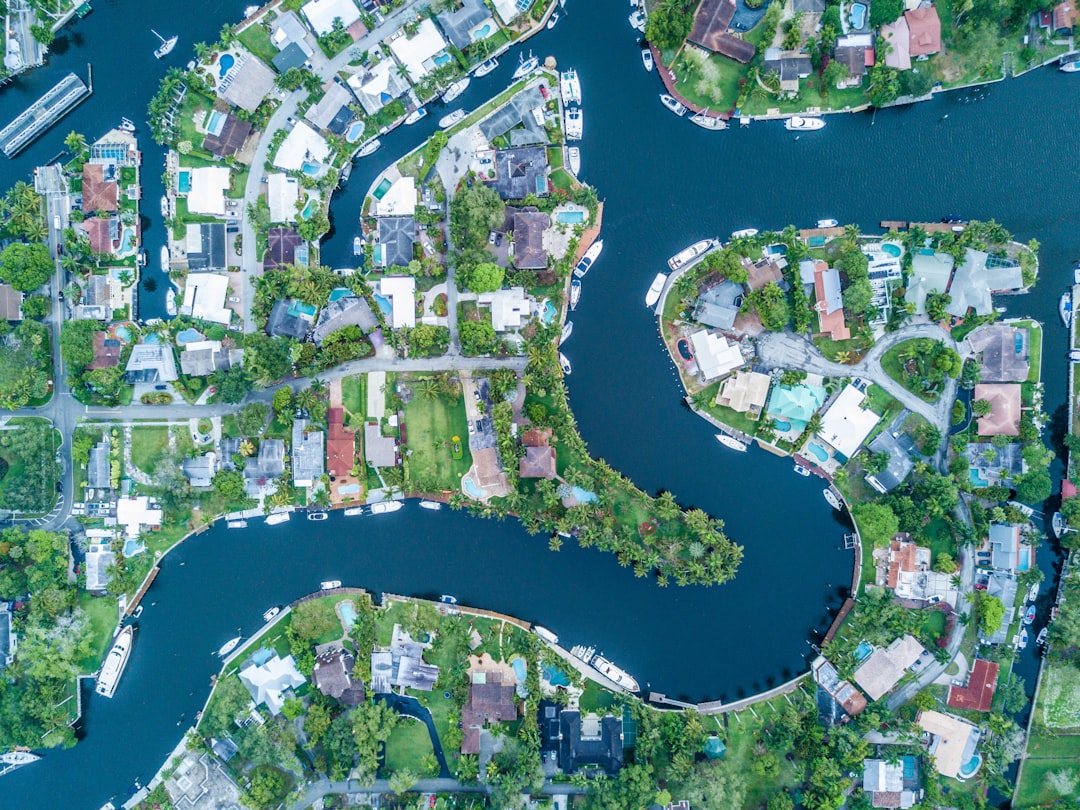
Canal-front homes with private dock access are the volume segment of the waterfront SFH market in Treasure Island. These properties sit on canals that connect to Boca Ciega Bay and the Intracoastal Waterway, providing protected boat access to the Gulf. Prices typically range from $750,000 to $1.2 million depending on lot size, canal width, water depth, dock configuration, and home condition.
Key questions for canal-front buyers: What is the water depth at the dock at low tide? Is there a fixed bridge on the route to the Gulf that limits boat height? What is the dock's condition and when was it last permitted? What is the seawall's age and condition? These factors affect both usability and future maintenance costs.
Single-Family Homes: Interior (No Waterfront)
Interior non-waterfront homes in Treasure Island typically range from $550,000 to $750,000. These properties are still in FEMA flood zones AE or X, but without the premium associated with direct waterfront access. Insurance costs are lower than waterfront properties, and some buyers find interior lots provide a more favorable risk-adjusted ownership cost for the same or higher home quality.
Condominiums
Treasure Island has a significant condominium inventory along Gulf Boulevard and the Gulf shore. Prices range from $250,000 for smaller interior units in older buildings to $900,000 or more for updated Gulf-front units with renovated interiors and balconies. The condo segment carries additional due diligence requirements under Florida's SB 4-D and SB 154 milestone inspection and reserve funding laws.
Key questions for condo buyers: Has the building completed its required structural milestone inspection? What did the inspection find? Has the association completed a Structural Integrity Reserve Study? What is the current reserve balance vs. the fully funded amount? Is there a pending or recently approved special assessment? What does the declaration say about short-term rentals?
Paradise Island Properties
Paradise Island is a distinct neighborhood within Treasure Island's city limits, located east of Boca Ciega Bay. It offers larger lots, calmer bay-front water rather than Gulf frontage, and more of a residential feel than the main island strip. Single-family homes here typically range from $700,000 to $1.5 million. Flood insurance requirements remain (Zone AE typically applies), but the absence of Zone VE classification can result in lower premiums compared to Gulf-front properties.
The Insurance Cost Calculation: Do This Before Making Any Offer
The single most important step for any Treasure Island buyer is obtaining actual flood and wind insurance quotes before finalizing an offer price. The difference in monthly cost between two properties at the same purchase price can be $500 to $800 per month depending on flood zone, elevation, and construction type. This is not a number to estimate; it is a number to verify.
Step 1: Identify the Flood Zone
Look up the property at msc.fema.gov. Note whether it is Zone VE, AE, or X. VE carries the highest premiums; X the lowest.
Step 2: Obtain the Elevation Certificate
If the property has an elevation certificate on file, your agent can obtain it or the seller can provide it. The elevation certificate documents the first finished floor elevation relative to the Base Flood Elevation. Properties elevated above BFE typically qualify for lower NFIP premiums. No elevation certificate means the insurer will assume the worst-case elevation.
Step 3: Get Actual Flood Insurance Quotes
Contact an independent insurance agent who specializes in Florida coastal properties. Get an NFIP quote and any available private flood insurance alternatives. Annual flood premiums in Treasure Island commonly range from $1,500 to $8,000 for residential properties depending on the above factors.
Step 4: Get Actual Wind and Homeowners Insurance Quotes
Wind insurance for a Treasure Island property is often placed through Citizens Property Insurance Corporation or the private market. Annual wind premiums on a $750,000 replacement cost home can run $5,000 to $10,000 depending on roof age, roof type, construction type, and wind mitigation features. A wind mitigation inspection (completed by a licensed inspector) documents hurricane-resistant features and can reduce Citizens premiums by 20% to 50% depending on the features present.
Step 5: Calculate Total Monthly Carrying Cost
Add together: monthly P&I payment, estimated monthly property taxes (annual estimate / 12), monthly flood insurance, monthly wind/homeowners insurance, and any HOA fees. This is your true monthly cost of ownership and should be your budget benchmark, not just the mortgage payment.
Condo Due Diligence Under SB 4-D and SB 154
Florida's condo milestone inspection laws created legally binding obligations that every Treasure Island condo buyer should understand. Sellers and associations are required to disclose milestone inspection results. As a buyer, you should request the following documents before your inspection contingency period expires:
Documents to Request for Any Treasure Island Condo
- Structural Milestone Inspection Report: Phase I is a visual inspection; Phase II involves more intrusive investigation if Phase I finds substantial structural deterioration. Get both if Phase II was completed.
- Structural Integrity Reserve Study (SIRS): Documents required reserves for each major building component. Compare the SIRS recommended reserve balance to the association's actual current reserve balance.
- Last 3 years of meeting minutes: These will reveal any discussions of structural issues, insurance problems, or financial concerns.
- Current year budget and last 3 years of financial statements: Review operating expenses vs. income and current reserve fund balance.
- Insurance policies: What coverage does the association carry? What does the master policy cover vs. what each owner must cover (HO-6 policy)?
- Special assessment history and any pending assessments: Are there any approved assessments not yet collected? Any discussions of future assessments?
- Declaration and Rules: Short-term rental restrictions, pet policies, lease restrictions.
Making an Offer: Negotiation Context in 2026
The Treasure Island market in 2026 has moderated from the 2021-2022 peak. Condo sellers in particular are facing pricing pressure from buyers who are accounting for potential milestone inspection special assessments and high insurance costs. Single-family waterfront sellers of well-maintained properties with favorable insurance profiles maintain pricing power.
Leverage Points for Buyers
- Days on Market: Properties that have been listed for 60 or more days without price reductions often have sellers who are willing to negotiate.
- Insurance cost documentation: If you can document that flood or wind insurance costs are significantly higher than the seller estimated, this is a legitimate basis for a price reduction request.
- Condo reserve underfunding: If the SIRS shows the reserve fund is substantially underfunded, the gap represents a liability that should be reflected in the price.
- Inspection findings: Material defects discovered during the inspection period can support repair requests or purchase price credits.
Seller Priorities to Understand
Many Treasure Island sellers are motivated by insurance cost increases rather than a desire to leave. Understanding why a seller is moving can inform how to structure an offer. A seller facing a special assessment they do not want to pay may accept a price reflecting that liability without requiring extensive negotiation if you make it clear you understand the situation.
Closing Process in Florida
Florida residential transactions typically close with a title company or real estate attorney acting as the settlement agent. The title agent handles escrow, title searches, title insurance commitments, and closing document preparation. Buyers should receive a Closing Disclosure (for financed transactions) at least three business days before closing, detailing all fees and credits. Review it carefully against the original Loan Estimate.
Florida does not require attorney representation at closing, but buyers may elect to hire a real estate attorney for review of contract documents, title commitment review, or HOA document analysis. For purchases above $750,000 or for condo transactions with complex association documents, legal review can be worthwhile.
Working with Barrett Henry to Buy in Treasure Island
Barrett Henry is a Broker Associate at REMAX Collective with 23 years of real estate experience in Tampa Bay, including extensive work in Treasure Island and the surrounding barrier island communities. His approach to buyer representation:
- He will not show you a property without a Buyer Representation Agreement in place (required under the 2024 NAR settlement).
- He does not work both sides of a transaction. When he represents you, he works for you.
- He helps you analyze insurance costs, flood zone risk, and total ownership costs before you make an offer, not after.
- For condo purchases, he guides you through the SB 4-D/SB 154 document review process and helps you identify red flags.
- He provides a comparative market analysis before every offer so you know what comparable properties have actually sold for.
For property management needs on a Treasure Island investment property, ViVi Property Management serves the Tampa Bay barrier island communities and can be reached through a referral from Barrett.
Ready to Start Looking at Treasure Island Homes?
Call or text Barrett Henry at (813) 340-4731 or contact us online. He will walk you through current listings, insurance cost analysis, and the full buying process.
Related Pages
Barrett Henry
Broker Associate, REMAX Collective
23 years of real estate experience
(813) 340-4731 |
nowtb.com/contact