Apollo Beach FL Boat Access 2026: Marinas, Docks and Waterfront Homes
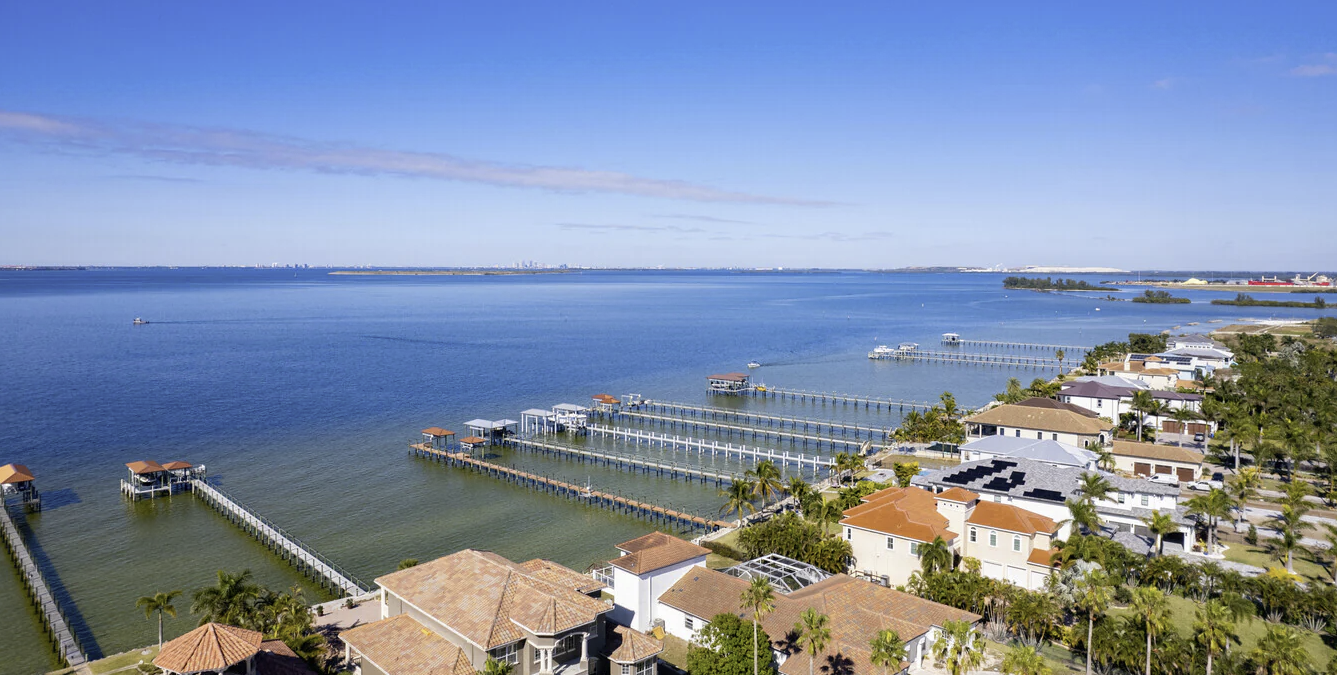
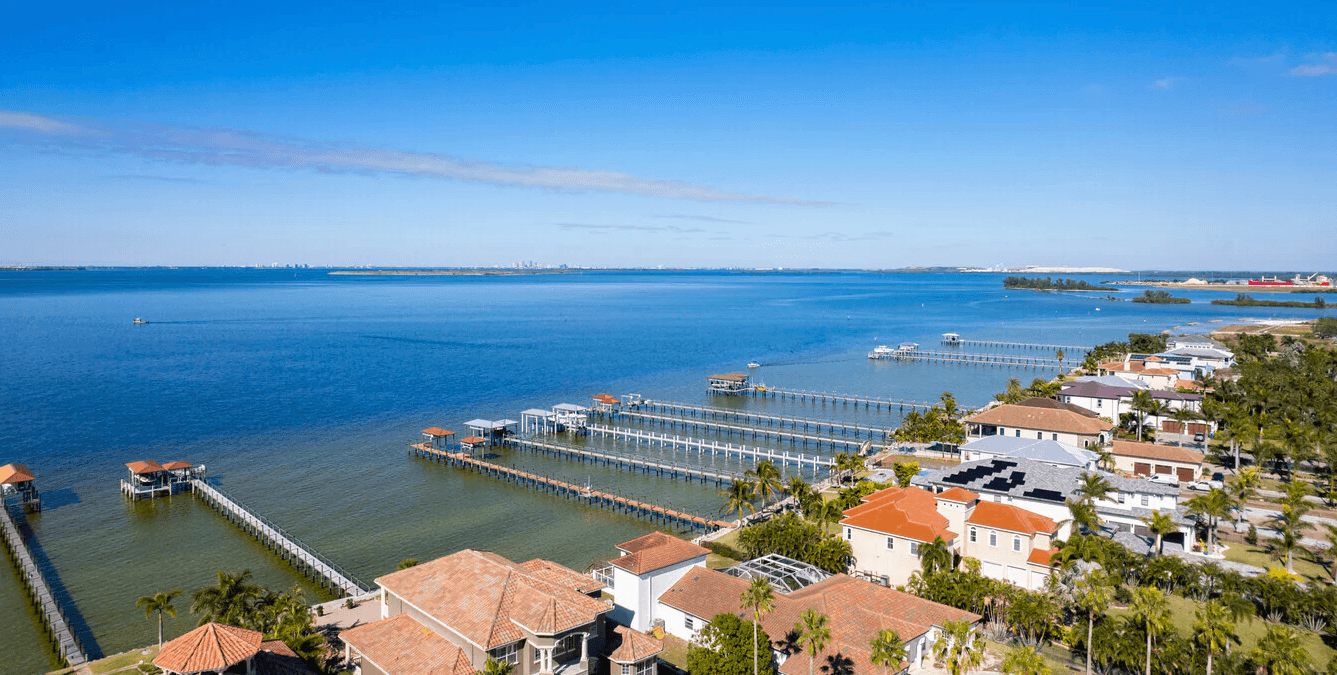
I've sold and helped buyers find waterfront homes in Apollo Beach for years. If your priority is keeping a boat at home, Apollo Beach delivers in a way that few Tampa Bay communities can match. The canal system gives thousands of homes direct access to Tampa Bay and the Gulf of Mexico without trailering. This guide covers everything a boating buyer needs to know, from marina options and dock permits to manatee rules and what waterfront adds to the price tag.
Apollo Beach Canal System: How It Works
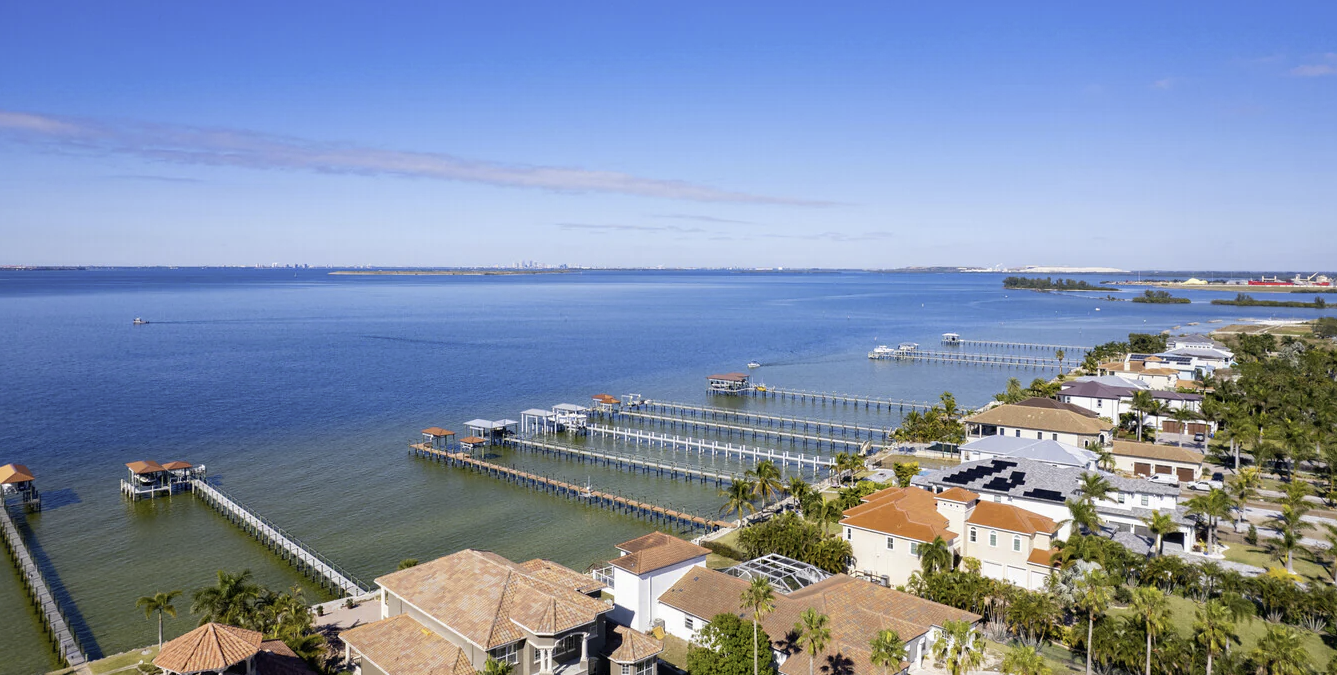
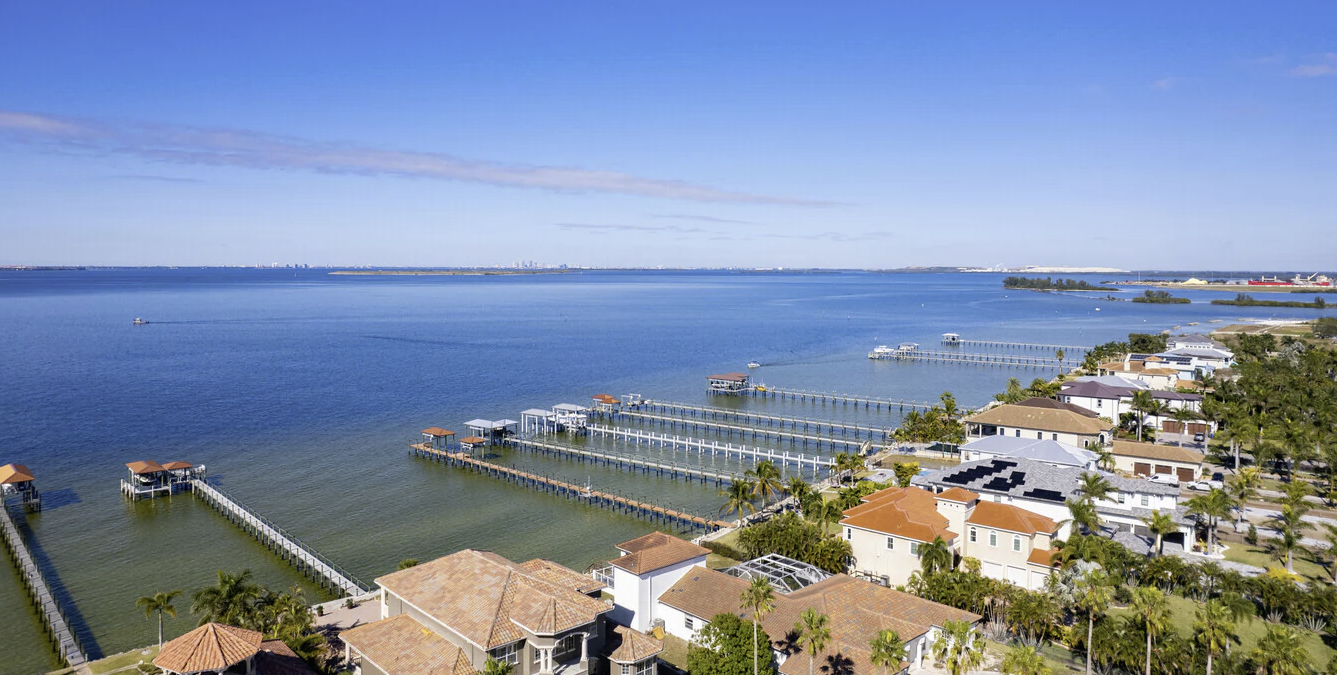
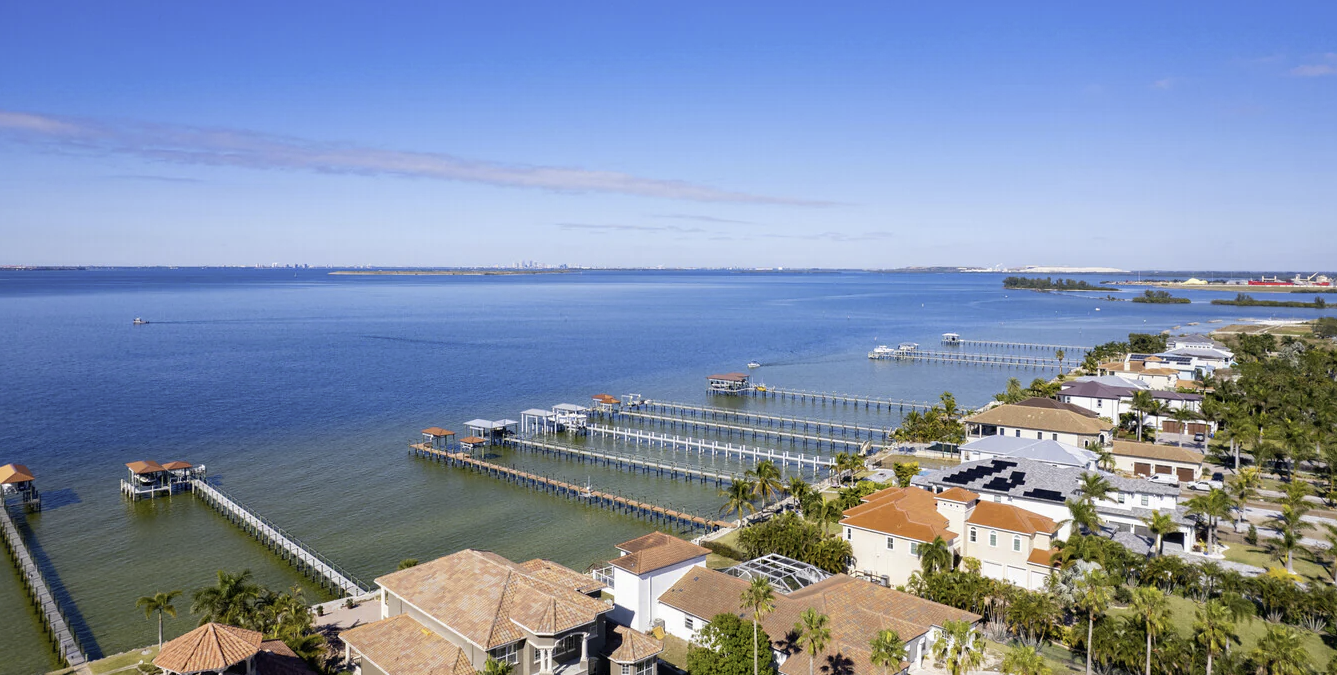
Apollo Beach was developed in the 1960s and 1970s specifically as a boating community. The developer dredged an extensive network of canals through what was then marshland, creating residential lots where every home could have a backyard dock. Today, the community has roughly 300 miles of man-made canals emptying into Tampa Bay through several main navigation channels.
The canals vary in width and depth. Main channels connecting to the bay run 60 to 100 feet wide with navigable depths of 6 to 10 feet at mean low water. Residential finger canals are narrower (30 to 50 feet) with typical depths of 4 to 7 feet. Some older canals, particularly in the western sections of the community, have silted up and may read 3 feet or less at low tide. If you're buying for a specific boat, verify canal depth with a current hydrographic survey, not just the listing agent's word.
Canal Tiers and What They Mean for Home Pricing
Not all waterfront in Apollo Beach is equal. I break canal lots into three categories when advising buyers:
| Canal Tier | Characteristics | Typical Premium Over Non-Waterfront | Best For |
|---|---|---|---|
| Bay-Access, Wide Canal | Direct route to bay, 6+ ft depth, 60+ ft wide | $130,000 to $200,000+ | Large powerboats, sailboats (mast height permitting), cruisers |
| Standard Canal | Bay access with one bridge crossing, 4-6 ft depth | $80,000 to $130,000 | Mid-size powerboats, pontoons, flats boats |
| Restricted Canal | Shallow (under 4 ft), dead-end, or low bridge clearance | $30,000 to $80,000 | Kayaks, small jon boats, shallow-draft skiffs only |
The zip codes 33572 and 33571 both cover Apollo Beach. Generally speaking, homes closer to Apollo Beach Drive and the main bay access points command the highest waterfront premiums. The MiraBay master-planned community (developed in the 2000s) has a separate HOA-managed marina and canal system, which I cover in a companion guide.
Apollo Beach Marina: Your Primary On-Water Hub
Apollo Beach Marina sits on Surfside Blvd at the edge of Tampa Bay. This full-service marina offers:
- Wet slips: Multiple slip sizes accommodating boats from 20 to 50+ feet
- Fuel dock: Gasoline and diesel available
- Dry storage: Rack storage for smaller vessels reduces maintenance costs vs. wet slip
- Boat launch ramp: Public launch with trailer parking (fee applies)
- Ship store: Basic supplies, bait, ice
Slip rental rates at Apollo Beach Marina run roughly $12 to $18 per linear foot per month for monthly contracts, depending on slip location and size. A 30-foot boat in a 35-foot slip would cost approximately $420 to $630 per month. Annual contracts often provide a 5 to 10 percent discount. Rates change seasonally, so always confirm current pricing directly with the marina.
Nearby Marina Options
- Little Harbor Resort and Marina (Ruskin, ~5 miles south): Full-service marina with wet slips, dry storage, fuel, restaurant, and lodging. Historically popular for offshore fishing trips into the Gulf.
- Marjorie Park Yacht Basin (Tampa, ~25 miles north): City of Tampa marina near Bayshore Blvd. Good option for larger offshore cruisers needing access to downtown Tampa facilities.
- MacDill Marina (MacDill AFB, ~20 miles north): Military-only. Active duty and retired military can access this marina with significantly lower slip rates.
Dock Permits in Apollo Beach: What You Need to Know
Building, extending, or replacing a dock in Apollo Beach requires permits through Hillsborough County Environmental Protection Commission (EPC) and sometimes additional review by the Army Corps of Engineers and Florida DEP. The process can take 60 to 180 days depending on scope and environmental review requirements.
Dock Permit Process Overview
- Survey and site plan: You'll need a certified survey showing property lines, mean high water line, and proposed dock footprint.
- Hillsborough County EPC application: Submit drawings, site plan, and application fee (typically $500 to $1,500 depending on dock size and complexity).
- Manatee protection review: EPC forwards to FWC and USFWS for review. This is where most delays occur.
- Army Corps of Engineers: Required for structures in navigable waters. GP (General Permit) review for standard residential docks, IP (Individual Permit) for larger structures.
- Construction and final inspection: After permits issued, build and pass inspection.
When buying a home with an existing dock, always verify that dock permits were properly pulled and closed. Unpermitted docks create title issues and can require costly remediation at the buyer's expense. I always recommend requesting permit records from Hillsborough County before closing on any waterfront property.
Manatee Protection Rules: What Every Apollo Beach Boater Must Know
Apollo Beach has one of the highest concentrations of West Indian manatees in the United States, primarily because TECO's Big Bend Power Station discharges warm water into Tampa Bay nearby. Manatees congregate at the warm outflow during winter months (November through March), and the Apollo Beach Manatee Viewing Area is a popular tourist destination.
Key Manatee Rules for Boaters
- Idle/No-Wake Zones: Multiple designated idle speed and no-wake zones exist throughout Apollo Beach canals and near the bay access points. These are marked with FWCC buoys. Violations carry significant fines.
- Seasonal speed zones (Nov-Mar): Enhanced restrictions go into effect during peak manatee season. Some channels drop to idle speed for the full season.
- No feeding or approaching: Federal law (Marine Mammal Protection Act) prohibits feeding, touching, or harassing manatees. This applies from your dock as well as from your boat.
- Standard Manatee Conditions for dock construction: USFWS requires all in-water construction work to follow Standard Manatee Conditions, which restrict work timing during manatee season and require observer protocols.
As a practical matter, most experienced Apollo Beach boaters plan their departures around tides and have learned where manatees congregate. The warm-water area is on the east side of the community near the TECO plant, so boaters heading south or west generally have fewer manatee-related delays. During winter weekends, the TECO viewin area draws crowds that can slow bay access from nearby canals.
Navigating to Tampa Bay: Routes from Apollo Beach Canals
Several main channels connect the Apollo Beach canal system to Tampa Bay:
- Main Bay Access Channel: The primary route for most of the canal system. Well-marked, regularly maintained, 6+ ft depth. Leads directly to the main body of Tampa Bay.
- South Access via Cockroach Bay: A less-traveled route for smaller boats accessing the southern parts of the community near Ruskin.
- MiraBay Harbor Access: Separate HOA-managed channel for MiraBay residents. Non-MiraBay residents do not have access through this route.
Once in Tampa Bay, boaters can reach the Gulf of Mexico through several passes. Egmont Key is roughly 20 miles southwest. Anna Maria Island and the turquoise Gulf waters are approximately 25 to 30 miles. Tampa downtown and Channelside are 20 miles north. The St. Petersburg waterfront is accessible via the Sunshine Skyway Bridge corridor.
Waterfront Home Prices in Apollo Beach 2026
Based on recent sales data, waterfront canal homes in Apollo Beach generally sell in these ranges: