Quick Answer
Indian Shores offers two types of waterfront: Gulf-front (direct beach, Zone VE, $600K-$5M+) and Intracoastal/Boca Ciega Bay (boating, dock access, Zone AE, $500K-$3M+). Gulf-front carries higher flood insurance costs and more restrictive building codes, but commands a premium for beach access. Intracoastal properties offer boating and protected water with somewhat lower flood insurance costs.
Indian Shores FL Waterfront Homes: Gulf-Front vs Intracoastal Buyer's Guide
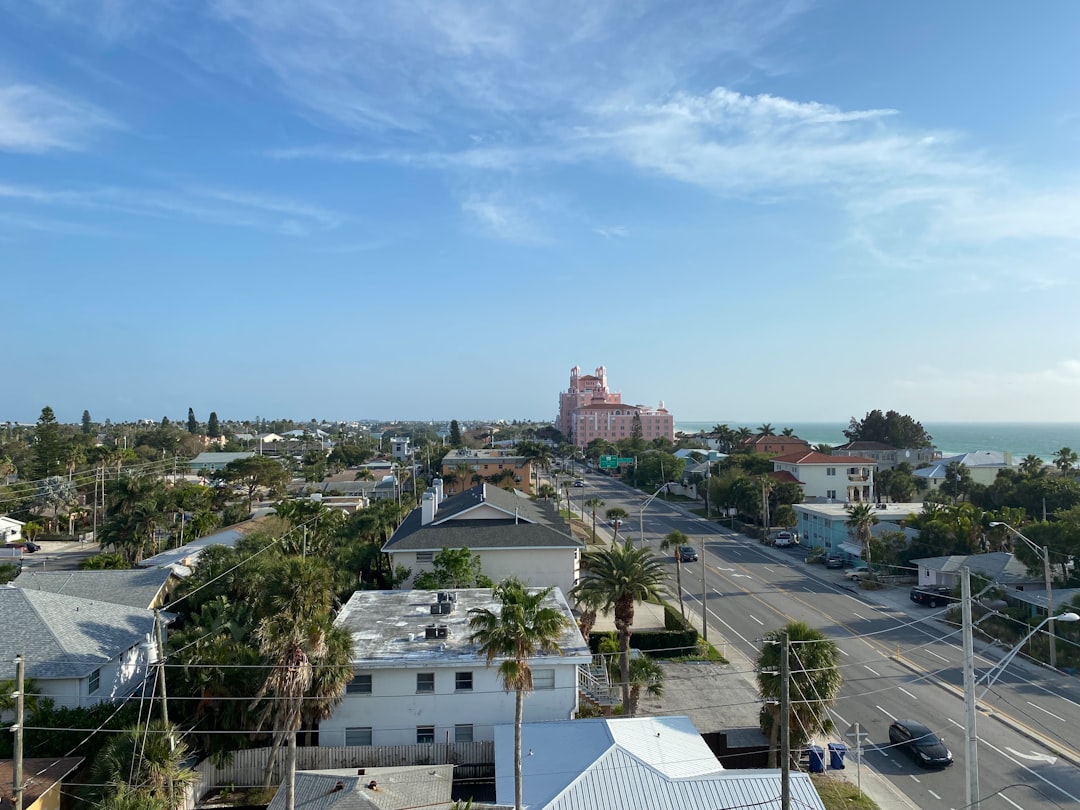
Indian Shores sits on a narrow barrier island in Pinellas County between the Gulf of Mexico to the west and the Intracoastal Waterway (Boca Ciega Bay) to the east. This geography gives buyers a choice that does not exist in most Florida markets: you can buy Gulf-front (beach access, wave action, Zone VE) or Intracoastal-front (calm water, dock access, Zone AE). Understanding the real differences between these two waterfront types — in price, flood risk, insurance cost, and lifestyle — is critical to making the right decision.
Gulf-Front Properties in Indian Shores
What Gulf-Front Means in Indian Shores
Gulf-front properties in Indian Shores front directly on the Gulf of Mexico. This includes both single-family homes on Gulf Boulevard with direct private beach access, and condo buildings with Gulf-facing units and shared beach access. True Gulf-front (beachfront) properties command the highest prices in Indian Shores and all of Pinellas County barrier islands.
Gulf-front properties in Indian Shores are in FEMA Zone VE — Velocity wave action zone. This is the highest-risk flood designation. Zone VE properties face storm surge, wave energy, and erosion risk during tropical weather events. Building codes for Zone VE are the most restrictive: open pile foundations only, no enclosed space below BFE, impact-resistant construction throughout. The upside is that a new elevated Zone VE home built correctly has better structural resilience and better insurance ratings than older pre-FIRM structures at ground level.
Gulf-Front Price Ranges
| Property Type | Price Range | Key Features | Flood Zone | Insurance (Est./Yr) |
|---|---|---|---|---|
| Gulf-front condo (1BR) | $500K – $900K | Beach access, Gulf views, pool | VE | $1,500 – $4,500 (unit coverage) |
| Gulf-front condo (2-3BR) | $800K – $2.5M | Direct Gulf view, beachfront | VE | $2,500 – $7,500 (unit coverage) |
| Gulf-front SFH (older) | $1.0M – $2.5M | Private beach, older structure, may need elevation work | VE | $8,000 – $20,000+/yr |
| Gulf-front SFH (newer/elevated) | $1.8M – $5M+ | Elevated, code-compliant, private beach | VE | $5,000 – $15,000+/yr |
Note: Condo unit flood insurance reflects contents and unit improvements coverage only. The building's structure is typically covered by the HOA master flood policy, which drives HOA fees significantly in Zone VE buildings.
Intracoastal/Boca Ciega Bay Properties in Indian Shores
What Intracoastal Waterfront Means
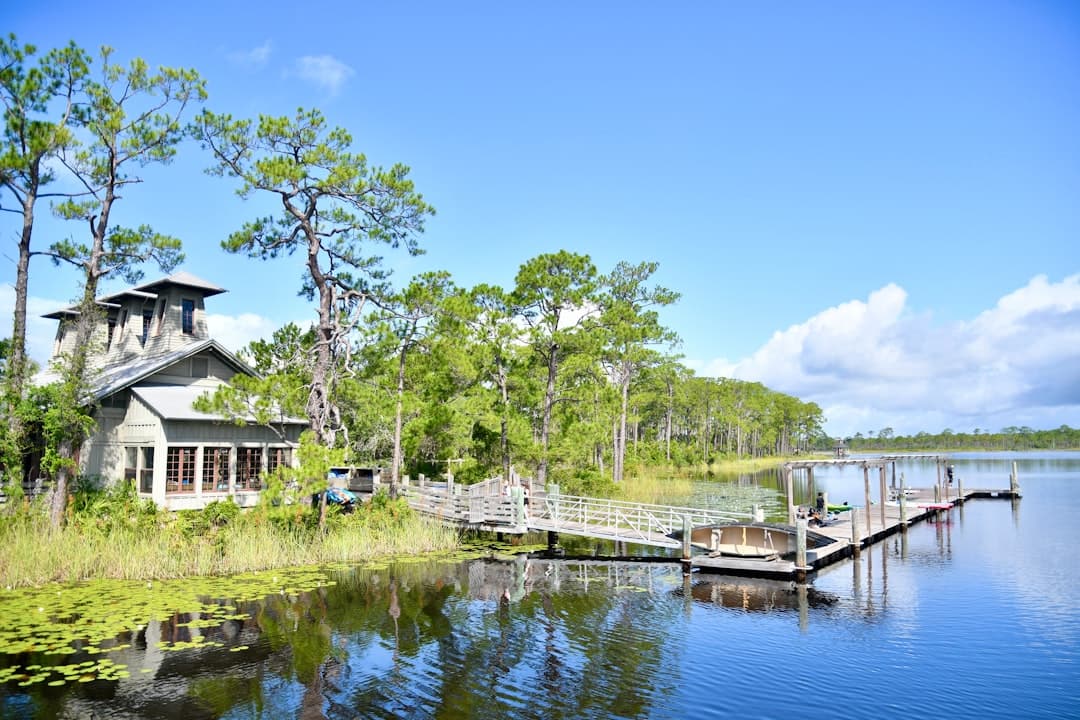
The east side of Indian Shores fronts Boca Ciega Bay, the Intracoastal Waterway connecting to passes north and south. Intracoastal properties do not have Gulf beach access (most owners walk or drive the short distance to the Gulf beach on Gulf Boulevard), but they offer boating access, protected water, and the ability to keep a dock and boat lift. The water is calm and tidal, with depths that vary by location and typically require a boat drawing less than 4 feet for access to the bay.
Intracoastal properties are generally in FEMA Zone AE, which carries meaningful flood risk from storm surge events and high-tide flooding but not the wave-action velocity risk of Zone VE. Insurance is still significant but typically less than Zone VE, and construction codes allow more flexibility (enclosed foundation space is permitted if properly wet-floodproofed or elevated above BFE).
Intracoastal Price Ranges
| Property Type | Price Range | Key Features | Flood Zone | Dock Potential |
|---|---|---|---|---|
| Intracoastal condo (2BR) | $400K – $900K | Bay views, shared dock | AE | Building dock if available |
| Intracoastal SFH (older) | $600K – $1.5M | Private dock/seawall, bay access | AE | Yes — permits required |
| Intracoastal SFH (newer) | $900K – $2.5M+ | Elevated, private dock, modern finishes | AE | Yes — permits required |
Dock and Boatlift Permitting in Indian Shores
What Permits Are Required for a Dock in Indian Shores?
Installing or replacing a dock or boatlift on the Intracoastal side of Indian Shores requires permits from multiple agencies. The complexity and cost vary by dock size, location, and whether you are replacing an existing structure or building new. Required permits typically include:
Florida Department of Environmental Protection (FDEP) — Environmental Resource Permit (ERP) for any dock in state waters. Small docks (under 1,000 sq ft) typically qualify for a "noticed general permit" which has a simpler process, but still requires notification and compliance with dock width/coverage limits.
Army Corps of Engineers (USACE) — Section 10/404 permit for structures in navigable waters. Many small residential docks qualify for a nationwide permit.
Town of Indian Shores Building Permit — Local permit required for dock construction. The town building department reviews for compliance with local codes.
Typical combined permit timeline: 3-6 months. Dock construction costs vary widely: a basic floating dock with aluminum framing runs $15,000-$30,000; a covered dock with boatlift and electrical runs $40,000-$100,000+. Always verify the permitting history of any existing dock before closing — unpermitted docks can create legal and insurance complications.
Seawall Inspection for Indian Shores Properties
Intracoastal properties typically have seawalls along the shoreline. Seawalls in Pinellas County barrier island communities range from 30 to 60+ years old. Seawall failure is a real risk and replacement is expensive: $350-$600+ per linear foot for a new concrete seawall, meaning a typical 60-foot lot seawall costs $21,000-$36,000+ to replace. Before closing on any Indian Shores waterfront property, have a marine contractor inspect the seawall for cracking, voids, bowing, and undermining. This inspection typically costs $300-$600 and is money well spent.
Elevation Certificate: Why You Need One
An elevation certificate (EC) documents the elevation of your home's lowest floor relative to the Base Flood Elevation. In Indian Shores, where virtually all properties are in Zone VE or AE, the elevation certificate directly affects your flood insurance premium. A property elevated 2 feet above BFE can pay dramatically less flood insurance than an identical property at BFE or below it. When buying an Indian Shores property, request the existing elevation certificate from the seller. If one does not exist, budget $500-$800 for a licensed surveyor to prepare one. This should be done before closing and can affect your offer price if the elevation is poor.
Indian Shores Waterfront vs. Nearby Barrier Island Markets
| Market | Gulf-Front Price Range | Intracoastal Price Range | Key Differentiator |
|---|---|---|---|
| Indian Shores | $600K – $5M+ | $500K – $2.5M+ | Quiet residential town, limited inventory |
| Indian Rocks Beach | $500K – $4M+ | $450K – $2M+ | More single-family mix, slightly larger town |
| Redington Beach | $600K – $5M+ | $500K – $2.5M+ | Very small, highly exclusive, limited supply |
| Madeira Beach | $400K – $3.5M+ | $350K – $2M+ | More commercial, John's Pass proximity, broader price range |
| Treasure Island | $500K – $5M+ | $400K – $2.5M+ | Larger community, more diverse price range |
10-Item Waterfront Due Diligence Checklist
1. Pull FEMA flood map at msc.fema.gov — confirm Zone designation for the specific parcel. 2. Request elevation certificate from seller or order a new one. 3. Get a flood insurance quote from 2-3 carriers before making an offer. 4. Review prior flood claims history — ask seller for disclosure and check NFIP claims via your insurance agent. 5. Have a structural engineer or home inspector assess any older construction for flood damage, mold, and moisture issues. 6. If Intracoastal: hire a marine contractor to inspect the seawall and any existing dock. 7. Verify all dock and seawall permits are current and properly closed at the town and FDEP. 8. Review the title commitment for any easements or encroachments along the waterline. 9. For condos: review master flood policy, HOA financials, reserve study, and any pending special assessments. 10. Verify property is in Pinellas County Hurricane Evacuation Zone A — plan and understand evacuation requirements before you buy.
Frequently Asked Questions About Indian Shores FL Waterfront Homes
What is the price range for Gulf-front homes in Indian Shores FL?
Gulf-front condos typically run $500K-$2.5M+ depending on size and building. Gulf-front single-family homes range from approximately $1.0M for an older structure needing work to $5M+ for a newer elevated custom build. Gulf-front land alone (teardown lots) sells for $600K-$2M+ depending on width and frontage.
What is the difference between Zone VE and Zone AE in Indian Shores?
Zone VE is the Gulf-front designation: velocity wave action zone, highest flood risk, most restrictive construction requirements (open pile foundation, no enclosed space below BFE), and highest flood insurance premiums. Zone AE is the Intracoastal/bay-front designation: high flood risk from storm surge and tidal flooding, but no wave-action component. Zone AE allows more construction flexibility and typically carries somewhat lower flood insurance premiums than Zone VE.
Can I add a dock to an Indian Shores Intracoastal property?
You may be able to, but it requires permits from FDEP, the Army Corps of Engineers, and the Town of Indian Shores. The permitting process typically takes 3-6 months. Some properties already have permitted docks; others do not. Verify permitting status and dock condition before closing on any Intracoastal property.
Is flood insurance required for Indian Shores waterfront homes?
Yes. Any lender will require flood insurance for properties in FEMA Zone VE or AE, which covers virtually all of Indian Shores. Even if paying cash, flood insurance is strongly advisable. Get a quote before making an offer so flood insurance cost is factored into your total monthly ownership calculation.
What is the most important thing to do before buying a waterfront home in Indian Shores?
Get the elevation certificate and a flood insurance quote before you make a binding offer. The annual flood insurance premium can vary by $3,000-$15,000/year or more depending on the elevation relative to BFE, and that number changes your monthly ownership cost significantly. I review flood zone and insurance exposure with every waterfront buyer I work with before we make any offer.
Indian Shores Resources
Questions About Indian Shores?
Barrett Henry — 23+ years of real estate experience. REMAX Collective.
Contact BarrettCall (813) 733-7907About Barrett Henry: Licensed Broker Associate with REMAX Collective. 23+ years of real estate experience serving buyers and sellers across Pinellas County and the Tampa Bay area. Learn more or call (813) 733-7907.