Quick Answer
St. Petersburg FL is a very good place to live for buyers who want Gulf Coast access, a nationally recognized arts and culture scene, walkable urban neighborhoods, and strong employment options, and can absorb higher housing costs and insurance expenses. The main trade-offs are flood risk in many areas, summer heat, and a Tampa commute that runs 40 to 65 minutes peak-hour.
My Honest Assessment of St. Petersburg FL
I have helped dozens of buyers move to St. Petersburg from across the country and around the world. The common thread: people who move here almost always love it. The ones who struggle are usually buyers who underestimated the insurance costs, did not factor in flood zone expenses, or expected the Tampa commute to be shorter than it is.
St. Pete has genuinely transformed over the last 15 years. The downtown core, the arts scene along Central Ave, the Pier waterfront, and the cultural institutions are world-class by any standard. The neighborhoods north of downtown, Old Northeast, Crescent Lake, and Historic Kenwood offer a quality of life that is hard to match in Florida at comparable price points. The city has an energy and community identity that newer master-planned communities simply cannot replicate.
That said, St. Pete is not for everyone. If you need to commute to Tampa daily by car, the I-275 bottleneck is a real quality of life issue. If your budget is tight, the combination of higher purchase prices, property taxes, and insurance leaves less margin than you might expect. And if you are buying near the waterfront, flood insurance is not optional: it is a mandatory, significant, and variable cost. Call me at (813) 733-7907 before you fall in love with a flood zone property.
Top 6 Reasons to Live in St. Petersburg FL
1. Arts and Culture Scene
St. Petersburg has one of the most concentrated arts scenes in Florida. The Salvador Dali Museum (one of three museums outside Spain dedicated to Dali), the Museum of Fine Arts, the Chihuly Collection, the Florida Holocaust Museum, and dozens of independent galleries are all walkable from downtown. Central Ave functions as the city's arts spine, with murals, studios, and galleries from the waterfront to the edge neighborhoods. This density of cultural infrastructure in a mid-sized city is genuinely unusual in the Southeast.
2. Gulf Beach Access, 10 to 20 Minutes Away
Fort De Soto Park and its beaches are accessible from most St. Pete neighborhoods in 20 to 30 minutes. St. Pete Beach and Pass-A-Grille are 15 to 25 minutes from downtown. The Pinellas barrier island chain offers some of the Gulf's best beaches. For many buyers, the combination of an urban neighborhood lifestyle with Gulf beach access in under 30 minutes is the defining appeal of St. Pete over Tampa or Orlando.
3. Walkable Urban Neighborhoods
Downtown St. Pete, the Edge District, Grand Central, and the Central Ave corridor offer walkable urban living that is rare in Florida. Coffee shops, restaurants, music venues, and parks within walking distance of homes in Historic Kenwood, Old Northeast, and Crescent Lake. The Pinellas Trail runs through the city, connecting neighborhoods by bike. This is not suburban sprawl: it is genuine urban texture built over decades.
4. Strong Employment Base
St. Petersburg's economy is anchored by healthcare (Johns Hopkins All Children's Hospital, BayCare Health System), finance (Raymond James Financial, Jabil's operations), technology, and a growing professional services sector. The University of South Florida St. Petersburg campus adds academic employment and student housing demand. For buyers who need to work in St. Pete rather than Tampa, the local job market is solid.
5. No State Income Tax and Florida Tax Advantages
Florida has no state income tax. For a household earning $150K per year, the savings versus New York, New Jersey, or California can reach $7,000 to $15,000 annually. Combined with the homestead exemption and Save Our Homes cap, the tax picture for St. Pete homeowners is meaningfully favorable compared to high-tax states, even accounting for higher property insurance premiums.
6. Tampa Bay Waterfront Parks and Outdoor Access
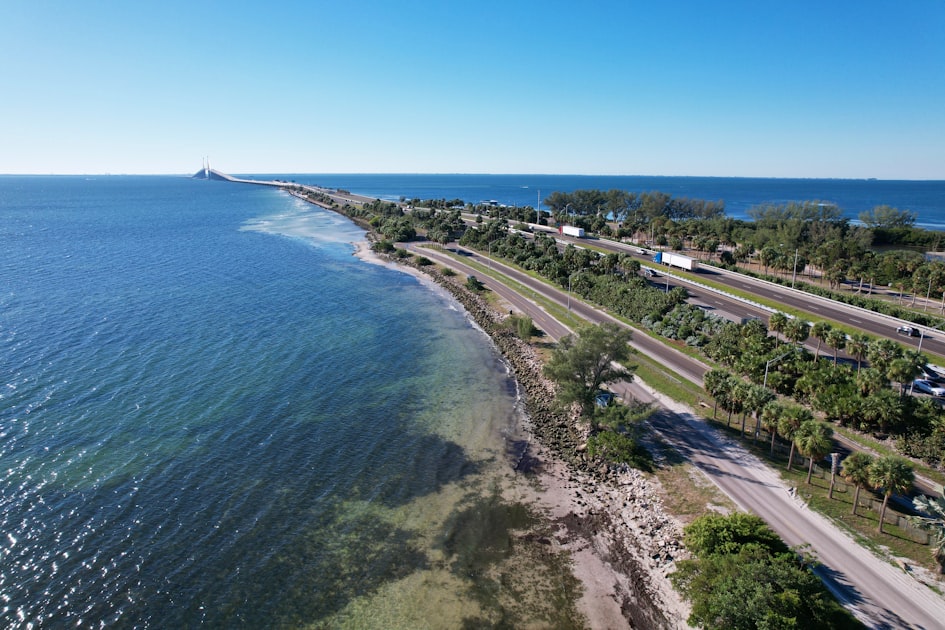
Vinoy Park, Demens Landing, The Pier, and Straub Park all sit on the Tampa Bay waterfront in or near downtown. Kayaking, paddleboarding, and boating access on both the bay and Gulf sides of the peninsula. Fort De Soto's beaches and nature trails. The Pinellas Trail for cycling. For outdoor-oriented buyers, St. Pete delivers year-round without the car travel required to reach these amenities from inland markets.
5 Honest Downsides of Living in St. Petersburg FL
1. Flood Risk and Insurance Costs Are Real
A significant portion of St. Petersburg sits in FEMA AE and VE flood zones. Waterfront neighborhoods, lower-lying areas near Tampa Bay and Boca Ciega Bay, and properties near creek corridors all carry mandatory flood insurance requirements. Flood insurance adds $1,500 to $5,000+ per year to housing costs. Combined with elevated homeowners insurance in coastal Florida, the total insurance burden is one of the biggest cost surprises for buyers relocating from other states. Always check the FEMA flood map at msc.fema.gov before making an offer.
2. The Tampa Commute Is Longer Than It Looks on a Map
St. Pete to downtown Tampa looks like 15 to 20 miles on a map. But during peak morning rush, I-275 across the Howard Frankland Bridge backs up significantly. Expect 35 to 55 minutes off-peak and 45 to 70 minutes peak-hour from most St. Pete neighborhoods to downtown Tampa. For daily commuters, this is a genuine quality of life cost. Remote and hybrid work schedules improve the equation substantially.
3. Summer Heat and Humidity Are Intense
May through September in St. Pete means heat indices of 95 to 105 degrees most afternoons, daily thunderstorms, and humidity that makes outdoor activity uncomfortable outside of early morning and evening. Air conditioning is a necessity, not a luxury, and electric bills in summer can run $200 to $350+ per month. Buyers from the Northeast or Pacific Coast consistently underestimate the severity of Florida's summer climate. Winter is genuinely lovely, but summer demands respect.
4. Hurricane Season Runs June Through November
St. Petersburg is on a peninsula with Tampa Bay to the east and north and Gulf access to the west. The region's geography has historically created some protection from direct major hurricane impacts, but that is not a guarantee. Every property in Pinellas County carries some hurricane risk. Storm shutter systems, impact windows, and maintaining a current understanding of your zone's evacuation level are part of responsible homeownership here.
5. Traffic on US-19 and I-275 Is a Daily Reality
US-19, one of the primary north-south arteries through Pinellas County, is among the most congested surface roads in Florida. I-275 peaks during morning and evening rush. For buyers whose lifestyle requires frequent travel to mid or north Pinellas, factoring in travel time on US-19 during peak hours is important. The good news: St. Pete's walkable neighborhoods reduce the number of car trips needed for daily life compared to suburban alternatives.