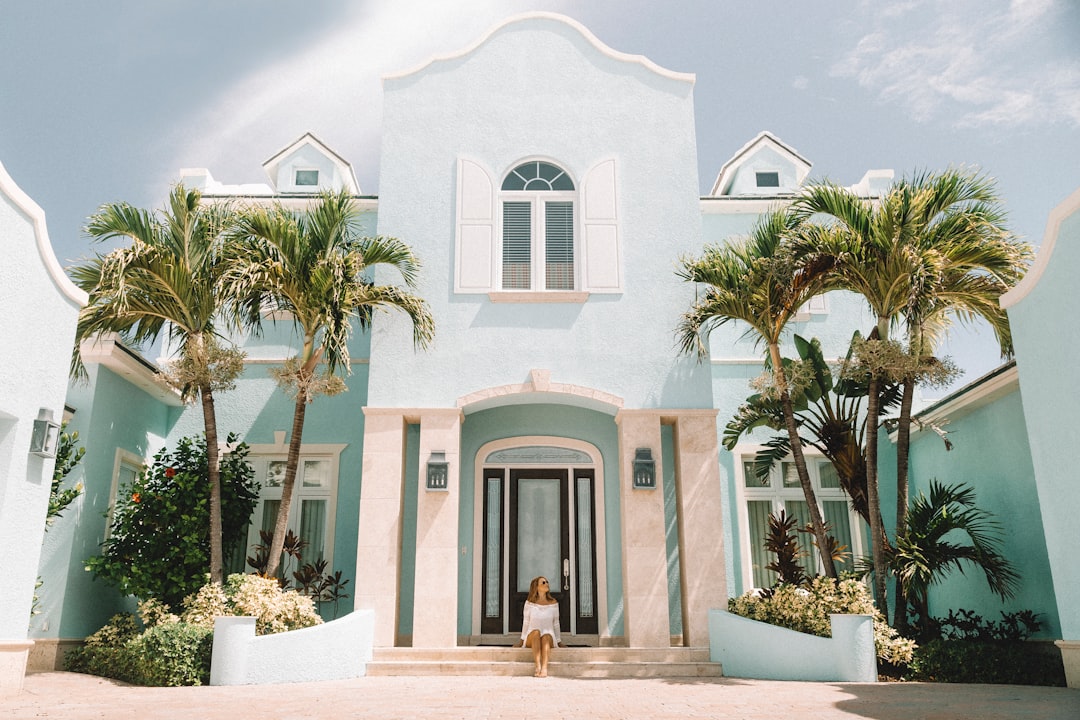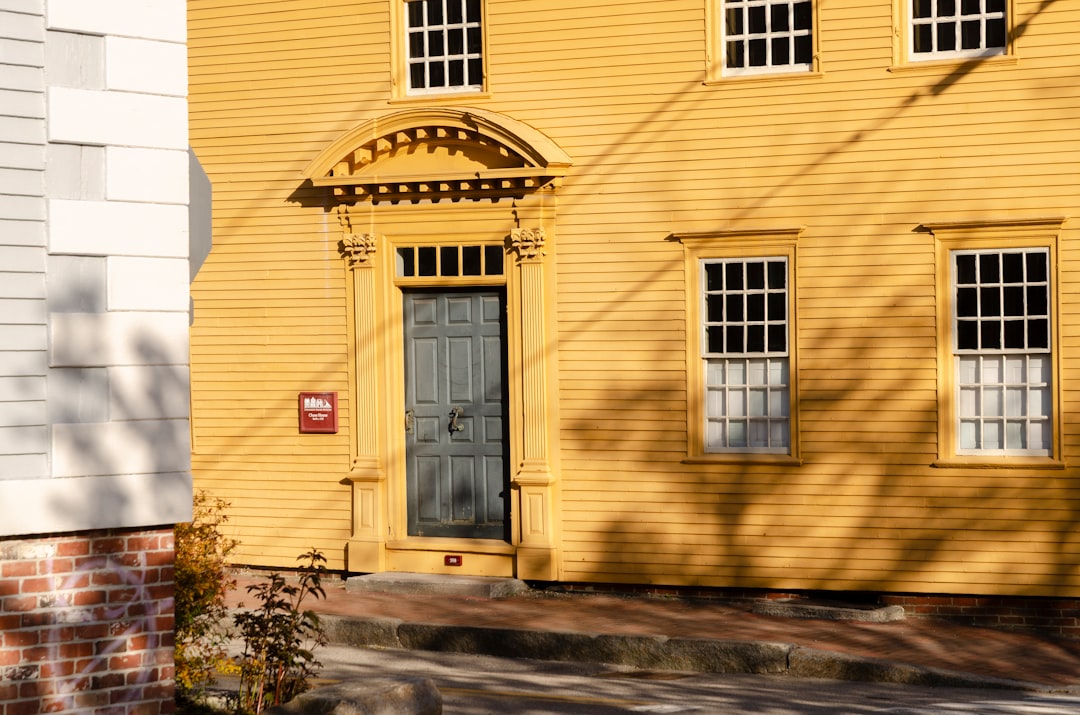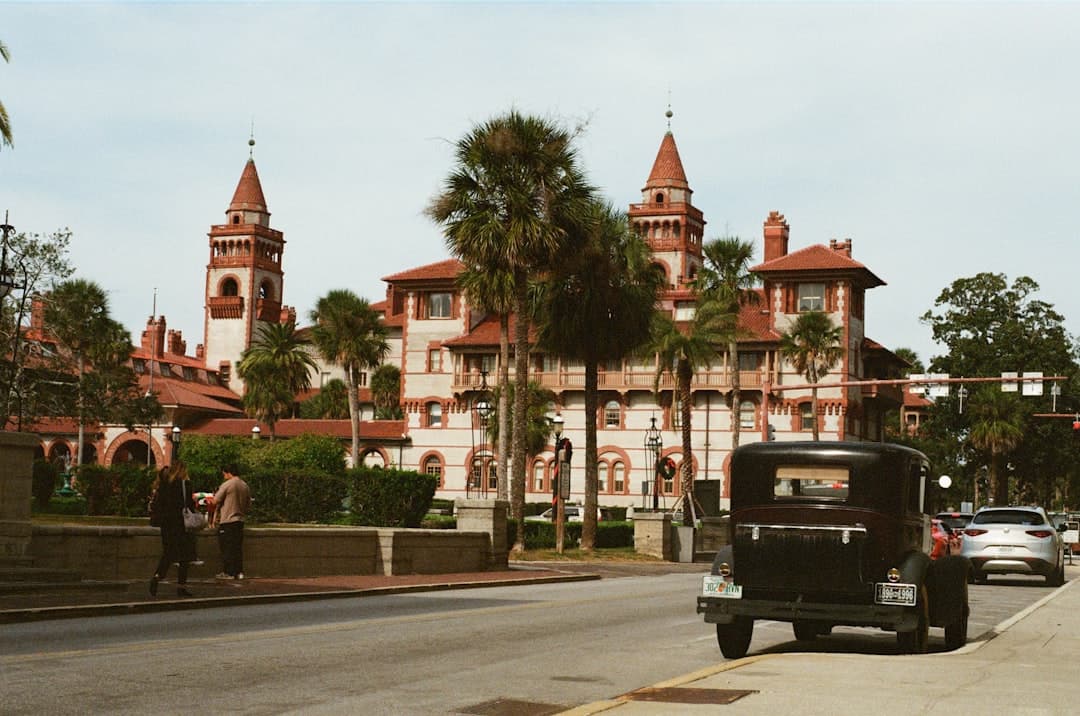
Tampa historic homes are concentrated in Hyde Park, Seminole Heights, Ybor City, Palma Ceia, and Old Seminole Heights, with prices ranging from $275,000 for a small Ybor cottage to $4,000,000+ for a restored Hyde Park mansion. The defining characteristic: architecture built between roughly 1895 and 1960, featuring hand-crafted details, hardwood floors, decorative tile, brick construction, and styles including Mediterranean Revival, Craftsman bungalow, Tudor Revival, Colonial Revival, and Florida Vernacular cottages. These homes have character you cannot replicate with new construction, but they require more buyer education before purchase.
Where Are Tampa's Best Historic Neighborhoods?
Each of Tampa's historic neighborhoods has a distinct character, price range, and buyer profile. Here is what to know about each.
Hyde Park (Historic District)
Hyde Park is Tampa's most prestigious historic neighborhood, platted in the 1880s on the southern bank of the Hillsborough River just west of downtown. The neighborhood features the widest variety of historic styles: Mediterranean Revival, Victorian, Colonial Revival, Tudor, Craftsman, and Arts and Crafts. Hyde Park Avenue's restaurants and shopping, Bayshore Boulevard access, and proximity to downtown Tampa drive values to $600,000-$4,000,000+ depending on size, condition, and location within the neighborhood. The historic overlay designation means exterior changes require City of Tampa Historic Preservation review. Buyers need to understand the review process before planning renovations.
Seminole Heights
Seminole Heights covers four distinct sub-neighborhoods (Old Seminole Heights, Seminole Heights proper, Southeast Seminole Heights, and Hampton Terrace), all built primarily between 1910 and 1940. The predominant style is Craftsman bungalow, with wide front porches, tapered columns, built-in millwork, and original hardwood floors. Prices run $300,000-$700,000 depending on condition, lot size, and the specific sub-neighborhood. The restaurant and bar scene along Florida Avenue and Hillsborough Avenue has driven significant investment and appreciation over the past decade. Most homes are not in a formal historic overlay district, giving buyers more renovation flexibility than Hyde Park.
Ybor City
Ybor City, Tampa's former cigar manufacturing district, features worker cottages and shotgun houses built for immigrant cigar workers from Cuba, Spain, and Italy from the 1880s through the 1920s. The National Historic Landmark District designation protects the neighborhood's character. Home prices range from $200,000 for smaller cottages in need of renovation to $450,000+ for fully restored homes. The entertainment district along 7th Avenue generates noise that buyers should visit at night before purchasing. Zoning allows for some commercial mixed uses, which can create both value and nuisance depending on location.
Palma Ceia
Palma Ceia sits south of Bayshore Boulevard and features some of Tampa's finest homes from the 1920s-1950s. Mediterranean Revival, Tudor Revival, and Colonial Revival styles predominate on larger lots with mature oak canopies. Prices range from $600,000 for a smaller 1940s home needing updates to $2,000,000+ for a fully restored landmark property. Palma Ceia Golf and Country Club anchors the neighborhood socially, and the school zone (Plant High School) adds buyer premium. No formal historic overlay, but deed restrictions and neighborhood character create de facto preservation.
Beach Park
Beach Park, directly west of Palma Ceia across Dale Mabry, was developed primarily in the 1950s-1970s. While not as old as Hyde Park or Ybor City, the neighborhood features ranch and mid-century modern homes on generous lots adjacent to Tampa Bay. Prices run $500,000-$1,500,000. Many homes have been significantly renovated or expanded, so "historic" means the bones and neighborhood character rather than strict preservation. Good flood zone exposure near the bay requires insurance due diligence.
Old Seminole Heights (Riverside Heights Corridor)
Old Seminole Heights along the Hillsborough River and adjacent Riverside Heights offer some of Tampa's most affordable historic homes. Craftsman bungalows and Florida Vernacular cottages from the 1910s-1940s run $275,000-$550,000. The neighborhood is less walkable than Seminole Heights proper but features significant riverfront access. Investment activity has been strong here as buyers priced out of other historic neighborhoods look east.
What Are the Top Inspection Priorities for Tampa Historic Homes?
Historic homes require more thorough due diligence than new construction. These are the items that matter most in the Tampa market.
Plumbing Systems
Homes built before 1960 may have galvanized steel water supply pipes (prone to corrosion and reduced flow), cast iron drain lines (subject to cracking and root intrusion), or in some cases, early polybutylene supply lines from 1970s-1980s renovations (which are problematic). Cast iron drain replacement runs $8,000-$20,000+. Get a sewer scope during the inspection period, not just a visual inspection from the general inspector.
Electrical Systems
Pre-1960 homes may have knob-and-tube wiring (ungrounded, limited capacity, problematic for insurance), fuse boxes instead of circuit breakers, or undersized service panels (60-100 amp panels rather than 200 amp standard). Full electrical upgrades run $8,000-$25,000 depending on the size of the home. Some insurance carriers will not write a policy on a home with known knob-and-tube wiring, so verify before purchase.
Roof Structure and Materials
Historic homes with original wood-frame roof structure need evaluation for ridge line sag, rafter damage, and moisture intrusion. Flat-roof sections (common on Mediterranean Revival homes) have shorter lifespans than pitched roofs. A new roof on a historic home can cost $12,000-$35,000+ depending on size, pitch, and materials. Insurance companies scrutinize roof age, and a roof over 15-20 years old will affect your ability to get coverage at reasonable rates.
Foundation
Tampa's older homes were built on a variety of foundations: concrete block, poured concrete, brick piers, and wood posts on some of the oldest homes. Differential settlement is common in Tampa's sandy soil. Look for diagonal cracking at door and window corners (a sign of movement), doors and windows that stick or are out of square, and visible gaps at floor-to-wall junctions. Structural engineers charge $400-$800 for a foundation assessment and can tell you whether movement is historical and stable or active and concerning.
Lead Paint and Asbestos
Homes built before 1978 may have lead-based paint. Homes built before 1980 may have asbestos-containing materials in floor tiles, pipe insulation, attic insulation (vermiculite), roof tiles, and textured ceiling coatings. Neither is necessarily a deal-breaker, but both require disclosure and, in some cases, remediation. Get an environmental inspection if the home has original finishes from these eras.
Historic vs Modern Tampa Home Comparison
| Factor | Pre-1960 Historic | Post-2002 Modern |
|---|---|---|
| Insurance Cost | $4,500-$15,000/yr depending on condition and flood zone | $3,500-$8,000/yr (impact windows, new roof) |
| Maintenance Cost | High: aging systems, specialty materials, ongoing upkeep | Low near-term, but custom finishes costly to repair |
| Architectural Appeal | Irreplaceable: hand-crafted millwork, hardwood floors, vintage tile | Contemporary: clean lines, open concept, smart home |
| Renovation Flexibility | Limited in overlay districts; more open in non-overlay areas | Full flexibility; only zoning and setback limits apply |
| Financing | FHA 203(k) available if renovation needed; jumbo for luxury | Conventional or jumbo; no special requirements |
| Rental Appeal | Strong: charm commands premium from short-term renters | Strong: modern finishes appeal to corporate and long-term renters |
| Energy Efficiency | Poor unless fully updated (single-pane glass, poor insulation) | Excellent: spray foam, impact glass, high-SEER HVAC |
Can You Renovate a Tampa Historic Home?
Renovation rules depend heavily on whether your property is in a formal historic overlay district or a historic-character neighborhood without overlay protection.