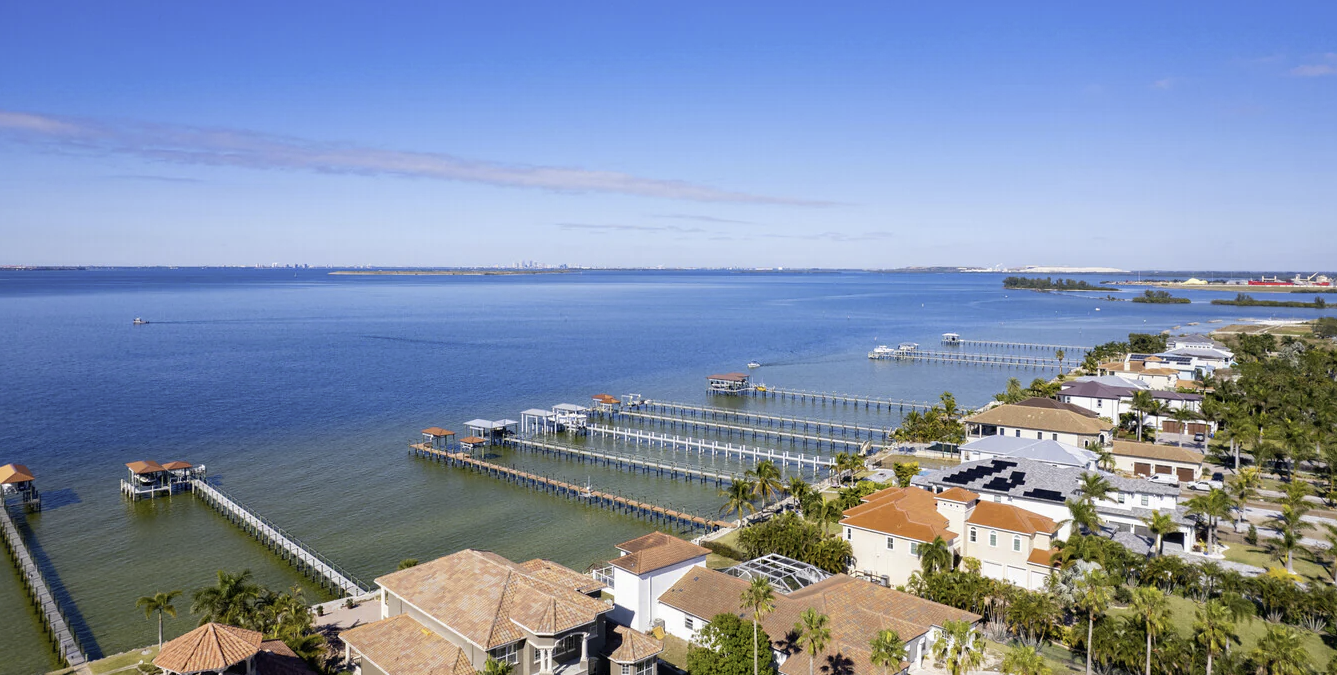
Flood insurance in Apollo Beach is the single most important financial variable for anyone buying or selling a home here right now. Full stop. I'm Barrett Henry with REMAX Collective, and I need to be upfront with you: the flood insurance landscape in Apollo Beach changed dramatically after Hurricanes Helene and Milton, and what I'm seeing on the ground is genuinely alarming for homeowners and buyers alike. Policies that cost $2,000 a year two years ago are now coming in at $8,000, $10,000, even $15,000 or more. That's not a typo. FEMA's Risk Rating 2.0 program rolled out new pricing methodology, back-to-back hurricanes validated the risk models, and the private insurance market is scrambling to recalibrate. If you're considering buying in Apollo Beach - or trying to sell here - this guide covers everything you need to know about what happened, what it costs, and how to navigate the new reality.
I'm not going to sugarcoat this. Flood insurance costs are reshaping the Apollo Beach real estate market in real time. But understanding the numbers, your options, and the strategies that actually work can make the difference between a smart purchase and a financial mistake. Let's get into it.
Apollo Beach Flood Insurance Costs at a Glance
| Flood Zone | Property Type | Pre-Hurricane Avg. (Annual) | Post-Hurricane Avg. (Annual) | Change |
|---|---|---|---|---|
| AE | Canal/waterfront home | $2,500-$4,500 | $8,000-$15,000+ | +200-300% |
| AE | Non-waterfront (low elevation) | $1,800-$3,000 | $5,000-$9,000 | +175-250% |
| VE | Bayfront property | $4,000-$7,000 | $12,000-$20,000+ | +200-300% |
| X (shaded) | Inland/elevated home | $500-$1,200 | $1,500-$4,000 | +150-250% |
| X (unshaded) | Inland/elevated home | $400-$800 | $800-$2,500 | +100-200% |
Note: These are representative ranges based on NFIP and private carrier quotes I've seen on Apollo Beach properties in late 2024. Your actual premium depends on your specific property's elevation, construction type, coverage amount, and claims history. Get an actual quote before making any decisions.
The Flood Insurance Crisis in Apollo Beach - What Happened
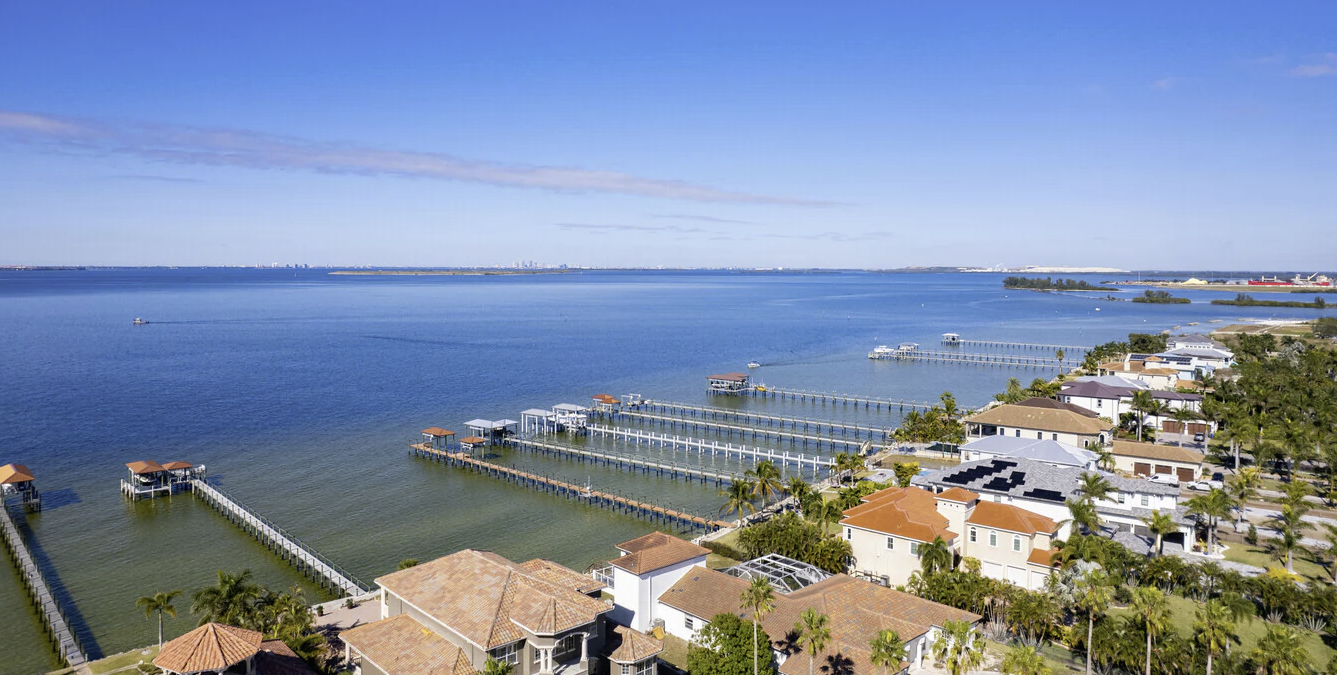
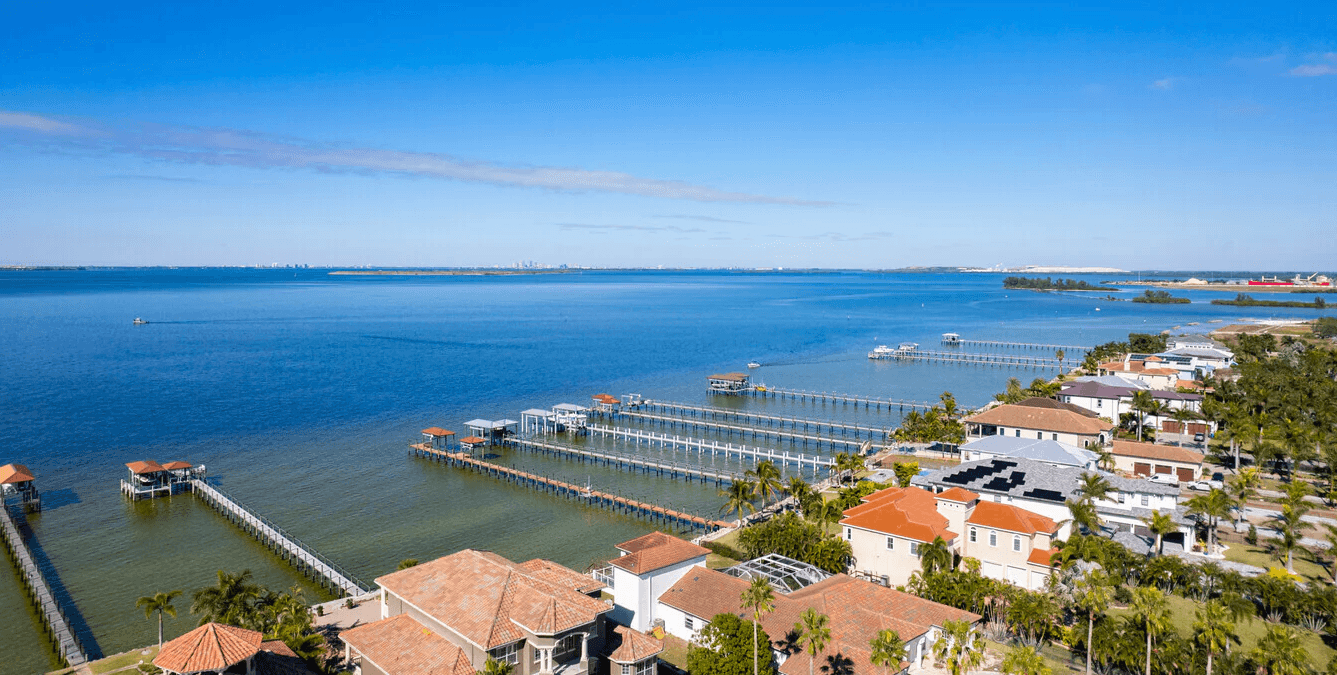
Apollo Beach has always been a community defined by water. The canal system, the bay access, the waterfront lifestyle - that's what draws people here. But water cuts both ways. Apollo Beach sits at low elevation along the eastern shore of Tampa Bay, and much of the community falls within FEMA-designated Special Flood Hazard Areas. For years, flood insurance was a manageable cost of doing business. Most homeowners paid somewhere between $1,500 and $4,000 a year through the National Flood Insurance Program (NFIP) and considered it a reasonable trade-off for the lifestyle.
Then two things happened almost simultaneously. First, FEMA launched Risk Rating 2.0 in October 2021, completely overhauling how flood insurance premiums are calculated. Second, Hurricanes Helene and Milton hit the Tampa Bay area in 2024, causing significant storm surge damage to coastal communities including Apollo Beach. The combination has created what I can only describe as a flood insurance crisis for this community.
Homeowners who had been paying $2,000 a year are now seeing renewal quotes of $8,000 to $15,000. Some bayfront and canal-front properties are getting quotes over $20,000 annually. For a homeowner with a $350,000 mortgage, adding $12,000 in annual flood insurance fundamentally changes the economics of ownership. And for buyers, that cost has to be factored into affordability calculations alongside the mortgage payment, homeowners insurance, property taxes, and HOA fees.
FEMA Flood Zones in Apollo Beach
To understand flood insurance in Apollo Beach, you first need to understand the flood zone designations that apply to properties here. Apollo Beach has a mix of zones, and your zone determines both your insurance requirement and your baseline cost.
Zone AE - The Dominant Zone in Apollo Beach
The majority of Apollo Beach falls within FEMA Zone AE, which is a high-risk Special Flood Hazard Area with established base flood elevations. This includes most canal-front properties, much of the older waterfront development, and large portions of communities like Symphony Isles, parts of MiraBay, and the original Apollo Beach canal neighborhoods. If your property is in Zone AE and you have a federally backed mortgage, flood insurance is mandatory. There is no way around this.
Zone VE - Coastal High Hazard
Some bayfront properties in Apollo Beach, particularly those directly on Tampa Bay without the protection of the canal system, fall in Zone VE. This is the most expensive zone to insure. VE zones carry risk from both flooding and wave action during storms, and the building requirements and insurance costs reflect that elevated risk. Properties in VE zones saw some of the worst storm surge impacts during Helene and Milton.
Zone X - The Lucky Ones (Relatively Speaking)
Inland and elevated portions of Apollo Beach - including parts of Waterset, Andalucia, and some newer developments built on higher pads - fall in Zone X. Flood insurance is not required by lenders in Zone X, but after what happened with the hurricanes, I'm now recommending it to every single client regardless of zone. Some Zone X properties in Apollo Beach still experienced flooding during the 2024 storms. The premiums are dramatically lower in Zone X, so there's really no excuse not to carry it.
FEMA Risk Rating 2.0 - Why Premiums Jumped
To understand why your flood insurance bill tripled, you need to understand Risk Rating 2.0. This is the biggest change to flood insurance pricing in the history of the National Flood Insurance Program, and it hit waterfront communities like Apollo Beach especially hard.
The Old System
Under the old NFIP rating system, your premium was determined primarily by your flood zone designation and your property's elevation relative to the base flood elevation (BFE). If you were in Zone AE and your lowest floor was above the BFE, you got a relatively reasonable rate. The system was blunt - it used broad zone categories and didn't account for many property-specific risk factors.
The New System
Risk Rating 2.0 calculates premiums based on a much more granular set of variables: distance to the nearest water source (river, bay, ocean, canal), the type of water source, the property's specific elevation, the cost to rebuild the structure, historical flood frequency in the area, and multiple flooding types (river overflow, storm surge, coastal erosion, heavy rainfall). For Apollo Beach properties, two factors are devastating: proximity to Tampa Bay and the canal system, and the relatively low elevation of the community. Under the old system, being above the BFE in Zone AE got you a reasonable rate. Under Risk Rating 2.0, being 200 feet from a canal that connects to Tampa Bay means your proximity-to-water factor drives the premium much higher regardless of your elevation.
The bottom line: Risk Rating 2.0 was designed to make flood insurance pricing more actuarially accurate. For decades, waterfront property owners in high-risk areas were being subsidized by the broader insurance pool. FEMA decided to end those subsidies. The result is that communities like Apollo Beach are now paying rates that reflect the true statistical risk of living near the water. Whether you think that's fair or not, it's the new reality.
Before vs. After the Hurricanes - Cost Comparison
Here's a more detailed breakdown of what I'm seeing on real Apollo Beach properties. These numbers come from actual quotes and renewals shared with me by clients and colleagues in late 2024.
| Property Description | Zone | 2022 Premium | 2024 Premium | $ Increase |
|---|---|---|---|---|
| 3BR canal home, Symphony Isles, slab foundation | AE | $2,800/yr | $11,200/yr | +$8,400 |
| 4BR canal home with dock, MiraBay area | AE | $3,200/yr | $9,800/yr | +$6,600 |
| 3BR bayfront home, direct bay access | VE | $5,500/yr | $18,000/yr | +$12,500 |
| 4BR elevated home, newer construction | AE | $1,900/yr | $5,400/yr | +$3,500 |
| 3BR inland home, Waterset area | X | $600/yr | $1,800/yr | +$1,200 |
| 2BR condo, second floor, waterfront complex | AE | $1,200/yr | $4,500/yr | +$3,300 |
The pattern is clear: the closer you are to the water and the lower your elevation, the bigger the increase. Elevated newer construction in AE zones is getting hit, but not nearly as hard as older slab-on-grade canal homes. And Zone X properties, while still seeing increases, remain far more affordable to insure.
NFIP vs. Private Flood Insurance - Which Is Cheaper Now?
This is one of the most important questions for Apollo Beach homeowners right now, and the answer has changed significantly. Before Risk Rating 2.0, the NFIP was the default choice for most homeowners. Private flood insurance existed, but it was a niche market. Now, private carriers are a legitimate - and sometimes cheaper - alternative.
NFIP (National Flood Insurance Program)
The NFIP is the federal government's flood insurance program, administered by FEMA. It's available to any property in a participating community (Apollo Beach qualifies). Maximum coverage is $250,000 for the dwelling and $100,000 for contents. NFIP policies have a standard 30-day waiting period before coverage takes effect, and premiums are now set by Risk Rating 2.0. The advantage of NFIP is stability and guaranteed availability - you can always get a policy. The disadvantage is that for many Apollo Beach waterfront properties, NFIP is now the more expensive option, and the coverage limits may be insufficient for higher-value homes.
Private Flood Insurance
Private flood insurance carriers set their own rates using proprietary risk models, and they're not bound by FEMA's Risk Rating 2.0 methodology. For some Apollo Beach properties - particularly newer, elevated homes - private carriers are offering premiums 20% to 40% below NFIP rates. Private policies can also offer higher coverage limits (up to $1 million or more), replacement cost coverage instead of actual cash value, and shorter waiting periods. The downside: private carriers can non-renew your policy, raise rates more aggressively year to year, and they're not backed by the federal government. After major storm events, some private carriers exit the market entirely.
My Recommendation
Get quotes from both NFIP and at least two or three private carriers. The pricing gap is significant enough right now that it's worth the effort. Work with an insurance agent who specializes in flood insurance - not just your regular homeowners insurance agent. And if you go with a private carrier, understand the risk that they could non-renew you or raise rates at the next renewal.
When Is Flood Insurance Required in Apollo Beach?
If your property is in a Special Flood Hazard Area (Zones A, AE, AH, AO, VE) and you have a federally backed mortgage, your lender is legally required to ensure you carry flood insurance for the life of the loan. Federally backed mortgages include conventional loans purchased by Fannie Mae or Freddie Mac, FHA loans, VA loans, and USDA loans. That covers the vast majority of residential mortgages in the United States.
If you pay cash for a property or have a portfolio loan from a private lender, there may not be a legal requirement to carry flood insurance. But I'd strongly advise against going without it. Apollo Beach just experienced firsthand what a major storm surge event does to uninsured properties. The financial devastation is real.
If your property is in Zone X, flood insurance is not required by any lender. But as I mentioned, I now recommend it for every Apollo Beach property. Zone X premiums are a fraction of what AE and VE zones cost, and the protection is well worth it.
What Flood Insurance Covers (and What It Doesn't)
Flood insurance is more limited than most people assume. Understanding the gaps is critical.
What's Covered
- Structural damage to the building (foundation, walls, flooring, electrical, plumbing, HVAC)
- Built-in appliances (water heaters, refrigerators, stoves)
- Permanently installed carpeting, cabinets, and paneling
- Window blinds and detached garages (up to 10% of building coverage)
- Contents coverage (furniture, clothing, electronics) - if you purchase it
What's NOT Covered
- Anything outside the building (landscaping, decks, docks, seawalls, pools, fences, patios)
- Living expenses or temporary housing during repairs
- Vehicles, currency, or precious metals
- Mold or mildew that could have been prevented
- Financial losses from business interruption
- Basement improvements (finished basement walls, flooring, contents below the lowest elevated floor)
The lack of coverage for docks, seawalls, and outdoor structures is a big deal in Apollo Beach. Many canal homes have $30,000 to $100,000 worth of dock, seawall, and outdoor living investment that is completely unprotected by flood insurance. Some homeowners purchase separate marine or dock insurance, but it's expensive and limited.
How Flood Insurance Affects Buying a Home in Apollo Beach
Here's what I tell every buyer considering Apollo Beach right now: get a flood insurance quote BEFORE you make an offer. Not after. Not during the inspection period. Before. The flood insurance cost can change your entire budget calculation, and I've had deals fall apart because buyers didn't realize their monthly cost of ownership would be $800 to $1,200 higher than expected once flood insurance was factored in.
When you're calculating your total monthly housing cost in Apollo Beach, it looks like this: mortgage payment + homeowners insurance + flood insurance + property taxes + HOA (if applicable) + CDD fee (if applicable). For a waterfront home with a $350,000 mortgage, that total can easily exceed $4,000 to $5,000 per month once flood insurance is included at current rates. Buyers who only look at the mortgage payment are setting themselves up for sticker shock.
I also recommend asking the seller for their current flood insurance declaration page during the offer process. This tells you what they're paying, which carrier they use, and what coverage they carry. It's not a guarantee of what you'll pay, but it's a useful data point. If the seller has an NFIP policy, it may be assumable at the current rate - which can be a significant advantage if their rate is lower than what a new policy would cost.
How Flood Insurance Affects Home Values and Marketability
This is the uncomfortable truth that sellers in Apollo Beach don't want to hear: rising flood insurance costs are putting downward pressure on home values, particularly for waterfront properties in AE and VE zones. When a buyer's monthly carrying cost goes up by $500 to $1,000 due to flood insurance, they can afford less house. That means lower offers, longer time on market, and downward price adjustments.
I'm already seeing this play out in real transactions. Homes that would have sold quickly in 2022 are sitting longer. Buyers are factoring flood insurance into their offers and coming in lower. Some sellers are choosing to contribute toward prepaid flood insurance at closing to make their properties more attractive. And properties with favorable elevation certificates or documented lower flood insurance costs are commanding a premium over comparable homes without that documentation.
If you're selling in Apollo Beach, the smartest thing you can do right now is get an elevation certificate (if you don't have one), shop your flood insurance to get the best available rate, and provide that documentation to prospective buyers upfront. Transparency about insurance costs builds buyer confidence and reduces the chance of a deal falling apart during due diligence.
Elevation Certificates - What They Are and Why They Matter
An elevation certificate (EC) is a document prepared by a licensed surveyor that records the elevation of your home's lowest floor relative to the Base Flood Elevation (BFE) established by FEMA. It's the single most important document for determining your flood insurance premium, and in Apollo Beach, it can mean the difference between a $5,000 policy and a $12,000 policy.
If your lowest floor is above the BFE, your risk profile improves and your premium drops - sometimes significantly. If your lowest floor is below the BFE, you'll pay more. Even under Risk Rating 2.0, elevation remains a major factor in premium calculation. An EC costs $300 to $600 in the Apollo Beach area and is good for the life of the structure (as long as no modifications are made to the foundation or lowest floor). Every Apollo Beach homeowner in a flood zone should have one.
When I'm representing buyers, I request the seller's elevation certificate as part of our due diligence. If they don't have one, I recommend ordering one during the inspection period. The cost is minor compared to the insurance savings it can unlock.
Ways to Reduce Flood Insurance Costs in Apollo Beach
There's no magic bullet, but there are real strategies that can meaningfully reduce your premium.