What Was the Bloomingdale Area Before Development?
The corridor that became Bloomingdale was classic Florida ranchland through the 1960s and 1970s. Cattle operations dotted the landscape along what is now Bloomingdale Avenue, and the sandy soil supported scattered palmetto scrub between pastures. Unlike the citrus-heavy areas further east toward Plant City, this particular stretch of Hillsborough County was predominantly open grazing land with scattered homesteads.
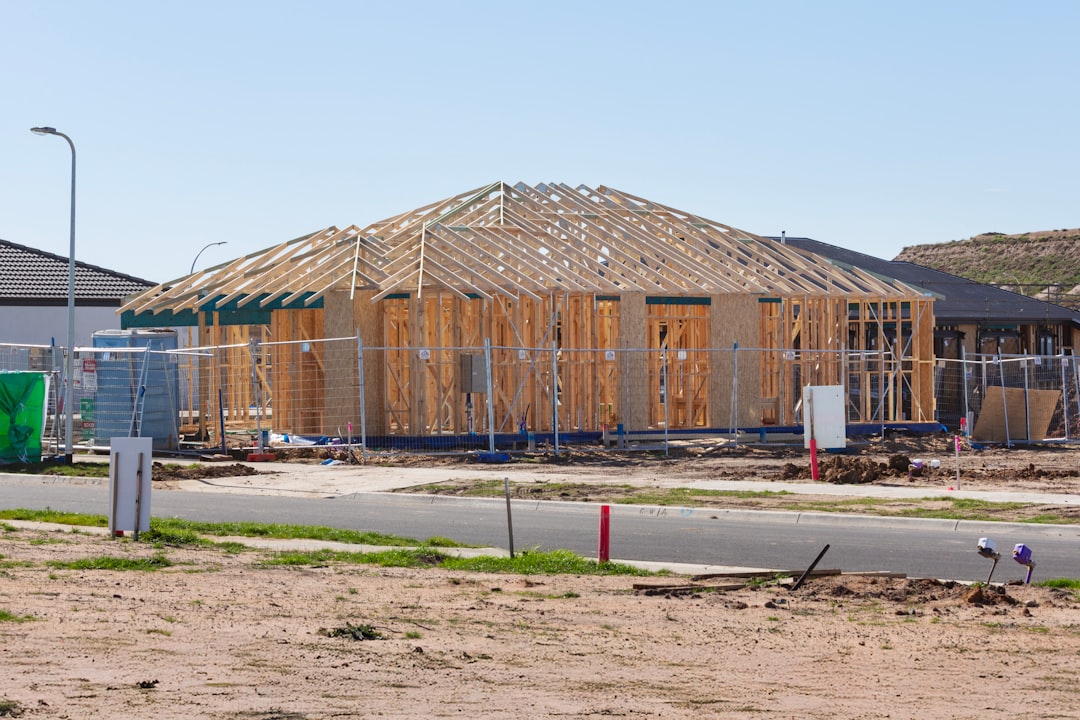
The area's transformation began in the late 1970s when Hillsborough County widened Bloomingdale Avenue and extended utilities eastward from Brandon. That infrastructure investment turned agricultural land into developable residential parcels almost overnight. Builders who had been focused on the Brandon corridor suddenly had access to hundreds of acres of flat, well-drained land with a brand-new road connecting to the established commercial centers.
The name "Bloomingdale" itself was adopted from the road, which had been named decades earlier. Old county maps show the Bloomingdale designation going back to at least the 1950s, though the origin of the name is debated among local historians. What is not debated is how quickly the area transformed once the infrastructure arrived.
How Did Bloomingdale Develop Over Three Decades?
Bloomingdale's development is not a single story but rather a layered narrative spanning thirty-plus years and dozens of individual builders. Understanding this history is essential for buyers because the era of construction dramatically affects home style, condition, and pricing.
The 1980s: The Original Bloomingdale
The earliest Bloomingdale subdivisions were platted in the early 1980s, featuring the ranch-style and split-plan homes that defined Florida residential construction of that era. These original sections sit closest to Bloomingdale Avenue and feature concrete block construction with flat or low-pitch roofs, terrazzo or carpet floors, and the galley kitchens and separate dining rooms that were standard in 1980s Florida homes. Lot sizes in these original sections tend to be generous by today's standards, often 8,000 to 12,000 square feet or more.
Many of these 1980s homes have been substantially renovated over the decades. The most common updates include kitchen expansions that open up the original compartmentalized floor plans, bathroom modernizations, roof replacements (most are on their second or third roof), and HVAC system upgrades. A well-renovated 1980s Bloomingdale home can be an excellent value, offering original lot size at a lower price point than newer construction.
The 1990s: Expansion and Evolution
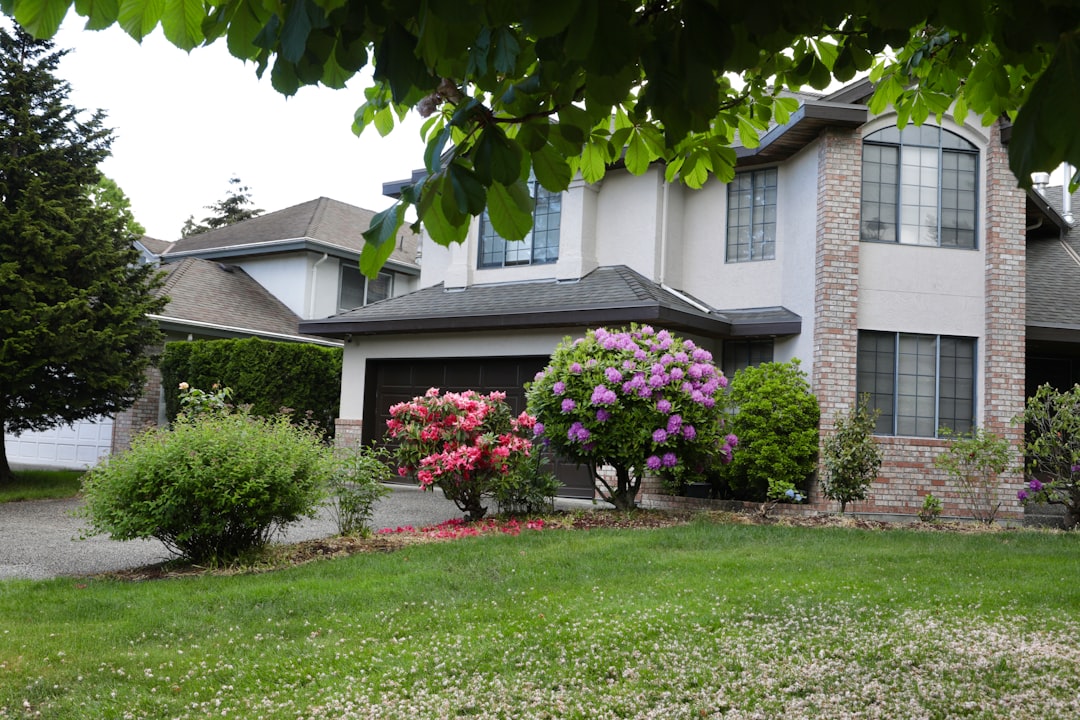
Through the 1990s, Bloomingdale expanded in every direction. New subdivisions pushed south toward Riverview and east toward the Alafia River corridor. Home styles evolved to reflect changing buyer preferences: vaulted ceilings appeared, owners suites grew larger, and the formal living room/dining room combination began giving way to more casual great room layouts. Two-story plans became more common as builders worked to maximize square footage on slightly smaller lots.
The 1990s sections of Bloomingdale include some of the area's most popular sub-neighborhoods. These homes offer a balance of size, condition, and value that makes them attractive to families and move-up buyers. Many still have their original tile roofs, which, when properly maintained, can last 40-50 years and provide excellent insurance premium advantages.
The 2000s: The Final Phases
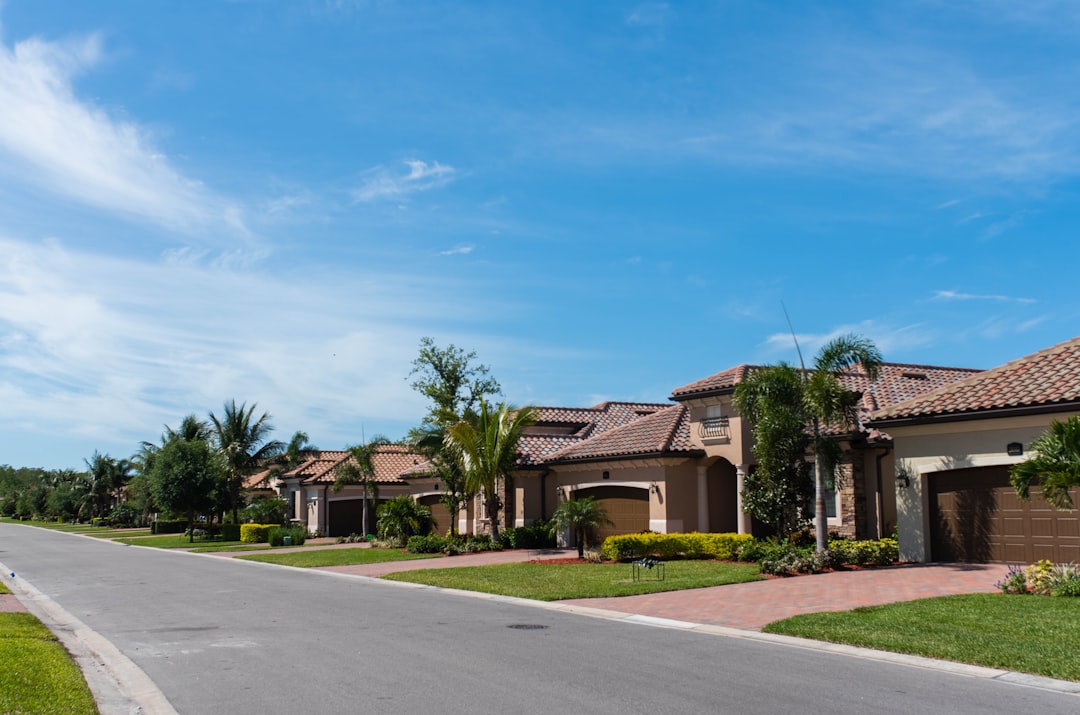
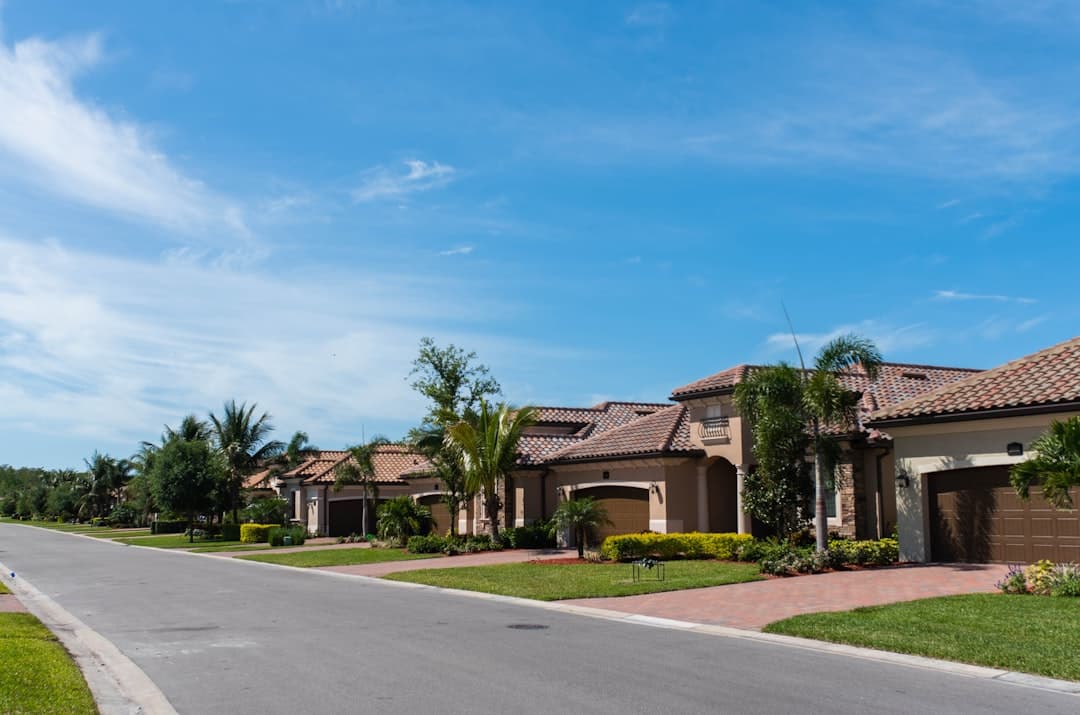
The last major development phases in Bloomingdale occurred in the early to mid-2000s, filling in the remaining parcels with Mediterranean-influenced and transitional-style homes. These newer sections feature the open floor plans, granite countertops, and tile-throughout aesthetics that became standard in mid-2000s Florida construction. Lot sizes in these later phases tend to be smaller than the original 1980s sections, reflecting both higher land costs and changing density preferences.
What Does Bloomingdale Look Like Today?
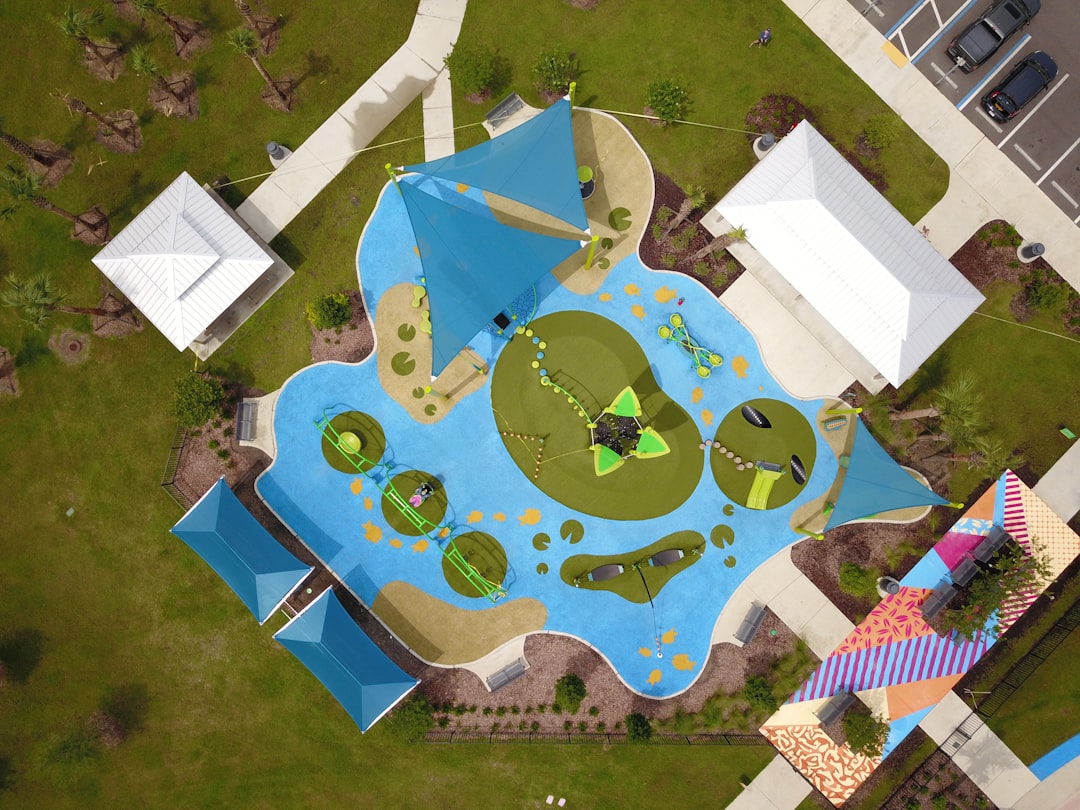
Today, Bloomingdale is best understood as a collection of interconnected but distinct sub-neighborhoods rather than a single community. The "Bloomingdale" name appears on more than 30 individual subdivision plats, each with its own character, HOA structure (or lack thereof), and price range. Some sections have community pools and playground areas. Others are simple residential subdivisions with no shared amenities beyond maintained common areas.
Home sizes across Bloomingdale range from compact 1,200 square foot ranch homes in the oldest sections to 3,000-plus square foot two-story homes in the newer phases. The price spectrum of $350K to $500K reflects this variety. A renovated three-bedroom ranch from the 1980s might list at $360K, while a 2005-built four-bedroom two-story with a pool could list at $480K. Both carry the Bloomingdale address, but they offer very different living experiences.
The mature landscaping in Bloomingdale is one of its defining features. Decades of growth have created oak canopies that arch over streets, established hedges that provide privacy between lots, and flowering trees that make the spring months particularly attractive. This is not a community where you are looking at stick-thin newly planted trees and bare yards. The neighborhood has had 30-40 years to grow into itself, and it shows.
What Are Bloomingdale's Schools and Location Advantages?
Bloomingdale High School is the primary draw for families targeting this area. The school has built a strong reputation within the Hillsborough County School District, offering AP courses, magnet programs, and competitive athletics. Many families specifically seek out the Bloomingdale HS zone, and it is one of the first questions I get when showing homes in this corridor.
The geographic location is equally compelling. Bloomingdale sits at the intersection of residential quiet and commercial convenience. Brandon's extensive shopping and dining along SR-60 is minutes away. The Selmon Expressway provides a direct route to downtown Tampa. And the Brandon Town Center area offers big-box retail, grocery stores, and medical facilities within a short drive.
For commuters, Bloomingdale offers multiple routing options. I-75 access via the Bloomingdale Avenue or Riverview corridor, the Selmon Expressway from Brandon, and surface routes through Valrico and Brandon all provide flexibility depending on your destination and the time of day. This routing variety is something newer communities further south and east cannot match.
How Do HOAs Work Across Bloomingdale?
Because Bloomingdale is a collection of sub-neighborhoods rather than a single master-planned community, HOA structures vary significantly. Some sections have active HOAs with annual dues, architectural review boards, and community maintenance. Others have voluntary HOAs or no HOA at all. A few of the newer sections carry modest CDD assessments, though this is the exception rather than the rule.
This HOA variability is something buyers need to investigate on a home-by-home basis. Two houses on adjacent streets might have completely different HOA requirements and fee structures. During your purchase process, your agent should pull the specific deed restrictions and HOA documents for any home you are considering, as assumptions based on nearby properties can be incorrect.
Navigating Bloomingdale's 30+ Sub-Neighborhoods?
Barrett Henry knows every section of Bloomingdale and can help you find the right fit for your budget and priorities.
What Is the Current Market in Bloomingdale?
Bloomingdale's market benefits from its sheer inventory variety. At any given time, there are typically multiple active listings across the various sub-neighborhoods, giving buyers options across different price points, home sizes, and eras of construction. This inventory depth is unusual for individual Valrico neighborhoods and makes Bloomingdale particularly good for buyers who want to compare options without driving across the county.
The $350K to $500K price range covers the vast majority of Bloomingdale transactions. Renovated 1980s homes at the lower end offer exceptional square-footage-per-dollar value, while the newer 2000s-era homes at the upper end provide more modern layouts and finishes. Days on market generally run 20 to 45 days for properly priced listings, with the spring season seeing the fastest activity.
Appreciation across Bloomingdale has been steady rather than spectacular, which is actually a sign of a healthy market. Unlike communities that saw wild price swings during the boom-bust cycles, Bloomingdale's diverse housing stock and consistent school demand have provided a stabilizing effect. Buyers who purchased in 2015-2018 have seen 40-60% appreciation, and the long-term trajectory remains positive.
Who Should Buy in Bloomingdale?
Bloomingdale appeals to a wide buyer spectrum precisely because of its variety. First-time buyers find entry points in the renovated ranch homes of the 1980s sections. Growing families target the 1990s and 2000s sections for more space and updated layouts. Downsizers from larger properties find the smaller lots in newer sections easy to maintain while still living in a neighborhood they know and love.
Investors find Bloomingdale attractive for its strong rental demand, driven by the Bloomingdale High School zone and the convenient location. The variety of price points also allows investors to match their budget to available inventory rather than competing for a narrow set of options.
Barrett's Take on Bloomingdale
Bloomingdale is the neighborhood I recommend most often to buyers who say they want options. Unlike single-phase communities where every home looks the same, Bloomingdale lets you choose your era, your style, and your price point while staying within the same general area and school zone. That flexibility is rare in the Tampa Bay market.
The one thing I tell every Bloomingdale buyer: do your homework on the specific sub-neighborhood. The Bloomingdale name covers a lot of ground, literally and figuratively. Two homes at the same price in different sections can offer very different experiences in terms of lot size, HOA rules, and neighborhood feel. Walk the streets, talk to neighbors, and look at how the community is maintained before you make your decision. That due diligence makes the difference between buying a house and finding a home.
Explore More Valrico Neighborhoods