What Was Diamond Hill Before It Was a Neighborhood?
Before the first foundation was poured in Diamond Hill, the land east of Lithia-Pinecrest Road told a completely different story. This part of eastern Hillsborough County was working agricultural land for the better part of a century. Citrus groves dominated the landscape through the mid-twentieth century, when Valrico was still more orange trees than rooftops. The name "Valrico" itself comes from "val rico," meaning "rich valley" in Spanish, a nod to the fertile soil that made this corridor ideal for growing.
By the 1970s and 1980s, much of the citrus had been replaced by cattle operations and open pasture. The freezes of the 1980s, particularly the devastating back-to-back freezes of 1983 and 1985, wiped out what remained of commercial citrus in this part of Hillsborough County. Ranchers held the land for decades, running small cattle herds on acreage that would eventually become some of Valrico's most desirable residential parcels.
Drive through Diamond Hill today and you can still see remnants of that agricultural past. The mature live oaks that line some of the streets were fence-line trees, marking old property boundaries between pastures. The gentle roll of the terrain, unusual for flat-as-a-pancake Florida, hints at the natural drainage patterns that made this land productive for agriculture and now make it appealing for homeowners who want actual topography in their yards.
When Was Diamond Hill Built and Who Developed It?
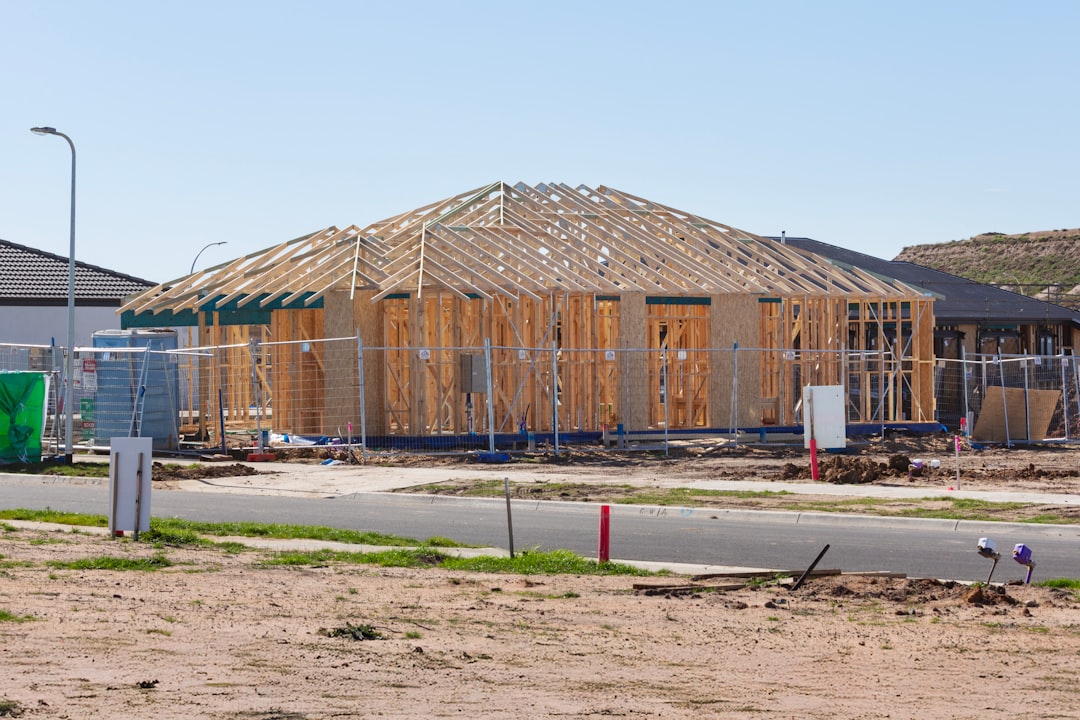
Diamond Hill's development timeline spans roughly 2005 through 2015, placing it squarely in two very different economic eras. The earliest phases broke ground during the mid-2000s housing boom, when builders were racing to meet demand from families fleeing higher-priced neighborhoods closer to Tampa. The original developer assembled the agricultural parcels and platted the community with an emphasis on lot size and curb appeal that reflected buyer expectations of that era.
When the 2008 housing crash hit, construction in Diamond Hill slowed dramatically. Some phases sat partially completed for two to three years, a pattern common across eastern Hillsborough County during the downturn. Builders who had purchased lots from the developer were unable to move inventory, and several went out of business entirely. The lots that remained were eventually picked up by regional and national builders who completed construction between 2010 and 2015 as the market recovered.
This two-phase development history is actually an advantage for buyers today. The homes built during the boom years (2005-2008) tend to have slightly more generous floor plans and higher-end standard features, as builders were competing aggressively for buyers. The homes built during the recovery (2010-2015) benefit from updated building codes, including the more stringent wind-mitigation requirements that Florida adopted after the 2004-2005 hurricane seasons. Both eras produced solid construction, but the insurance implications of newer wind-mitigation features can save homeowners hundreds of dollars annually.
Original price points during the first phase ranged from the mid-$200Ks to the low $300Ks. Recovery-era homes often sold in the $220K-$280K range, reflecting the depressed market. Today, those same homes trade between $400K and $550K, representing substantial appreciation regardless of which phase they were built in.
What Are the Homes Like in Diamond Hill Today?
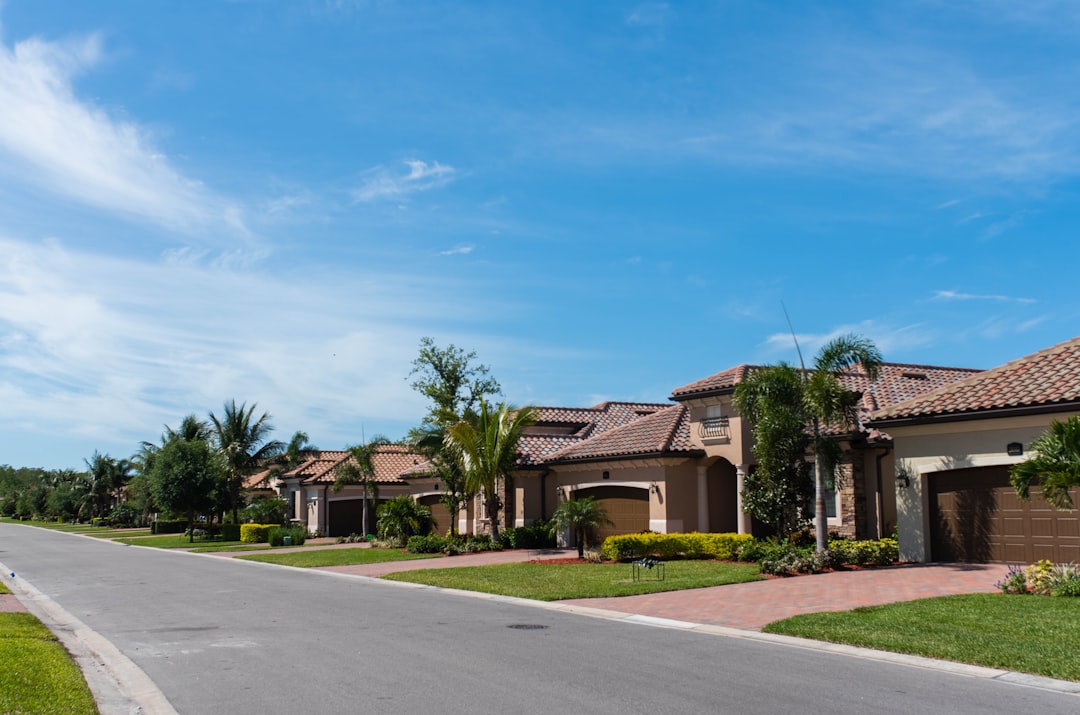
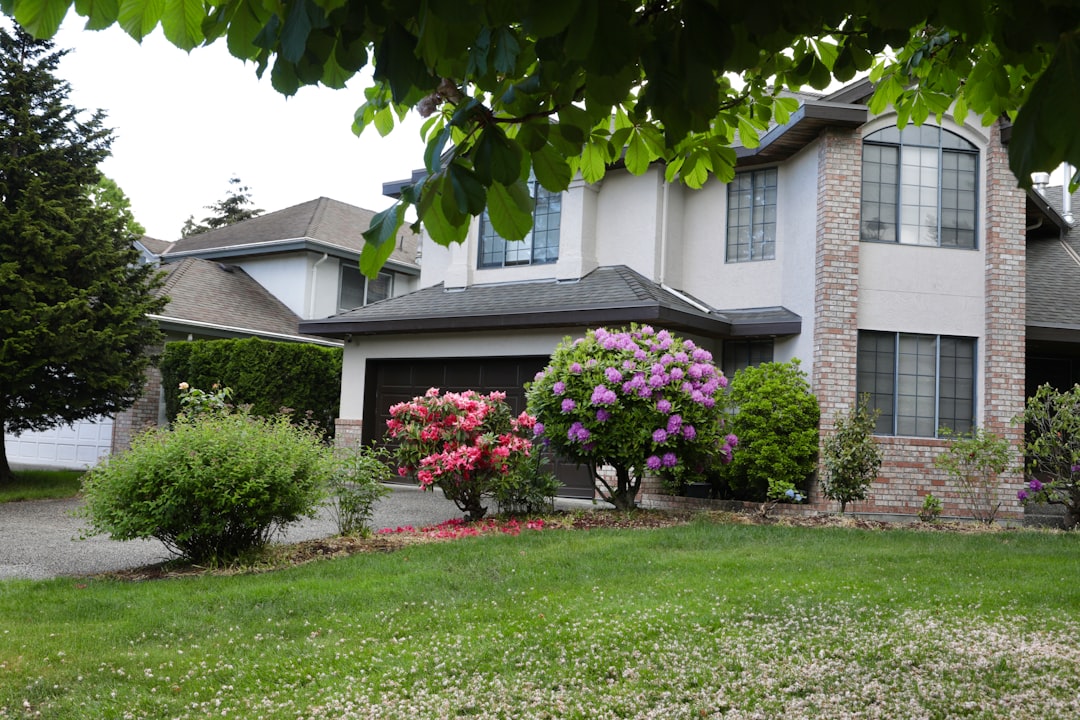
Diamond Hill homes are predominantly single-family residences ranging from 1,800 to 3,200 square feet. The architectural style is Florida contemporary, meaning concrete block construction with stucco exteriors, tile or architectural shingle roofs, and open floor plans that emphasize indoor-outdoor living. Most homes feature covered lanais, and many have screened pool enclosures.
Floor plans typically include three to five bedrooms, with owners suites positioned at the rear of the home for privacy. Two-story models are common in the 2,400-plus square foot range, with the owners suite downstairs and secondary bedrooms upstairs. Single-story plans dominate the 1,800-2,200 square foot range and are particularly popular with buyers who want to age in place or avoid stairs.
The most common renovations you will see in Diamond Hill homes built during the first phase include kitchen updates (granite or quartz countertops replacing the original laminate), bathroom modernizations, and flooring upgrades from carpet and tile combinations to luxury vinyl plank or updated tile throughout. Homes built during the recovery phase often still have their original finishes, which were more contemporary to begin with.
Lot sizes are one of Diamond Hill's strongest selling points. Most lots are a quarter acre or larger, with some premium positions exceeding a third of an acre. Compare that to newer communities in the Riverview and Wimauma corridors, where builders routinely place homes on lots under 6,000 square feet, and the space advantage becomes obvious. You get actual side yards, room for a pool and deck, and enough buffer from neighbors that you are not listening to their television through the wall.
What Schools Serve Diamond Hill Residents?
School zoning is a primary driver for families buying in Diamond Hill. The community sits within the Durant High School zone, which is one of the reasons this corridor maintains strong demand. Durant consistently performs well within the Hillsborough County School District and offers a range of magnet and AP programs.
Elementary and middle school assignments depend on your specific address within Diamond Hill, as Hillsborough County adjusts boundaries periodically. Current zoning generally routes students to schools in the Valrico/eastern Hillsborough corridor that receive above-average ratings. Always verify current zoning through the Hillsborough County School District website before purchasing, as boundaries can shift year to year.
The proximity to Durant High School also means shorter bus rides and easier involvement in after-school activities, a practical consideration that parents sometimes overlook until they are driving back and forth for practices and events.
Does Diamond Hill Have HOA or CDD Fees?
Diamond Hill does not have a Community Development District (CDD), which is a significant financial advantage. In newer communities across Hillsborough County, CDD assessments of $1,500 to $4,000 per year are common, added on top of your property tax bill. Diamond Hill buyers avoid this entirely.
The community does have a homeowners association (HOA) with reasonable annual dues. The HOA maintains common areas, enforces deed restrictions that protect property values, and manages shared community features. Compared to the $200-$400 per month HOA fees in some gated communities, Diamond Hill's HOA costs are modest and focused on essentials rather than resort amenities.
The combination of no CDD and a reasonable HOA means your total monthly housing costs in Diamond Hill are significantly lower than what you would pay for a comparable home in a newer master-planned community. On a $450K home, the CDD savings alone can equal $150-$300 per month in carrying costs that you simply do not have here.
Considering Diamond Hill?
Barrett Henry has helped dozens of buyers find the right home in Valrico's established neighborhoods. Get honest advice before you start looking.
What Is the Current Market in Diamond Hill?
Diamond Hill homes currently trade in the $400K to $550K range, with price variation driven primarily by square footage, lot position, pool presence, and the extent of interior updates. A fully renovated 2,800 square foot home with a pool on a premium lot will push toward the top of that range, while a 1,900 square foot home with original finishes sits closer to $400K.
Appreciation in Diamond Hill has been strong and consistent. Homes that sold for $220K-$280K during the recovery period (2010-2013) have nearly doubled in value. Even homes purchased at the pre-crash peak of $300K-$330K have appreciated well beyond those original prices. The combination of lot size, school zoning, no CDD, and Valrico's overall desirability as a family-oriented community continues to drive demand.
Days on market for properly priced Diamond Hill listings typically run 15 to 40 days, depending on the season. The spring selling season (February through May) sees the fastest absorption, while summer and fall offer buyers slightly more negotiating leverage. Inventory remains relatively tight because homeowners in Diamond Hill tend to stay, another indicator of neighborhood satisfaction.
Who Should Buy in Diamond Hill?
Diamond Hill is ideal for several buyer profiles. Families with school-age children benefit from the Durant High School zoning and the generous lot sizes that give kids room to play. Move-up buyers coming from smaller starter homes in Brandon or Riverview find the space and community feel they were looking for. Remote workers appreciate the quiet residential setting and the home office potential in larger floor plans.
Investors should note that Diamond Hill's rental demand is strong, driven by families who want this school zone but cannot yet purchase. Three and four bedroom homes in this community rent well, though the HOA's rental restrictions should be verified before purchasing as an investment.
Diamond Hill is less ideal for buyers who want gated community amenities, brand-new construction, or walkable urban living. This is a suburban residential neighborhood in the truest sense, and its appeal is rooted in space, schools, and stability rather than resort-style pools or fitness centers.
Barrett's Take on Diamond Hill
I have shown homes in Diamond Hill for years, and the thing that strikes me every time is how much neighborhood you get for the money. The lots alone would cost you $100K more if they were in a newer community with half the space. No CDD saves you real money every single month. And the Durant school zone continues to be one of the strongest draws for families relocating to eastern Hillsborough County.
The homes built during the recovery era (2010-2015) are particularly good values right now. They have the newer building code advantages, many still have relatively new roofs and HVAC systems, and they have not been updated yet, meaning a buyer can customize to their own taste rather than paying a premium for someone else's renovation choices.
If you are comparing Diamond Hill to newer communities in the Riverview or Wimauma corridors, do the math on total monthly costs. By the time you add CDD assessments and higher HOA fees in those communities, Diamond Hill often comes out ahead on a monthly basis even if the purchase price is similar. That is the kind of analysis I walk through with every buyer, and it changes the conversation when you see the numbers side by side.