Quick Answer
Treasure Island FL investment properties offer barrier island scarcity, Gulf beach rental demand, and long-term appreciation potential. Gross rental yields typically run 4.5-6% before expenses. High flood and wind insurance costs compress net NOI to 2-3% on Gulf-front homes. Long-term rental demand stays strong year-round. Call Barrett at (813) 733-7907 for a personalized investment analysis.
Why Investors Look at Treasure Island FL
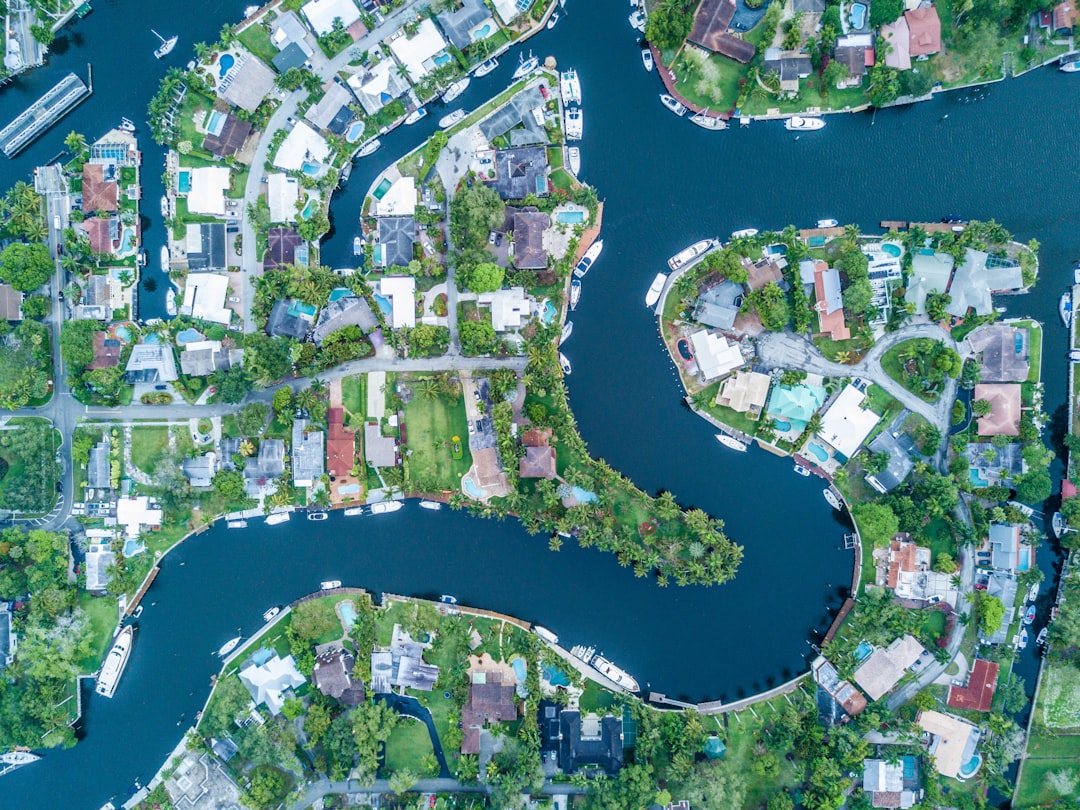
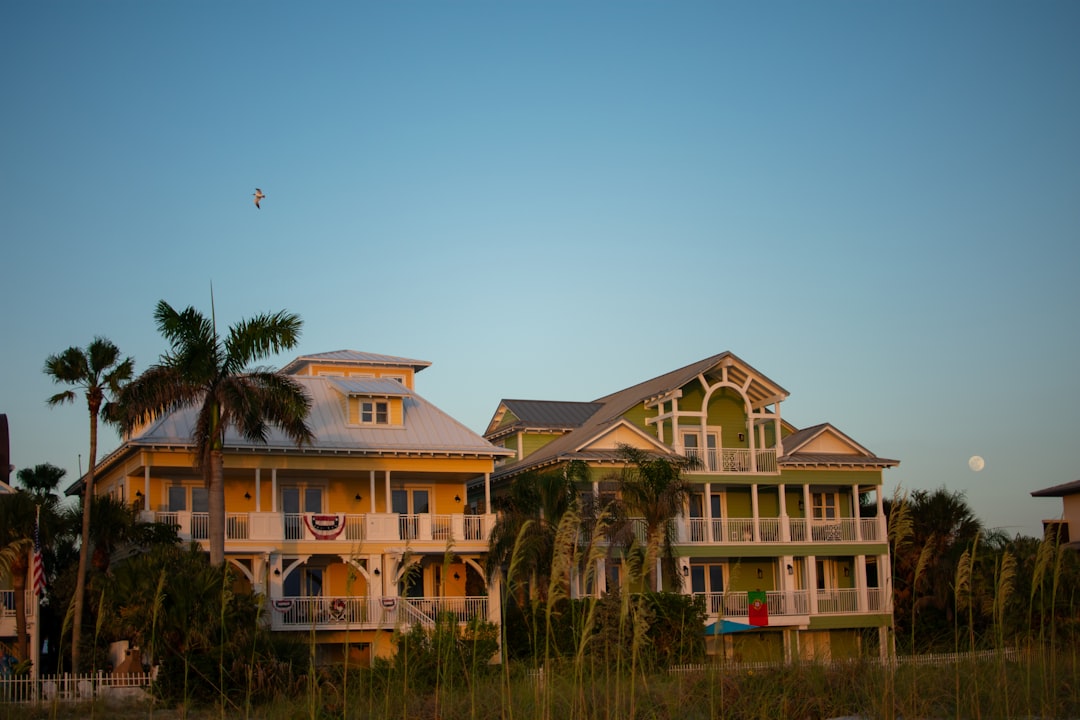
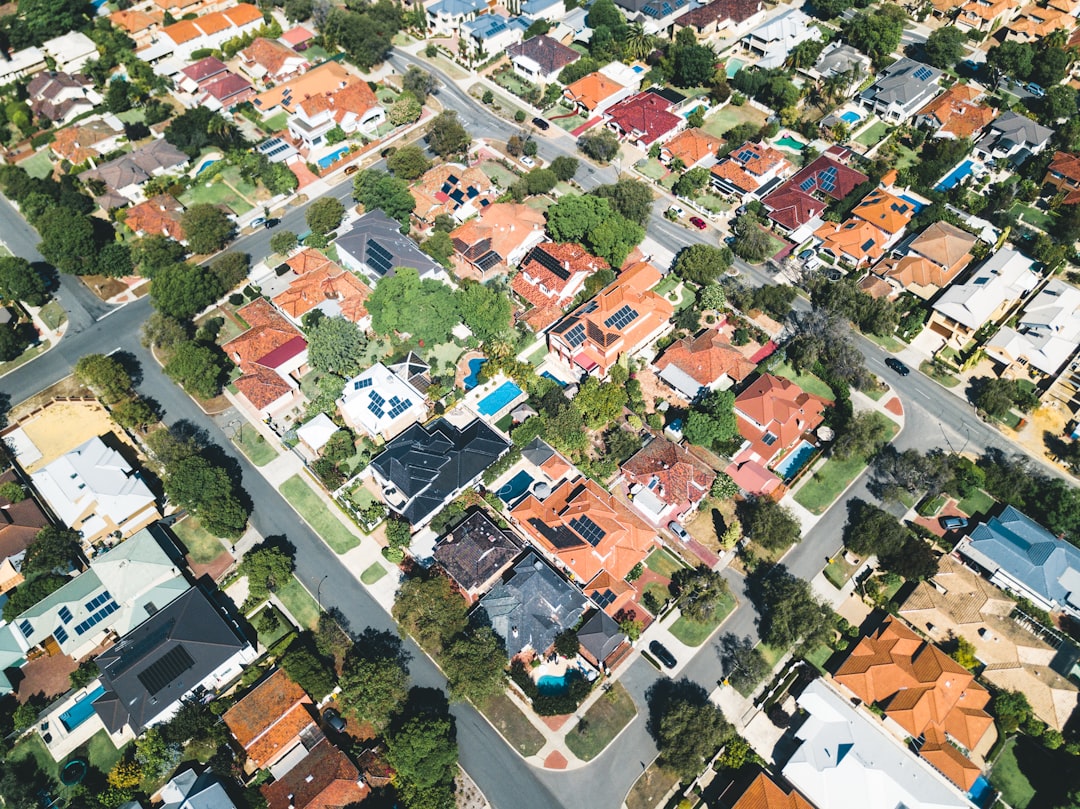
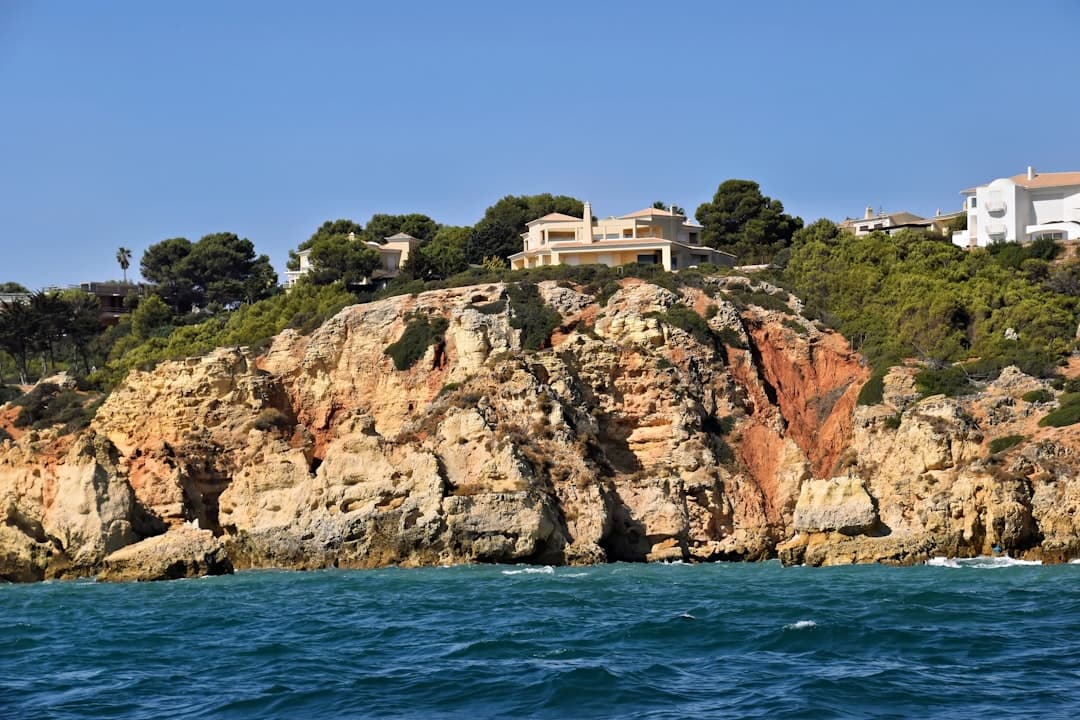
Treasure Island is a barrier island city on Florida's Gulf Coast in Pinellas County (ZIP 33706). Its appeal to real estate investors comes from three factors that are hard to replicate elsewhere in Tampa Bay: Gulf beach frontage, a built-out barrier island with almost no room for new construction, and proximity to downtown St. Petersburg and Tampa Bay's job base.
Pinellas County is the most densely developed county in Florida. According to the U.S. Census Bureau, Pinellas ranks among the top counties nationally for population density. That scarcity dynamic supports long-term value retention. Homes that trade at $700,000 today in Treasure Island are unlikely to see new competing supply enter the market because the land simply is not there.
Investors typically approach Treasure Island through two lenses: long-term rentals targeting year-round Pinellas County residents and healthcare/professional workers, and short-term vacation rentals targeting Gulf Coast tourists from November through April. Both strategies have merit, but each carries distinct risks and compliance requirements I will walk through below.
Treasure Island Rental Market Overview 2026
According to market data compiled from Pinellas County property listings and rental comparables, long-term rental rates in Treasure Island in 2026 typically range as follows:
| Property Type | Monthly Rent (LT) | Typical Size | Notes |
|---|---|---|---|
| Interior SFH 2BR/2BA | $2,400 - $3,200 | 900-1,400 sqft | Non-waterfront, X or AE flood zone |
| Interior SFH 3BR/2BA | $2,800 - $3,800 | 1,200-1,800 sqft | Typical Paradise Island or mid-island |
| Canal-front SFH 3BR/2BA | $3,500 - $5,500 | 1,400-2,400 sqft | Dock access adds $300-$800 premium |
| Gulf-front SFH 3-4BR | $5,000 - $9,000 | 1,800-3,500 sqft | Seasonal premium; VE flood zone |
| Gulf-view Condo 2BR | $2,500 - $4,500 | 900-1,400 sqft | Subject to SB 4-D milestone reserve rules |
| Mid-island Condo 1BR | $1,800 - $2,600 | 600-900 sqft | Check condo reserve status per SB 4-D |
Short-term vacation rental rates vary significantly by season. Gulf-front properties command $350-$700 per night during peak winter season (November through April). Summer rates drop to $200-$400 per night. Interior homes command $150-$350 per night depending on location and amenities. Annual gross STR income on a well-positioned Gulf-front 3-bedroom can reach $60,000-$120,000 before expenses.
Questions About Treasure Island Real Estate?
Barrett Henry, REMAX Collective. 23+ years of real estate experience.
Contact BarrettCall (813) 733-7907Investment Return Analysis: What Numbers Actually Look Like
Here is a realistic investment analysis for three Treasure Island property types. These figures reflect 2026 market conditions and are estimates, not guarantees. I recommend building your own model with current insurance quotes before making any offer.
| Scenario | Purchase Price | Annual Gross Income | Annual Expenses | Net NOI | Net Cap Rate |
|---|---|---|---|---|---|
| Interior SFH (3BR LT rental) | $650,000 | $38,400 ($3,200/mo) | $20,000 (taxes $13K + insurance $5K + maint $2K) | ~$18,400 | ~2.8% |
| Canal-front SFH (3BR LT rental) | $900,000 | $52,800 ($4,400/mo) | $29,000 (taxes $18K + flood+wind $7K + maint $4K) | ~$23,800 | ~2.6% |
| Gulf-front SFH (3BR STR) | $1,500,000 | $84,000 (avg $230/night 365 days at 55% occ) | $54,000 (taxes $30K + flood+wind $14K + mgmt 25% + maint $6K) | ~$30,000 | ~2.0% |
The numbers tell a consistent story: Treasure Island investment properties generate modest cash yields relative to purchase price. The investment case rests primarily on long-term appreciation in a land-constrained barrier island market. Investors who bought Treasure Island properties in 2012-2015 have seen significant equity gains. Whether that pattern continues depends on insurance market stability, sea level and storm risk, and broader Tampa Bay economic growth.
Flood Insurance: The Critical Variable for TI Investors
Flood insurance is the single biggest variable in any Treasure Island investment analysis. Unlike most Tampa Bay communities where some homes are in X zones (no mandatory flood insurance), virtually the entire Treasure Island barrier island sits in FEMA Special Flood Hazard Areas. Most properties fall in Zone AE (100-year floodplain) or Zone VE (coastal high hazard area with wave action).
Under FEMA's Risk Rating 2.0 system, flood insurance premiums are based on each property's individual flood risk factors including first-floor elevation, distance to water, and replacement cost. According to data published by the Florida Office of Insurance Regulation, average NFIP premiums in coastal Pinellas County zip codes run significantly higher than Florida's state average.
As a rough estimate, here is what investors should budget for flood insurance in 2026:
- Interior SFH (Zone AE, elevated): $2,500 - $5,000 per year
- Canal-front SFH (Zone AE): $3,500 - $7,000 per year
- Gulf-front SFH (Zone VE): $6,000 - $14,000+ per year
- Condos: varies by building master policy; request the master policy declarations page
Always get an actual flood insurance quote before finalizing an investment analysis. An elevation certificate (typically $300-$600) can significantly reduce premiums if the home was built elevated. Wind insurance through Citizens or private carriers typically adds another $3,000-$8,000 per year on a Gulf-front property. Use the mortgage calculator to model full monthly costs including insurance.
Short-Term Rental Rules in Treasure Island FL
Treasure Island permits short-term rentals (rental periods under 30 days) in most residential zones, but operators must comply with both Pinellas County and City of Treasure Island requirements. Before purchasing a property with STR income in your projections, verify current ordinance compliance. STR regulations have tightened across Florida beach communities in recent years.
Key compliance requirements as of 2026 include:
- Florida Department of Revenue vacation rental license
- Pinellas County Tourist Development Tax registration (6% TDT on gross STR revenue)
- City of Treasure Island business tax receipt
- Compliance with local noise, parking, and occupancy ordinances
- HOA approval if applicable (many TI condos prohibit STR)
Contact the City of Treasure Island directly at (727) 547-4575 or visit cityoftreasureisland.org for the most current STR registration requirements. Regulations can change with each local election cycle.
Questions About Treasure Island Real Estate?
Barrett Henry, REMAX Collective. 23+ years of real estate experience.
Contact BarrettCall (813) 733-7907Condo Investment: SB 4-D and Milestone Inspection Rules
Florida Senate Bill 4-D (effective December 2022) and Senate Bill 154 (effective May 2023) created new mandatory milestone structural inspection requirements for condominiums three stories or taller. These laws were passed in response to the Surfside collapse and apply directly to many Treasure Island condo buildings.
For investors considering Treasure Island condos, these rules matter:
- Buildings 30 years or older (built before 1995) require a Phase 1 milestone inspection
- Buildings within 3 miles of the coast require inspection at 25 years (built before 2000)
- Buildings with structural deficiencies must complete Phase 2 inspections and repairs
- Associations must conduct Structural Integrity Reserve Studies (SIRS) and fund reserves accordingly
Many older Treasure Island condo associations are currently working through this process. Some buildings have issued special assessments of $20,000-$100,000+ per unit to fund required repairs and reserve funding. Request the most recent milestone inspection report, SIRS study, reserve balance, and meeting minutes from any condo you are evaluating as an investment. A property showing strong gross rental income can quickly become cash-flow negative after a large special assessment.
Long-Term vs. Short-Term Rental Strategy
Most Treasure Island investors face a choice between long-term rental (12-month leases) and short-term vacation rental. Here is a practical comparison: