What Was Heritage Crest Before It Was Built?
The property that became Heritage Crest was part of the tapestry of agricultural and transitional land that characterized this section of Valrico through the early 2000s. By the time the developer acquired and platted the parcel, the surrounding area had already begun its transition from rural to suburban, with established neighborhoods and newer communities filling in the landscape on all sides.
The site's topography was slightly elevated compared to the surrounding terrain, a characteristic that the developer incorporated into both the community name and the engineering. The "Crest" in Heritage Crest references this elevation, which provides subtle but real advantages for drainage and views. In flat Florida, even modest elevation changes affect flood risk, stormwater management, and the sense of openness within a community.
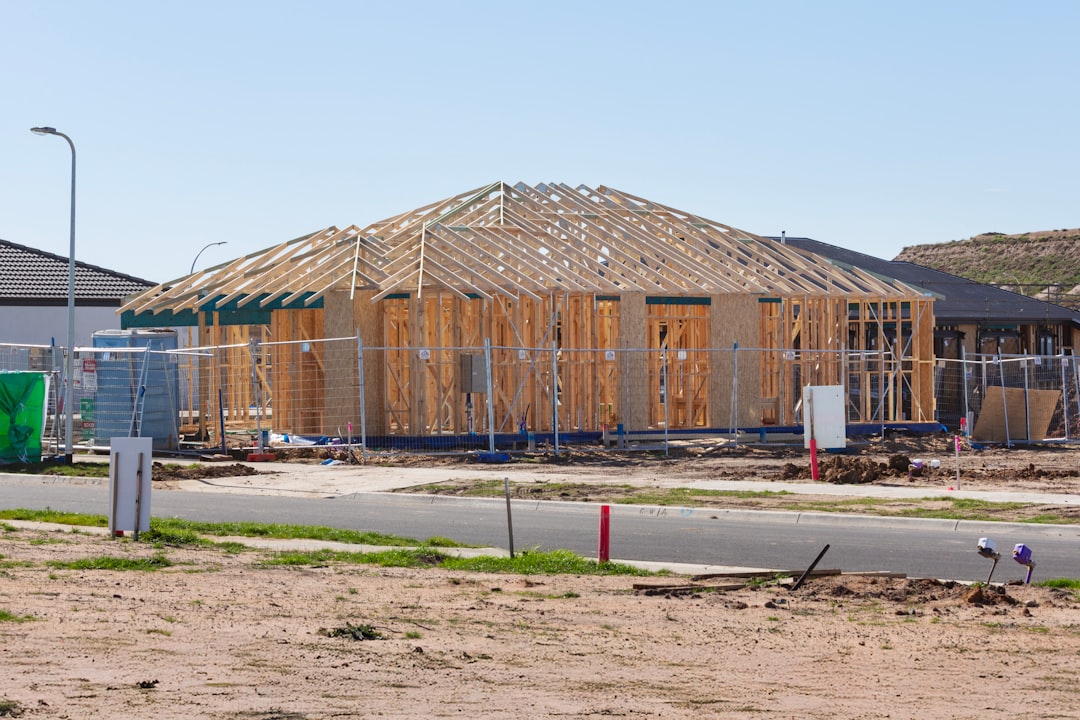
The developer cleared the property with selective preservation of existing trees where possible, a practice that was becoming more common in Florida residential development by the time Heritage Crest was platted. Several mature oaks within the community predate development and provide focal points in common areas and on individual lots. These preserved trees are a visible connection to the land's pre-development character and contribute to the community's established feel despite its relatively recent construction.
How Was Heritage Crest Developed?
Heritage Crest was developed with a clear market position in mind: a gated community with resort-style amenities targeting buyers who wanted security, modern construction, and community features at a price point below the area's top-tier gated communities like River Hills Country Club. The developer invested in the gated entrance, community pool complex, fitness area, and playground as foundational amenities, establishing the community's premium positioning from the first phase.
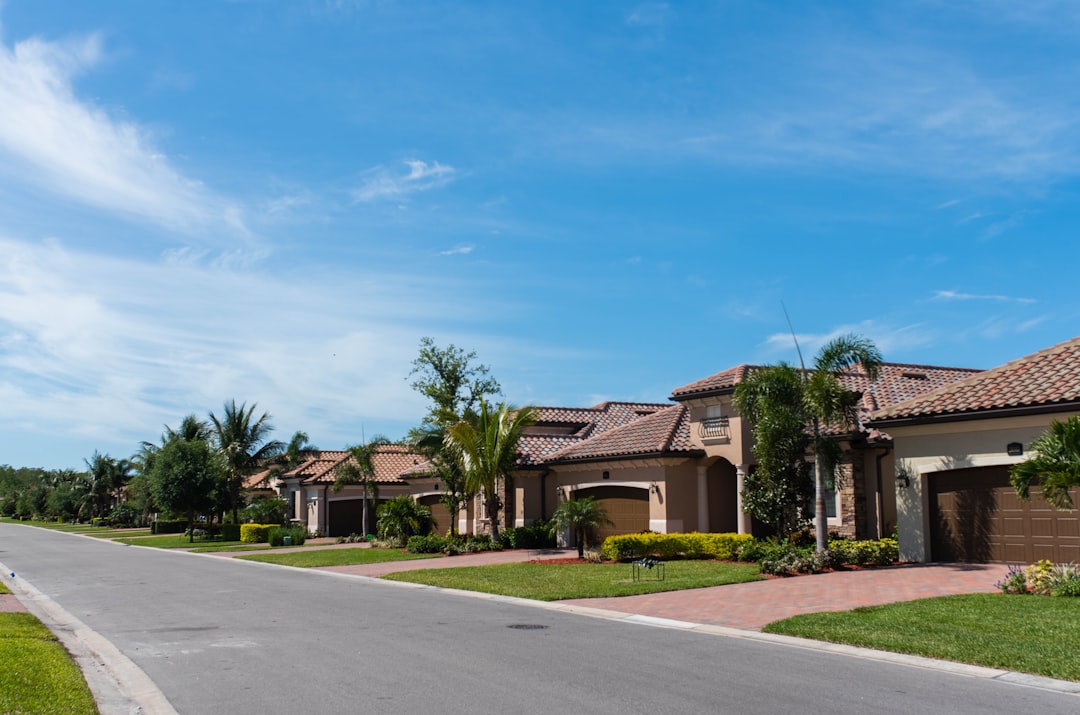
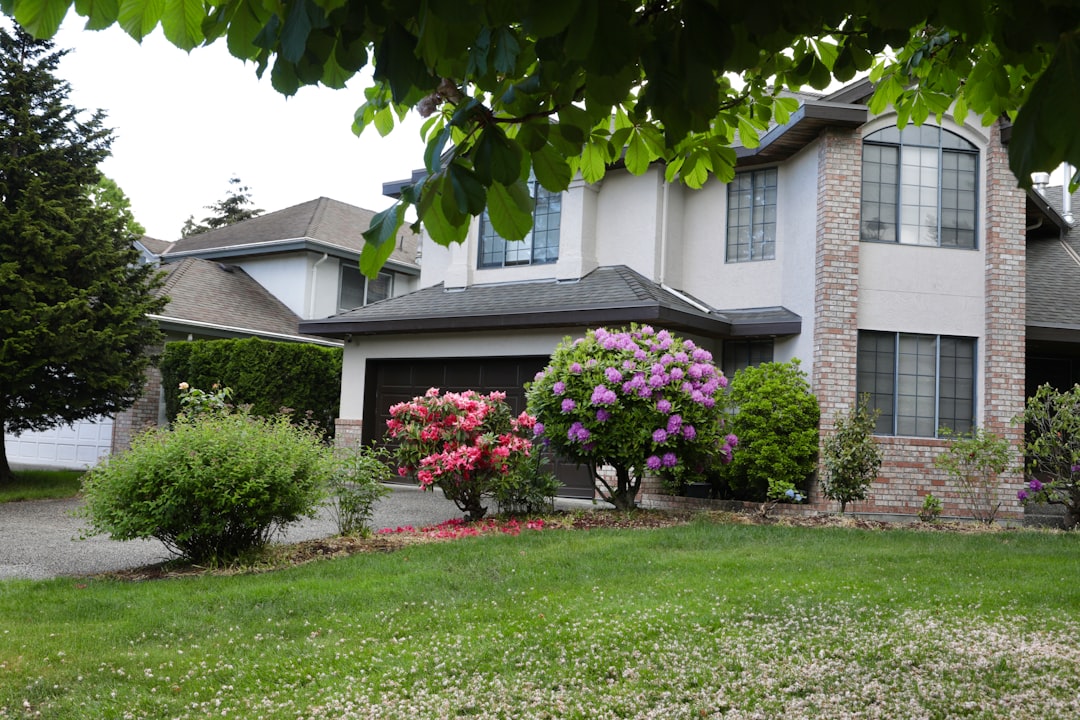
Construction in Heritage Crest produced homes with the premium finishes that today's buyers consider baseline requirements: granite or quartz countertops, stainless steel appliances, crown molding, tile or wood-look flooring in common areas, and covered lanais designed for Florida's indoor-outdoor lifestyle. The floor plans reflect modern living preferences with open concepts connecting kitchen, dining, and living areas, spacious owners suites with walk-in closets and dual-vanity bathrooms, and guest bedrooms that can function as home offices.
The gated entrance is a defining feature that distinguishes Heritage Crest from the open communities that surround it. The gate provides controlled access that residents cite as both a security measure and a psychological comfort. Emergency vehicles and service providers can access the community, but casual through-traffic is eliminated, creating quieter streets and a greater sense of residential exclusivity.
What Are Heritage Crest Homes Like?
Heritage Crest homes range from approximately 1,800 to 3,200 square feet, with three to five bedrooms. Both single-story and two-story floor plans are available, with single-story models being particularly sought-after in the resale market for their broader buyer appeal. The owners suites are typically positioned at the rear of single-story models, separated from secondary bedrooms for privacy, or downstairs in two-story plans with secondary bedrooms and bonus rooms upstairs.
The construction quality in Heritage Crest reflects the post-2004 Florida building code upgrades that significantly improved wind resistance, energy efficiency, and structural integrity. Impact-rated windows or window protection, upgraded roof tie-downs, and enhanced wall bracing provide tangible insurance premium benefits. Buyers coming from older homes in the area often see meaningful insurance savings when moving to Heritage Crest, partially offsetting the higher purchase price.
Outdoor living spaces in Heritage Crest are designed for use. Covered lanais extend from the rear of most homes, with enough depth and width to accommodate outdoor dining, seating areas, and the Florida lifestyle that revolves around being outside for much of the year. Many homeowners have added screened enclosures, outdoor kitchens, and pools to their properties, enhancing the outdoor living potential.
The most common upgrades and modifications in Heritage Crest include pool additions (the lots accommodate pools in most cases), screened lanai enclosures, and interior personalization such as accent walls, lighting upgrades, and smart home technology installation. The relatively modern construction means that the major systems (roof, HVAC, plumbing, electrical) are still within their expected lifespan, reducing the maintenance burden compared to older communities.
Resort-Style Amenities in Heritage Crest
Heritage Crest's amenity package is one of its primary differentiators. The community pool complex serves as the social center of the neighborhood, with a pool designed for both lap swimming and recreational use, a pool deck with lounge areas, and adjacent restroom facilities. During the summer months, the pool is the gathering place for families and the venue for community events.
The fitness area provides residents with exercise options within the community, eliminating the need for a gym membership for many residents. While not comparable to a full-service commercial gym, the equipment and space are sufficient for basic fitness routines and are available to residents at any time as part of their HOA dues.
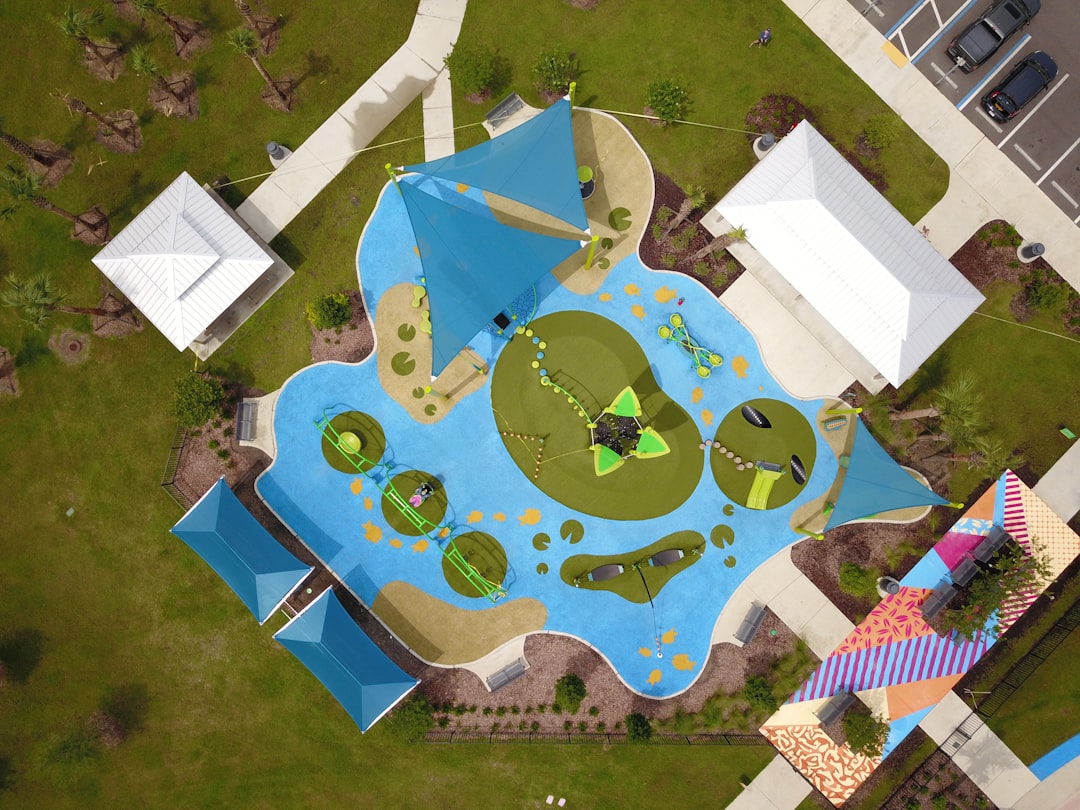
The playground is designed for multiple age groups and is situated within view of community common areas, allowing parents to supervise children while socializing with neighbors. Walking paths and maintained green spaces round out the amenity offerings, providing outdoor recreation options within the community boundaries.
Security and Privacy in a Gated Community
The gated entrance is frequently cited by Heritage Crest residents as a top reason for choosing the community. The controlled access point reduces uninvited traffic and provides a layer of security that open communities cannot match. While a gate is not a guarantee against crime, it does function as a deterrent and creates a defined perimeter that contributes to residents' sense of security.
The privacy implications extend beyond security. With through-traffic eliminated, Heritage Crest streets are quieter and safer for children playing outside, residents walking and jogging, and the general neighborhood activity that characterizes a family-oriented community. The reduced traffic also means less road wear and a cleaner, more maintained appearance throughout the community.
Schools and Location for Heritage Crest
Heritage Crest's Valrico location places it within the Hillsborough County School District's eastern corridor, with access to the well-regarded schools that make this part of the county attractive to families. Specific school assignments should be confirmed through the district for any property under consideration, as zone boundaries are adjusted periodically.
The community's location provides access to the SR-60 commercial corridor and the broader Valrico and Brandon retail and service infrastructure. Commuting options include I-75 and the Selmon Expressway, with drive times to downtown Tampa comparable to other Valrico communities.
Interested in Gated Community Living in Valrico?
Barrett Henry can help you compare Heritage Crest with other gated options in the area and determine whether the amenities and security justify the premium.
Current Market in Heritage Crest
Heritage Crest homes trade in the $380K to $520K range, positioning the community as a premium option within the Valrico market but below the highest-end communities like River Hills Country Club. The price variation within Heritage Crest reflects home size, lot position, pool presence, and any premium upgrades. A 1,900 square foot three-bedroom without a pool sits at the lower end, while a 3,000+ square foot five-bedroom with a pool and outdoor kitchen approaches the top of the range.
The gated community premium in Heritage Crest is real but quantifiable. Comparable homes in non-gated communities in the same general area typically sell for $20K-$40K less, reflecting the market value that buyers place on controlled access and the resort-style amenities. Whether that premium is justified depends on how much you value security and community features, a calculation that is personal rather than purely financial.
Days on market in Heritage Crest typically run 15 to 35 days during the peak season and 25 to 50 days during the slower months. The community's defined inventory (a fixed number of homes within the gates) means that listings attract focused attention from buyers who are specifically looking for the gated community experience.
Who Should Buy in Heritage Crest
Heritage Crest appeals to families who want modern construction, community amenities, and the added security of a gated entrance. Move-up buyers coming from older, open communities find the combination of newer finishes and controlled access compelling. Professionals who value security during travel and time away from home appreciate the gate as a practical feature. Empty nesters downsizing from larger homes find Heritage Crest's amenity package provides the social and recreational opportunities they want without maintaining a large property.
Heritage Crest is less ideal for buyers who want the largest possible lot or the most affordable entry point to the Valrico market. The gated community premium and HOA dues make Heritage Crest more expensive on a monthly basis than comparable non-gated options. Buyers who do not use community amenities are essentially paying for features that provide them no direct benefit.
Barrett's Take on Heritage Crest
Heritage Crest fills a specific gap in the Valrico market: gated community living with modern construction and real amenities at a price point below the area's top-tier communities. For buyers who want the gate, Heritage Crest delivers it without the $600K+ entry point of some competing options. The amenities are genuine and well-maintained, the construction is modern enough to avoid major renovation needs, and the community has established itself as a desirable address.
What I tell buyers considering Heritage Crest is to do the honest math on the total monthly cost. Add up the mortgage, property taxes, HOA dues, and any CDD assessment, and compare that total to what you would pay for a similar-sized home in an open community nearby. If the difference is $200-$300 per month and the gate and amenities matter to you, Heritage Crest is a strong choice. If those features do not matter, the open communities in the area offer more house for the money. That honest comparison is the kind of guidance I provide, and it helps buyers make decisions they are confident in long-term.